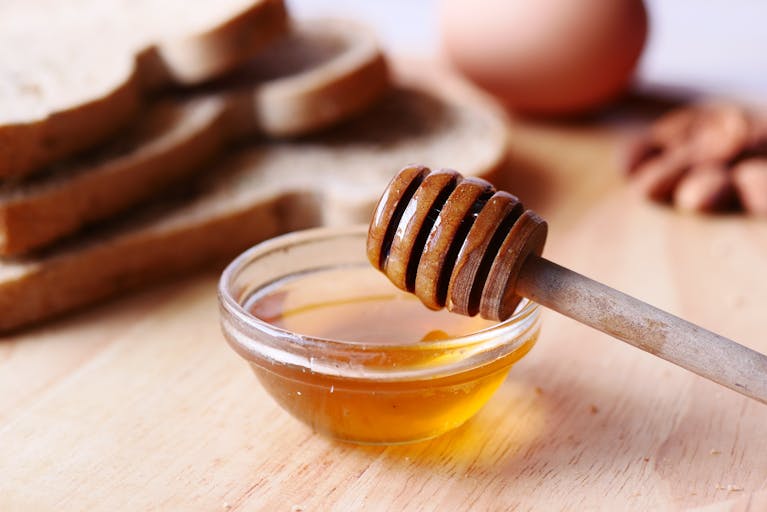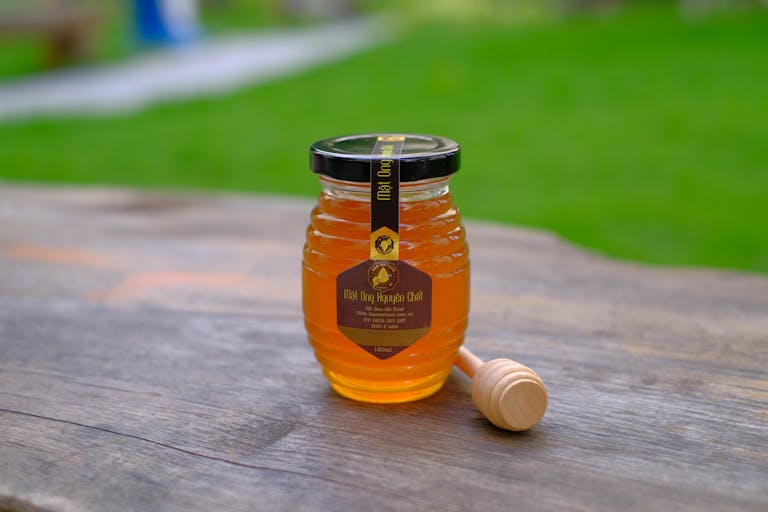

The quick answer is that raw honey is better for your health because it keeps all its natural vitamins, enzymes, and antioxidants. Pasteurized honey is heated at high temperatures, which kills many of these healthy parts just to make the honey look clear and stay liquid longer.
My name is Peter Uzodimma, and I have spent years studying natural foods at Trevro. I want to help you understand exactly what you are putting into your body. Most people buy honey from the grocery store thinking it is a health food, but they might be missing out on the real medicine found in the hive.
In this guide, we will look at the science, the data, and real-life stories to see why the choice you make at the store matters for your family.
My Personal Experience with the “Liquid Gold”
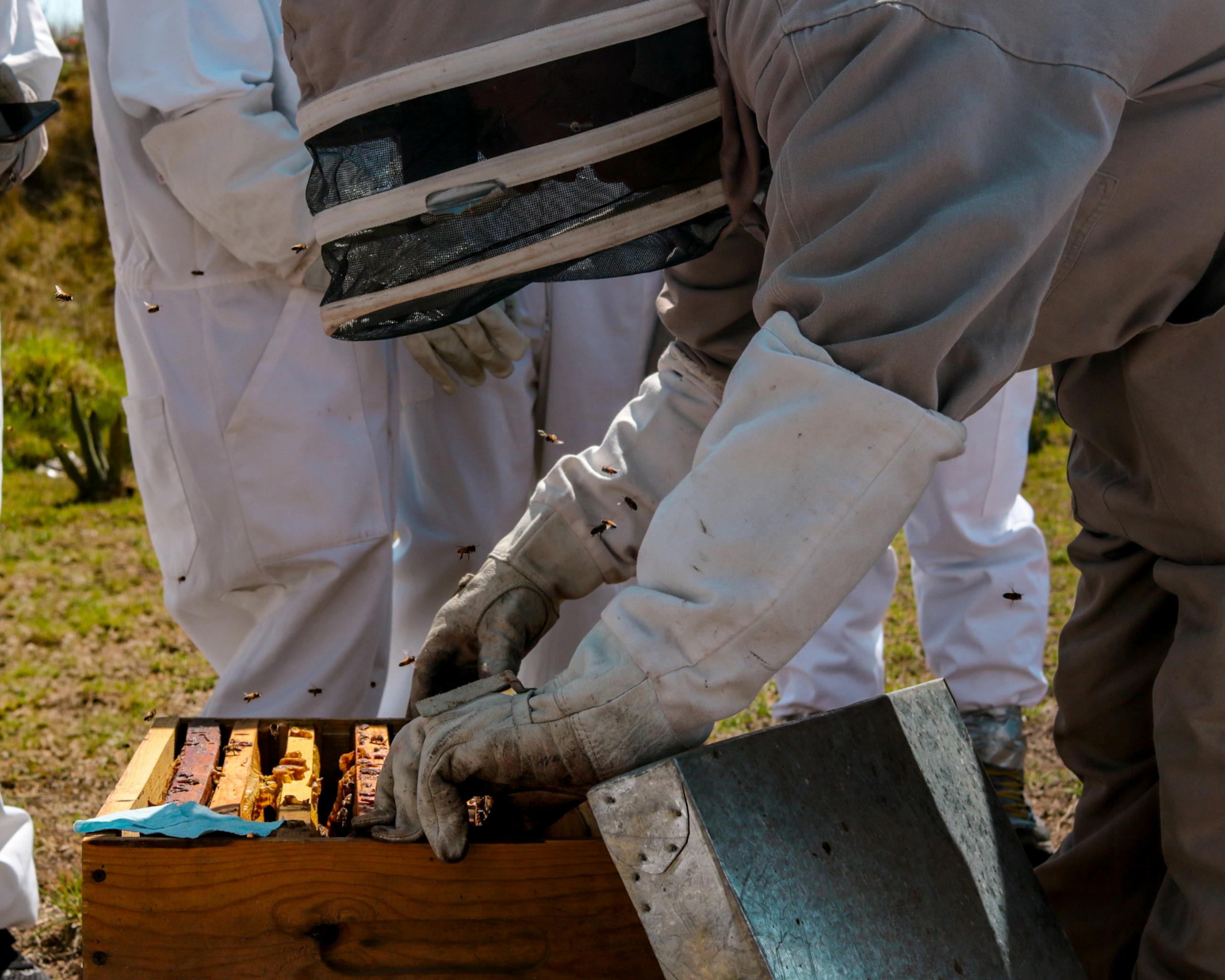
Date: June 14, 2023
Location: A small apiary (bee farm) in the outskirts of Umuahia, Nigeria
Time: 10:30 AM
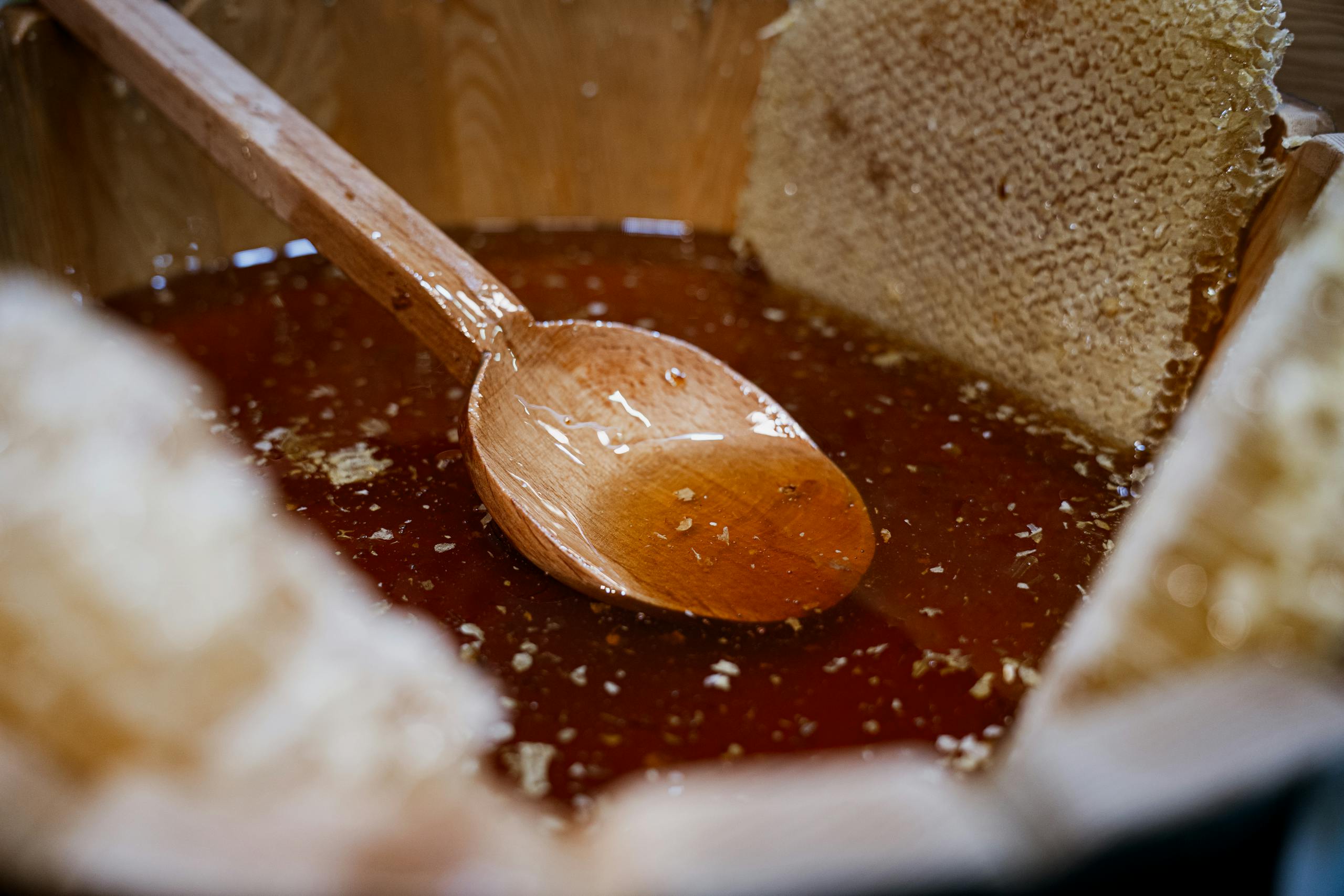
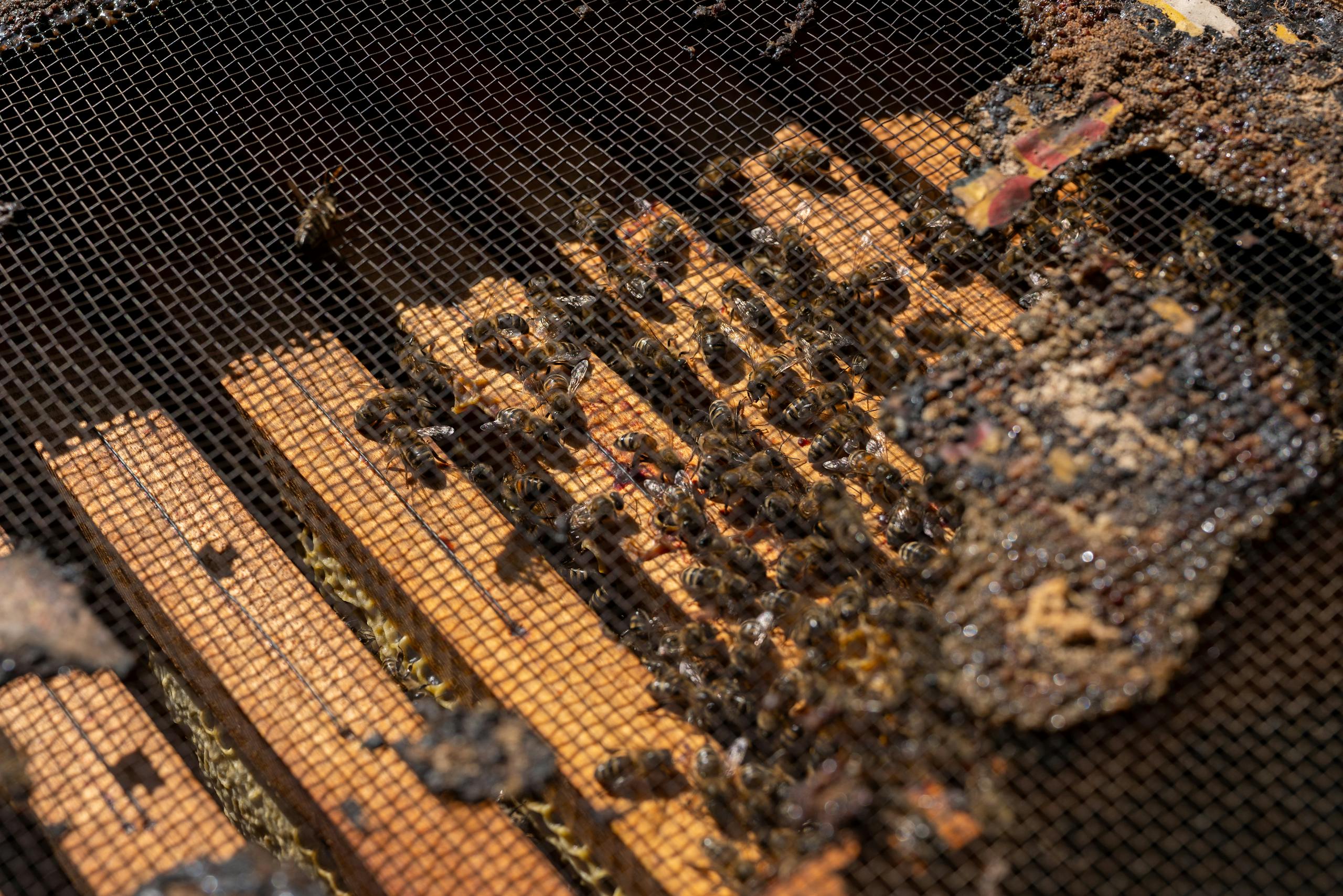
I remember standing in the warm sun with a local beekeeper. He handed me a piece of honeycomb straight from the hive. It was thick, cloudy, and smelled like a field of wildflowers. I had a nagging cough that week that just wouldn’t go away.
He told me, “Peter, stop buying that clear syrup from the big shops. Take this.” I ate a spoonful of that raw, messy honey every morning for three days. By the fourth day, my throat felt smooth, and my energy was back.
That was the moment I realized that not all honey is created equal. The honey I usually bought was “pasteurized”—it looked pretty, but it didn’t have the “kick” this raw version had.
What is Raw Honey?
Raw honey is honey exactly as it exists in the beehive. It is taken out of the honeycomb and poured through a mesh cloth to remove big bits of wax or accidental bee parts.
It is not heated. Because it stays cool, it keeps its “living” parts. These include:
- Bee Pollen: Often called a “superfood” because it has over 250 nutrients.
- Bee Propolis: A sticky substance bees use to seal the hive. It acts like a natural antibiotic.
- Enzymes: These help your body digest food and fight germs.
According to researchers at Medical News Today, raw honey contains specific components that offer powerful health benefits that processed honey lacks.
What is Pasteurized Honey?
This is the honey you see in most plastic bear bottles at the supermarket. To make it, companies heat the honey to about 160°F (71°C) and then cool it very fast.
Why do they do this?
- To kill yeast: This stops the honey from fermenting.
- To stop crystals: It stays liquid and clear for a long time.
- To make it look “clean”: Most shoppers prefer clear, see-through honey.
However, this high heat acts like a “kill switch” for the nutrients. It destroys the delicate enzymes and removes the pollen that makes honey a healthy choice.
The Big Comparison: Raw vs. Pasteurized Data
To make this easy, I have put together a table based on verified nutritional data.
| Feature | Raw Honey | Pasteurized Honey |
| Heat Treatment | None (Cold extracted) | High Heat (160°F+) |
| Bee Pollen | Present (High levels) | Removed by filtering |
| Antioxidants | Very High | Significantly Lower |
| Enzymes | Active and Living | Mostly Destroyed |
| Antibacterial | Strong (Natural) | Weakened by heat |
| Appearance | Cloudy, may have “foam” | Clear, transparent |
| Texture | Thick, crystallizes fast | Smooth, stays liquid |
Health Benefit #1: Fighting Germs and Bacteria
Raw honey is a natural powerhouse for fighting off bad bacteria. It contains an enzyme called glucose oxidase. This enzyme helps produce low levels of hydrogen peroxide, which kills germs.
When honey is pasteurized, this enzyme is often damaged. A study published on PubMed Central (PMC) explains that honey has been used since ancient times to heal wounds and fight infections because of these antimicrobial properties.
Case Study: Sarah’s Burn Recovery
Location: Chicago, USA
Year: 2024
Sarah, a 34-year-old mother, accidentally burnt her hand while cooking. A friend suggested using raw Manuka honey (a type of raw honey) instead of just a regular bandage. Sarah applied a thin layer of raw honey twice a day.
“I was shocked,” Sarah said. “The pain went down almost immediately, and the skin healed without that tight, itchy feeling I usually get with burns.” While she used medical-grade raw honey, the principle is the same: the “living” parts of the honey did the work.
Health Benefit #2: Allergy Relief
Many people suffer from seasonal allergies. They sneeze when flowers bloom or grass grows. Raw honey might help.
Since raw honey contains tiny amounts of local pollen, eating it is like getting a very small, natural “allergy shot.” Your body gets used to the pollen, so it doesn’t overreact when you breathe it in.
Important Note: Pasteurized honey has zero pollen because it is filtered out. If you want allergy help, you must choose raw, local honey.
Health Benefit #3: A Better Choice for Blood Sugar
If you have a sweet tooth but want to stay healthy, raw honey is a better choice than white sugar or pasteurized honey.
Raw honey has a lower Glycemic Index (GI). This means it doesn’t make your blood sugar spike and crash as hard as regular sugar does. It also contains organic acids that help your body process the sugar better.
According to a review on PMC regarding Metabolic Syndrome, honey can actually help improve lipid metabolism and reduce “bad” cholesterol (LDL) compared to refined sugars.
The Danger: Is Raw Honey Safe?
You might wonder why we pasteurize things like milk. We do it to kill dangerous bacteria like E. coli. But honey is different.
Bacteria cannot easily grow in honey because it has very little water and is very acidic. However, there is one big rule you must follow.
The Infant Rule (Crucial Safety)
Never give any type of honey—raw or pasteurized—to a baby under 12 months old.
Honey can contain spores of a bacteria called Clostridium botulinum. An adult’s stomach can handle these easily. But a baby’s tummy is not strong enough yet. This can cause “infant botulism,” which is very dangerous.
The heat used in pasteurization is not high enough to kill these spores anyway, so both types of honey are off-limits for infants.
How to Spot Real Raw Honey at the Store
Now that you know raw is better, how do you find it? Many labels are tricky. Some say “Pure Honey” or “Natural Honey,” but they are still pasteurized.
Here is what I look for when I shop for the Trevro community:
- Look for the word “Raw”: It must explicitly say “Raw” and “Unpasteurized.”
- Check the clarity: If you can see through the bottle like a window, it is probably processed. Raw honey looks “muddy” or cloudy.
- The “Cream” test: Raw honey often has a thin layer of white foam at the top. Those are air bubbles and bits of pollen. That is the good stuff!
- Crystallization: If your honey turns hard and grainy over time, don’t throw it away! That is a sign it is real, raw honey. You can melt it back by putting the jar in warm (not boiling) water.
Environmental Impact: Happy Bees, Happy Planet
When you buy raw honey from local beekeepers, you are supporting the environment. Large-scale pasteurizing plants often buy honey from all over the world and mix it together. This means the honey travels thousands of miles in trucks and ships, which is bad for the planet.
Local raw honey supports the bees in your neighborhood. These bees pollinate the fruits and vegetables you eat every day. Without them, our food supply would be in trouble.
Frequently Asked Questions (FAQ)
1. Does raw honey expire?
No. Raw honey found in ancient Egyptian tombs was still edible! Because of its low moisture and acidity, it lasts forever if you keep the lid on tight.
2. Is raw honey better for a sore throat?
Yes. The thick texture of raw honey coats the throat better, and the antibacterial properties help fight the infection causing the pain.
3. Why is raw honey more expensive?
It takes more care to produce. It isn’t mass-produced in giant factories. You are paying for the time the beekeeper took to keep the honey “alive” and full of nutrients.
4. Can I cook with raw honey?
You can, but remember that heating it over 104°F (40°C) will turn it into pasteurized honey. To keep the health benefits, stir it into your tea or oatmeal after they have cooled down a bit.
Summary of the Best Choice
If you want a sweetener that also acts as a medicine, choose raw honey.
It is a complete food provided by nature. Pasteurized honey is just a “dead” sugar. While it isn’t “bad” for you like high-fructose corn syrup, it just doesn’t offer the healing power that raw honey does.
At Trevro, we believe in the power of nature. We want you to live a long, healthy life by making small, smart choices every day. Switching your supermarket honey bear for a jar of raw, local honey is one of the easiest health upgrades you can make.
About the Author
Peter Uzodimma is a health and wellness researcher at trevro.com.ng. He focuses on finding the truth about the foods we eat and sharing that information in a way that everyone can understand. Peter believes that “Knowledge is the first step to a healthier life.”
Verified Sources and References
- Medical News Today: Raw honey vs. regular honey
- National Institutes of Health (NIH): Honey and Health Review
- PMC Research: Antibacterial activity of honey
- Metabolic Syndrome Study: Protective effects of honey