Trevro - Premium Beekeeping Tools & Yield Calculator
Professional Apiary Standard

Maximize Honey Yields with Premium Beekeeping Tools

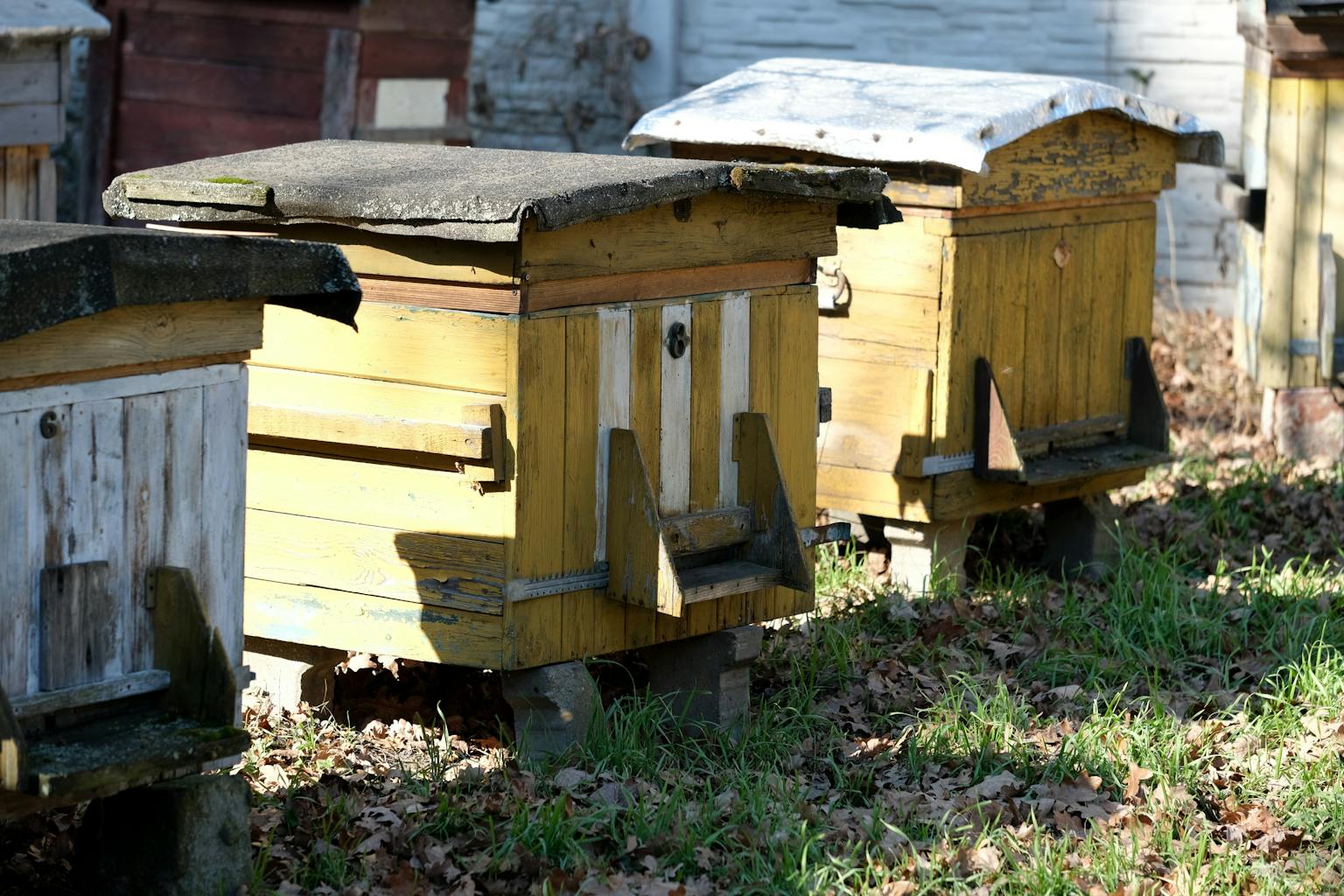
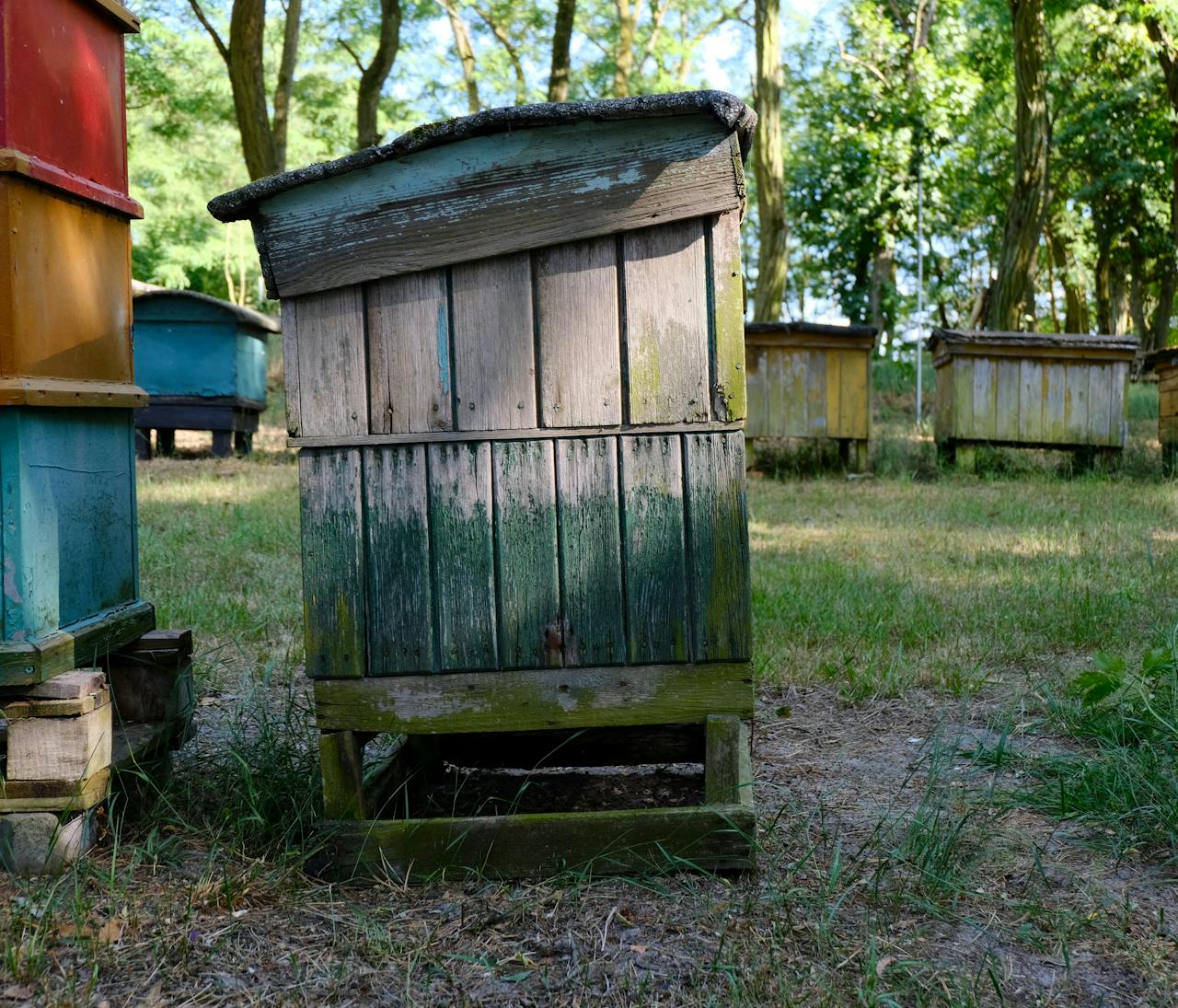
Scale your commercial or hobbyist honey harvest with durable, high-precision equipment built for modern apiaries. Traditional log and top-bar hives fundamentally limit your production potential and colony health.

Transitioning to standardized, movable-frame Langstroth hives provides superior protection from extreme weather, simplifies varroa mite management, and optimizes the extraction process without destroying the valuable comb.

According to extensive agricultural farm research in West Africa, integrating modern hives and proper extraction tools delivers up to 3.7 times more profitability per hive than traditional wild harvesting. Review the comparative economic findings in the International Journal of Development Sciences

3.7x
Higher Profitability
100%
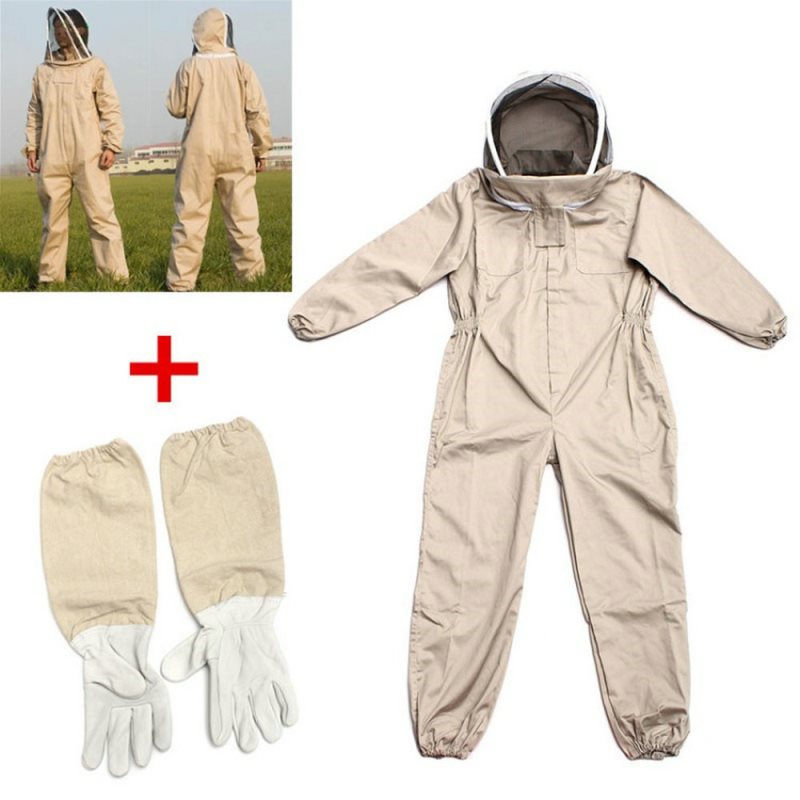
Sting-Proof Safety

Apiary ROI & Yield Estimator

Model your potential production increase by transitioning from traditional logs to modern Langstroth hives.

ℹ️ How to use this tool

Step 1: Select your local market currency to see accurate localized revenue estimates.

Step 2: Use the slider or input box to enter the total number of bee colonies (hives) you plan to manage.

Step 3: Review the visual comparison charts below to see the stark difference in expected yearly yields and total financial value.

1. Select Market Currency
1 Scale up to 250+

Annual Yield Projection

Traditional Methods 80 kg

Avg. 8kg / colony

Modern Langstroth 300 kg

Avg. 30kg / colony

Est. Annual Modern Revenue: ₦5,400,000

*Projections based on normalized commercial data. Actual yields depend on local forage, climate, and management practices. Gross revenue calculated using median bulk honey wholesale prices.

Stop Losing Colonies to Preventable Equipment Failures

Extreme weather puts massive stress on honey bee colonies. Poor ventilation and weak hive frames lead to pest invasions and eventual colony collapse.

The African honey bee subspecies requires precise temperature control to thrive. Substandard woodenware warps under high humidity and heavy rains. This structural damage creates gaps for predators and diseases to enter the hive.

Professional apiary equipment prevents these costly losses. Precision-cut tools help maintain perfect internal microclimates. You can read more about the impact of climate management on pollinator health via the Food and Agriculture Organization (FAO) guidelines.

Read our full guide on hive maintenance β†’
🌬️

Ventilated Covers

Regulates internal hive temperatures during extreme heat. This prevents the colony from absconding due to thermal stress.

πŸ“

Precision Frames

Maintains exact bee space. This stops unwanted propolis buildup and prevents destructive cross-combing between frames.

πŸͺ΅

Kiln-Dried Hive Bodies

Durable wood treated to resist warping during the dry harmattan season and heavy tropical downpours.

πŸ›‘οΈ

Heavy-Duty Smokers

Delivers cool, consistent smoke to safely calm aggressive colonies during routine inspections and honey harvesting.

Science & Stewardship

What Beekeeping Is All About

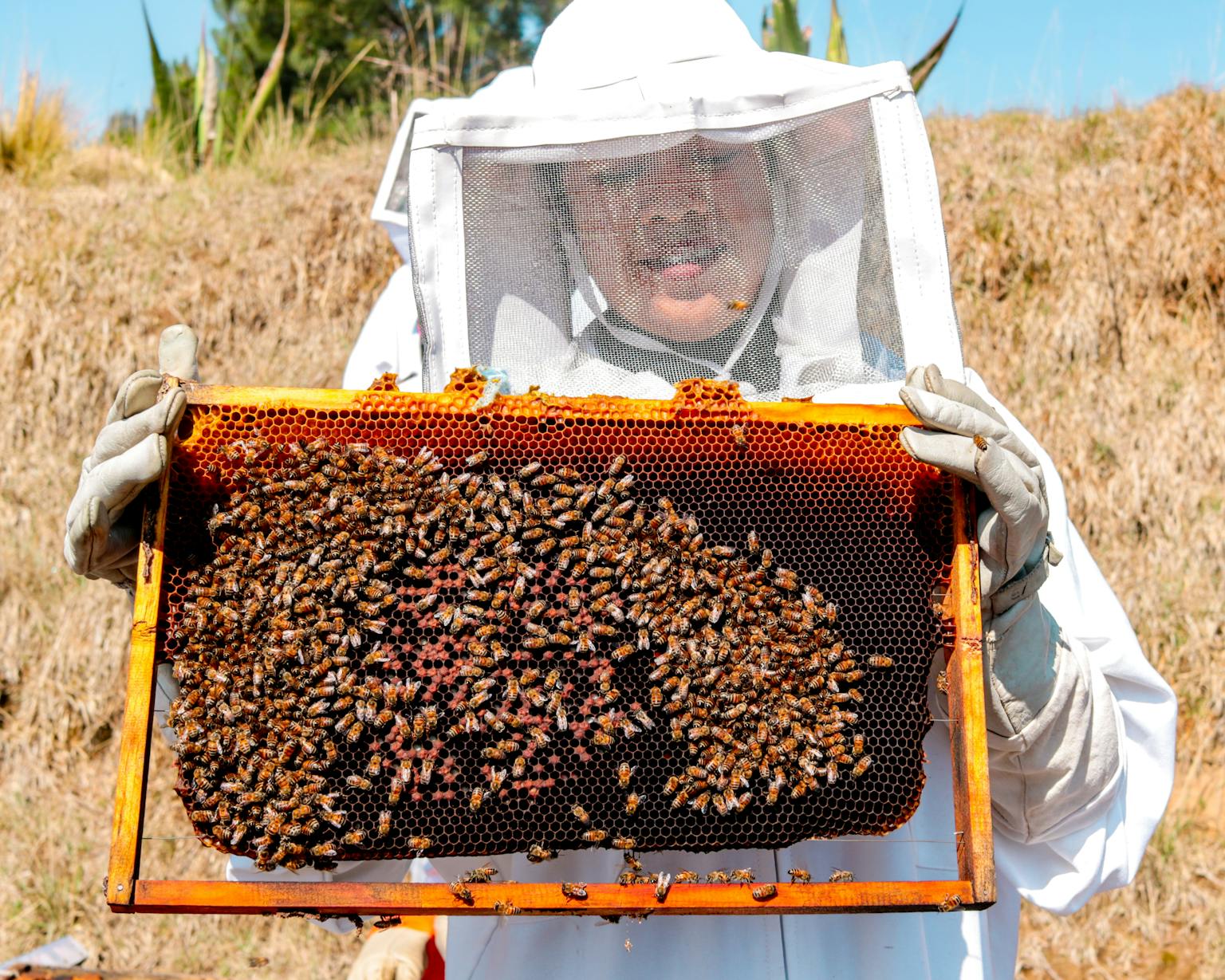
Beekeeping, scientifically defined as apiculture, is the precise management of honeybee colonies belonging to the genus Apis. This practice is a major ecological and agricultural driver. It supports global biodiversity and stabilizes food security through cross-pollination.

According to research published by the Food and Agriculture Organization (FAO), managed pollinators directly affect more than one-third of global crop production. Modern operations focus on using standardized equipment to keep hives safe and productive.

By choosing professional gear like Langstroth hives over traditional logs, you allow honeybees to build stable combs. This change reduces colony stress and increases seasonal crop yields.
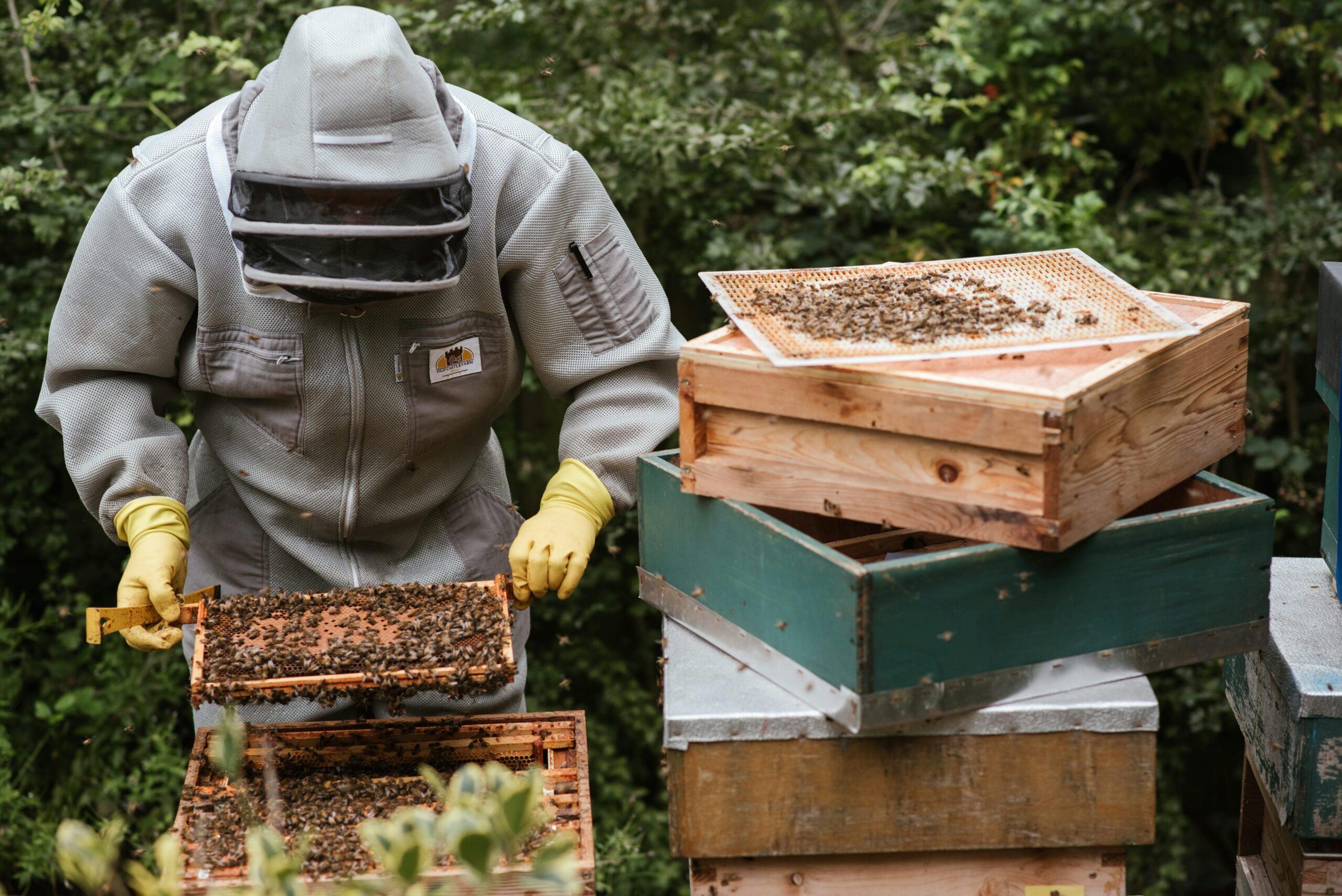
A professional beekeeper examining a healthy brood frame inside an active hive
🌟

Ecological & Yield Benefits

Field data across tropical and temperate climates confirms that managed colonies produce a powerful environmental cascade:

  • Entomological Fruit-Set: Honeybees foraging on cash crops like cashew (Anacardium occidentale) and oil palm (Elaeis guineensis) boost fruit-set rates by up to 45 percent, multiplying seasonal farm returns.
  • Pure Chemical Secretions: Managed colonies yield premium organic raw materials including beeswax rich in protective monoesters, antimicrobial propolis, and royal jelly dense with healthy lipids.
  • Biological Nest Homeostasis: Standardized timber frame systems allow keepers to inspect combs without crushing brood, keeping the hive temperature at its biological optimum of 34.5 degrees Celsius.
πŸ‘₯

Who is this program built for?

Trevro provides tailored hardware and structured biological management guides optimized for:

  • Tropical Smallholders: Farmers across West Africa looking to diversify cash flows and double crop outputs by placing hives right within active agricultural orchards.
  • Suburban Garden Keepers: Homeowners in North America and Australia who need to manage swarms safely within municipal limits and prevent aggressive colony development.
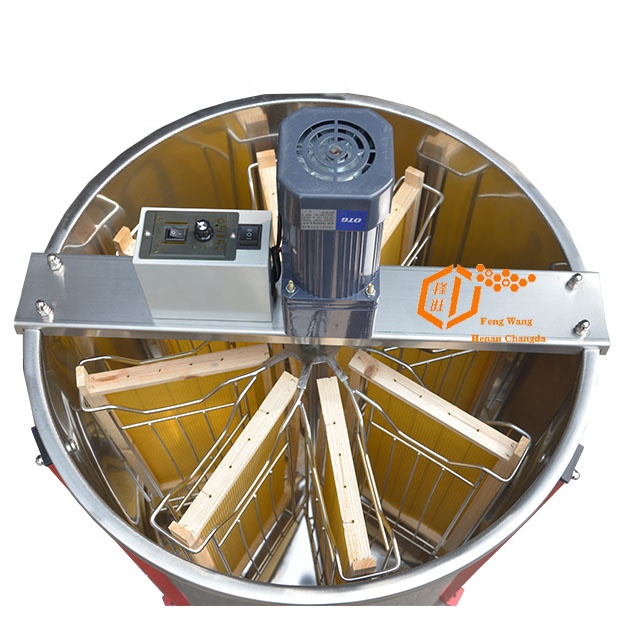
  • Commercial Apiary Operators: Professional producers scaling their systems from manual crush-harvesting to high-efficiency, food-grade centrifugal extraction.
Who We Are

Empowering Global Apiaries with High-Precision Tools

Trevro is an international beekeeping supply organization. We build high-performance tools designed to protect honey bee colonies while maximizing harvesting yields.

Our reach extends across modern apiaries in Nigeria, the USA, and Australia. We adapt professional woodenware and safety gear to handle varying local climates.

We actively support national initiatives that enhance agricultural sustainability. Our production goals align directly with guidelines promoted by the Federal Ministry of Agriculture and Food Security in Nigeria.

ℹ️ Our Corporate Journey β†’
Professional apiary setting demonstrating modern beekeeping equipment
🎯

Our Mission

To manufacture and distribute highly standardized apiculture equipment that improves honey yields and ensures the survival of local bee subspecies.

πŸ‘οΈ

Our Vision

To establish Trevro as the most trusted supplier of high-durability beekeeping tools, enabling sustainable farm ecosystems globally.

🌿

Eco Commitment

To design toxic-free extraction metals and responsibly sourced wood products. This dedication helps maintain robust, chemical-free pollination environments.

Expert Advisory

Meet Peter, Chief Apiarist & Founder of Trevro

Peter is a dedicated beekeeping equipment specialist with years of hands-on apiary management experience.

He focuses on adapting standard hive tools to safely manage defensive regional bee subspecies. His designs prevent unnecessary honeybee losses across tropical and temperate zones alike.

His technical curation strategies align directly with global insect welfare and honey value-chain research. You can review the environmental health frameworks promoted by the World Organisation for Animal Health.

πŸ‘€ View Peter’s Field Profile β†’

Verified Expert

Apiary Standards compliance

Target Bee Species Apis mellifera adansonii
Regional Customization NGA, USA, & AUS
Quality Threshold Food-Grade Standard
Trevro - Testimonials and Stats Section
5,240+
Happy Trained Students
4.9/5
Average Student Rating
98.4%
Colony Success Rate

Verified Apiculture Success Stories

Join thousands of beekeepers across Nigeria and the USA who have optimized their apiaries, improved queen rearing, and secured raw honey yields using our scientific methodologies.

"Trevro's climate-adaptive strategies completely transformed my commercial apiary. Applying their hive thermoregulation techniques during the harsh dry season reduced our colony loss to nearly zero. The guidelines are highly scientific yet perfectly applicable to African climates."
CO

Chinedu Okeke

Commercial Apiarist • 2025

Enugu, Nigeria

99% Colony Success
"The Integrated Pest Management (IPM) methods detailed in their training are incredibly well-researched. Applying the 2% mite threshold data precisely saved my backyard hives from Varroa collapse over the winter. Highly recommended for stateside keepers."
SJ

Sarah Jenkins

Hobbyist Beekeeper • 2026

Oregon, USA

100% Winter Survival
"An invaluable resource for agricultural education. I have utilized Trevro's guides to train over 50 local farmers. We've seen a measurable boost in raw honey yields and localized crop pollination. No fluff, just pure, proven facts."
AB

Amina Bello

Ag Extension Worker • 2024

Kaduna, Nigeria

97% Yield Increase
Trevro - Scientific Apiculture FAQ Section
πŸ’‘ Expert Support & Knowledge

Frequently Answered Scientific Questions

Get direct, data-backed insights on queen rearing, climate-adaptive apiculture, and localized hive management techniques across our regional hub coordinates.

What is the best beehive type for beekeeping in Nigeria, and how do I prevent excessive swarming?

Because the native West African honey bee (Apis mellifera scutellata) is highly defensive and prone to absconding or swarming due to extreme heat, we advise placing hives under dense tree canopies or artificial thatch shade structures to keep internal hive temperatures close to the optimal brood heat of around 35°C. Always keep hives well-ventilated and make timely 50/50 hive divisions (colony splits) at the onset of major nectar flows to manage expansion naturally.

How do I monitor and treat Varroa mites safely without chemical honey contamination?

If the monitoring results indicate an active mite presence exceeding the treatment threshold of ≤ 2% (equivalent to 6 mites per 300 bees), immediate organic action is required. We recommend using temperature-dependent organic acids such as Formic Acid (safe to apply while honey supers are on, according to product label guidelines) or Thymol-based essential oil mixtures, which leave no harmful residues in your beeswax or honey crop.

How much honey yield can I realistically expect per hive annually?

In West African climates (like Nigeria), a well-managed Kenyan Top Bar (KTB) hive typically yields between 15 kg and 30 kg of raw comb honey annually. Sold at premium local retail rates of ₦10,000 to ₦13,000 NGN per liter ($7.00 to $9.00 USD), a single KTB hive can generate an annual gross revenue of roughly ₦150,000 to ₦390,000 NGN ($105 to $275 USD). Utilizing Langstroth equipment in regions with dense honeybee-friendly flora (such as cashew, citrus, or acacia blossoms) can push yields up to 25 kg to 50 kg per hive, bringing in potential gross revenues of ₦250,000 to ₦650,000 NGN ($180 to $460 USD) annually. In temperate North American regions (such as the USA), established Langstroth colonies in agricultural sweet spots can average yields from 20 kg to over 45 kg (50 to 100 lbs) during major spring clover or wildflower nectar runs.

Does Trevro provide scientifically verified education for absolute beginners?

Yes, indeed. Every blog post, research reference, and educational resource compiled by Trevro is built upon modern scientific standards formulated by respected international groups like the FAO, USDA Agricultural Research Service (ARS), and agricultural university extensions.

We do not supply anecdotal or unverified guidelines. Our educational focus targets sustainable apiary setup, non-toxic disease remedies, queen rearing mechanics, and localized African honey bee swarm behaviors. You can find comprehensive practical blueprints completely free of charge on our Knowledge Base & Blog page.

Have specific scientific inquiries regarding your region's micro-climates or honeybee health metrics?