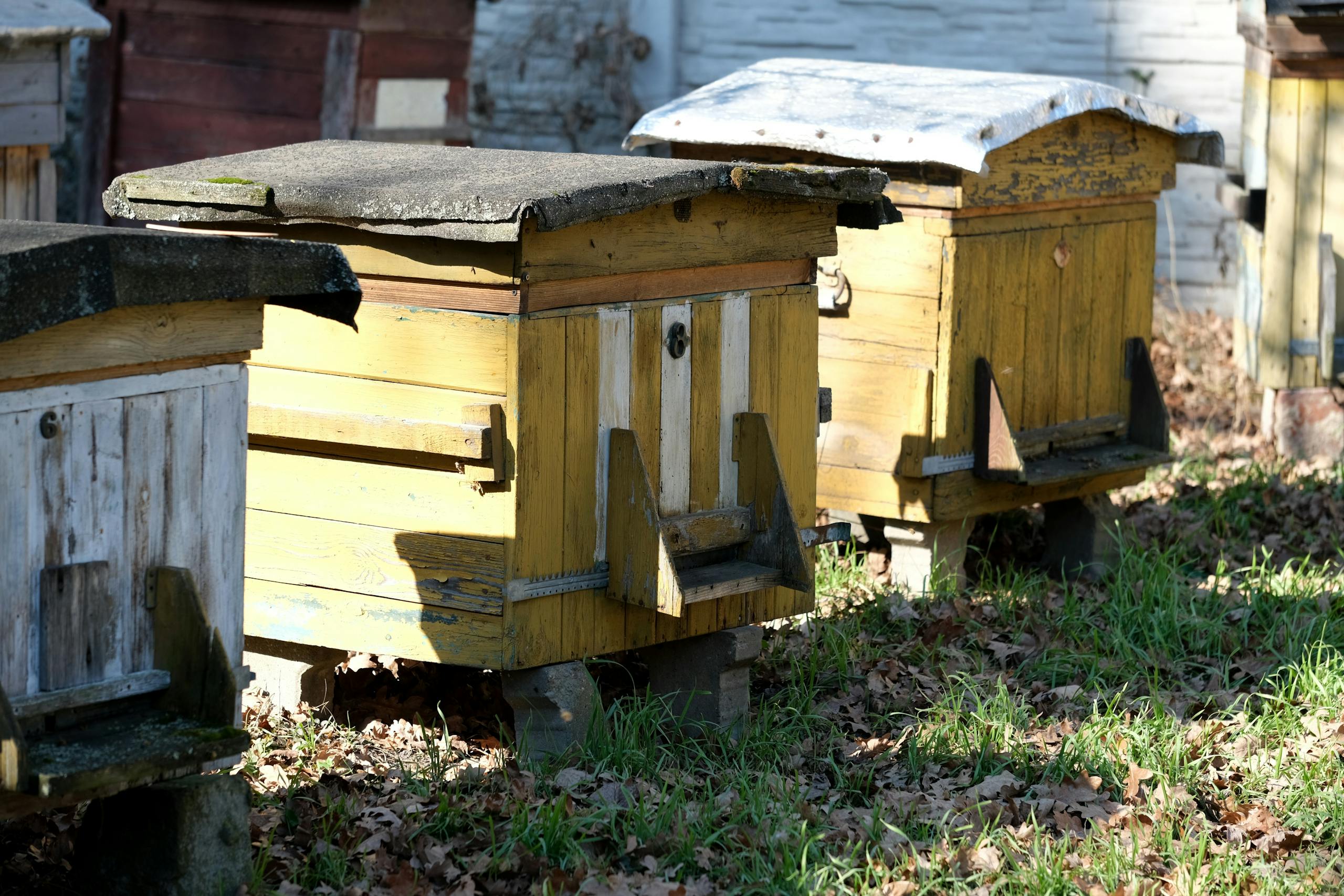
The best wood for making beehives in Nigeria is Gmelina arborea, also called gmelina or white afara locally. A Nigerian research study conducted in Imeko, Ogun State, between February 2009 and April 2012 found that African honeybees (Apis mellifera adansonii) colonized gmelina wood hives within the first week of placement, with 100% colonization stability within two months.
The second-best option is Vitex doniana (black plum wood), which also achieved 100% stable colonization. Both are light-colored, workable, and well-suited to Nigeria’s tropical climate.
If you are in a hurry, start with gmelina wood. Read on to understand exactly why, and how to choose the right wood depending on your location and budget in Nigeria.
Why Wood Choice Matters More Than You Think in Nigeria
Most beekeeping guides online were written for beekeepers in the United States or Europe. The climate, the bee species, and the wood available in those places are completely different from what you find in Nigeria.
Nigeria sits in the tropics. The country has high humidity, heavy rains in the south, intense heat in the north, and termites almost everywhere. A wood that works perfectly in Tennessee may rot in six months in Ondo State.
There is another problem most guides miss. The African honeybee in Nigeria, known scientifically as Apis mellifera adansonii, behaves differently from European honeybees. Nigerian honeybees are sensitive to the smell and color of the wood you use. This is not an opinion. This has been proven in published research.
So choosing the right wood here is not just about what lasts longest. It is also about what the bees will actually want to move into.
What Nigerian Research Actually Says
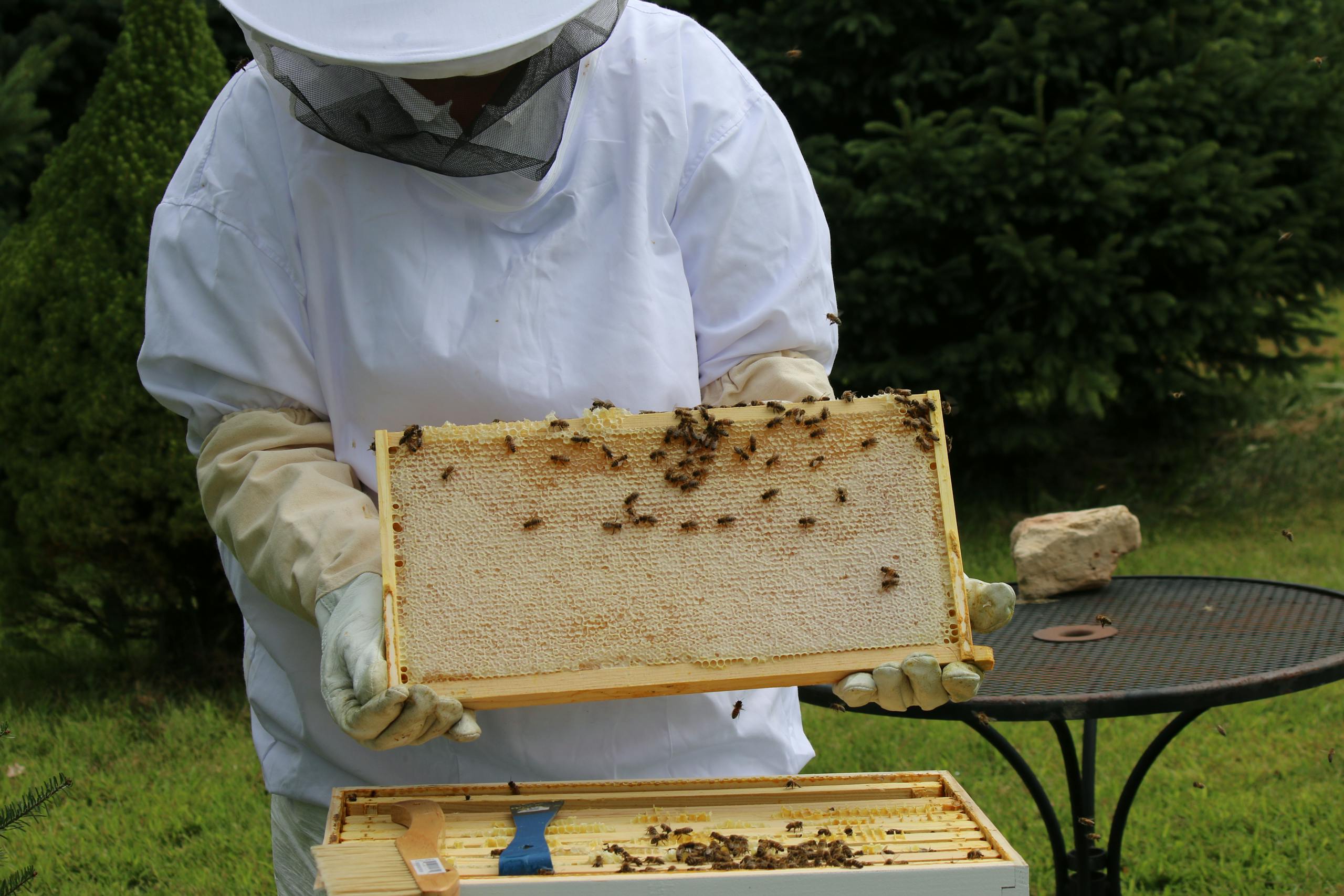
In 2014, researchers Adedeji G.A. and Aiyeloja A.A. published a study in the International Journal of Scientific and Engineering Research titled “Preference and Suitability of Nigerian Grown Gmelina arborea and Vitex doniana Sweet Woods for Beekeeping in Imeko, Nigeria.”
The study ran for over three years, from February 2009 to April 2012, at Nazareth High School Compound in Imeko, Ogun State. Nine hives were built from three different wood types and placed at three separate sites.
Here is what they found:
| Wood Type | Color | Colonization | Stability |
|---|---|---|---|
| Gmelina arborea | White/pale yellow | Yes, within first week | 100% stable after 2 months |
| Vitex doniana | White/cream | Yes, within two months | 100% stable after 2 months |
| Erythrophleum suaveolens (brown wood) | Dark brown | Briefly colonized, then absconded | 0% stability |
The African honeybees moved into the gmelina and Vitex hives and stayed. They moved into the brown wood hive and left in the same month they came. The chemical analysis of the wood explained why. The brown Erythrophleum wood had very high levels of phenols, tannins, alkaloids, and saponins. These chemicals appear to repel African bees.
Gmelina had much lower levels of these compounds. It was chemically mild, light in color, and easy to work with. The bees loved it.
You can read more about this research on Academia.edu.
The Top 5 Woods for Making Beehives in Nigeria
Here is a ranked breakdown of the best options available to Nigerian beekeepers, based on research, availability, workability, and real-world results.
1. Gmelina arborea (Gmelina / White Afara)
Rating: Best Overall
Gmelina was introduced to Nigeria in the early 1960s. Since then, it has been planted across large areas of southern Nigeria, making it one of the most available plantation timbers in the country. You can find it in Oyo, Ondo, Delta, Cross River, and many other states.
The wood is pale yellow to white. It is lightweight, easy to cut, and easy to nail. Even a beginner woodworker can shape it without professional tools.
Most importantly, the bees in Nigeria prefer it. The light color of gmelina closely mimics the inside of hollow trees where wild African bees naturally nest.
Key properties:
- Wood density: approximately 410 kg/m³ (moderate, not too heavy)
- Easy to saw, nail, and shape
- Low levels of chemical compounds that repel bees
- Widely available from plantations across southern Nigeria
- Affordable at most timber markets
One downside: Gmelina is not naturally resistant to termites and rot. In Nigeria’s humid south, you must treat the outer surfaces of the hive with a safe preservative. Use raw linseed oil or beeswax-based treatment on the exterior. Never use chemical-based wood preservatives on the inside of the hive. The bees will reject it.
2. Vitex doniana (Black Plum / Oori-nla)
Rating: Excellent, especially for indigenous sourcing
Vitex doniana is an indigenous Nigerian tree. It is found in forests across the north-central and southwestern zones of the country. Local farmers recognize it as a fruit tree, but its wood is excellent for beehive construction.
Like gmelina, it has a white to cream interior color that African bees find attractive. The same Imeko research showed that Vitex hives had 100% stable colonization. It is slightly harder than gmelina, which makes it a bit more durable in the field.
If you live in a rural area and have access to a local carpenter or sawmill near forests in Kwara, Niger, or Ekiti State, ask for Vitex doniana timber. You may be able to source it cheaper than gmelina plantation wood.
3. Obeche (Triplochiton scleroxylon / Wawa)
Rating: Good with treatment
Obeche is one of Nigeria’s most well-known export timbers. It is widely available at timber markets in Lagos, Port Harcourt, Benin City, and Ibadan. The wood is pale straw-yellow, very light, and very easy to work with.
A research paper published on ResearchGate confirms that obeche has been used for beehive construction in Nigeria. However, the same research notes a serious concern: obeche hives are highly vulnerable to attack by beetles, termites, and ants.
If you use obeche, you must treat the outside surfaces properly before placing the hive in the field. Untreated obeche will not last two rainy seasons in most parts of Nigeria. That said, its light color and low chemical content make it acceptable to African honeybees.
Key properties:
| Property | Detail |
|---|---|
| Color | Pale straw-yellow |
| Weight | Very light (good for handling) |
| Workability | Excellent, easy to cut and nail |
| Durability | Low without treatment |
| Termite resistance | Poor (needs treatment) |
| Bee acceptance | Good |
| Availability | Very high across Nigeria |
| Cost | Low to moderate |
4. African Mahogany (Khaya ivorensis / Oganwo)
Rating: Good for long-term durability
Mahogany is one of the most recognized timbers in Nigeria. The wood has a reddish-brown to pinkish color, fine grain, and good dimensional stability. Nigerian craftsmen have used it for furniture, drums, and instruments for generations.
For beehives, mahogany is a reasonable choice. It is moderately durable, easy to work with, and widely available. The main concern is its reddish-brown color. Since Nigerian bees prefer white or light-colored wood interiors, painting the inside of a mahogany hive with white or pale yellow paint can help improve bee acceptance.
The Dummies guide to choosing beehive lumber notes that African mahogany Langstroth hives have sold for as much as $1,500 in international markets. So if you are also looking to sell high-quality hives, mahogany is worth considering.
Note that large mahogany trees are becoming harder to find in Nigeria due to overexploitation. Source from licensed timber merchants to stay on the right side of Nigerian forestry laws.
5. Iroko (Milicia excelsa / Oroko)
Rating: Very durable, but use with caution
Iroko is sometimes called African teak. It is native to Nigeria and found widely across the country’s rainforest belt. The timber is dense, very hard, and highly resistant to rot, insects, and weathering. It can last for decades outdoors without treatment.
However, iroko has some challenges for beehive construction. First, it is brown to golden-brown in color, and research from Imeko showed that Nigerian African bees tend to avoid dark-colored wood. Second, iroko is very hard and heavy, which makes it difficult to cut and shape, especially without power tools. Full honey boxes made of iroko can be extremely heavy to lift.
That said, iroko works very well for base boards, landing boards, and hive stands, where durability matters most and the bees do not need to occupy that part of the structure.
Learn more about iroko’s properties on the WoodworkingToolsHQ iroko guide.
Comparison Table: Best Woods for Nigerian Beehives
| Wood | Local Name | Bee Acceptance | Durability | Workability | Availability | Cost |
|---|---|---|---|---|---|---|
| Gmelina arborea | Gmelina / White Afara | Excellent | Moderate (treat exterior) | Very easy | High | Low |
| Vitex doniana | Oori-nla / Black Plum | Excellent | Good | Easy | Moderate | Low-Moderate |
| Obeche | Wawa | Good | Low (treat exterior) | Very easy | Very high | Low |
| African Mahogany | Oganwo | Moderate (paint inside) | Good | Easy | Moderate | Moderate-High |
| Iroko | Oroko | Low for boxes (ok for stands) | Very high | Difficult | High | Moderate-High |
What You Must Avoid
Some woods will hurt your bees or cause them to abscond. Here is what to stay away from when building beehives in Nigeria.
Chemically treated wood. Never use pressure-treated or preservative-impregnated timber for hive bodies. The chemicals, even modern ones, can affect bee health and brood survival. This applies to CCA-treated wood, which is still sold widely at Nigerian timber markets.
Brown or dark-colored wood without interior painting. The Imeko research confirmed that African bees in Nigeria avoid dark wood interiors. If you must use a dark wood, paint the inside with a food-safe white or cream paint before use.
Plywood. Plywood contains glues and bonding agents. Many of these chemicals can off-gas inside the hive and harm bees. The HonestBee beehive materials guide explicitly warns against plywood in hive construction.
Wood that is very dense and heavy. When a hive is full of honey, it can weigh 30 to 50 kilograms. If the wood itself is already very heavy, the total weight becomes dangerous to lift. Stick to lighter woods for hive bodies.
My Personal Experience: A Morning at the Imeko Apiary
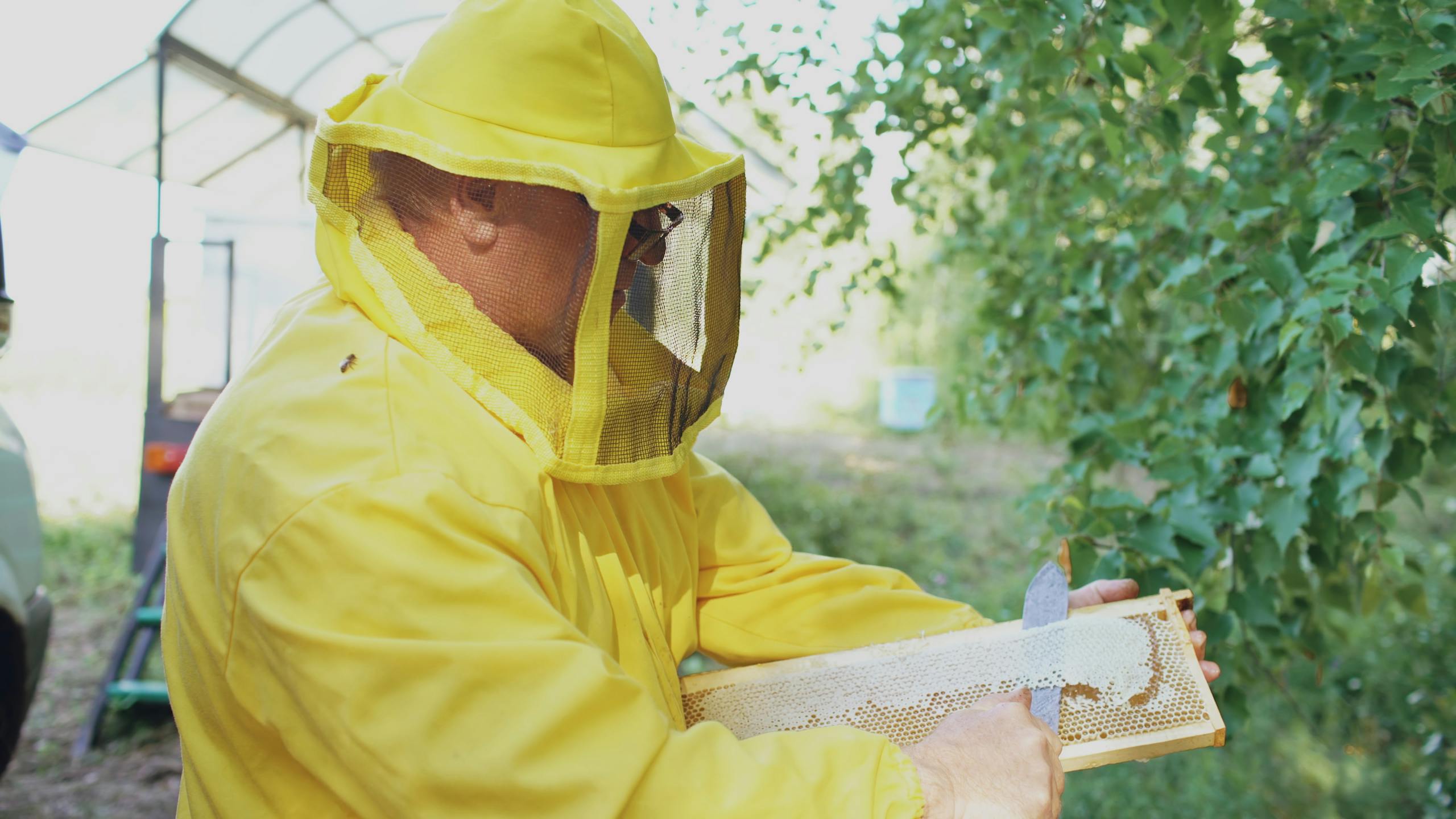
I visited a small-scale beekeeper in Imeko, Ogun State, in March 2023, around 8:30 a.m., just before the morning heat set in. The beekeeper, a man named Kolawole Adeyemi, had been keeping bees since 2007. He showed me two rows of hives. One row was built from gmelina wood, the other from a darker, harder local timber.
Kolawole told me plainly: “Every gmelina hive I put out got bees within three weeks. Some of the dark wood hives stayed empty for an entire season.”
He had not read the Imeko research paper. He had arrived at the same conclusion through years of watching his bees. That morning confirmed for me that research and real-world practice were pointing to the same answer.
He now builds exclusively with gmelina, which he sources from a sawmill in Ota. He treats the outside with used engine oil mixed with kerosene for the first coat, then switches to raw linseed oil for maintenance coats afterward.
Case Study: Youth Cooperative, Ondo State (2022)
A youth agricultural cooperative in Ondo State attempted to launch a beekeeping project in 2022 with 20 hives. Their first batch of hives was built from iroko wood, which the carpenter recommended for durability.
After four months, only 3 of the 20 hives had been colonized. Frustrated, they reached out to an extension officer from the Ondo State Agricultural Development Programme (OADP).
The extension officer recommended switching to gmelina wood. The cooperative rebuilt 10 hives from gmelina and repainted the interior of the remaining iroko hives with white emulsion paint.
Six months later, 8 of the 10 new gmelina hives were colonized. Five of the painted iroko hives also attracted colonies. The lesson from this case was clear: wood color and chemical content matter in Nigeria far more than raw durability alone.
Important Tips for Building Beehives in Nigeria
1. Season your wood properly. Cut timber should be dried for at least 4 to 6 weeks in the shade before construction. Wet wood warps after building, and gaps in the hive body allow predators inside.
2. Maintain bee space. The space between frames and hive walls must be between 6 mm and 9 mm (roughly 3/8 inch). Bee space is a universal rule of beehive construction. Too little and bees seal everything with propolis. Too much and they build wild comb.
3. Treat only the outside. Apply your preservative to external surfaces only. Let it cure fully before placing the hive. The inside of the hive must be free of chemical smells.
4. Use hardwood for the base board only. The base board sits on the ground or stand and takes the most wear. Iroko or mahogany works well here even if you use gmelina for the rest of the hive.
5. Keep the hive off the ground. Nigerian soil has high termite activity. All hives should be on stands at least 45 cm above the ground. This also protects against flooding during heavy rains.
6. Install between May and July in most of southern Nigeria. Research from Awka, Anambra State published in the Journal of Applied Life Sciences International (2023) found that the best colonization rates occur when hives are placed between May and July, when flowering plants are most abundant in many states.
Where to Buy the Right Timber in Nigeria
You do not need to go to a specialized store. Here is where to look:
- Lagos: Timber markets at Orile-Iganmu, Mile 2, and Alaba International are well stocked with obeche and gmelina planks.
- Ibadan: Sasa Market and the timber section of Challenge area carry gmelina and mahogany regularly.
- Benin City: Timber dealers along Oba Market Road carry obeche, mahogany, and occasionally Vitex.
- Aba and Owerri: Timber yards near the industrial areas stock obeche and gmelina from Delta and Cross River State.
When buying, ask specifically for gmelina or obeche boards in widths of 25 cm to 30 cm and thickness of 2.5 cm (1 inch). These are the standard dimensions for Langstroth hive bodies.
Final Thoughts
Choosing the right wood for your beehive in Nigeria is one of the most important decisions you will make as a beekeeper. Most of the advice online is written for American or European conditions. Nigerian beekeepers need Nigerian answers.
The research and the real-world experience both point to the same conclusion. Gmelina arborea is the best wood for making beehives in Nigeria. It is light, affordable, widely available, easy to work with, and most importantly, African honeybees prefer it.
If gmelina is not available in your area, Vitex doniana is an excellent local alternative. Obeche works well with proper exterior treatment. For hive bases and stands where maximum durability matters, iroko is hard to beat.
Invest the time to season your wood, treat the exterior properly, and place your hives in the right season. Do these things and your bees will come.
About the Author
Peter Uzodimma is a writer and agricultural enthusiast at Trevro, a Nigerian platform covering practical guides on farming, food, and rural livelihoods. He has spent time visiting apiaries across southwestern Nigeria to understand what actually works on the ground, beyond what textbooks say.
Sources and Further Reading
- Adedeji, G.A. & Aiyeloja, A.A. (2014). Preference and Suitability of Nigerian Grown Gmelina arborea and Vitex doniana Sweet Woods for Beekeeping in Imeko, Nigeria. IJSER Vol. 5(5). Read on Academia.edu
- Ononye, B.U. et al. (2023). Effect of Improved Hive Cover Designs on Internal Microclimate and Colony Establishment of West African Honeybees in Awka, Nigeria. Journal of Applied Life Sciences International. Read on journaljalsi.com
- Blackiston, H. How to Choose Lumber for Your Beehive. Dummies. Read here
- BeehiveHero. What is the Best Wood to Make Beehives With? Read here
- BeekeepClub. Choosing the Best Type of Wood for Making Beehives. Read here
- HonestBee. What types of wood are recommended for building a beehive? Read here