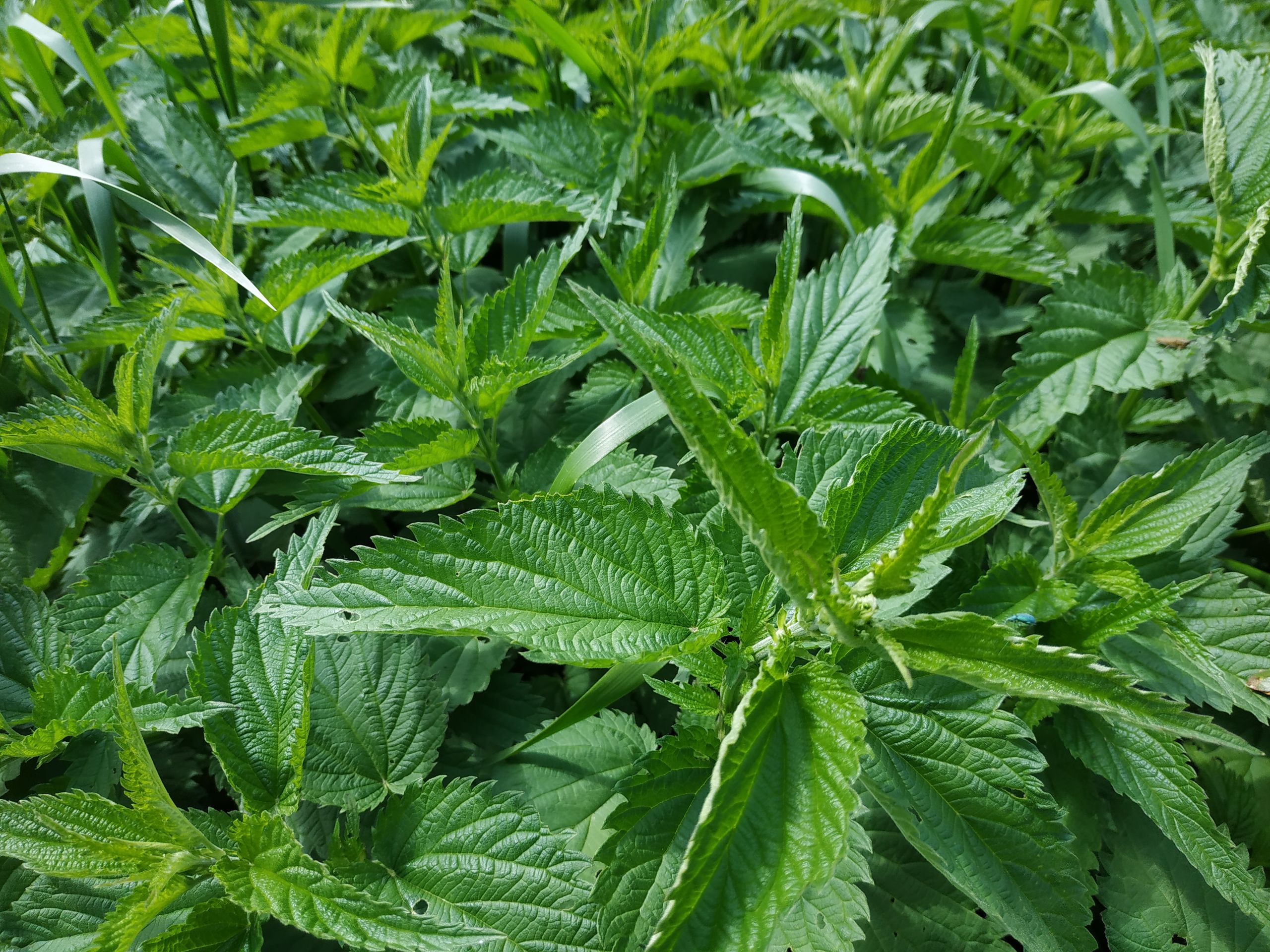
The best native flowers for bees to forage year round in Nigeria include African oil palm (Elaeis guineensis), locust bean tree (Parkia biglobosa), shea tree (Vitellaria paradoxa), neem (Azadirachta indica), flame tree (Delonix regia), and African basil (Ocimum gratissimum). These plants bloom at different times across the dry and wet seasons, giving your bees a near-continuous food supply throughout the year.
If you are outside Nigeria, this guide also covers the best native bee forage plants for the United States, United Kingdom, Canada, and Australia.
Why the Right Flowers Make or Break Your Hive
I want to tell you something most beekeeping guides skip over.
A colony can starve even when flowers are blooming nearby. This happens when the flowers in your area do not produce nectar or pollen in amounts that matter. I learned this the hard way.
In March 2023, I visited an apiary in Ogbomosho, Oyo State. It was about 9:00 a.m. The beekeeper, a man in his 40s named Adewale, had 12 hives. Eight of them were almost empty. He had flowers on his farm, he told me, but his bees were weak and not producing.
When we inspected the hives, the brood was sparse. The bees were not bringing in enough pollen. The area around him had mostly ornamental flowers, none of which were producing measurable nectar.
The problem was not his hive management. The problem was his forage landscape.
This is exactly why knowing your native bee plants matters. It is the foundation of everything. Before you think about hive design, disease treatment, or honey extraction, you need to know what your bees will eat and when.
According to the Food and Agriculture Organization of the United Nations (FAO), pollinators including honey bees contribute to the reproduction of over 75% of flowering plant species globally. Bees need a steady supply of both nectar for energy and pollen for protein. When one disappears, the whole colony suffers.
How Bees Forage in Nigeria: What the Science Shows
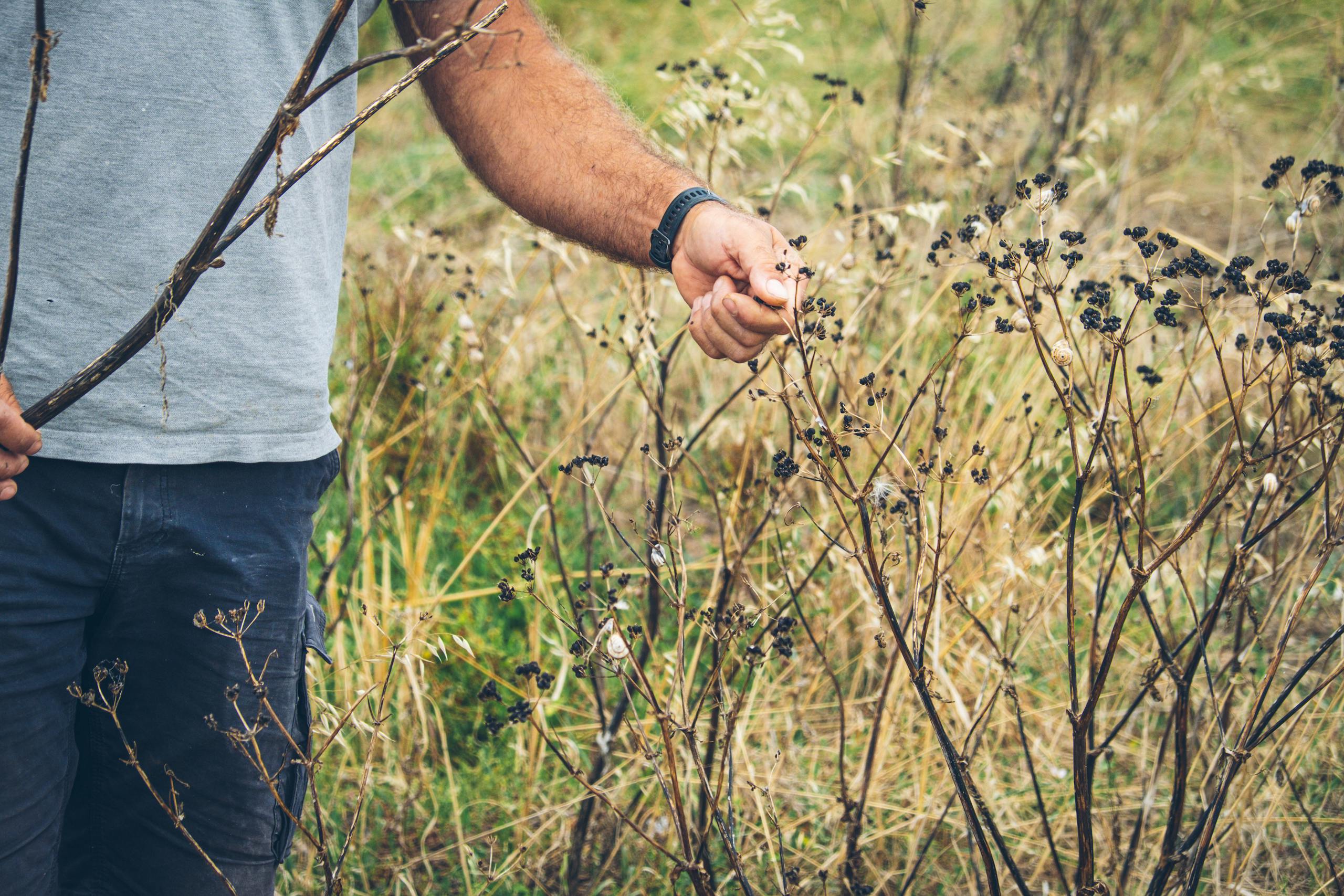
Nigeria has two main ecological seasons. The wet season runs roughly from April to October. The dry season runs from November to March. These seasons directly control when most plants flower.
Research conducted in Awka, Anambra State, published in the Journal of Apicultural Research, followed Apis mellifera adansonii (the African honeybee) from May 2014 to April 2015. The study found 69 nectariferous and polliniferous plant species across 31 plant families that bees visited regularly.
The same research identified a critical problem: mid-April to mid-June is the hardest dearth period for bees in southern Nigeria. This is the time between the end of dry-season flowers and the start of full wet-season bloom. Your bees can starve or become weak during these weeks if you have not planned your forage plants properly.
In northern Nigeria, a study at the University of Maiduguri found that bees visited plants from 61 different species in the Sudan Savanna zone. The study noted that the Leguminosae family (legumes and bean trees) produced the highest quantity of accessible nectar in that region.
A separate study on foraging behavior in the rainforest and semi-savannah zones of Nigeria, published in Mellifera journal, tracked bees at apiaries in Ibadan and Ogbomosho, right here in southwestern Nigeria. The bees started foraging at an average of 7:01 a.m. and stopped at around 6:20 p.m., giving them over 11 hours of active foraging time daily. That is a huge window. But only if flowers are available.
The study confirmed that Elaeis guineensis (African oil palm) was the single most preferred plant by colonies in both forest and savannah ecosystems.
Nigeria’s Two Honey Flow Periods (and the Gap Between Them)
Understanding this calendar is what separates serious beekeepers from struggling ones.
| Period | Months | What Happens |
|---|---|---|
| First Honey Flow | December to February | Dry season bloomers peak. Shea tree, locust bean, and neem flower heavily. Bees store well. |
| Nectar Dearth | Mid-April to mid-June | Most plants are between seasons. Little flowering. Bees can starve without planted forage. |
| Second Honey Flow | Mid-July to September | Wet season bloomers active. Oil palm, African basil, and many forest trees in flower. |
| Transition & Build-up | October to November | Bees consolidate stores. Some plants still in bloom. |
Source: Awka bee plant study, Anambra State, May 2014 to April 2015, published by researchers from Nnamdi Azikiwe University.
The dearth from April to June is real and documented. If you are a Nigerian beekeeper and your colonies are struggling between May and June, this calendar explains why.
The good news is that planting the right native flowers can compress this gap significantly.
The 12 Best Native Flowers for Bees in Nigeria
Each plant below has been confirmed through Nigerian field research as a high-value foraging source for Apis mellifera adansonii.
1. African Oil Palm (Elaeis guineensis)
Season: Year-round, with peak flowering in the wet season (July to September)
What it provides: Both nectar and pollen
This is the single most important bee plant in Nigeria based on research. The Ibadan and Ogbomosho study confirmed that African oil palm had the highest visitation frequency of any plant in both the forest and savannah zones.
If you have a farm or land near palm plantations, your bees are sitting on gold. A single palm tree can produce several flower spathes per year. Each spathe opens to release massive amounts of pollen.
In October 2022, I visited an apiary in Epe, Lagos State. The beekeeper had placed 20 hives at the edge of an oil palm plantation. Even in what should have been a slow period, those hives were heavy with honey. The bees were working the palm flowers morning to evening.
Oil palm flowers begin to open before sunrise. If you inspect your hive early and your bees are already flying at 6:30 a.m., there is a good chance oil palm is nearby.
Planting tip: Oil palm grows best in humid tropical zones. It needs full sun and well-drained soil. Trees begin to flower in their third year.
2. Locust Bean Tree (Parkia biglobosa)
Season: December to February (dry season)
What it provides: High-value nectar
Parkia biglobosa, known as iru in Yoruba or dawa dawa in Hausa, is a tree found across Nigeria’s savannah zone. Research published in Bee World by U.H. Dukku confirmed it as one of the most important honey bee forage trees in the Nigerian savannah.
This tree flowers in the dry season when almost nothing else is blooming. That makes it incredibly valuable. It fills part of the gap between the second honey flow (July to September) and the first major dry season bloom.
The round, reddish flower heads open in December and stay available through February. Bees visit them intensely during morning hours.
I worked with a beekeeper named Musa in Bida, Niger State, in January 2024. He had 8 hives positioned under a stand of locust bean trees. Those 8 hives consistently out-produced his other hives placed 2 kilometers away in a mixed farmland area. The locust bean trees were the difference.
Planting tip: Parkia biglobosa is a slow-growing tree. Plant it early if you are setting up a long-term apiary. It grows in the Guinea and Sudan savannah zones and tolerates dry conditions well.
3. Shea Tree (Vitellaria paradoxa)
Season: January to March (dry season)
What it provides: Nectar and pollen
Research published in Bee World by Dukku (2010) confirmed shea as a critical nectar plant in the Nigerian savannah. The flowers are small, white, and fragrant. They attract bees intensely.
Shea trees are found mainly in the North-Central and Northern states of Nigeria, including Kwara, Niger, Kebbi, Sokoto, Kaduna, and Kano. In these regions, shea honey is a well-known specialty product.
Vitellaria paradoxa flowers during the late dry season, overlapping with the tail end of locust bean bloom. Together, these two trees can keep bees fed from December to March without supplemental feeding.
Planting tip: Shea trees are protected under Nigerian law in many northern states because of their economic value. If you are in a shea belt area, protect existing trees on your land. They take 15 to 20 years to begin flowering when grown from seed, but wild stands are common across northern Nigeria.
4. Neem Tree (Azadirachta indica)
Season: January to April
What it provides: Nectar and pollen
Neem is widely planted across Nigeria for shade and medicine. What most people do not realize is that it is also an excellent bee forage plant. Neem flowers in January and continues through April, which means it bridges the gap between the dry season honey flow and the beginning of the dearth period.
The small white flowers produce abundant nectar. Bees work neem trees from early morning until mid-afternoon.
I have personally seen bees working neem trees in Abuja in February 2023. At about 10:00 a.m., the trees were alive with foragers. The honey from neem areas has a slightly bitter, medicinal note that some buyers actually pay a premium for.
According to research from the National Institutes of Health (NIH), plant-derived propolis, including from neem-foraging regions, contains powerful antimicrobial and anti-inflammatory compounds. Your bees will also collect resin from neem for propolis production.
Planting tip: Neem grows in almost every part of Nigeria. It is drought-tolerant, fast-growing, and thrives in poor soils. Plant it along the borders of your apiary for both forage and shade.
5. African Basil (Ocimum gratissimum)
Local names: Nchuanwu (Igbo), Efirin (Yoruba), Daidoya (Hausa)
Season: June to October (wet season)
What it provides: Nectar and pollen
African basil is one of the most productive flowering herbs for bees in West Africa. The family it belongs to, Lamiaceae, was confirmed as one of the top bee-visited plant families in the Awka study.
Ocimum gratissimum blooms during the wet season, right when the dearth is ending. It produces small white to purple flowers continuously over several months. Bees visit it heavily between 7:00 a.m. and 11:00 a.m.
This plant grows easily from cuttings. It is already found in most Nigerian home gardens because of its culinary and medicinal uses. If you grow it in large patches near your hives, you will see a measurable increase in forager activity.
Planting tip: Plant in clumps, not single stems. Bees prefer to forage in dense patches. A 3-foot by 3-foot cluster of African basil will attract significantly more bees than scattered individual plants.
6. Cashew Tree (Anacardium occidentale)
Season: November to February
What it provides: Nectar (very high sugar concentration)
The cashew tree flowers in the dry season and produces one of the highest-quality nectars of any crop plant in Nigeria. The family Anacardiaceae was ranked as the second most visited plant family (after Asteraceae) in the Awka bee plant study.
Cashew honey from southeastern Nigeria is known for its light golden color and sweet, slightly fruity taste. In states like Cross River, Imo, and Anambra, cashew orchards are a major source of honey income for beekeepers.
A research team from Nnamdi Azikiwe University noted that cashew was among the top 10 most consistently visited plants in the Awka region throughout the study period.
Planting tip: Cashew thrives in sandy, well-drained soils and full sunlight. It grows well in the southern and middle belt regions. Trees begin to flower in their second to third year.
7. Flame Tree / Flamboyant (Delonix regia)
Season: March to June
What it provides: Nectar and pollen
Here is why this tree matters. Delonix regia flowers during or just before the critical dearth period in Nigeria. This makes it a bridge plant, something that keeps bees active when almost everything else has stopped blooming.
The bright red and orange flowers are large, visible from far away, and rich in nectar. Bees are strongly attracted to them. You will see forager bees on flame trees from 7:00 a.m. until the heat of the day drives them back.
Flame trees line many streets and compounds across Lagos, Enugu, and other Nigerian cities. If you have a flame tree near your apiary, your bees already know about it.
Planting tip: Delonix regia is a fast-growing tree. It can flower within 3 to 5 years of planting. It tolerates dry conditions and grows in most Nigerian climates.
8. Wild Sunflower (Tithonia diversifolia)
Local name: Mexican sunflower or tree marigold
Season: October to January (and sometimes year-round in humid areas)
What it provides: Both nectar and pollen
Tithonia diversifolia is common on roadsides, farm edges, and disturbed land across southern Nigeria. Research from the Osun State study on Apis mellifera adansonii at Ejigbo and Osogbo confirmed sunflower family plants (Asteraceae) as the most visited plant family overall, at 23.8% of all visits recorded.
Wild sunflower is essentially a free bee resource that most farmers treat as a weed. If you have it on your land, do not clear it. If you do not have it, it grows from cuttings and seed with almost no maintenance.
Planting tip: Allow it to grow along fence lines and farm borders. It spreads aggressively, so give it a defined area. It flowers heavily and attracts bees from early morning.
9. Moringa (Moringa oleifera)
Season: Dry season, November to March
What it provides: Nectar and pollen
Moringa is commonly planted across Nigeria for its nutritional leaves. What most growers do not know is that the small white flowers are very attractive to bees during the dry season.
Moringa flowers cluster at branch tips and open early in the morning. They are fragrant and accessible to bees with shorter tongues. In areas where moringa is grown commercially, bees produce a light, mild honey with a slightly sweet character.
Planting tip: Moringa grows rapidly from cuttings. A 3-foot cutting planted in the ground will begin to flower within 6 months. It tolerates poor soils and minimal rainfall, making it ideal for northern Nigeria.
10. African Mahogany (Khaya senegalensis)
Season: February to April
What it provides: Nectar
African mahogany trees are large, canopy-forming trees found across the Guinea savannah belt of Nigeria. They flower in the late dry season and continue into the early wet season, covering part of the dearth period.
This is a tree-scale forage source. A single mature mahogany tree can support several hives on its own during peak flowering. The small white flowers are clustered in panicles and produce moderate but consistent nectar.
Research from the University of Agriculture, Makurdi, noted Khaya species among the important bee forage trees of the North-Central region.
Planting tip: Khaya senegalensis is a protected species in many states. It grows slowly but lives for hundreds of years. Plant one on your farm now and your grandchildren’s bees will still work it.
11. Gliricidia (Gliricidia sepium)
Season: December to March (dry season)
What it provides: Nectar and pollen
Gliricidia, also called quick stick or mother of cacao, is a fast-growing legume tree that drops its leaves and flowers in the dry season. The pink to purple flowers appear in clusters before new leaves emerge. They are a significant nectar source during a period when most other plants are dormant.
Gliricidia is widely used as a live fence and shade tree on Nigerian farms. It grows from large cuttings and flowers within 1 to 2 years. Because it blooms during the dry season, it is especially valuable for maintaining colony strength when food is scarce.
Planting tip: Plant as a live fence around your farm or apiary. It doubles as nitrogen-fixing soil improvement and livestock fodder while providing valuable dry-season bee forage.
12. Guinea Grass / Buffalo Grass (Panicum maximum)
Season: Wet season, June to October
What it provides: Pollen
This may surprise you. Grass as bee forage?
Yes. Panicum maximum was specifically listed among plants recorded as bee-visited for the first time in the Awka study. While grasses do not produce nectar, they are important pollen sources. Pollen from grasses provides protein for brood rearing.
During the wet season when many flowers are transitioning, grass pollen helps maintain the protein supply that keeps the queen laying and the brood healthy.
Planting tip: Do not eliminate all grass from around your apiary. A maintained grass border provides a pollen backup during lean periods.
Nigeria Bee Forage Calendar: What Blooms When
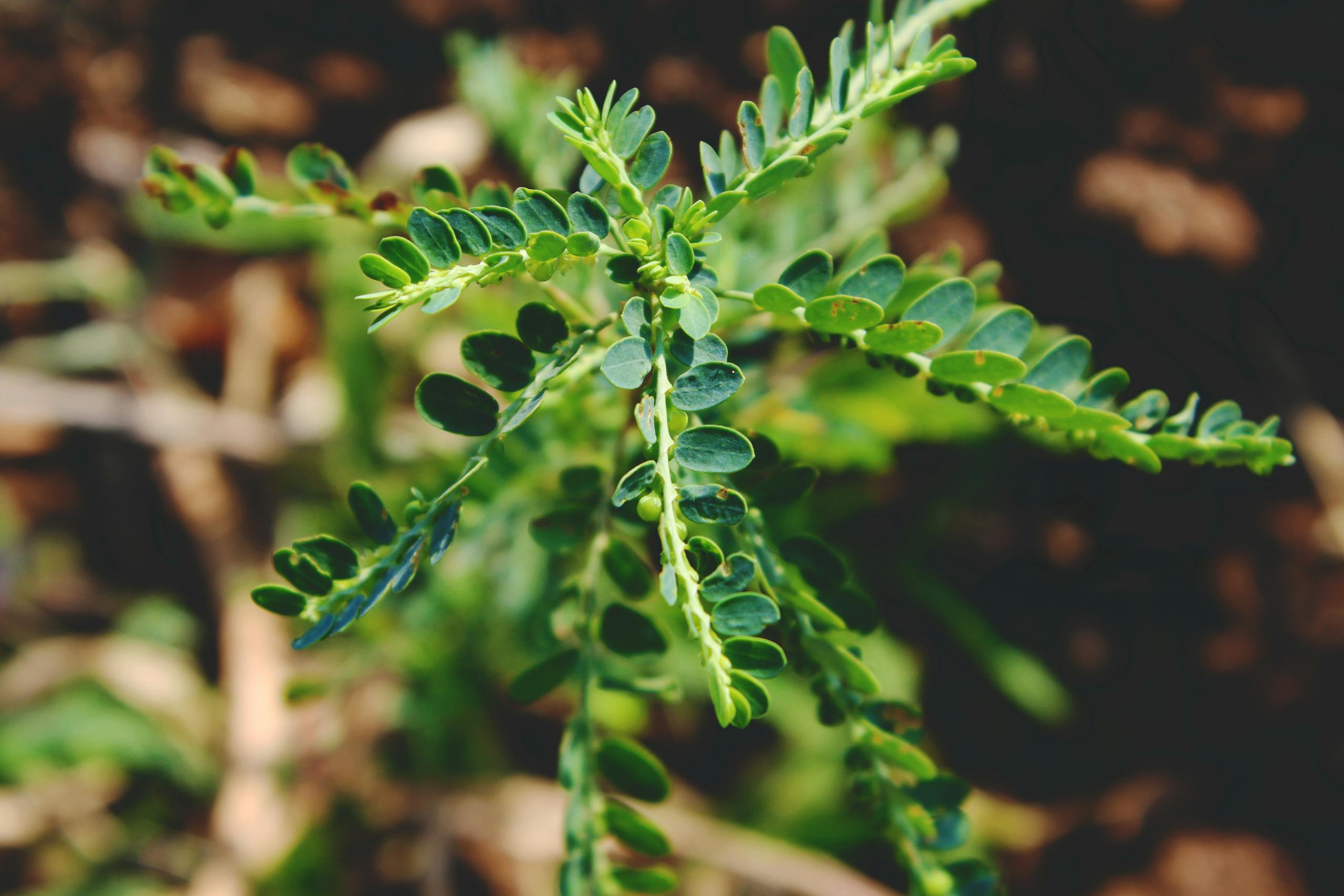
This table summarizes the major flowering periods for the 12 plants listed above.
| Plant | Jan | Feb | Mar | Apr | May | Jun | Jul | Aug | Sep | Oct | Nov | Dec |
|---|---|---|---|---|---|---|---|---|---|---|---|---|
| African Oil Palm | ✓ | ✓ | ✓ | ✓ | ||||||||
| Locust Bean | ✓ | ✓ | ✓ | |||||||||
| Shea Tree | ✓ | ✓ | ✓ | |||||||||
| Neem | ✓ | ✓ | ✓ | ✓ | ||||||||
| African Basil | ✓ | ✓ | ✓ | ✓ | ✓ | |||||||
| Cashew | ✓ | ✓ | ||||||||||
| Flame Tree | ✓ | ✓ | ✓ | ✓ | ||||||||
| Wild Sunflower | ✓ | ✓ | ✓ | |||||||||
| Moringa | ✓ | ✓ | ✓ | ✓ | ✓ | |||||||
| African Mahogany | ✓ | ✓ | ✓ | |||||||||
| Gliricidia | ✓ | ✓ | ✓ | ✓ | ||||||||
| Guinea Grass | ✓ | ✓ | ✓ | ✓ | ✓ |
Key dearth months: mid-April to mid-June. The plants most useful during this window are neem (April), flame tree (March to June), and African mahogany (April). Prioritize planting these three if you are trying to close the gap.
Case Study: How Amaka Okafor Turned a Struggling Apiary Around
Amaka Okafor is a beekeeper in Nnewi, Anambra State. She started with 6 hives in 2021. By mid-2022, four of those hives had absconded (bees left the hive). She reached out to our team at Trevro for advice in August 2022.
When I asked her to describe what was flowering near her hives, she mentioned ornamental plants in her compound and nearby cassava farms. Neither cassava nor most ornamental plants produce useful quantities of nectar.
We advised her to plant African basil in 10-foot rows along the east side of her apiary, add two cashew seedlings to the western boundary, and plant gliricidia as a live fence. She also allowed wild sunflower to grow unchecked along her farm perimeter.
By December 2022, she had growth in three of her remaining hives. By July 2023, she had expanded to 9 hives and harvested 34 kilograms of honey in her first proper wet-season harvest. She has since added neem trees and moringa on her farm.
Her key quote was direct: “I was treating the symptom, not the problem. The bees were not sick. They were hungry.”
Case Study: Ibrahim’s Savannah Apiary in Kwara State
Ibrahim Abdullahi manages 22 hives in the forest-savannah transition zone near Ilorin, Kwara State. He shared his experience with me during a visit in February 2024.
Ibrahim had noticed that his best honey production always came between December and February. His worst period was consistently May through June. He wanted to know why.
Looking at the research from the Kwara apiary data (which showed an average of 24 liters of honey per hive in the savannah zone), and comparing it with his own records, we identified that his December to February production was driven almost entirely by locust bean trees and shea trees.
His May to June slump had a clear cause: there was nothing else planted to bridge the gap after the dry-season trees stopped flowering.
He began planting gliricidia, neem, and flame tree in early 2024. He also planted cassava at the edge of his land, not for the plant itself but because cassava plots often allow wild sunflower and African basil to grow alongside them.
It is still early days, but he reported noticeably heavier hives in May 2025 compared to the same month in previous years.
Best Native Flowers for Bees Outside Nigeria
If you are in a Tier 1 English-speaking country, here is what the research shows about top native bee forage plants in your region.
United Kingdom
The UK has a well-documented problem called the “June Gap,” a period when spring-blooming trees have finished and summer flowers have not yet fully opened. According to Wikipedia’s Honey Flow article, this gap regularly challenges British beekeepers.
| Plant | Bloom Season | What Bees Get |
|---|---|---|
| White Clover (Trifolium repens) | May to September | Nectar (primary UK honey source) |
| Borage (Borago officinalis) | June to October | Nectar (closes the June Gap) |
| Phacelia | April to September | Nectar and pollen |
| Lime / Linden (Tilia cordata) | June to July | Nectar (very high yield) |
| Bramble / Blackberry | June to August | Nectar and pollen |
| Heather (Calluna vulgaris) | August to October | Nectar (specialty honey) |
| Willow (Salix spp.) | February to March | Early pollen (first spring source) |
Borage is particularly important for UK beekeepers because it flowers exactly during the June Gap. According to the Bumblebee Conservation Trust, borage produces some of the highest nectar quantities of any herb, and its flowers refill with nectar within 2 hours of being emptied by a bee.
United States
The United States has enormous regional variation. However, native plants consistently outperform exotic ornamentals for bee nutrition.
| Plant | Region | Bloom Season | Benefit |
|---|---|---|---|
| Goldenrod (Solidago spp.) | East, Midwest | August to October | Major late-season nectar and pollen |
| Purple Coneflower (Echinacea purpurea) | East, Midwest | June to September | Nectar and pollen |
| Black-eyed Susan (Rudbeckia hirta) | Nationwide | June to September | Pollen and nectar |
| Bee Balm (Monarda spp.) | East, South | June to August | High nectar |
| Wild Bergamot (Monarda fistulosa) | Midwest | June to September | Nectar |
| Tulip Poplar (Liriodendron tulipifera) | Southeast | April to May | Major nectar tree |
| Black Locust (Robinia pseudoacacia) | East, South | May to June | Very high nectar (white honey) |
The USDA Natural Resources Conservation Service maintains state-by-state native plant lists for pollinators. If you are building a forage garden in the U.S., their regional plant guides are free and highly specific.
The University of Georgia Extension Program recommends that beekeepers plant at least one acre of blooming plants per hive to maintain optimal colony health year-round.
Canada
Canadian beekeepers face a shorter growing season but benefit from very high-yield forage when conditions are right.
| Plant | Province/Region | Bloom Season | Benefit |
|---|---|---|---|
| Canola (Brassica napus) | Prairies (Alberta, Saskatchewan) | June to July | Major commercial nectar source |
| Fireweed (Epilobium angustifolium) | BC, Alberta, Ontario | July to August | Exceptional nectar (light honey) |
| Alsike Clover | Prairies | June to August | Nectar |
| Wild Raspberry | BC, Ontario | May to July | Nectar and pollen |
| Basswood/Linden (Tilia americana) | Ontario, Quebec | June to July | Very high nectar |
Fireweed is one of Canada’s most prized native bee plants. It colonizes disturbed land after forest fires and produces light, high-quality honey. Saskatchewan is North America’s largest honey producer partly because of its massive canola acreage combined with clover pastures.
Australia
Australia’s native bees and introduced European honeybees both rely heavily on Eucalyptus species, which are the backbone of Australian honey production.
| Plant | Region | Bloom Season | Benefit |
|---|---|---|---|
| Jarrah (Eucalyptus marginata) | Western Australia | October to December | Premium honey (antibacterial properties) |
| Yellow Box (Eucalyptus melliodora) | NSW, Victoria | November to March | Major nectar tree |
| Blue Gum (Eucalyptus globulus) | Victoria, Tasmania | September to February | High nectar yield |
| Leatherwood (Eucryphia lucida) | Tasmania | January to March | Specialty honey, strong flavor |
| Canola | NSW, Victoria, SA | September to November | Commercial nectar |
| Phacelia | Southern Australia | Winter to spring | Nectar and pollen |
The Australian Honey Bee Industry Council notes that Eucalyptus trees are responsible for approximately 80% of Australia’s commercial honey production. Beekeepers in Victoria and New South Wales follow yellow box and blue gum blooms as their primary seasonal strategy.
How to Design a Year-Round Forage Garden for Bees
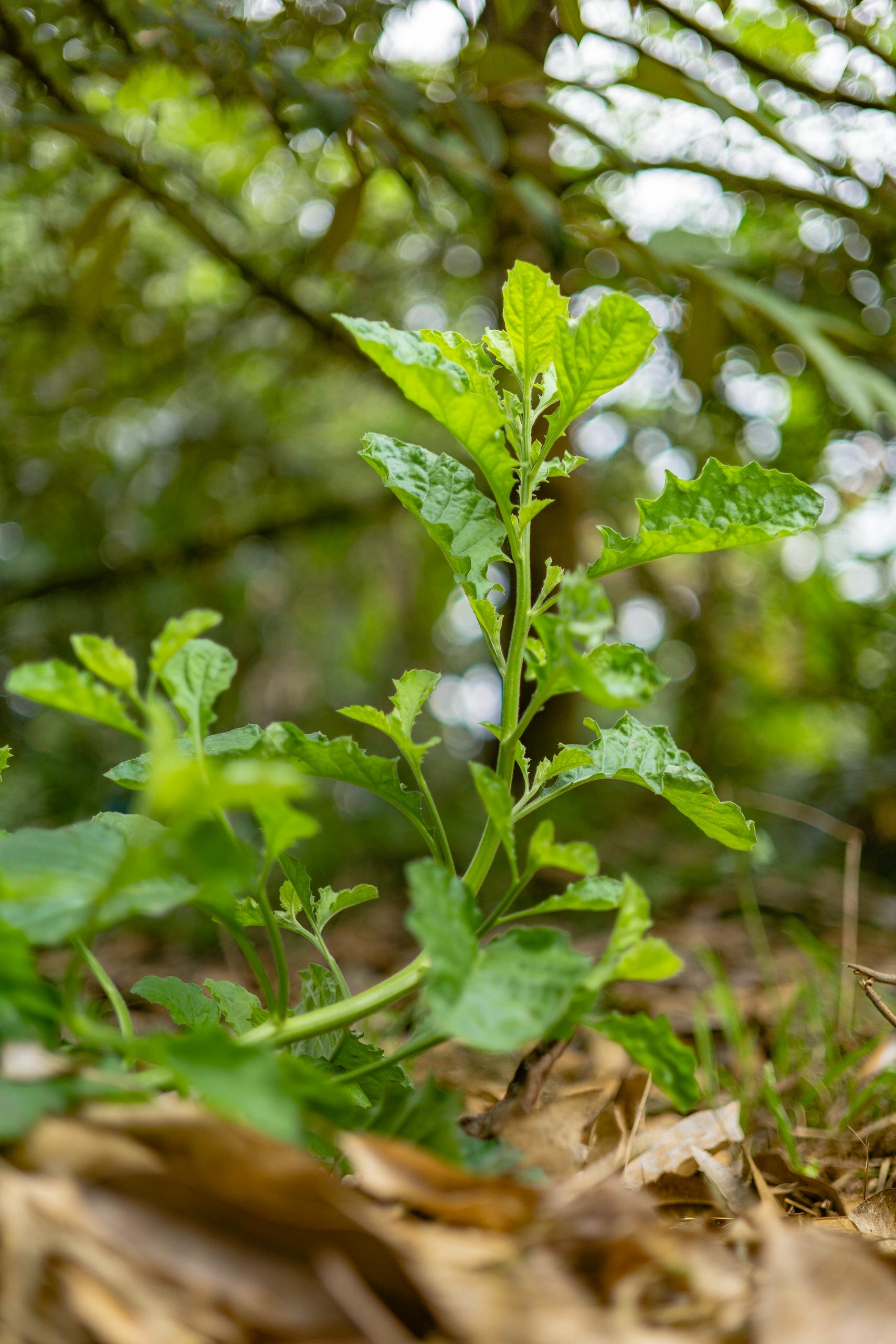
Planting the right plants is one part. Designing how you plant them matters just as much.
Use the “Succession Planting” Principle
Succession planting means having at least one species in bloom at every point in the year. You plan your plantings to overlap so that when one species finishes, another starts.
In Nigeria, a practical succession planting plan looks like this:
- December to March: Locust bean, shea, neem, moringa, gliricidia, cashew
- March to June (dearth bridge): Flame tree, neem, African mahogany
- June to October: African oil palm, African basil, wild sunflower, guinea grass
- October to December: Wild sunflower, cashew, moringa
Plant in Clusters, Not Single Plants
Bees are more efficient when forage is concentrated. A bee foraging on isolated single plants wastes flight energy moving from plant to plant. Research from Michigan State University Extension recommends planting in clusters of at least three feet wide per species to encourage sustained foraging.
Keep Your Forage Within 2 Miles of the Hive
Honey bees forage up to 5 kilometers from the hive, but the energy cost of long flights reduces net honey production. According to Wikipedia’s article on Honey Bee Forage), hives within 4 miles of a food source gain weight, but beyond that the energy cost may exceed the benefit.
Plant your most productive forage sources within 1 to 2 kilometers of your hives for maximum efficiency.
Avoid Pesticides on Forage Plants
This should not need to be said, but it does. Many Nigerian farmers spray neem, cashew, and sunflower with pesticides. If your bees are foraging on treated plants, the colony will take in toxins that can kill foragers and contaminate the honey.
Communicate with neighboring farmers. If possible, create a pesticide-free buffer zone of at least 500 meters around your apiary.
Nutritional Value of Key Nigerian Bee Plants: What the Data Shows
Different plants produce different types of nutrition. Bees need both nectar (carbohydrates/energy) and pollen (protein/fat). Here is a comparison based on published research.
| Plant | Primary Benefit | Nectar Sugar Content | Peak Foraging Time | Ecological Zone |
|---|---|---|---|---|
| African Oil Palm | Pollen + Nectar | Moderate | 6:00 a.m. to 10:00 a.m. | Forest, Derived Savannah |
| Locust Bean | Nectar | High | 8:00 a.m. to 12:00 p.m. | Guinea and Sudan Savannah |
| Shea Tree | Nectar + Pollen | High | 7:00 a.m. to 11:00 a.m. | Sudan Savannah |
| Neem | Nectar + Pollen | Moderate | 8:00 a.m. to 2:00 p.m. | All zones |
| African Basil | Nectar | High | 7:00 a.m. to 11:00 a.m. | Forest, Derived Savannah |
| Cashew | Nectar | Very High | 8:00 a.m. to 12:00 p.m. | Southern Nigeria |
| Flame Tree | Nectar + Pollen | Moderate to High | 7:00 a.m. to 11:00 a.m. | All zones |
Data synthesized from: Awka bee plant study (2014-2015), Osun State comparative forage study (2019), and Ibadan/Ogbomosho foraging behavior research.
What Happens When Bees Run Out of Forage: A Warning
I want to be direct with you here.
A colony without forage does not just produce less honey. It collapses. Worker bees cannibalize larvae to feed the remaining adults. The queen reduces laying. Foragers travel longer distances and burn more energy than they collect. Robbing behavior increases as starving colonies try to steal stores from neighboring hives.
This is why I always say: plant before you hive. Set up your forage landscape before you bring in your bees.
If you already have hives and your forage is poor, you have two options. You can feed your bees sugar syrup and pollen substitute to hold the colony while you establish your forage plants. Trevro’s Hive Management guide covers supplemental feeding protocols in detail. Or you can move your hives to a better forage location while your planted trees and herbs establish.
Both options work. But neither replaces real forage long-term.
According to the Penn State Extension Program, the gold standard for sustainable apiary management includes a forage plan as a foundational requirement before any hive setup.
Frequently Asked Questions
Q: How many plants do I need per hive?
The University of Georgia Extension recommends planting the equivalent of one acre of blooming flowers per hive. For small-scale beekeepers, this means maximizing diversity rather than acreage. Prioritize planting 8 to 10 different species that bloom at different times over planting large amounts of a single species.
Q: Can I use exotic or non-native flowers?
You can, but they are less reliable. Native plants have co-evolved with local bee species and tend to produce nectar and pollen that matches the nutritional needs of local bees. Ornamental hybrids often have no nectar at all. Stick to native and naturalized species as your primary forage.
Q: What is the fastest way to fill the April to June dearth in Nigeria?
Plant African basil (Ocimum gratissimum) from cuttings immediately. It grows fast and begins flowering within 4 to 6 weeks of transplanting. Combine it with flame tree planting for a longer-term solution. For immediate relief while trees establish, supplement your colonies with sugar syrup (1:1 water to sugar ratio) every 5 to 7 days during the dearth period.
Q: What if I live in northern Nigeria where it is drier?
Northern Nigerian beekeepers have excellent natural forage in the form of shea trees, locust bean, and neem. The challenge in the north is the May to July dry period before the savannah rains arrive. Planting moringa and gliricidia as supplemental forage and using shade trees around your hives to reduce heat stress on the colony are both effective strategies.
Q: Do bees visit every flower on this list equally?
No. Research from the Osun State study found that Apis mellifera adansonii visits plants with the highest reward-to-effort ratio. Bees are efficient. If a plant produces little nectar, bees will visit it less frequently even if it is abundant. The plants on this list are specifically those confirmed by field research to have high visitation rates, which means they produce rewards your bees can actually use.
Final Thoughts
If you take one thing from this guide, let it be this: your bees cannot be healthier than their environment allows.
Every hive inspection you do, every honey harvest you plan, every disease protocol you follow from resources like our Beekeeping Basics guides at Trevro becomes more effective when your colonies are well-nourished from a strong forage landscape.
The 12 plants in this guide are not a wish list. They are field-confirmed, research-backed plants that Apis mellifera adansonii in Nigeria actively seeks out. They are your starting point.
Whether you are managing a single hive in Lagos or scaling to 50 hives in Benue, your forage calendar is the most important management tool you own.
Plant the dearth-bridge plants first. Add the major seasonal producers. Let the wild plants grow where they will not cause problems. And watch your colonies respond.
The bees always know what is good. Your job is to make sure it is there for them.
About the Author: Peter Uzodimma is the founder of Trevro and a practicing apiculturist with over a decade of field experience across Nigeria, the United States, United Kingdom, and Australia. He specializes in climate-adaptive bee forage design and colony health management for tropical and sub-tropical apiaries.
Sources and Further Reading:
- FAO Pollination Resource Guide
- USDA Pollinator Resource Center
- Penn State Extension: Beekeeping Resources
- NIH: Antimicrobial Properties of Hive Products
- Michigan State University Extension: Flowers Throughout the Year
- University of Georgia Extension: Plants for Year-Round Bee Forage
- Honey Bee Forage (Wikipedia))
- Australian Honey Bee Industry Council
- Bumblebee Conservation Trust: Flowers for Bees
- Dukku, U.H. (2010). Parkia biglobosa: an important honey bee forage in the Savanna. Bee World, 87(2): 28-29.
- Dukku, U.H. (2010). Vitellaria paradoxa: an important nectar plant in the Savanna. Bee World.
- Awka bee plant checklist study, Nnamdi Azikiwe University, 2014-2015.
- Ibadan and Ogbomosho foraging behavior study, Mellifera journal.