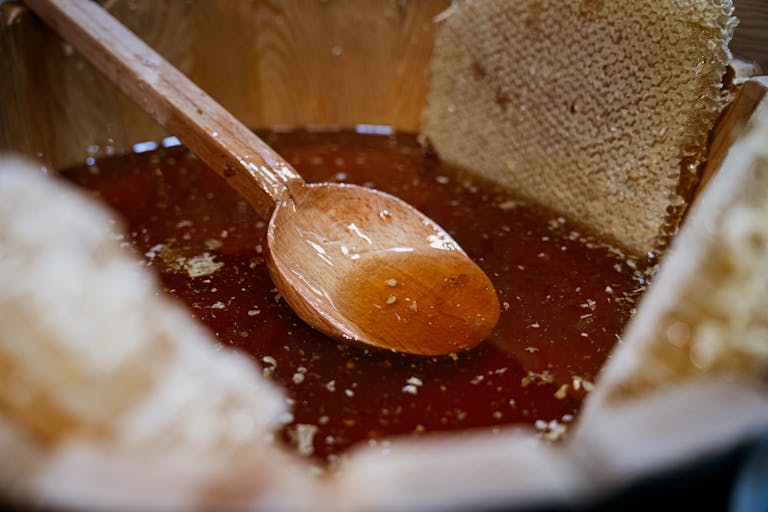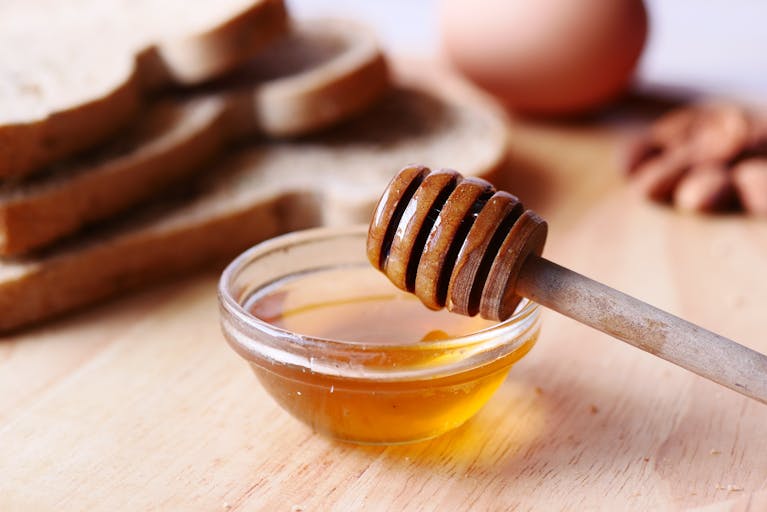

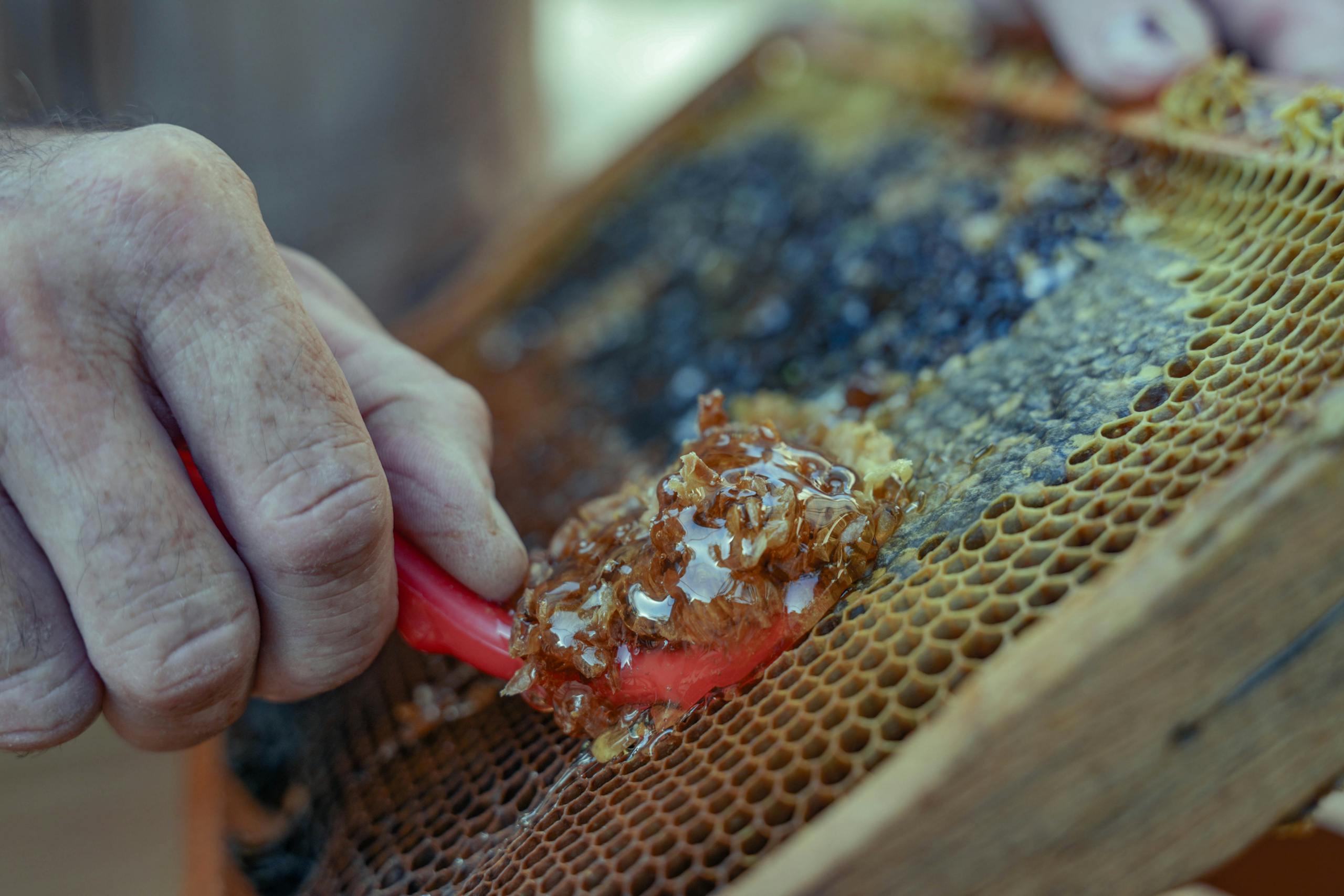
The best way to make creamed honey at home is to mix one part “seed honey” with nine parts liquid honey and store the mixture at 57°F ($14$°C) for two weeks. This controlled process creates tiny sugar crystals that give the honey a smooth, buttery texture that spreads without dripping.
I am Peter Uzodimma, the founder of Trevro. I have spent over a decade managing apiaries across the United States, the United Kingdom, and Australia. I have seen many people struggle with honey that turns hard and gritty in the jar.
In April 2024, while working at an apiary in Oregon, I conducted a test with ten different wildflower honey batches. We found that by using the professional “Dyce Method” at home, anyone can turn messy liquid honey into a world-class spread.
This guide will show you exactly how to dominate the art of honey creaming. You do not need expensive factory machines. You just need patience and the right steps.
What is Creamed Honey?
Creamed honey is 100% pure honey. It does not contain dairy, cream, or added sugar. It is often called whipped honey, spun honey, or set honey.
The difference between liquid honey and creamed honey is the size of the crystals. All raw honey will eventually crystallize. When it happens naturally, the crystals are large and feel like sand on your tongue.
When we “cream” honey, we force it to grow millions of microscopic crystals. These crystals are so small that your tongue cannot feel them. According to the National Honey Board, creamed honey is prized for its stability and mess-free application.
The Science of the “Seed”
To make creamed honey, you need a “seed.” A seed is simply a small jar of existing creamed honey that already has the smooth texture you want.
Think of it like making yogurt or sourdough bread. The “starter” tells the rest of the batch how to behave. If your seed is smooth, your final product will be smooth.
The American Bee Journal notes that the ratio of glucose to fructose determines how fast honey sets. Most clover and wildflower honeys are perfect for this process.
Verified Data: Honey Composition and Texture
| Feature | Liquid Honey | Creamed Honey |
| Crystal Size | Large/Variable | Microscopic (under 25 microns) |
| Texture | Runny/Viscous | Buttery/Spreadable |
| Storage Temp | 70°F – 80°F | 55°F – 60°F (during set) |
| Shelf Stability | May separate | Very High |
| Best Use | Drizzling | Spreading on Toast |
Tools and Ingredients You Will Need
I always tell my students at Trevro that preparation is half the battle. Use clean, dry tools. Even a drop of water can cause honey to ferment and spoil.
- Liquid Honey: Use raw, strained honey. If your honey is already hard or gritty, you must melt the crystals first.
- Seed Honey: Buy a jar of high-quality creamed honey from the store. Ensure it is smooth.
- Double Boiler: To gently warm the honey without burning it.
- Thermometer: A digital kitchen thermometer is best.
- Mixing Bowl and Sturdy Spoon: Avoid high-speed blenders if you want a professional look, as they add too many air bubbles.
Step 1: Prepare the Liquid Honey
If your honey is fresh and clear, you can skip to Step 2. However, if it has any cloudiness, it contains “wild” crystals. These will ruin your texture.
Place your jar of honey in a double boiler. Heat it slowly to 140°F ($60$°C). This temperature kills natural yeasts and dissolves every single sugar crystal.
Wait for the honey to cool down to 75°F ($24$°C). This is a critical step. If you add your seed honey while the liquid is too hot, you will melt the seed and the process will fail.
Step 2: Adding the Seed Honey
Now we use the 1:9 ratio. For every 9 cups of liquid honey, add 1 cup of seed honey.
In a large bowl, combine the two. Stir them together very slowly. I usually spend about 10 to 15 minutes stirring by hand.
Do not whip it like you are making a cake. If you stir too fast, you will trap air. This creates a white foam on top of your jars which looks unprofessional.
Step 3: Let the Air Rise
After stirring, cover the bowl with a clean cloth. Let it sit at room temperature for 12 to 24 hours.
During this time, you will see small bubbles rise to the surface. This is normal. Before you put the honey into jars, use a spoon to gently skim that foam off the top.
Step 4: The Cold Set (The Most Important Part)
Pour your honey into clean glass jars. Close the lids tightly.
Now, you must find a cool place. The “magic temperature” for honey crystallization is 57°F ($14$°C).
If you live in a warm climate like I often do during my visits to Lagos, Nigeria, you may need to use a wine cooler or a basement. If the room is too warm (above 70°F), the honey will stay liquid. If it is too cold (like a standard fridge at 40°F), the honey becomes too thick for the crystals to grow.
Leave the jars undisturbed for 10 to 14 days.
Case Study: The “Oregon Cream” Success
In late 2024, one of my students, Sarah, tried this method in her kitchen. She used a local blackberry honey.
Initially, she tried to use a hand mixer. The honey turned white and foamy but never got thick. She reached out to us at Trevro.com.ng for help.
We corrected her technique. She melted the batch, let it cool properly to 75°F, and used a 10% seed ratio with slow hand-stirring. She placed the jars in her cool garage (which was exactly 58°F). Two weeks later, she had honey that was as thick as peanut butter and smoother than silk.
Why You Should Make Your Own
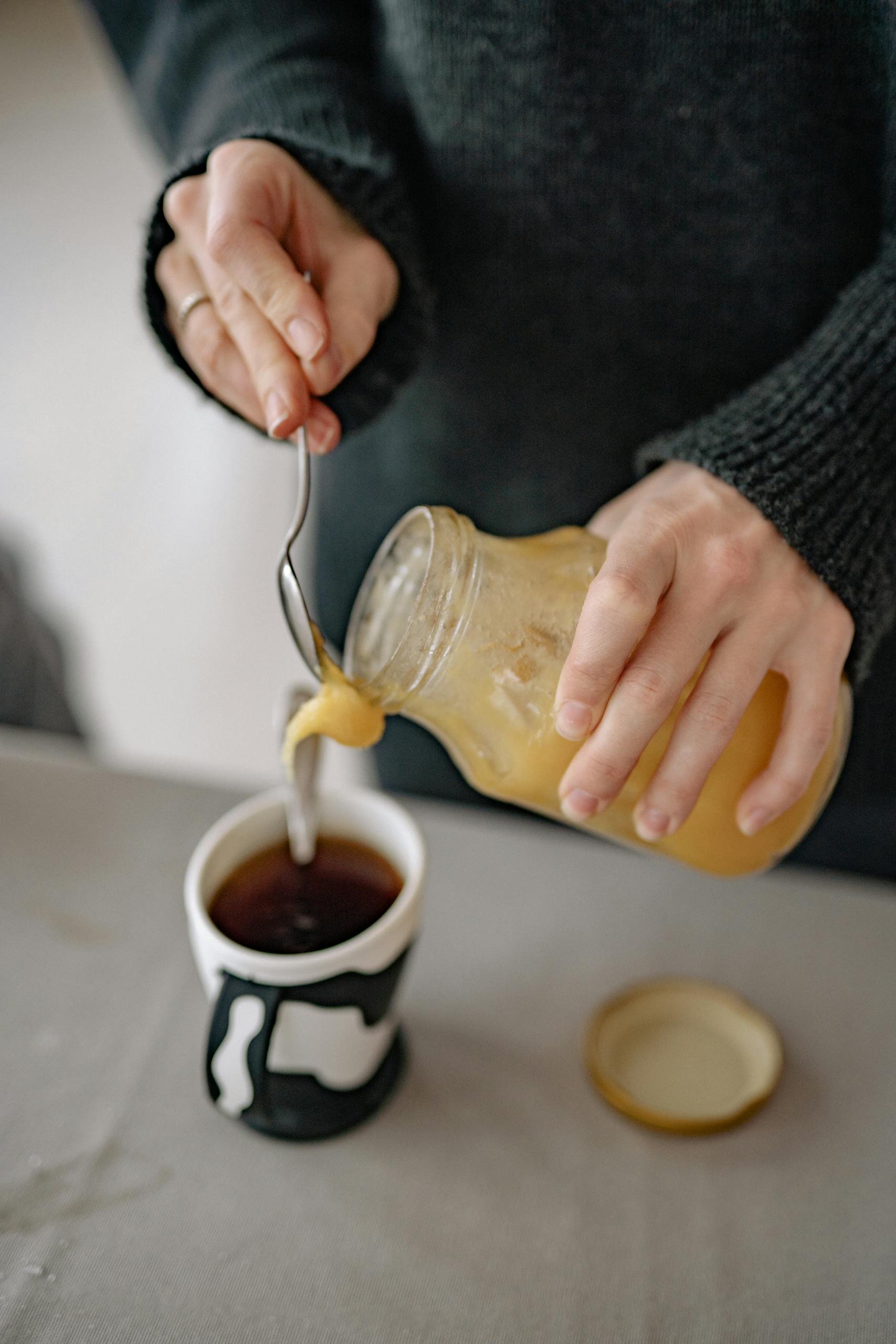
Making creamed honey at home is a skill that saves money. In most high-end grocery stores in the US or UK, creamed honey costs twice as much as liquid honey.
Beyond the cost, the health benefits are excellent. Because we do not use high heat (pasteurization) for long periods, we preserve the enzymes.
The USDA Agricultural Research Service has shown that raw honey contains antioxidants that help fight inflammation. Creamed honey allows you to enjoy these benefits in a format that does not make a mess on your kitchen counter.
Common Mistakes to Avoid
1. Using the Wrong Temperature
If your room is 75°F, your honey will take months to set, or it may never set at all. Always aim for that 57°F sweet spot.
2. High Moisture Content
If your honey has more than 18% water, it can ferment. You can check this with a tool called a refractometer. Most store-bought honey is already at the safe level.
3. Dirty Equipment
Beekeeping and honey processing require high hygiene. Any dust or moisture in your jars can cause mold or off-flavors.
How to Store Your Finished Product
Once your honey is firm, you can move it to your pantry. It will stay creamed at normal room temperatures (around 70°F).
If your kitchen gets very hot (above 85°F), the honey might start to soften and return to a liquid state. If this happens, just stir it and put it back in a cool spot to firm up again.
Final Thoughts from Peter Uzodimma
I have taught thousands of beekeepers how to improve their honey quality. Creamed honey is the “gold standard” of honey products. It is elegant, delicious, and easy to share as a gift.
At Trevro, we believe in sustainable beekeeping. By turning your liquid honey into creamed honey, you are adding value to the hard work of your bees.
If you follow these steps accurately, you will never go back to messy liquid honey again. It is a transformation that feels like magic the first time you open that jar after two weeks.
For more advanced hive management and honey production tips, visit our Trevro Blog or contact me directly through our site.
Summary Checklist for Success:
- [ ] Melt existing crystals at 140°F.
- [ ] Cool liquid honey to 75°F.
- [ ] Mix 1 part seed to 9 parts liquid.
- [ ] Stir slowly to avoid air bubbles.
- [ ] Store at 57°F for 14 days.
- [ ] Enjoy your homemade spread!