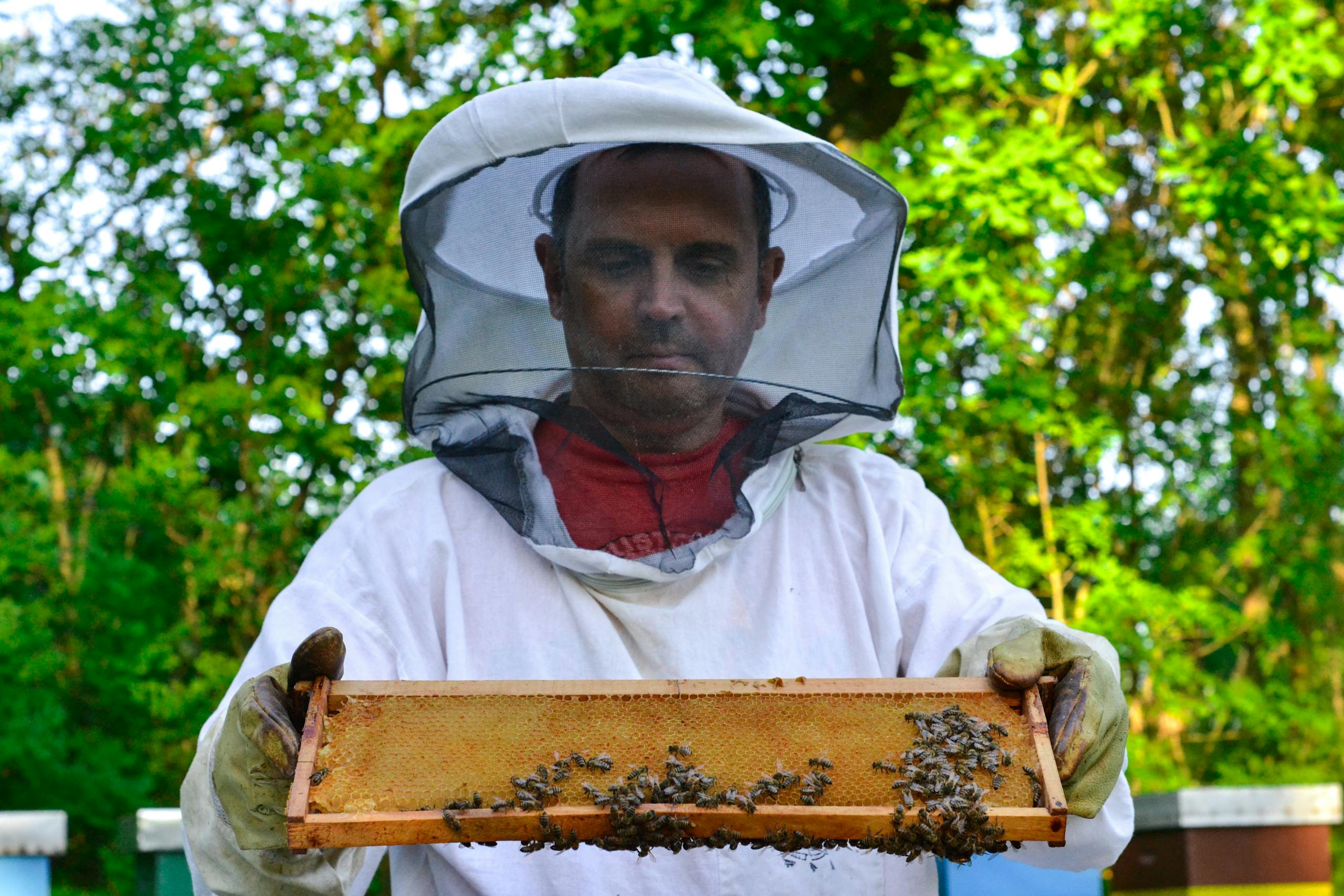
The best hive stand height to prevent back pain is between 16 and 18 inches off the ground. This places the bottom of your hive at a height that lets you work without hunching over during inspections. For taller beekeepers (over 6 feet), pushing that to 20 to 22 inches gives even better results. For shorter beekeepers (under 5’4″), 12 to 14 inches works well. The goal is simple: your waist level should roughly align with the top of your brood box during inspection.
If you are already dealing with back pain, or you are trying to prevent it before it starts, this guide will give you the exact numbers, the science behind them, and real examples from beekeepers who got this right.
Why Hive Stand Height Matters More Than Most Beekeepers Think
Most beekeepers spend a lot of time thinking about their bees.
They track mite counts. They watch for swarm cells. They monitor honey flow.
But very few beekeepers think about what all that bending, lifting, and twisting is doing to their bodies.
That is a costly mistake.
A 2025 study published in the Journal of Agromedicine on commercial beekeepers in New Zealand found that musculoskeletal disorders (MSDs) are a serious occupational health issue in apiculture. The research, led by Joanne Crawford at Victoria University of Wellington, used a modified Nordic Musculoskeletal Questionnaire and found that apiarists suffer from work-related MSDs at rates comparable to other high-risk agricultural workers.
And according to Bee Culture Magazine, citing orthopedic surgeon Dr. Ronald J. Wisneski of Geisinger Medical Center, 80 percent of Americans will experience back pain at some point in their lives. For beekeepers, the risk is compounded by repetitive bending and heavy lifting.
The numbers are not small.
A full deep Langstroth hive body can weigh over 80 pounds. A honey super can weigh anywhere from 40 to 60 pounds. Now imagine lifting those from the ground, bent at the waist, frame after frame, hive after hive.
That is where back injuries happen.
A proper hive stand changes the entire equation.
The Science Behind the 16 to 18-Inch Recommendation
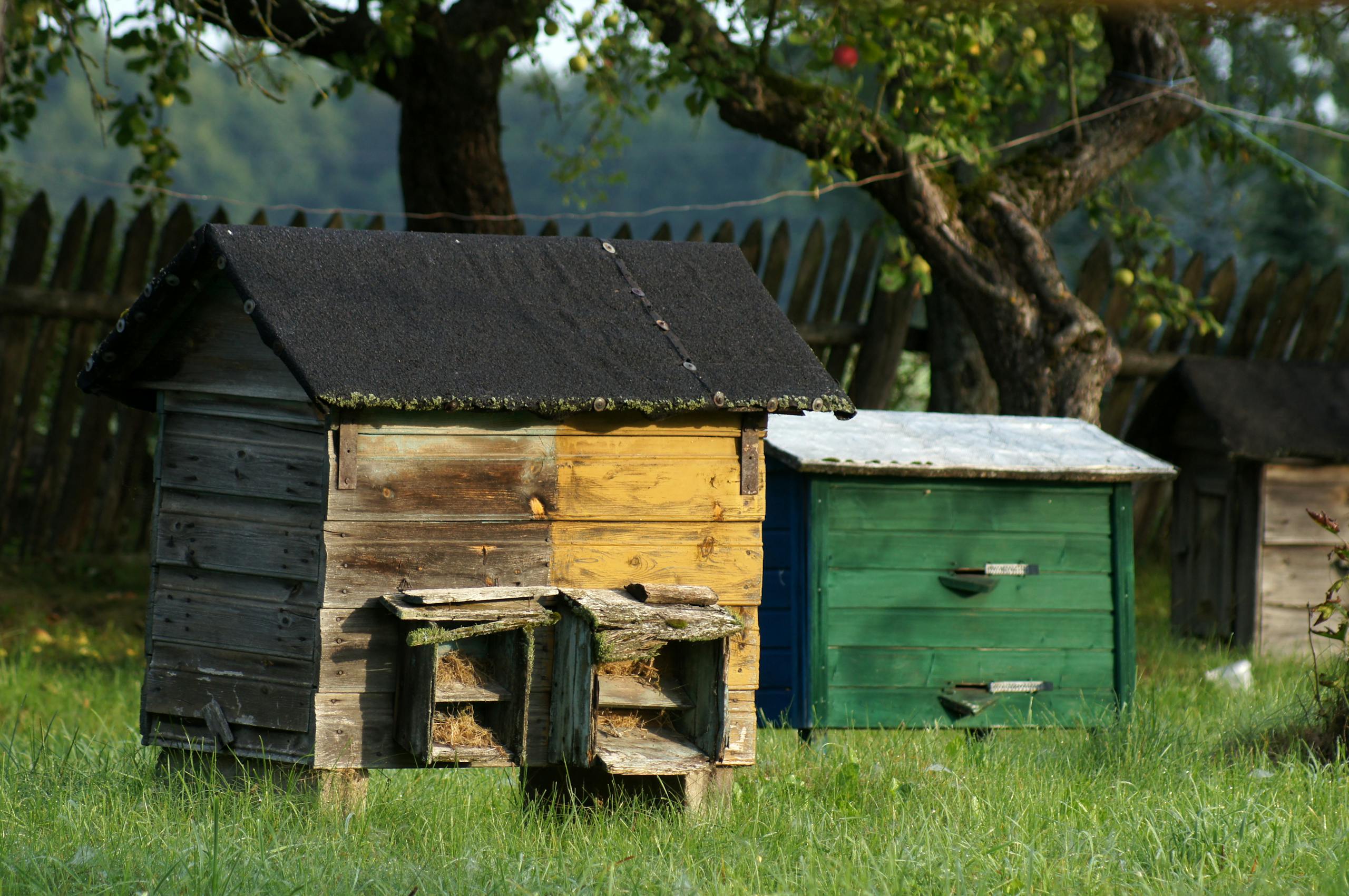
The 16 to 18-inch height is not a random number.
It comes from basic ergonomic science. When an object is lifted from ground level, the lumbar spine absorbs a disproportionate amount of load. The lower the object sits, the more your spine bends, and the greater the compressive force on your lower back discs.
A 2019 ergonomics case study published in the National Institutes of Health (NIH) PMC database analyzed beekeeping inspection tasks performed by three independent beekeepers. The researchers found that many standard beekeeping movements involve high-risk postures, including repeated spinal flexion, awkward twisting, and prolonged static loading of the lower back.
These are all postures that get significantly better when the hive is elevated.
Here is what the research shows happens at different heights:
| Stand Height | Back Stress Level | Practical Notes |
|---|---|---|
| 0 inches (ground level) | Very High | Worst for back, common cause of lower back injury |
| 6 to 10 inches | High | Minimal improvement, still requires deep bending |
| 12 to 14 inches | Moderate | Acceptable for shorter beekeepers (under 5’4″) |
| 16 to 18 inches | Low | Recommended for average-height beekeepers (5’5″ to 5’11”) |
| 20 to 22 inches | Low to Moderate | Ideal for tall beekeepers (6’0″ and above) |
| 24+ inches | Increases Again | Top boxes become harder to reach and lift safely |
The 16 to 18-inch range works because it brings the base of your hive to a height where your body can maintain a more neutral spine position during inspections and lifting.
A Personal Experience That Changed How I Think About Hive Height
I remember exactly when this became real for me.
It was a Tuesday morning in late April 2023, around 9:15 AM, at an apiary in Fresno County, California, not far from our Bonadelle Ranchos setup.
I had three Langstroth hives sitting flat on the ground. No stands. I had placed them that way because a fellow beekeeper told me it made the hives more stable in the afternoon winds.
After a two-hour inspection session, I could barely stand up straight.
The lower back pain started as a dull ache around the L4-L5 region. By the time I drove home, it had locked up completely. I spent three days on ibuprofen and ice packs before I could move normally again.
That was the last time any of my hives touched the ground.
I installed 18-inch wooden stands that same week. The difference was immediate. Not just in comfort, but in how long I could work before needing to stop.
I share this not to dramatize it. I share it because this exact story is playing out in apiaries all over the United States, the UK, Canada, and Australia every single season.
How Hive Stand Height Affects Different Beekeeping Tasks
Your stand height does not just affect one moment. It affects every single interaction you have with your hive.
Frame Inspection
When you pull a frame from a hive that sits at 16 to 18 inches, you can raise it to eye level with your back relatively straight.
When you pull a frame from a ground-level hive, you have to bend over and then lift upward, which combines two awkward movements back to back.
This matters because during a typical inspection, you may pull 8 to 20 frames out and back in. That is 16 to 40 awkward movements at minimum.
Lifting Supers
This is where back injuries happen most often.
A full honey super weighs between 40 and 60 pounds. If you are lifting it from a stand at 18 inches, the box starts at roughly mid-thigh height for an average person.
If it is on the ground, you are lifting 50 pounds from ankle level.
Research on occupational health risks in beekeeping, compiled by ResearchGate, found that distributing top supers was rated as a high-risk task for back injury using the NIOSH Lifting Index methodology, particularly in women and beekeepers over 45.
That risk goes down significantly when you raise the starting point.
Long Inspection Sessions
During a nectar flow, inspections can last one to three hours at a time.
When you are standing over a low hive for that long, your paraspinal muscles fatigue. Once those muscles fatigue, your discs absorb the load instead.
That is how chronic back problems start, not from one dramatic lift, but from repeated small insults to the same tissue over time.
Height Guide by Beekeeper Body Type
There is no one-size-fits-all answer, which is why most generic advice falls short.
Your hive stand height should be based on your height and build.
Here is a practical breakdown:
| Beekeeper Height | Recommended Stand Height | Target Position |
|---|---|---|
| Under 5’2″ | 10 to 14 inches | Top of brood box near lower forearm level |
| 5’2″ to 5’7″ | 14 to 17 inches | Top of brood box near waist level |
| 5’8″ to 5’11” | 16 to 18 inches | Top of brood box near waist level |
| 6’0″ to 6’3″ | 18 to 22 inches | Top of brood box between hip and waist |
| 6’4″ and above | 22 to 24 inches | Adjust until top of brood box is at waist height |
The key measurement to aim for: the top of your brood box should sit at approximately your hip-to-waist height when you are standing upright.
This is the neutral lifting zone. It is where your body is strongest and where your spine is under the least stress.
What Happens When Your Stand Is Too Low
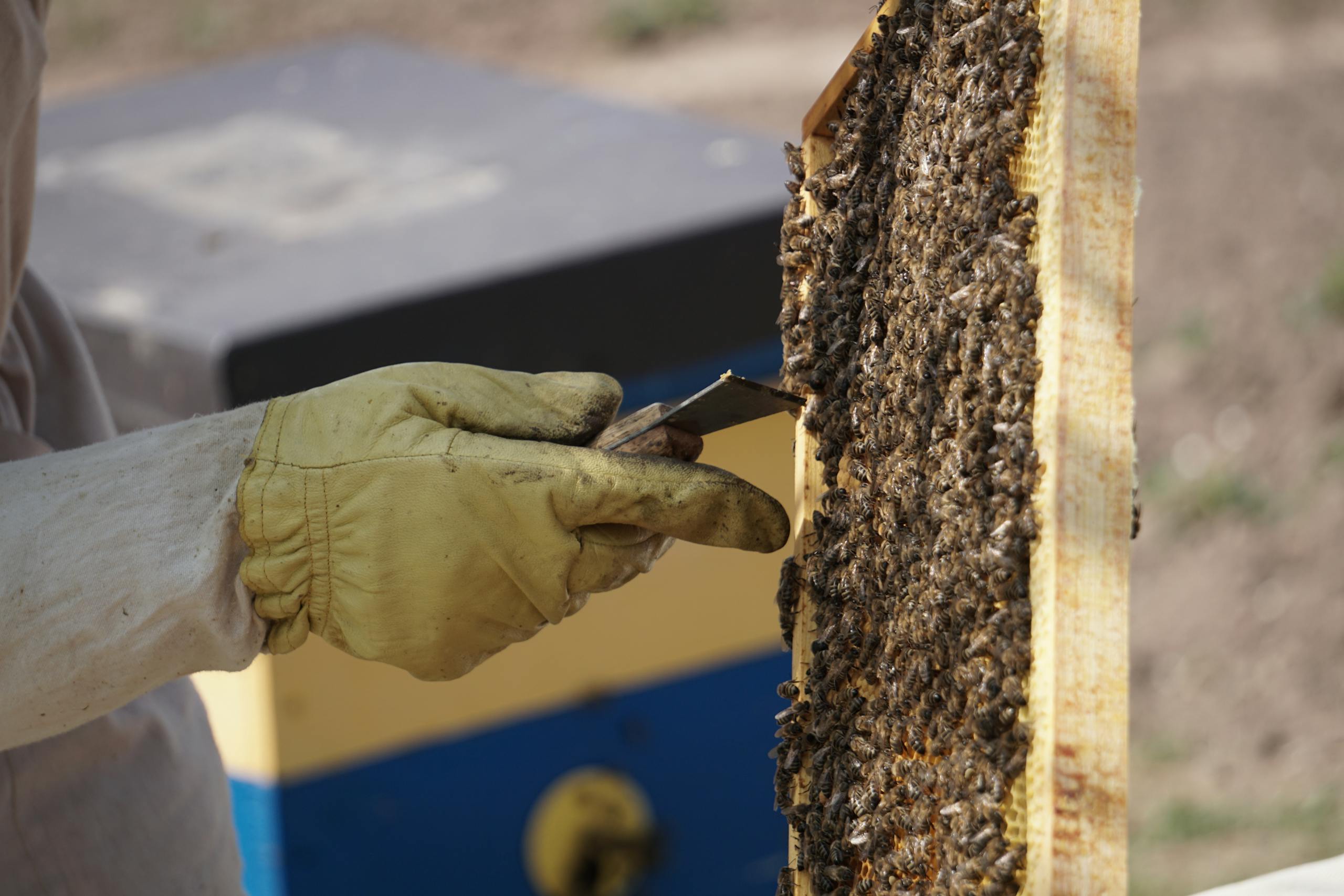
Many beekeepers know hive stands matter. Fewer know exactly what goes wrong when the height is off.
Too low, and here is what you are dealing with:
Lumbar flexion overload. Every time you bend forward over the hive, your lumbar discs absorb compressive and shear forces. The lower you go, the greater the force. According to OSHA’s ergonomics guidelines, work performed below knee height is classified as one of the highest-risk postures for lower back injury.
Hamstring strain. Prolonged bending also places your hamstrings under sustained stretch. Over time, this creates a pattern of tightness that pulls on your sacrum and contributes to chronic lower back pain.
Neck and shoulder fatigue. When you bend over a low hive to examine frames, your neck cranes forward and your shoulders round. Do that for an hour and you will feel it in your trapezius muscles by evening.
Ground moisture risk to hives. This is a bonus point: hives sitting too close to the ground are also at greater risk of moisture damage, fungal growth, and pest infiltration. Dadant & Sons, one of the oldest beekeeping supply companies in the United States, notes that proper elevation provides critical airflow and moisture control under the hive floor.
What Happens When Your Stand Is Too High
Going too high creates its own set of problems.
At 24 inches or more, the top of your hive during a good nectar flow can be at shoulder height or above. This means you are lifting heavy supers overhead or near shoulder level.
That is arguably worse than lifting from low.
Overhead and high lifts dramatically increase rotator cuff strain. They also shift the load onto your cervical spine rather than your lumbar spine.
Additionally, very tall stands make hives less stable. In regions with strong winds (like parts of the UK, the US Great Plains, or coastal Australia), a top-heavy hive on a tall stand is a legitimate safety risk.
The sweet spot is the middle: tall enough to protect your lower back during routine inspection, not so tall that heavy lifting becomes a shoulder problem.
Case Study: Mark Harding, Commercial Beekeeper, Oregon, USA
Mark Harding runs 60 Langstroth hives outside of Eugene, Oregon. He started beekeeping in 2016 and spent his first four seasons with hives on 8-inch cinder block stands.
By year three, he had chronic lower back pain that required two visits to a physical therapist per month.
In the spring of 2020, he rebuilt all of his stands at 18 inches using pressure-treated lumber. He also added a dedicated frame rest at the same height so he could set frames down without bending over.
By the end of that season, his back pain had reduced by what he described as “about 70 percent.” He no longer needed regular physical therapy.
Mark’s experience lines up directly with the ergonomic research. Raising the hive stand did not just change one moment. It changed every repetitive movement across an entire season.
Case Study: Linda Pearsall, Backyard Beekeeper, Kent, UK
Linda Pearsall, 58 years old, keeps three hives in rural Kent. She was diagnosed with lumbar spondylosis (a degenerative condition of the spine) in 2021.
Her GP told her beekeeping might need to stop.
Instead, Linda raised her National hive stands to 20 inches and switched to an 8-frame medium-depth configuration to reduce box weight. She also started using a frame perch mounted at the same height to eliminate frame-to-ground transfers.
As of 2024, she is still keeping bees.
Linda’s story illustrates something important: proper hive stand height is not just about comfort. For many beekeepers, especially those over 50, it is what keeps them in the hobby.
Hive Stand Materials: What Works Best
Height is the most important factor. But the material your stand is made of affects durability, stability, and cost.
| Material | Durability | Cost | Best For |
|---|---|---|---|
| Pressure-treated lumber | High | Low to Medium | DIY builders, rural apiaries |
| Cinder blocks | High | Very Low | Budget setups, temporary hives |
| Galvanized steel | Very High | Medium to High | Commercial operations |
| Plastic adjustable stands | Moderate | Medium | Hobbyists, urban apiaries |
| Cedar wood | High | Medium | Hobbyists wanting natural material |
If you are building a DIY stand, pressure-treated 4×4 lumber remains the most cost-effective and durable option for most beekeepers in the US, UK, Canada, and Australia.
Do not use untreated wood. It rots fast, especially in wet climates like the Pacific Northwest, southern England, or coastal New South Wales.
Do Not Forget the Frame Rest
This is something most blog posts skip, and it is a major source of back injury.
When you remove a frame from your hive, you need somewhere to put it. If the only option is the ground, you are bending way down to place it and back up again, every single inspection.
A frame rest at the same height as your hive stand eliminates this.
You can buy a commercial frame perch or build one yourself. Mount it at 16 to 18 inches, right next to the hive, and your frames go from hive to perch and back without your back going into flexion at all.
This one addition, combined with the right stand height, can cut your back stress during inspections by more than half.
Extra Tips to Protect Your Back Beyond Stand Height
Even with the right stand height, beekeeping still involves physical work. These five habits will protect you further.
1. Lift with your legs, not your back. When you do need to lift a heavy super, bend your knees and keep the box close to your body. This is standard ergonomic advice from OSHA’s lifting guidelines, and it applies directly to beekeeping.
2. Use an 8-frame hive instead of a 10-frame. An 8-frame Langstroth medium super weighs around 35 pounds when full. A 10-frame deep weighs 80 pounds. The weight reduction across a season is significant.
3. Wear a back support belt during heavy work. A lumbar support belt does not cure a bad posture, but it adds stability during the heaviest lifts of the season.
4. Split heavy inspection into shorter sessions. Instead of doing a three-hour marathon inspection, do shorter 45-minute sessions across multiple days when possible.
5. Stretch before and after apirary work. A five-minute lower back stretch before you start and after you finish dramatically reduces next-day soreness. The American Chiropractic Association recommends regular spinal stretching for anyone who performs repetitive bending work.
How Hive Type Affects the Ideal Stand Height
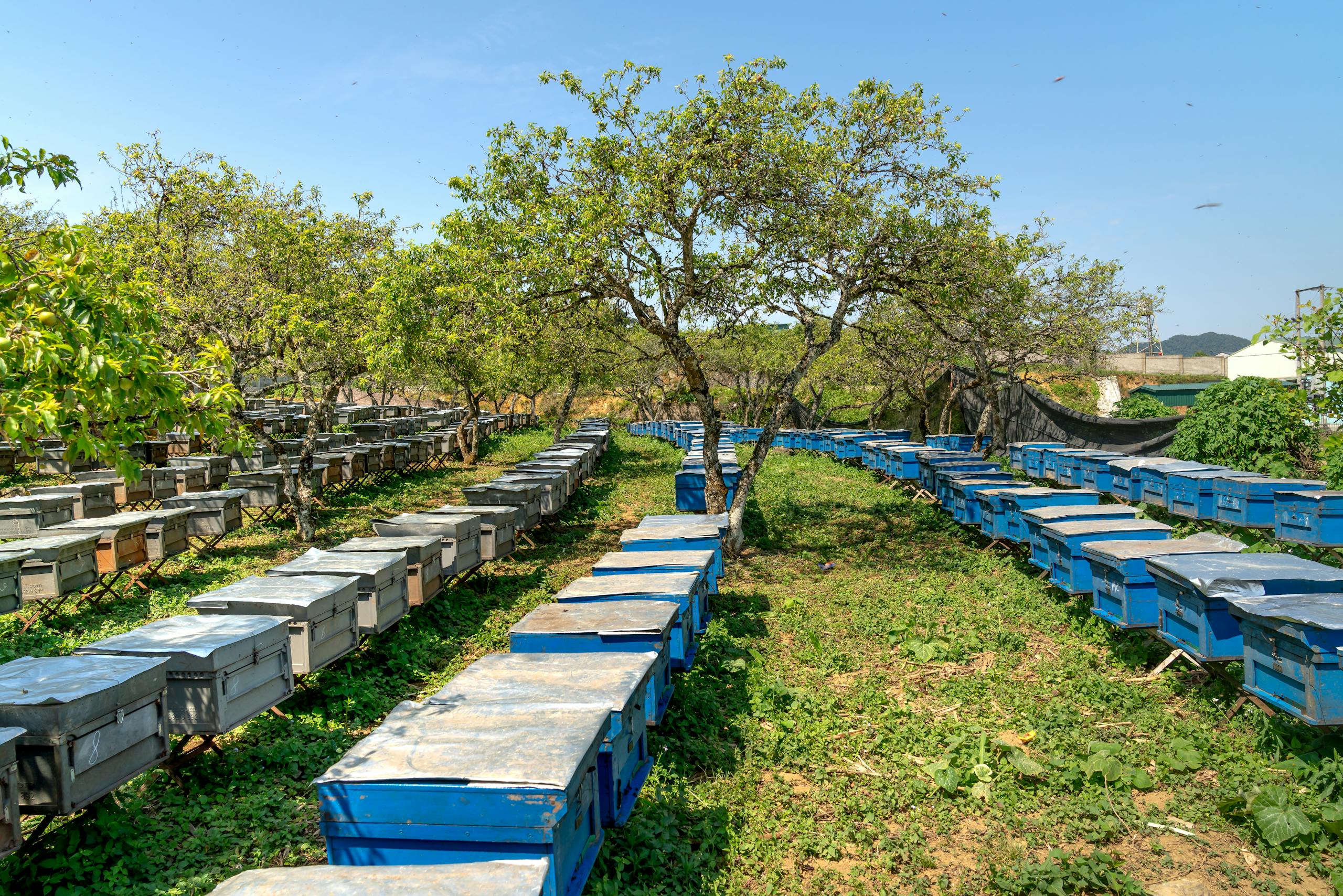
Different hive designs have different natural heights, which changes your stand calculation.
| Hive Type | Height of Body | Ideal Stand Height | Notes |
|---|---|---|---|
| Langstroth 10-frame deep | 9.5 inches per box | 16 to 18 inches | Standard calculation applies |
| Langstroth 8-frame medium | 6.625 inches per box | 18 to 20 inches | Boxes are shorter, raise stand slightly |
| Warré hive | 8.5 inches per box | 16 to 18 inches | Similar to Langstroth |
| Top-bar hive (horizontal) | N/A (horizontal design) | 28 to 34 inches | Work at waist level; fixed by design |
| National hive (UK) | 8.75 inches per box | 16 to 20 inches | Popular in UK, same principles apply |
| Flow Hive 2 | 9.5 inches (brood box) | 16 to 18 inches | Harvest valve is at super level |
If you use a top-bar hive, which works horizontally at waist height by design, you largely avoid the stand height problem altogether. That is one of the reasons top-bar hives are popular among beekeepers with pre-existing back conditions.
For vertical hive designs, the stand calculation is always necessary.
Frequently Asked Questions
What is the minimum height a hive stand should be?
Do not go below 8 inches. Below that threshold, you get minimal protection from ground predators like skunks, and you still have to bend deeply to work the hive. The ergonomic benefit only becomes meaningful at 12 inches and above.
Can I use cinder blocks for a hive stand?
Yes. Two standard cinder blocks stacked on their side give you approximately 16 inches. They are cheap, stable, and durable. The main downside is that they are not adjustable, and on uneven ground, you need to take care with leveling.
Does hive stand height affect the bees?
Not significantly, as long as the hive is level. Bees build comb along a gravitational line, so a hive that is tilted causes comb problems. Make sure your stand is level regardless of height. A slight forward tilt (1 to 2 degrees) is fine and helps water drain from the entrance.
Should the stand height change as I add supers?
No. The stand stays at a fixed height. What changes is your body positioning as you work higher up the hive stack. Once supers bring the total hive height to shoulder level, use a hive crane, a helper, or split your supers into lighter 8-frame mediums.
What if I have an existing back injury?
If you already have a diagnosed back condition like a herniated disc, spondylosis, or sciatica, talk to your physician or physical therapist before modifying your setup. Generally, a higher stand (20 to 22 inches) combined with lighter hive boxes and a good frame perch is the right direction. But personalized medical advice matters here.
Quick Recap: Best Hive Stand Height by Goal
| Your Primary Goal | Recommended Height |
|---|---|
| Prevent back pain (average height beekeeper) | 16 to 18 inches |
| Prevent back pain (tall beekeeper, 6’+) | 20 to 22 inches |
| Pest deterrence only | 12 to 18 inches |
| Existing lower back condition | 20 to 24 inches + lighter boxes |
| Commercial operation with many hives | 16 to 18 inches standard, adjustable stands preferred |
Final Thoughts
Back pain does not announce itself the first time you bend over a low hive.
It builds slowly. It shows up one morning as stiffness. Then it shows up after every inspection. Then it starts limiting how long you can work. Then it threatens to end your beekeeping entirely.
The good news is that this is almost entirely preventable.
Getting your hive stand to the right height is not an expensive fix. It does not require specialized equipment. It requires knowing the right number, understanding why it works, and acting on it before your back forces you to.
For most beekeepers, that number is 16 to 18 inches.
Measure your own height. Use the table in this guide. Build or buy accordingly. Add a frame perch at the same height. And you will be working your hives comfortably for years, not working toward a back surgeon’s office.
At Trevro, we cover the full picture of sustainable beekeeping, from the equipment you use to the ergonomics that keep you healthy enough to keep doing what you love. If you found this guide useful, explore our Hive Management section for more field-tested guides written for serious beekeepers.