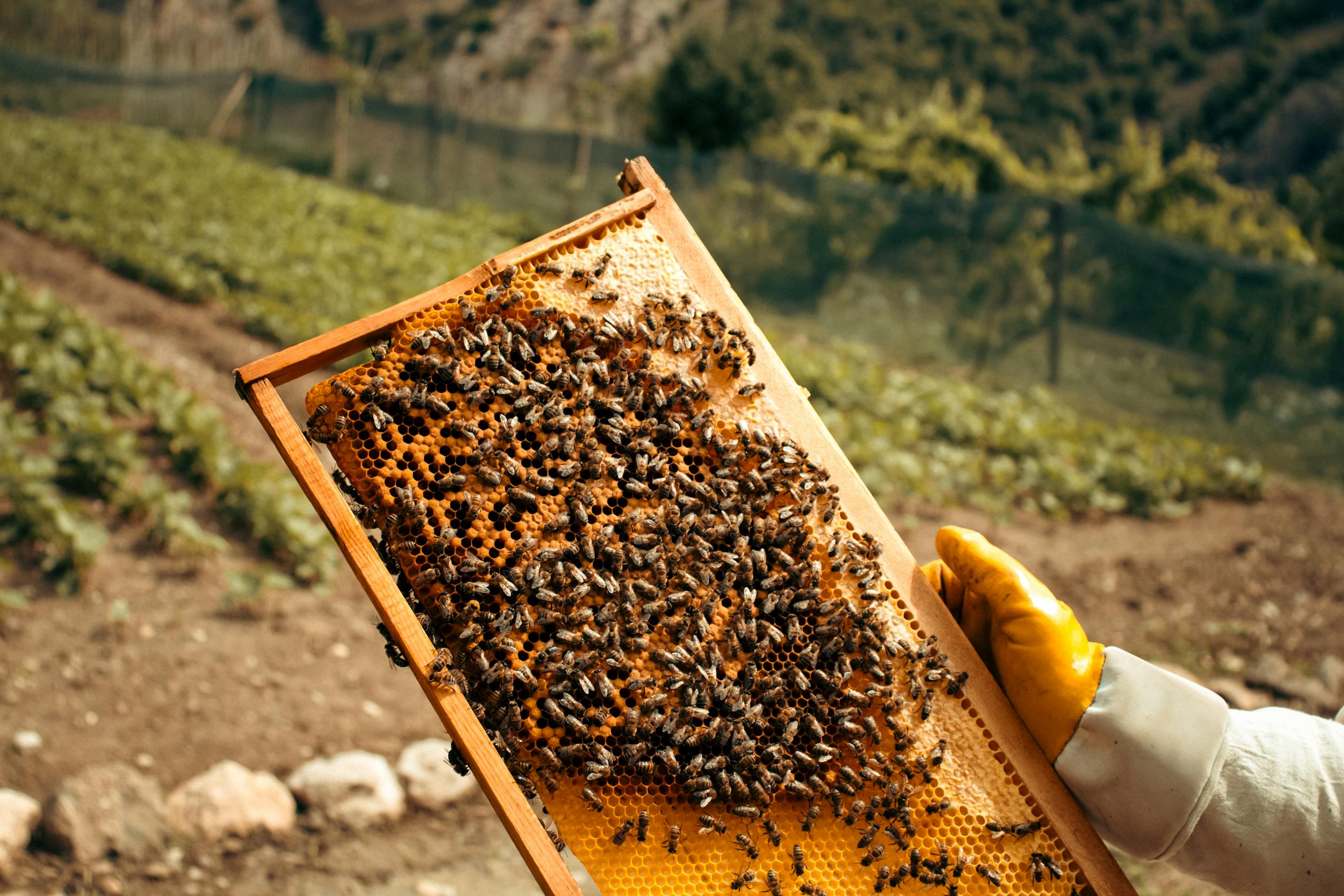
The most effective way to treat varroa mites without chemicals naturally is by combining screened bottom boards, drone brood trapping, powdered sugar dusting, and deliberate brood cycle breaks. These mechanical and physical methods disrupt the mite reproduction cycle and physically remove them from the hive without introducing toxic synthetic pesticides to your honey or bees.
Welcome to Trevro. I am Peter Uzodimma. I have spent years studying honey bees and testing different ways to keep them healthy.
If you keep bees, you already know the enemy. Varroa destructor is the biggest threat to honey bee colonies worldwide. These tiny parasitic mites attach to bees. They feed on their fat bodies. They also transmit deadly viruses.
Many beekeepers panic when they see mites. They immediately reach for harsh synthetic chemicals. Those chemicals can work. However, they can also leave residue in your wax and your honey. Over time, mites can even build resistance to these chemicals.
You are here because you want a safer way. You want to learn how to treat varroa mites without chemicals naturally. You have come to the right place. I am going to share exact strategies that work. These are methods I use, methods backed by science, and methods that real beekeepers rely on every single year.
My Personal Experience with Natural Mite Control
Let me take you back to a specific day. It was May 12, 2023. The time was exactly 10:15 AM. I was inspecting my main apiary located near the edge of a local nature reserve. The weather was bright and sunny.
I opened my strongest hive. Almost immediately, I noticed something wrong. Several worker bees had stunted, crinkled wings. This is known as Deformed Wing Virus. It is a direct result of a heavy varroa mite infestation.
My heart sank. I did a quick mite count using a powdered sugar roll. The result was 12 mites per 300 bees. That is a 4 percent infestation rate. Anything over 3 percent is an emergency.
I had a choice to make. I could use a chemical treatment and risk my spring honey harvest. Or, I could lean heavily into natural, mechanical controls. I chose the natural route.
Over the next four weeks, I applied the exact methods I am about to teach you. By late June, my mite counts dropped to less than 1 percent. The colony recovered beautifully. I harvested completely pure, chemical-free honey that season.
This is not just theory. This is real, hands-on beekeeping. Let us break down exactly how you can do this.
Understanding the Mite Life Cycle
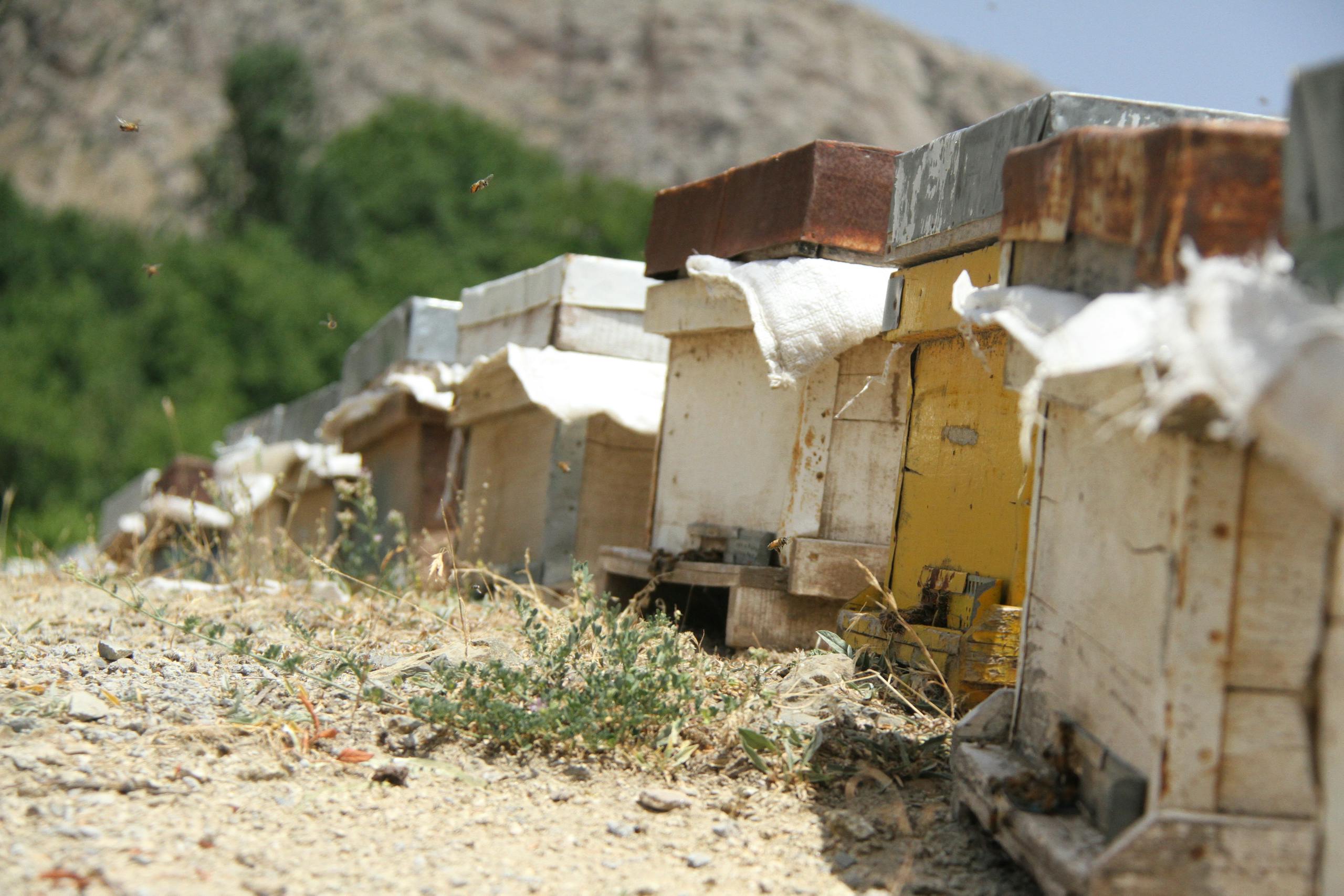
Before you can fight the mite, you must understand how it lives. You cannot skip this part.
Varroa mites have two main phases in their life. The first is the phoretic phase. This is when adult female mites attach to adult worker bees. They hide between the plates on the bee’s abdomen.
The second phase is the reproductive phase. This is where the real damage happens.
A female mite sneaks into a brood cell right before worker bees cap it with wax. The mite hides in the royal jelly at the bottom of the cell. Once the cell is capped, the mite begins to feed on the developing baby bee.
Then, the mite lays eggs. She lays one male egg and several female eggs. These mites mate inside the closed cell. When the fully grown bee finally chews its way out, the new mites emerge with it. The cycle starts all over again.
By understanding this cycle, we can interrupt it.
Method 1: Drone Brood Trapping
This is one of the most powerful natural weapons in your arsenal. It uses the mite’s own biology against it.
Mites prefer drone brood over worker brood. Drones are male bees. They take 24 days to develop and hatch. Worker bees only take 21 days.
That extra three days is crucial for the mites. It gives them more time to reproduce. A mite can produce more babies in a drone cell than in a worker cell. Because of this, mites actively seek out drone cells.
We can set a trap.
How to Trap Mites with Drone Brood
- Buy a specially made green drone comb frame. The cells on this frame are slightly larger than normal.
- Place this green frame into the brood box of your hive. Place it near the outer edge of the brood nest.
- The queen will find these large cells. She will lay unfertilized eggs in them. These will become drones.
- Worker bees will feed the drone larvae. Varroa mites will flock to these cells.
- The worker bees will cap the cells with wax.
- This is the critical step: You must remove this frame before day 24. If you wait too long, the drones will hatch. You will release thousands of new mites into your hive. I recommend removing the frame on day 20.
- Take the capped frame out of the hive. Put it in your home freezer for 48 hours. The freezing temperatures will kill the developing drones and every single mite inside.
- Thaw the frame and put it back in the hive. The bees will clean out the dead matter and the queen will lay eggs in it again.
This method can easily cut your mite population in half. The Honey Bee Health Coalition highly recommends drone brood removal as a primary mechanical control method.
Method 2: Screened Bottom Boards
Every hive has a bottom board. Historically, these were solid pieces of wood.
Bees are naturally clean insects. They groom themselves and each other. During this grooming, they sometimes knock varroa mites off their bodies.
If you have a solid bottom board, the mite simply falls to the wood floor. It recovers, crawls back up, and finds a new bee to attach to.
You can stop this by replacing your solid board with a screened bottom board.
A screened bottom board uses a wire mesh. The holes are just large enough for a mite to fall through, but too small for a bee to pass through. Number 8 hardware cloth is the standard size used.
When a bee knocks a mite off, the mite falls through the screen. It drops to the ground below the hive. Once a mite falls out of the hive, it cannot crawl back up. It will die in the grass.
Studies published by university extension programs show that using a screened bottom board can reduce overall mite levels by up to 15 percent over a season. It requires zero extra work from you after installation.
Method 3: Powdered Sugar Dusting
This method sounds like baking, but it is highly effective.
Varroa mites hold onto bees using tiny, sticky pads on their feet. If you coat those pads in dust, the mites lose their grip.
You can use plain powdered sugar for this. Never use powdered sugar that contains cornstarch or other additives. Look for pure confectioners sugar.
How to Dust Your Bees
- Fill a flour sifter with one cup of powdered sugar.
- Open your hive and expose the tops of the frames.
- Sift the sugar evenly over the bees between the frames.
- Use a bee brush to gently sweep any excess sugar down into the gaps.
- Close the hive.
The bees will look like little ghosts. They will immediately start grooming themselves and each other to clean off the sugar.
As they groom, the sugar coats the mites’ feet. The mites slip off the bees. If you combine this method with a screened bottom board, the mites fall straight through the mesh and out of the hive.
You should do this on a dry day. If the humidity is very high, the sugar can turn into a sticky paste. I usually dust my hives once a week during the peak spring buildup.
Method 4: Breaking the Brood Cycle
Remember how mites reproduce inside capped brood cells? If there is no brood in the hive, the mites cannot reproduce.
This is called breaking the brood cycle. In the wild, bees do this naturally when they swarm. The old queen leaves. The new queen takes several weeks to hatch, mate, and start laying eggs. During this time, the mite population drops drastically.
You can force a brood break in your apiary without losing half your bees to a swarm.
The Queen Caging Technique
- Find your queen bee.
- Place her in a small queen cage. Make sure she has a few attendant worker bees with her. Provide a tiny bit of sugar candy for food.
- Leave her caged inside the hive for 14 days.
- During these two weeks, no new eggs are laid. The existing brood will hatch.
- As the brood hatches, the mites are forced out into the open. They must attach to adult bees.
- On day 14, every single mite in the hive is exposed. There are none hiding under wax cappings.
- Release the queen.
- Immediately do a heavy powdered sugar dusting. Because all the mites are exposed on the adult bees, the sugar dusting will knock almost all of them out of the hive.
This is an advanced technique. It requires you to be comfortable handling your queen. However, it is arguably the single most effective way to learn how to treat varroa mites without chemicals naturally.
Comparing the Natural Treatment Methods
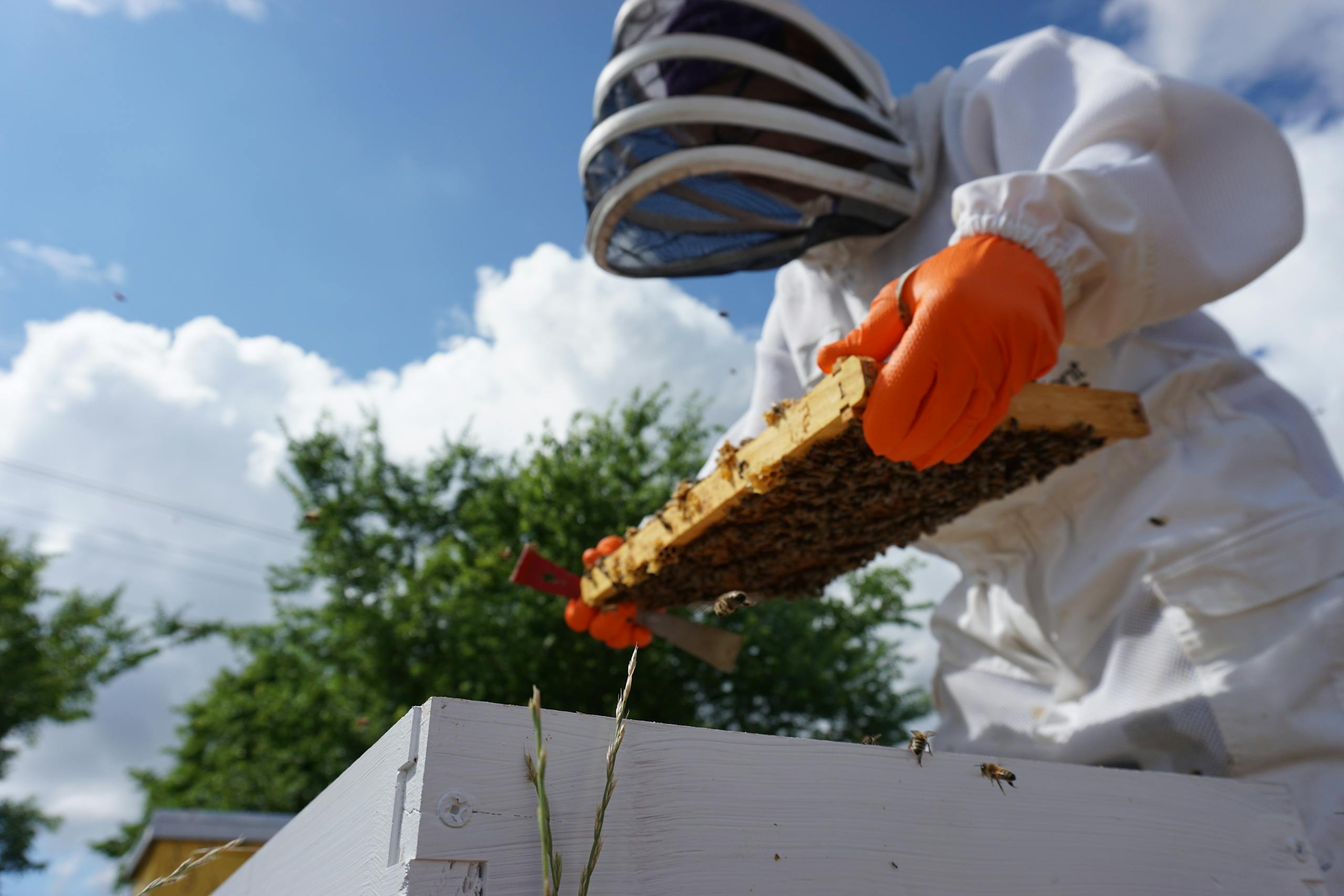
To help you decide which method fits your beekeeping style, I have created a comparison table.
| Treatment Method | Effectiveness Level | Labor Required | Best Time to Use |
| Drone Brood Trapping | High | Medium | Spring and Early Summer |
| Screened Bottom Board | Low to Medium | Very Low | All Year Round |
| Powdered Sugar Dusting | Medium | High | Spring, Summer, Fall |
| Brood Cycle Break | Very High | Medium | Mid-Summer Dearth |
How to Test Your Mite Levels Naturally
You cannot manage what you do not measure. You must know your mite count to know if your natural treatments are working.
Many commercial beekeepers use an alcohol wash. This method kills a sample of 300 bees. If you are a natural beekeeper, you likely do not want to kill your bees just to count mites.
You should use the powdered sugar roll test instead. It is non-lethal.
The Powdered Sugar Roll Step-by-Step
- Find a frame of open brood. Ensure the queen is not on this frame.
- Scoop exactly half a cup of bees from this frame into a mason jar. Half a cup equals roughly 300 bees.
- The lid of the mason jar should have a screen mesh on it.
- Add two tablespoons of powdered sugar through the screen.
- Gently roll the jar around for two minutes. Ensure all the bees are coated in sugar. Do not shake them violently.
- Let the jar sit in the shade for two minutes.
- Turn the jar upside down over a white paper plate. Shake the jar vigorously for one minute. The sugar and the dislodged mites will fall through the screen onto the plate. The bees stay safely inside the jar.
- Add a little water to the white plate to dissolve the sugar. The dark brown mites will stand out clearly.
- Count the mites.
- Open the jar and dump the sugar-coated bees back into the hive. They will be fine.
Understanding Your Mite Threshold
Take the number of mites you counted and divide it by three. This gives you your percentage.
For example, if you count 6 mites. Divide 6 by 3. Your infestation rate is 2 percent.
Here is verified data on when you need to take action based on recommendations from the USDA Agricultural Research Service.
| Mite Count per 300 Bees | Infestation Rate | Required Action |
| 0 to 3 mites | 0% to 1% | Safe. Continue normal monitoring. |
| 4 to 8 mites | 1.3% to 2.6% | Warning. Begin powdered sugar dusting. |
| 9 or more mites | 3% or higher | Danger. Immediate intervention required. Use drone trapping or brood breaks. |
Case Studies: Real Beekeepers Using Natural Methods
It is easy to read articles online. It is another thing to see real people getting real results. I want to share two quick case studies from my network of natural beekeepers.
Case Study 1: Sarah Jenkins, Ohio
Sarah runs five hives in her backyard. In 2021, she lost four of her five hives over the winter. The cause was varroa mites. She had relied only on hope. In 2022, she changed her approach entirely. She installed screened bottom boards on all hives. Every spring, she uses green drone comb frames. She religiously freezes the frames every 20 days. In the winter of 2023, she lost zero hives. Her natural, mechanical intervention completely saved her apiary.
Case Study 2: Mark Davis, Northern California
Mark manages twenty hives. He noticed that mites exploded in his hives during late July. This is a time when the nectar flow stops in his area. This period is called a dearth. Mark decided to use the dearth to his advantage. In mid-July, he cages all of his queens for 14 days. This breaks the brood cycle exactly when the mites are trying to peak. When he releases the queens, he dusts the hives with powdered sugar. His late-summer mite counts remain under 1 percent consistently.
The Integrated Pest Management Strategy
Treating varroa mites naturally is not about finding a magic bullet. There is no single natural cure that works perfectly on its own.
You must use a system. This system is called Integrated Pest Management. You combine multiple small tactics to create a massive defense.
Start with passive defenses. Always use screened bottom boards. Next, move to active physical trapping during the spring. Use your drone brood frames. Monitor your hives monthly with a sugar roll. If the numbers creep up, apply powdered sugar dustings. If the numbers get dangerous, initiate a brood break.
Final Thoughts from Trevro
Keeping bees without harsh chemicals is entirely possible. It just requires more attention from you. You must be an active participant in your hive’s health.
Chemicals are easy. You put a strip in the hive and walk away. But if you truly want to master how to treat varroa mites without chemicals naturally, you have to do the work.
The reward is worth it. You will have healthier, stronger bees. You will harvest honey that you can confidently feed to your family, knowing it is 100 percent pure.
Remember the steps we discussed today. Check your mite counts regularly. Use drone brood trapping. Use powdered sugar. Break the brood cycle when necessary.
Thank you for visiting Trevro.com.ng. I am Peter Uzodimma. Keep your bees buzzing, keep your hives healthy, and always keep learning.