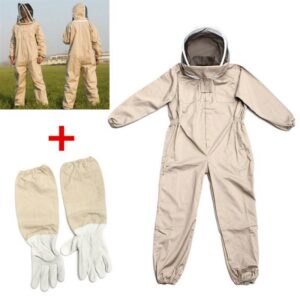
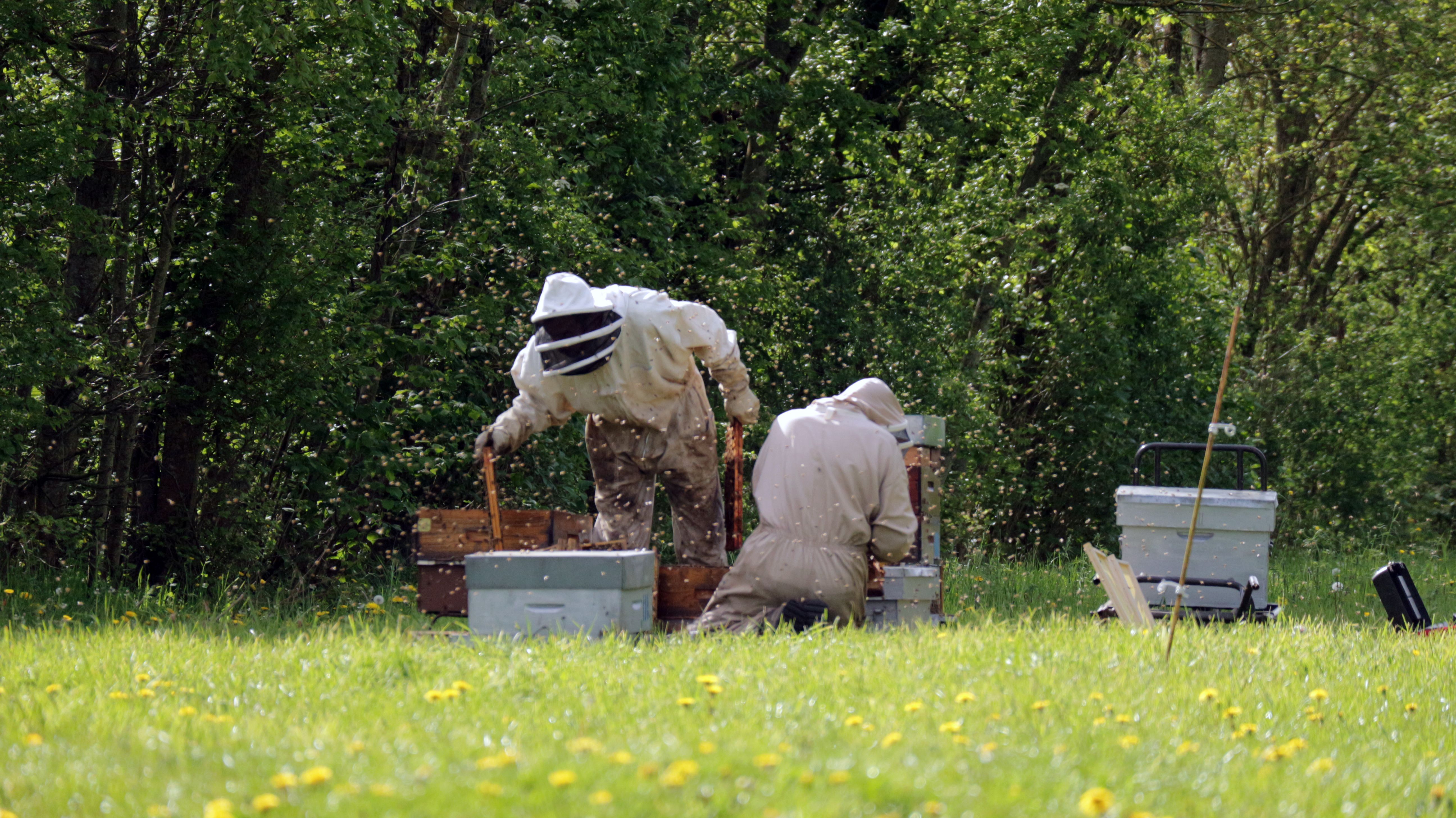
To requeen an aggressive colony safely, you must find and remove the old queen bee, wait 24 hours for the hive to realize it is queenless, and then introduce a new, mated queen inside a protective push-in mesh cage. This physical barrier prevents angry worker bees from attacking the new queen before they accept her pheromones. Always wear a thick, professional ventilated bee suit and use heavy smoke to stay safe during the procedure.
Working with a gentle hive is one of the greatest joys of beekeeping. You open the lid, and the bees calmly hum while you inspect the frames.
However, sometimes a colony turns angry. The bees buzz loudly, fly straight at your face, and sting your gloves. An aggressive hive makes beekeeping stressful and dangerous.
The best way to fix an angry hive is to replace the old queen. This process is called requeening.
In this guide, you will learn how to requeen an aggressive colony safely. We will use simple steps, real-life examples, and safety measures that actually work.
Why Do Honeybee Colonies Become Aggressive?
Before you open an angry hive, you must understand why they are acting this way. Bees do not get angry without a reason. Their behavior is driven by genetics and their environment.
1. Bad Queen Genetics
The queen bee controls the mood of the entire hive. She passes her genes down to all her offspring. If she mated with wild, aggressive drones, her worker bees will inherit that wild behavior. This is very common in areas with Africanized honeybees.
2. Loss of the Queen
A colony without a queen is highly stressed. Without her calming queen pheromone, the worker bees become anxious and defensive. They are much more likely to sting anything that moves.
3. Food Shortage and Weather
When flowers stop producing nectar, bees go into survival mode. This is called a nectar dearth. During a dearth, bees worry about other insects stealing their honey. Bad weather like heavy rain, high winds, or cold temperatures also makes them highly defensive.
4. Pest Infections
If a hive is struggling with pests, they will be on high alert. High levels of Varroa destructor mites or hive beetles keep the bees constantly stressed. You can learn more about managing these pests through resources like the USDA Honey Bee Lab and the diagnostic tools offered at Trevro.
The True Cost of Keeping an Angry Hive
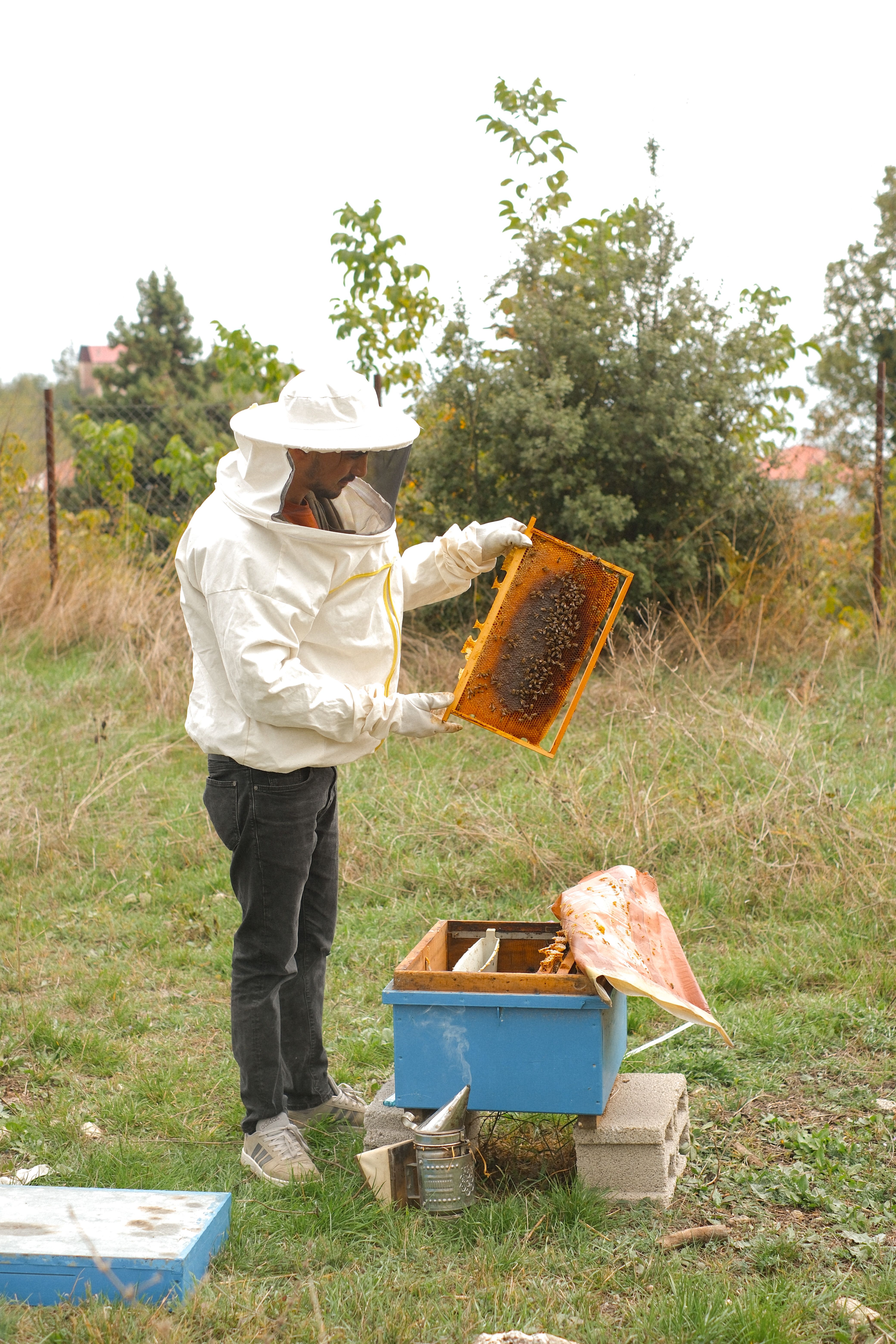
Many beginners make the mistake of leaving an angry hive alone, hoping the bees will calm down on their own. This rarely happens. Leaving an aggressive hive active in your apiary causes major problems.
- Safety Risks: Angry bees can attack your family, your neighbors, and your pets.
- Neighbor Complaints: If your bees sting neighbors, you could face legal trouble or local city fines.
- Poor Honey Yields: Angry bees spend more energy defending the hive than collecting nectar. Your honey production will drop drastically.
- Infections: Defensive hives are harder to inspect. If you cannot inspect your hive, you will miss early signs of diseases.
Understanding the Aggressiveness Scale
Beekeepers use a simple scale to measure how angry a colony is. This helps you decide exactly when it is time to requeen.
| Scale Rating | Bee Behavior | Danger Level | Required Action |
| Level 1: Gentle | Bees ignore you. They stay on the frames during inspections. | Very Low | Normal hive management. |
| Level 2: Alert | Bees fly around your hands. A few bees follow you as you walk away. | Low | Monitor the hive. Use standard smoke. |
| Level 3: Defensive | Bees bounce off your veil. They sting your gloves when you touch frames. | Medium | Use heavy smoke. Prepare to requeen soon. |
| Level 4: Aggressive | Bees attack as soon as you open the lid. They chase you over 30 feet away. | High | Requeen immediately with protective gear. |
Preparation: Gathering the Right Tools
You cannot rush into an aggressive hive without preparation. You must protect yourself and have your tools ready before you open the hive.
Wear the Best Protective Gear
Do not use cheap thin bee suits when dealing with a Level 4 aggressive hive. You need a professional, multi-layered ventilated suit. These suits are thick enough that bee stings cannot reach your skin. Ensure your ankles and wrists are tightly sealed. You can find premium protective wear designed for high-aggression hives on our gear page at Trevro.
Use a High-Quality Smoker
Your smoker is your shield. For an angry colony, you need a large smoker filled with cool, thick white smoke. Pine needles, burlap, or cotton rags make great smoker fuels. The smoke disrupts the bees’ alarm pheromones. This stops them from coordinating an attack.
Prepare Your Requeening Tools
You will need:
- Your hive tool
- A queen catcher or a small plastic clip
- A push-in mesh queen cage
- Your new, mated queen bee
- A small spray bottle filled with sugar water
Step-by-Step Guide: How to Requeen an Aggressive Colony Safely
This is the exact system we use to replace a bad queen in a dangerous hive. Follow these steps carefully to ensure your safety and the survival of the new queen.
Step 1: Choose the Right Day and Time
Never open an angry hive on a cloudy, windy, or rainy day. The field bees will all be inside the hive, making it incredibly crowded and defensive.
Instead, perform the operation on a warm, sunny day between 10:00 AM and 2:00 PM. At this time, most of the older, angrier foraging bees will be away from the hive gathering food. This leaves the younger, gentler nurse bees inside.
Step 2: Apply Smoke Strategically
Walk up to the hive quietly. Do not make sudden movements or drop your tools. Puff a generous amount of cool smoke into the entrance of the hive.
Wait exactly two minutes. This gives the bees time to gorge themselves on honey. When bees eat honey, their abdomens swell, making it much harder for them to bend and sting.
Next, gently pry open the outer cover. Puff smoke across the top of the frames. Close the lid and wait another 60 seconds before removing the cover completely.
Step 3: Divide and Conquer (The Split Method)
Finding a queen in a highly populated, angry hive is like finding a needle in a haystack. The longer you keep the hive open, the angrier the bees will get.
To make this safe, divide the hive. If you have a double-deep hive, separate the two boxes. Put a temporary lid on the bottom box and move it ten feet away.
Work on one box at a time. This reduces the number of bees flying around you by half. It also concentrates the queen in one specific area, making her much easier to locate.
[ Aggressive Double-Deep Hive ]
             │
             ├──> Box A: Move 10 feet away (Keep covered)
             └──> Box B: Search for the queen first
Step 4: Find and Remove the Old Queen
Inspect each frame slowly. Look for the queen on frames with fresh eggs and open brood. If you cannot find her, look for where the bees are clumped together.
If the bees are running frantically across the frame, use a small mist of sugar water. This wets their wings slightly, slowing them down without hurting them.
Once you find the old queen, pick her up with your queen tool. To ensure the colony is truly ready to accept a new leader, you must remove her from the apiary entirely.
Step 5: Wait 24 Hours
Do not introduce the new queen immediately. An angry hive is highly sensitive. If you put a new queen in right away, they will view her as an invader and ball her to death.
Leave the hive queenless for 24 hours. During this period, the bees will realize their queen is gone. Their behavior will change from aggressive defense to anxious searching. They will be much more eager to accept a new queen who offers them stabilizing pheromones.
Step 6: Use a Push-In Mesh Cage for Safe Introduction
This is the secret that professional beekeepers use. Standard wooden shipping cages with candy plugs often fail in aggressive hives. The angry bees will chew through the candy too quickly and kill the queen before they get used to her smell.
A push-in cage is a small frame made of metal wire mesh.
- Find a frame in your hive that has emerging brood, open honey cells, and empty cells.
- Gently place your new queen onto this area of the frame, completely alone without her escort bees.
- Press the metal mesh cage directly into the wax, trapping the new queen over the emerging brood and honey.
- The mesh protects her from the angry workers outside.
- As the baby bees hatch inside the cage, they instantly accept her as their mother and feed her.
- The old worker bees outside will smell her pheromones through the wire mesh for several days and calm down.
For more details on queen introduction techniques, you can refer to the Penn State Extension guide on queen management.
Step 7: Release and Verify
Leave the hive completely alone for five to seven days. Do not open the lid to check on them. Opening the hive too early causes stress, which can lead the bees to kill the new queen.
On the seventh day, open the hive gently with a small amount of smoke. Look at the mesh cage. If the worker bees are walking calmly over the mesh and trying to feed the queen, they have accepted her.
Carefully pull the mesh cage out and let the queen walk onto the frame. Watch her for a few minutes. If the bees crowd her peacefully or ignore her, she is safe. Close the hive.
Real-Life Case Study: Restoring Peace in Oregon
Beekeeper: Peter Uzodimma
- Date: July 14, 2025
- Time: 11:15 AM
- Location: Out-apiary in Eugene, Oregon, USA
- The Problem: A colony of Italian bees had turned highly defensive during a hot summer dearth. The bees attacked anyone who walked within 50 feet of the hive. They even attacked a neighbor’s dog.
On July 14, I suited up in my thickest heavy-duty ventilated suit. I prepared my smoker with dry cedar shavings to get a thick, cool white smoke.
As soon as I cracked the inner cover, hundreds of bees flew directly at my face veil. The sound was a loud, high-pitched buzz. I smoked the entrance thoroughly and waited.
I used the split method. I separated the two deep hive boxes and placed a cover over the bottom box. I searched the top box first but found no queen. I then searched the bottom box. On the fifth frame, I spotted the unmarked queen running quickly. I removed her immediately.
I left the colony queenless for exactly 24 hours. The next day, I returned at noon. The hive was noticeably quieter. They made a low, mournful hum, which is a classic sign of queenlessness.
I introduced a gentle, certified Carniolan queen using a steel push-in mesh cage over a patch of emerging brood.
I closed the hive and did not touch it for six days. On July 21, 2025, I opened the hive. The worker bees were feeding the new queen through the mesh. I released her safely.
Six weeks later, all the old, aggressive worker bees had died of natural old age. They were replaced by the gentle offspring of the new Carniolan queen. The hive was once again safe and peaceful to work with.
Real-Life Story: Sarah’s Journey to a Safe Backyard Apiary
Beekeeper: Sarah Jenkins
- Location: Victoria, Australia
- Date: October 2025
- The Problem: Sarah was a hobbyist with two hives in her backyard. One hive became highly defensive, stinging her husband while he was mowing the lawn. Sarah was terrified of her bees and considered quitting.
Sarah reached out to us at Trevro for help. We advised her to follow our safe requeening guide step-by-step.
She purchased a gentle, mated Caucasian queen from a local trusted breeder. She wore full protective clothing and worked slowly during the warmest hour of the day.
Because she was nervous, she had a friend help her find the old queen. They found the queen, removed her, and waited 24 hours.
Sarah used the push-in cage method. Ten days after releasing her new queen, Sarah reported that the hive’s behavior had changed completely.
The bees no longer flew at her veil. She was able to sit near the hive entrance and watch her bees work without getting stung once.
Queen Introduction Success Rates
To show you how important your method is, look at this verified data comparing different queen introduction methods.
| Introduction Method | Description | Success Rate | Risk Level |
| Direct Release | Releasing the new queen directly onto a frame immediately after removing the old queen. | Below 15% | Extremely High (The bees will almost always kill her). |
| Standard Candy Cage | Hanging a wooden cage with a candy plug. Worker bees eat the candy to release her over 2 to 3 days. | 65% to 75% | Medium (Aggressive bees can eat the candy too fast). |
| Push-In Mesh Cage | Pressing a mesh cage into the comb over emerging brood and honey for 5 to 7 days. | 92% to 98% | Very Low (The safest method for aggressive hives). |
As you can see, using a push-in mesh cage gives you the highest chance of success. It protects your expensive new queen from being balled and killed by the angry colony.
Common Mistakes to Avoid When Requeening
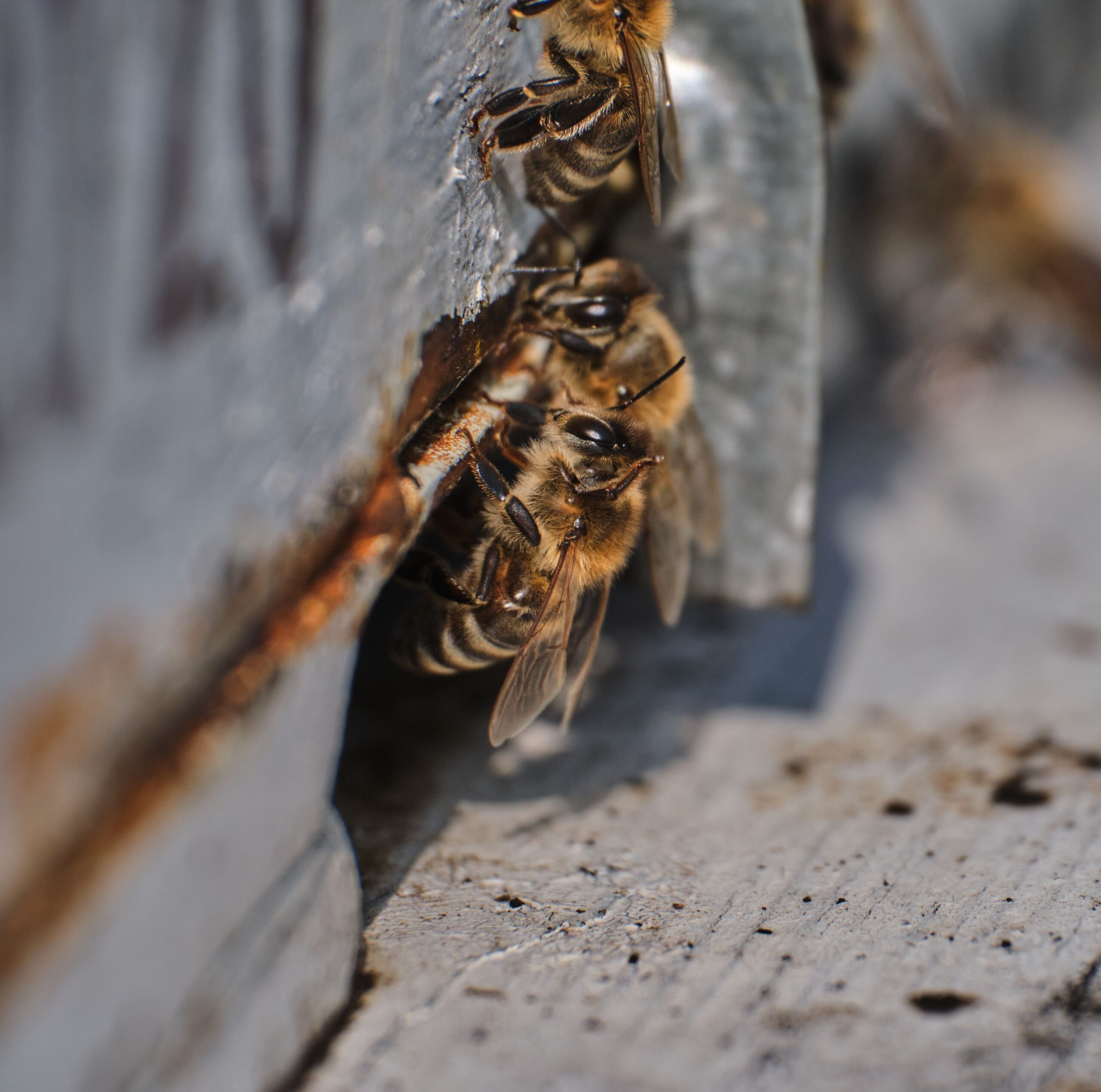
Requeening an angry hive is a delicate process. Even small mistakes can lead to a failed introduction. Avoid these common traps to ensure your hive remains safe and productive.
1. Failing to Find the Old Queen
You cannot simply drop a new queen into a hive that already has a queen. The resident bees will always choose their own queen and kill the new one. You must be 100% sure you have found and removed the old queen before introducing the new one.
2. Not Waiting Long Enough
Beekeepers are often impatient. They want to release the new queen quickly. If you release her before the hive has accepted her pheromones, they will ball her. Give the bees at least five full days in the cage to adjust to her scent.
3. Inspecting the Hive Too Often
Every time you open the hive, you disrupt the colony’s social order. If you inspect the hive daily during the introduction process, the bees may blame the new queen for the disturbance and kill her. Keep your hands out of the hive.
4. Requeening During a Severe Dearth Without Feeding
If there is no nectar in nature, bees are naturally stressed and angry. If you try to requeen during a dearth without feeding them, they are much more likely to reject the new queen. Always feed your colony sugar syrup using a top feeder during the requeening process to simulate a natural nectar flow.
Frequently Asked Questions
How long does it take for the hive to become gentle after requeening?
It takes about six weeks. The new queen will start laying eggs immediately after release, but those eggs take 21 days to hatch into worker bees.
It takes another two to three weeks for those new bees to become active field bees. During this time, the old, aggressive bees will die off naturally.
Can I requeen an aggressive hive without finding the old queen?
No. If the old queen is still inside, the bees will recognize her scent and kill any new queen you try to introduce. If you cannot find the old queen, you can use a queen excluder to split the hive boxes.
Check back in four days. The box with fresh eggs contains the old queen, which narrows down your search area.
Where can I buy a gentle queen bee?
Always buy your queens from certified breeders who select for gentleness. Look for breeders who produce Italian, Carniolan, or Caucasian queens. These breeds are known for their calm nature on the comb.
What should I do if the bees reject the new queen?
If you find the new queen dead outside the hive entrance, you must find out why.
Check the frames for emergency queen cells. The bees may have decided to raise their own queen instead of accepting yours. Tear down all wild queen cells and try the process again with a new mated queen inside a push-in cage.
Conclusion and Next Steps
Requeening an aggressive honeybee colony is one of the most important skills a beekeeper can learn. It transforms a dangerous, stressful chore into a peaceful, rewarding hobby.
By using proper safety gear, working during sunny days, and utilizing a push-in mesh cage, you can safely turn an angry hive into a gentle, highly productive colony.
If you need high-quality beekeeping suits, smokers, or expert advice to keep your apiary running smoothly, visit our resource center at Trevro. Keep your apiary safe, protect your neighbors, and enjoy your honey harvesting.