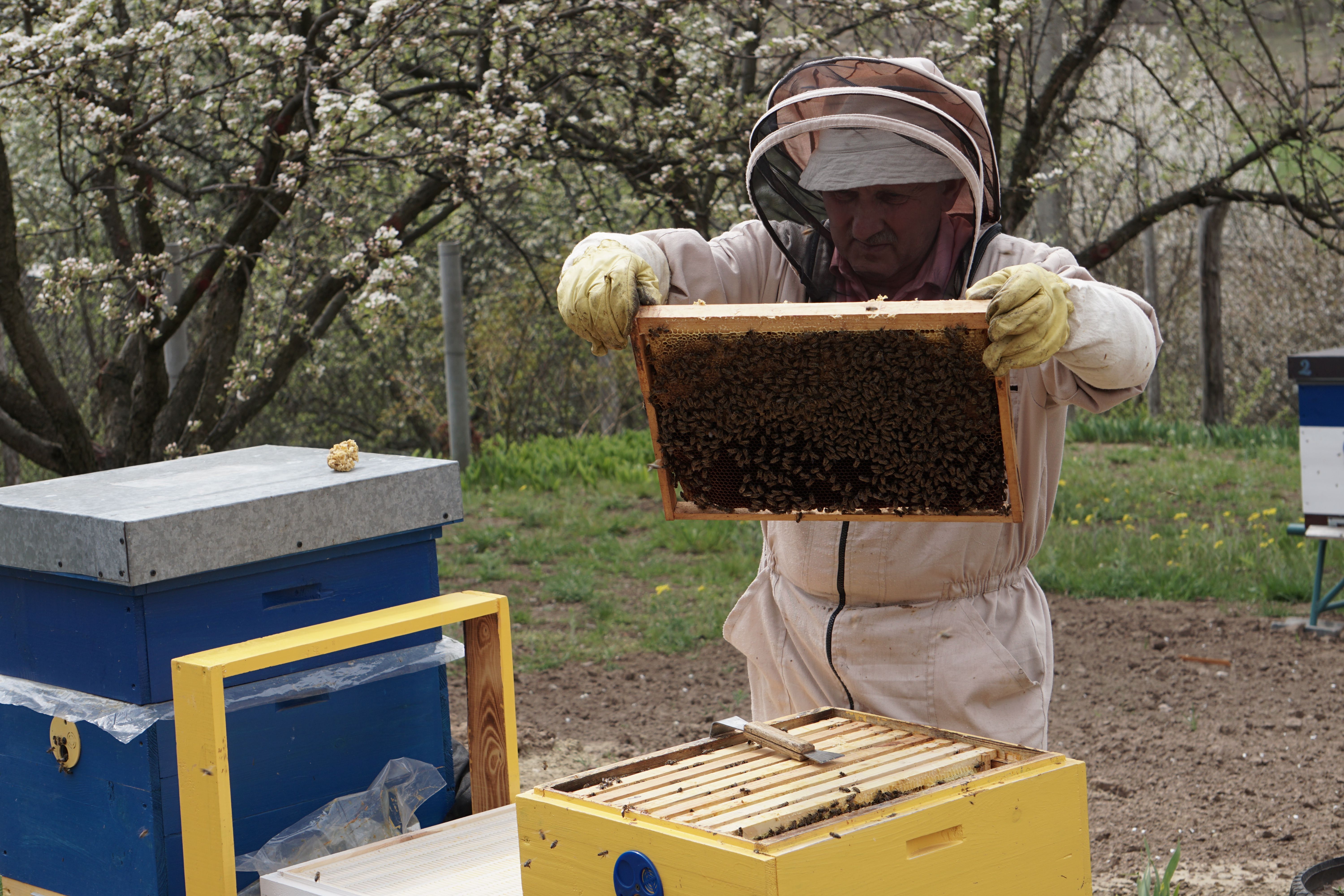
The best time of year to harvest honey in Nigeria is during the peak of the dry season, which runs from January to April. During these months, the weather is hot and dry, wildflowers are in full bloom, and honey bees have capped their honey cells with protective wax. Depending on your location, a minor secondary harvest may also occur between November and December immediately after the rainy season ends.
My name is Peter Uzodimma, and I am the founder of Trevro. At Trevro, we believe in sharing honest, practical, and highly researched agricultural guides.
If you want to maximize your honey yield and protect your bee colony, timing is everything. Harvesting too early results in watery, fermented honey. Harvesting too late means your bees might eat their own stores, leaving you with empty combs.
In this guide, we will look at the exact science, regional calendars, and hands-on signs that tell you when to harvest honey in Nigeria.
The Nigerian Climate and the Beekeeping Cycle
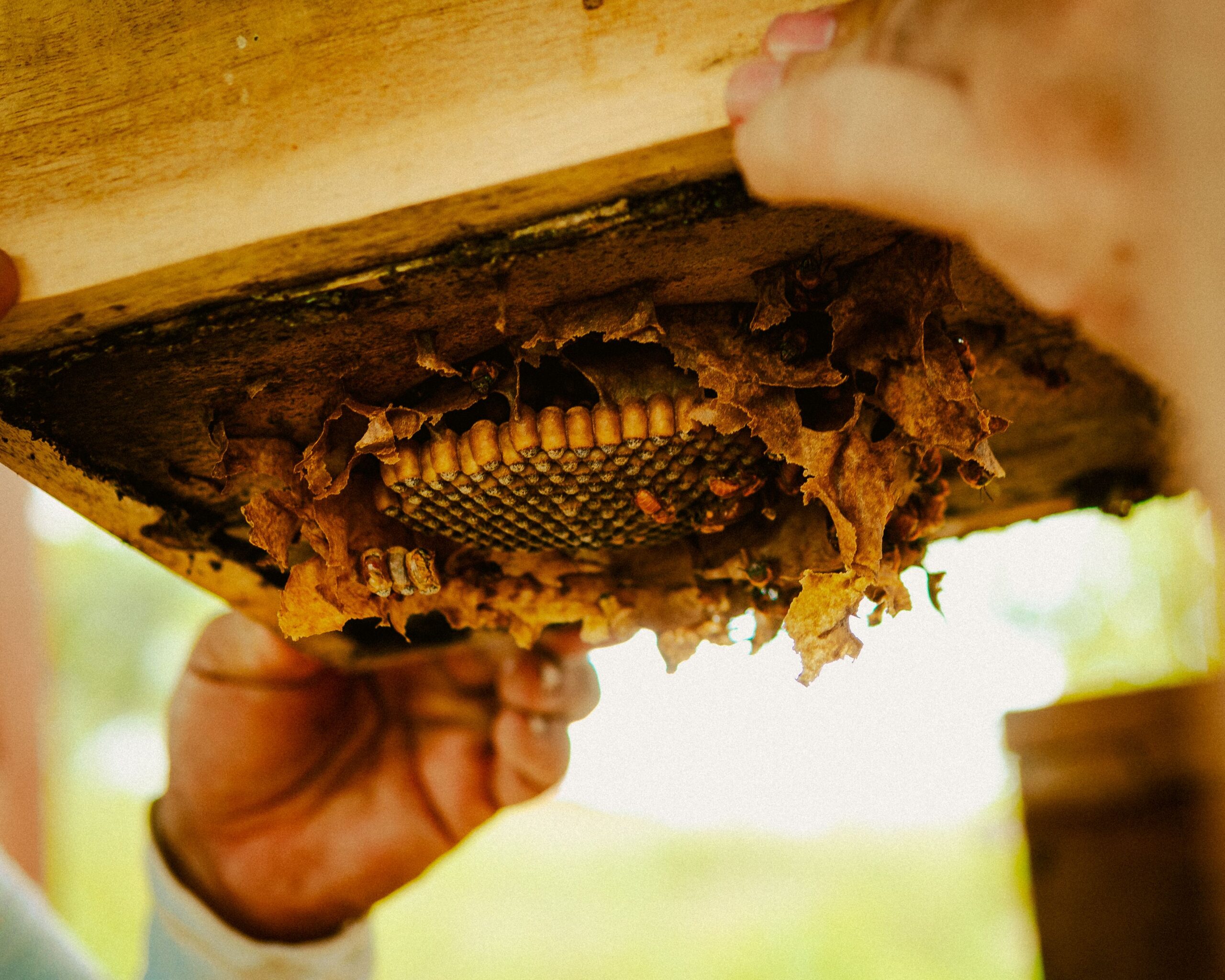
Nigeria has two distinct seasons that directly control how honey bees behave. These are the rainy season and the dry season.
The rainy season typically spans from April to October. The dry season runs from November to March.
  Rainy Season (April – October)      --->   Bees build brood, forage on limited blooms.
  Harmattan & Early Dry (Nov – Dec)   --->   Major nectar flow begins as trees flower.
  Peak Dry Season (Jan – April)       --->   Honey is cured, capped, and ready to harvest.
During the heavy rains, honey bees stay inside the hive to keep the brood warm. Nectar is scarce because rain washes away floral pollen.
When the dry season arrives, the bush comes alive with flowers. This is the period of the nectar flow.
Bees work tirelessly during the dry months to collect nectar. They bring it back to the hive, evaporate the water, and seal it in wax combs.
Why Timing is Everything: The Science of Capped Honey
To understand why January to April is the golden window, we must look at how bees make honey. Bees do not just store nectar; they process it.
They mix nectar with enzymes in their honey stomachs. Then, they fan their wings to evaporate the excess moisture.
According to the Food and Agriculture Organization (FAO), honey is only safe from fermentation when its moisture content drops below 20 percent. Once the moisture is low enough, the bees seal each comb cell with a thin layer of wax.
This process is called capping. If you harvest honey before it is capped, it will quickly turn sour and spoil.
The peak dry season provides the perfect low-humidity environment for bees to cure their honey. The warm dry wind helps dry out the nectar rapidly.
Regional Breakdown: When to Harvest Across Nigeria
Nigeria has a diverse geography, which means the perfect harvest date shifts slightly depending on where your apiary is located.
| Region in Nigeria | States Included | Primary Harvest Months | Secondary Harvest Months |
| Northern Savanna | Kano, Kaduna, Sokoto, Borno | February to April | None (Very dry winter) |
| Middle Belt | Plateau, Niger, Benue, Nasarawa | January to March | Late November |
| Southern Rainforest | Enugu, Abia, Imo, Delta, Edo | January to April | November to December |
Let us break down these regions so you can plan your harvest according to your local weather.
1. Northern Nigeria (Savanna and Sahel Zones)
The northern region experiences a long, dry, and intense harmattan season. Flowers bloom quickly after the brief rains end, and then the landscape dries out.
Beekeepers in states like Kano and Kaduna find that their main harvest happens between February and April. The dry heat of the north ensures that the honey has an exceptionally low moisture content.
2. The Middle Belt
The Middle Belt has a rich mix of savanna trees and agricultural crops. This region produces vast amounts of honey.
In areas like Jos and Minna, the harvest begins as early as January. Beekeepers must act before the extreme heat of late April, which can melt hive wax if hives are not properly shaded.
3. Southern Nigeria (Rainforest and Coastal Zones)
The southern region has a much longer rainy season and higher humidity. Because of this, southern bees work with a different calendar.
In states like Delta and Enugu, citrus trees, oil palms, and fruit orchards provide nectar almost year-round. This allows for a major harvest from January to April and a smaller, secondary harvest in November.
A Personal Experience from the Field
To show you how critical timing can be, let me share a story from my own journey.
On March 14, 2024, I visited our test apiary in Nsukka, Enugu State. The time was exactly 8:30 AM, and the air was crisp but warming up fast.
I was checking hive number four, which was a standard Kenya Top Bar Hive. I wore my full protective suit and gently puffed smoke into the entrance.
When I lifted the third frame, I saw a beautiful sight. The entire frame was covered in a thick, snow-white sheet of wax capping.
I decided to run a quick test on an uncapped frame nearby. I held the frame horizontally and gave it a gentle shake.
A few drops of thin, watery nectar splashed out onto the grass. This told me that while the capped frame was ready, the uncapped frame was still raw nectar.
Had I harvested that uncapped frame, the moisture would have ruined the entire batch of honey within three weeks. I harvested only the fully capped frames and left the rest for the bees to finish.
That morning, we extracted five liters of pure, golden honey with a deep, floral aroma. It was a perfect lesson in patience.
Case Study: How Alhaji Ibrahim Doubled His Yield in Niger State
Let us look at a real-life example of a local beekeeper who changed his harvesting habits.
Alhaji Ibrahim runs a medium-sized apiary just outside Minna, Niger State. For three years, Ibrahim followed a traditional habit of harvesting his honey in late November.
He noticed that his honey was often runny. Many of his bottles would build up gas, bubble, and taste sour after a few months.
In 2025, Ibrahim participated in a local agricultural workshop. He learned about the importance of waiting for the bees to cap their comb.
He decided to change his approach for the 2026 season. Instead of harvesting in November, he waited until the second week of February.
The results were outstanding.
- His average honey yield per hive increased from 7 liters to 15 liters.
- The water content of his honey dropped significantly, making it thick and slow-pouring.
- He did not lose a single bottle to fermentation.
By simply waiting for the peak of the dry season, Ibrahim doubled his profits and built a reputation for selling the highest quality honey in his community.
How to Know Your Honey is Ready: 5 Unmistakable Signs
You do not need expensive laboratory tools to know when to harvest. You only need to observe the hive.
Here are five clear signs that your honey is ready for extraction:
1. The 80% Rule
Check the frames inside your honey super. At least 80 percent of the cells on both sides of the frame must be sealed with wax cappings.
If only half of the frame is capped, do not harvest it yet. Give the bees another week or two to complete their work.
2. The Shake Test
Lift an uncapped frame and hold it flat above the hive. Give it a gentle but firm shake.
If liquid drops fall out, the nectar is still wet. If nothing drips, the honey is cured and safe to harvest, even if the bees have not capped it yet.
3. Hive Weight
A healthy, fully stocked hive feels incredibly heavy. When you gently tilt the back of the hive, it should feel anchored to the ground.
If the hive feels light, the bees have not stored enough surplus honey yet.
4. Decreased Foraging Activity
When the major nectar flow ends in late March, you will notice fewer bees flying in and out of the hive.
The bees will spend more time inside, fanning their wings to cure the stored honey. This slowdown in traffic is a great indicator that harvest time has arrived.
5. Strong Honey Scent
As you walk into your apiary during the peak dry season, you should smell a sweet, warm scent of honey in the air.
This scent is a sign that the bees are actively evaporating water from their stores.
Detailed Monthly Beekeeping and Harvesting Calendar
To help you plan your year, here is a detailed guide on what to expect every month in a typical Nigerian apiary.
| Month | Climate Condition | Bee Activity inside the Hive | Beekeeper Action Plan | Harvest Status |
| January | Peak Dry & Harmattan | High foraging, honey capping | Inspect hives, clear weeds | High Harvest Season |
| February | Very Hot & Dry | Honey storage, hive cooling | Harvest capped frames | Peak Harvest Season |
| March | Intense Heat | Storage ends, brood rearing | Harvest and shade hives | Peak Harvest Season |
| April | First Rains | Bees consume stores, build brood | Stop harvesting, feed weak hives | No Harvest |
| May | Heavy Rains | Brood rearing, high defense | Check for hive leaks and pests | No Harvest |
| June | Peak Rains | Colony survival, clustering | Clean apiary, repair equipment | No Harvest |
| July | Cool & Wet | Slow activity, pollen gathering | Monitor for hive beetles | No Harvest |
| August | Brief Dry Spell | Minor foraging, egg laying | Inspect queen health | No Harvest |
| September | Late Rains | Brood chamber expansion | Add empty supers to strong hives | No Harvest |
| October | Transition Period | First major blooms appear | Check hive weight and colony size | No Harvest |
| November | Dry Winds Begin | Rapid nectar collection | Inspect honey supers | Minor Harvest Possible |
| December | Cool Harmattan | Active foraging, early capping | Harvest fully capped frames | Minor Harvest Possible |
How to Harvest Honey Safely in Nigeria
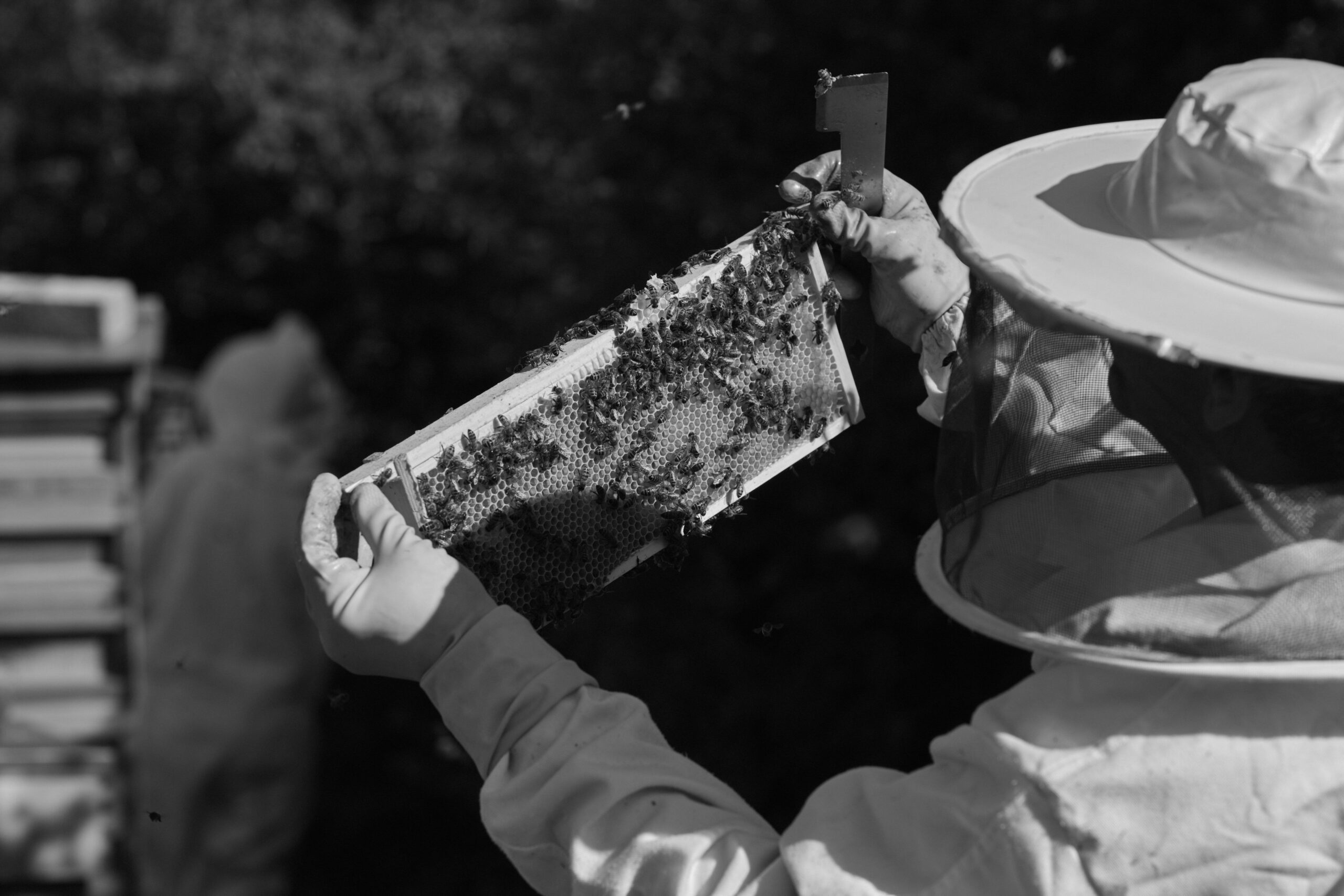
Harvesting honey is an exciting reward, but you must do it with care. The African honeybee, known scientifically as Apis mellifera adansonii, is highly defensive.
Follow these steps to ensure a safe and successful harvest:
Step 1: Choose the Right Time of Day
The best time to harvest is early in the morning between 6:00 AM and 8:30 AM, or late in the evening after 5:30 PM.
During these times, the air is cooler, which keeps the bees calm. Never harvest in the middle of a hot afternoon, as this makes the colony highly aggressive.
Step 2: Prepare Your Gear
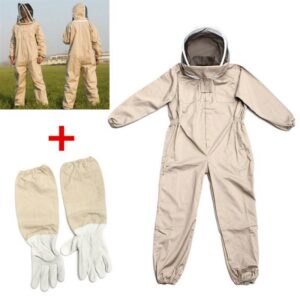
Make sure you have your protective suit, gloves, boots, a smoker, and a sharp hive tool.
You will also need clean, food-grade plastic buckets with airtight lids to hold your harvested combs.
Step 3: Use Smoke Wisely
Light your smoker using dry grass, palm kernel fiber, or dry wood shavings.
Puff a small amount of cool smoke into the entrance of the hive. Wait two minutes before opening the lid.
Do not use too much smoke. Excessive smoke can make your honey smell like charcoal, which lowers its market value.
Step 4: Remove and Brush the Bees
Carefully lift the ready frames. Use a soft bee brush or a clean bunch of leafy twigs to gently sweep the bees back into the hive.
Place the honeycombs quickly into your bucket and cover it with a lid to prevent other bees from robbing the honey.
Step 5: Leave Enough for the Colony
Never harvest all the honey in a hive. Your bees need honey to feed their young and to survive the upcoming rainy season.
A good rule of thumb is to leave at least two or three full frames of honey in the brood chamber.
Common Mistakes to Avoid
Many beginner beekeepers lose their honey crop or damage their colonies due to simple, avoidable errors.
- Harvesting Uncapped Honey: This is the most common mistake in Nigeria. It leads to high moisture content, which causes the honey to ferment and spoil.
- Harvesting During Rains: Never open your hive on a rainy day. High humidity will ruin the honey quality, and water entering the hive can stress the bees.
- Using Harmful Chemicals: Never use insect sprays or chemical repellents near your apiary. This will contaminate your honey and kill your colony.
- Poor Apiary Sanitation: Leaving wax scraps and honey drippings around your hives will attract pests like wax moths, ants, and hive thieves. Always clean your workspace thoroughly.
Frequently Asked Questions (FAQs)
Can I harvest honey twice a year in Nigeria?
Yes. In areas with rich vegetation, like the southern states and parts of the Middle Belt, you can have a major harvest between January and April, and a smaller harvest in November or December.
Why is my harvested honey cloudy?
Cloudy honey is usually caused by fine particles of pollen, wax, or air bubbles. It is completely safe to eat. You can clear your honey by letting it sit in a warm room for a few days, allowing the air and particles to rise to the top.
How do I store my harvested honey?
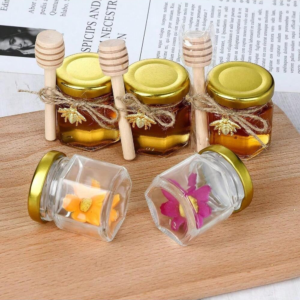
Store your honey in clean, dry glass jars or food-grade plastic containers. Ensure the lids are sealed tightly to prevent the honey from absorbing moisture from the air. Keep the jars in a cool, dark cupboard away from direct sunlight.
What should I do if my bees are too aggressive to harvest?
If your bees become highly defensive, close the hive immediately and walk away. Do not try to fight them. Wait for a cooler day or try harvesting earlier in the morning when the temperature is lower.
Conclusion
Harvesting honey is the most rewarding part of apiculture. By waiting for the peak dry season from January to April, you ensure that your honey is fully ripe, thick, and delicious.
Remember to respect your bees. Always leave enough food for them to survive the wet months, and handle your hives with patience and care.
If you are looking for high-quality beekeeping tips, agricultural insights, or authentic local guides, keep exploring our resources here at Trevro.
Happy beekeeping!