The most effective way to prevent small hive beetles is to maintain strong, healthy bee colonies. Strong colonies defend themselves by chasing beetles into corners and trapping them with propolis. Combine colony strength with several proven methods: keep hives in full sunlight (beetles prefer shade), use screened bottom boards with oil trays to catch beetles, apply beneficial nematodes to the soil beneath hives to kill pupating larvae, and maintain a clean apiary free of wax scraps and old comb. Use chemical treatments only as a last resort, always following approved guidelines.
These steps work together to keep beetle populations low before they can overwhelm your hives.
What Are Small Hive Beetles and Why Should You Care?
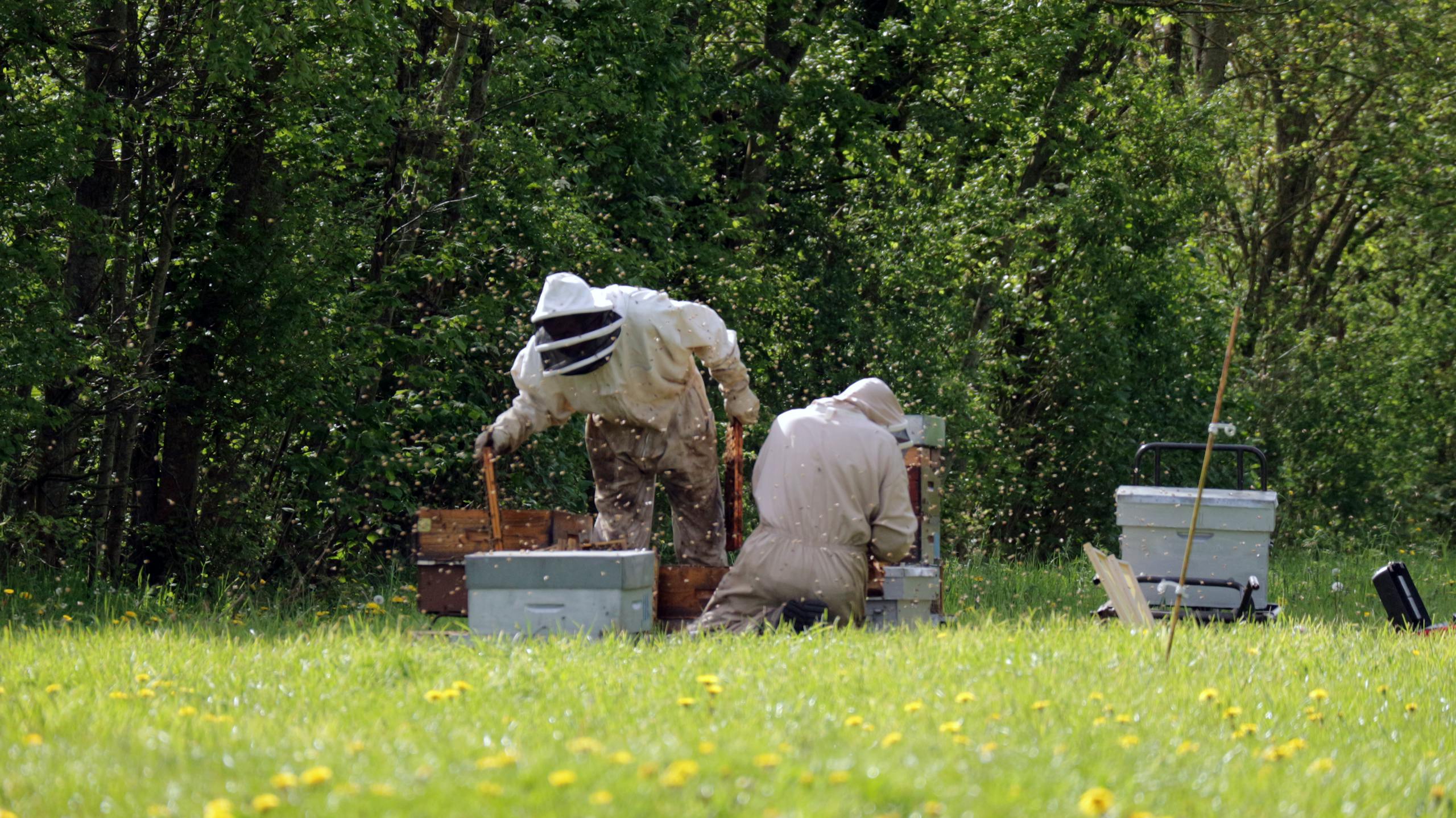
The small hive beetle (Aethina tumida) is a destructive pest that attacks honey bee colonies. These beetles originated in sub-Saharan Nigeria and have now spread to many parts of the world including North America, Australia, and various regions where beekeeping is practiced. Adult beetles are small, measuring about 5 to 7 millimeters in length. They are brown to black in color with clubbed antennae and can fly up to 15 kilometers to locate a honey bee colony.
Small hive beetles cause damage in several ways. Adult beetles eat honey and pollen. The larvae are far more destructive. They burrow through comb, piercing and damaging wax cells and cappings. They eat honey, pollen, and live honey bee brood including eggs, larvae, and pupae. As larvae feed and move through the hive, they defecate in the honey, causing it to ferment. This fermentation produces a foul smell often described as similar to rotting oranges. When infestations become severe, entire colonies may abandon the hive. Beekeepers have reported the rapid collapse of even strong colonies.
Understanding the beetle’s life cycle helps you target your control efforts effectively. Adult beetles can live for up to six months inside a hive before their presence becomes obvious. Females lay masses of eggs in cracks and crevices within the hive. Eggs hatch into larvae in about two to three days. The larvae feed for 10 to 14 days, then leave the hive and burrow into the soil nearby to pupate. After about three to four weeks, new adult beetles emerge from the soil and fly off to find new hives to infest.
This life cycle offers several points where you can intervene. The most important is the soil stage, because this is where you can kill beetles before they mature and spread to other colonies.
Maintain Strong Colonies: Your First Line of Defense
The single most effective prevention method is keeping your bee colonies strong and healthy. Strong colonies have large populations of worker bees that actively patrol the hive. These bees will chase beetles, corner them, and encase them in propolis (bee glue) where they cannot escape or reproduce. Weak colonies simply do not have enough bees to defend against beetle invasion.
To maintain colony strength, you must practice good beekeeping fundamentals. Monitor your queen’s performance and replace failing queens promptly. Ensure colonies have adequate food stores. Control other pests like varroa mites that weaken colonies. Provide clean water sources, especially during dry seasons. The Food and Agriculture Organization notes that adopting sustainable livestock management practices is essential for long-term food security and preserving biodiversity.
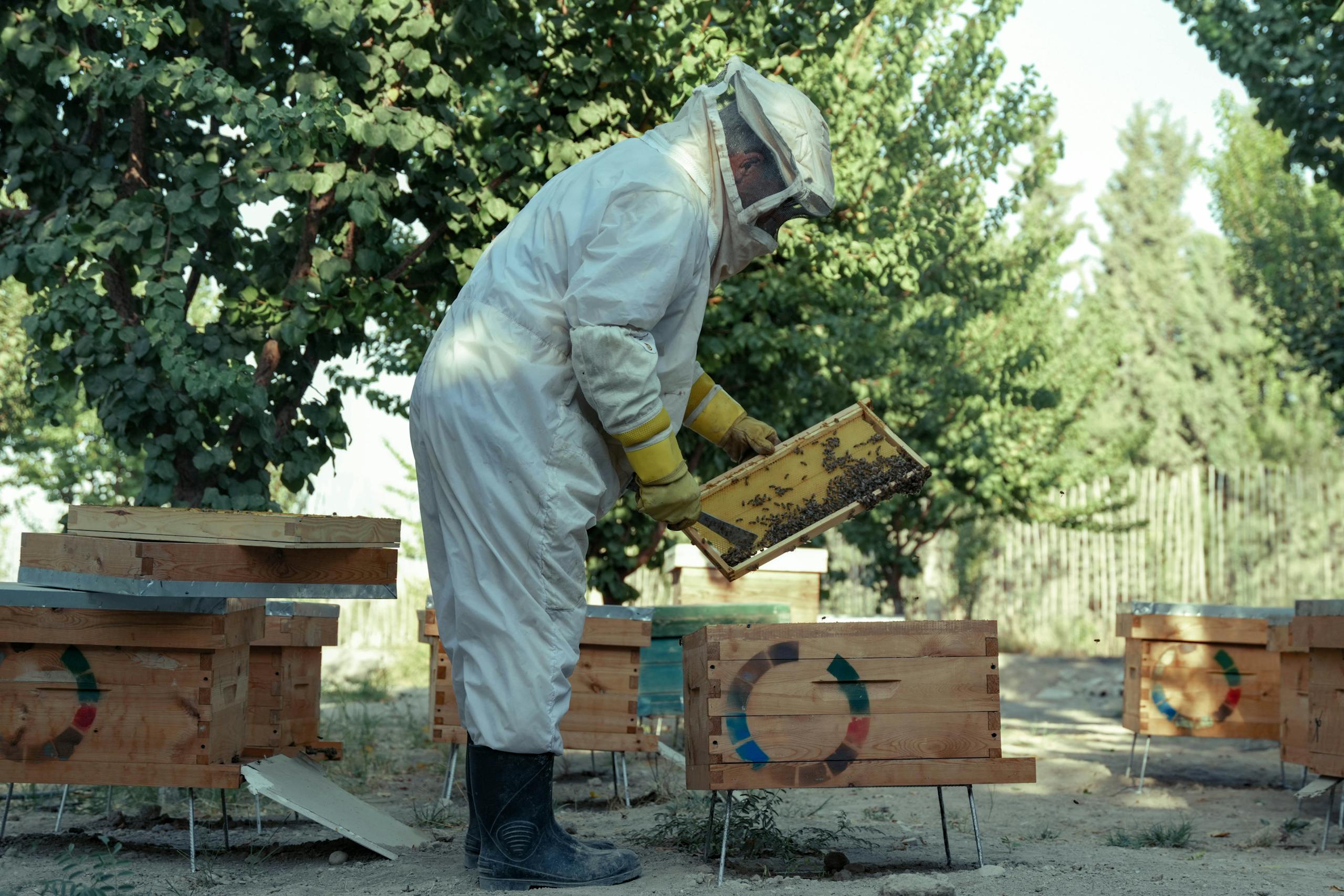
Regular inspections help you catch beetle problems early. Look for adult beetles running across combs or hiding in corners. Check for larvae in the brood nest or honey supers. The presence of larvae indicates a significant infestation or a weak colony. Early detection allows you to act before damage becomes severe.
Cultural Prevention Methods: Smart Hive Management
Cultural controls are management practices that create an environment unfavorable for beetles without using chemicals. These methods are safe, cost little or nothing, and work well when applied consistently.
Keep Hives in Full Sunlight. Small hive beetles prefer dark, shaded locations. Placing your hives where they receive direct sunlight for most of the day creates an environment that beetles dislike. This simple step can significantly reduce beetle pressure in your apiary.
Use Screened Bottom Boards. A screened bottom board allows beetles to fall through the screen where they cannot climb back up. Place a tray filled with vegetable oil, mineral oil, or soapy water beneath the screen. Beetles fall into the tray and drown. Research shows this method effectively reduces adult beetle populations.
Maintain a Clean Apiary. Beetles thrive on wax scraps, old comb, and spilled honey around the apiary. Remove all debris promptly. Do not leave burr comb or cappings on the ground. Store empty supers and frames in sealed containers or freeze them for at least 24 hours before storing. Never stack infested supers onto strong colonies, as this spreads beetles.
Manage Hive Space Properly. Give colonies only as much space as they can guard and patrol. When a colony is too small for its hive volume, bees cannot defend all areas effectively. Beetles find unprotected spaces where they can lay eggs without interference. Add supers only when the colony has enough bees to cover the additional frames.
Avoid Feeding Pollen Patties Unnecessarily. Beetles are attracted to protein sources, especially pollen substitutes. If you must feed pollen patties, use smaller pieces that bees can consume quickly. Do not leave uneaten patties in the hive where they attract beetles.
Monitor Hive Entrances. Reduce entrance size when beetle pressure is high. A smaller entrance is easier for guard bees to defend. Some beekeepers install entrance reducers during periods of high beetle activity.
Mechanical Control Methods: Traps That Catch Beetles
Mechanical controls use physical devices to trap and kill beetles. These methods are safe for bees when used correctly and can dramatically reduce beetle numbers.
In-Hive Oil Traps. Oil traps remain one of the most reliable methods for reducing adult beetle populations inside the hive. These traps are plastic containers with small slots that allow beetles to enter but exclude bees. Fill the trap with vegetable oil or mineral oil to about one-third full. Beetles seeking dark hiding places enter the trap and drown in the oil. Place two or three traps between frames in areas where beetles congregate. Check and refill traps every two to three weeks during warm weather.
Beetle Blaster Traps. The Beetle Blaster is a popular commercial trap. It is a clear plastic container that fits between frames. The clear plastic allows you to monitor oil levels and count captured beetles without removing the trap. Small slots on the top allow beetles to enter. Fill with vegetable oil, mineral oil, or a mixture of oil and apple cider vinegar. Some beekeepers add a small amount of diatomaceous earth to the oil to increase effectiveness.
Unscented Dryer Sheets. Some beekeepers report success placing pieces of unscented dryer sheets in hive corners. Beetles become tangled in the fibers. This method is simple and inexpensive, though scientific research on its effectiveness is limited.
Guardian Hive Entrance. The Guardian is a specialized entrance that fits onto the front of the hive. It features a textured floor and narrow channels. Beetles entering the hive become trapped in these channels where they can be removed. This device provides continuous, chemical-free beetle control at the hive entrance.
CD Case Traps. A homemade alternative uses empty CD cases. Fill the case with a mixture of shortening (Crisco) and boric acid or borax. Punch small holes in the case for beetle entry. Place the case on the bottom board. Beetles enter and contact the mixture, which kills them.
Biological Control: Using Nature Against Beetles
Biological control uses natural enemies to reduce pest populations. This approach is environmentally friendly and sustainable over the long term.
Beneficial Nematodes. Entomopathogenic nematodes (also called beneficial nematodes) are microscopic worms that live in soil and kill insect larvae. These nematodes have been shown to effectively control small hive beetle larvae when applied to the soil beneath hives. The nematodes enter beetle larvae in the soil and release bacteria that kill the host within 48 hours. Research comparing eight different beneficial nematode species found that Steinernema carpocapsae and Heterorhabditis floridensis are particularly effective against small hive beetles. Studies show these nematodes can cause over 90 percent mortality of beetle larvae in sterile soil and over 80 percent in natural soil conditions.
Apply beneficial nematodes to moist soil beneath and around hives during warm weather when beetle larvae are pupating. Follow package instructions carefully. Nematodes require moisture to survive and move through soil. Water the treated area before and after application for best results.
Fungal Biocontrol. Research is ongoing into fungal pathogens that specifically attack small hive beetles while sparing honey bees. Some strains of fungi show promise as in-hive biocontrol agents. This approach is still developing but represents a potential future tool for beekeepers.
Bacterial Pesticidal Proteins. Researchers at the University of Florida have identified three bacteria-derived proteins that are toxic to small hive beetles but harmless to honey bees. These proteins could be delivered as a dietary supplement in the future, offering another targeted biological control option.
Chemical Control: Use With Caution
Chemical treatments should be used carefully and only when other methods prove insufficient. Always follow label instructions exactly. Never apply chemicals to hives during honey flow periods.
Approved In-Hive Treatments. Coumaphos and permethrin are the only two insecticides currently authorized for use in small hive beetle control in the United States. Coumaphos is available in strip form (CheckMite+). Permethrin is available as GardStar for soil treatment. Few approved chemical controls exist, and research continues to identify new options.
Soil Drenches. Permethrin (sold as GardStar) is registered as a soil drench for small hive beetle control. This treatment is applied to the ground beneath and around hives to kill beetle larvae and pupae in the soil. GardStar has shown 100 percent mortality of beetle larvae in research trials. Apply according to label directions. Do not allow the chemical to contact bees directly. Soil drenches are most effective when applied during periods when larvae are leaving hives to pupate.
WARNING: What NOT to Use. Research shows that gel roach baits and their active ingredients are toxic to honey bees and pose a serious risk to colony safety if used as in-hive treatments. Never use household pest control products inside beehives. Always use products specifically labeled for beekeeping use.
Pesticide Resistance. Be aware that small hive beetles have developed resistance to some pyrethroid and organophosphate insecticides in certain regions. Rotating control methods and relying primarily on non-chemical approaches reduces the risk of resistance development.
Soil Treatment: Breaking the Beetle Life Cycle
Since beetle larvae must pupate in soil, treating the ground beneath hives offers a powerful control opportunity. This targets beetles at a vulnerable stage before they can mature and reproduce.
Beneficial Nematodes (Preferred). As described above, beneficial nematodes offer effective biological control of soil-dwelling beetle stages. This method is safe, sustainable, and does not harm beneficial soil organisms. Apply when soil temperatures are above 60°F (15°C) and the soil is moist.
Diatomaceous Earth. Diatomaceous earth is a natural powder made from fossilized algae. When applied to soil, it damages the exoskeleton of beetle larvae, causing them to dry out and die. Apply a thin layer to the ground beneath and around hives. Reapply after rain. Use food-grade diatomaceous earth only.
Permethrin Soil Drench (Chemical Option). GardStar (permethrin) is effective as a soil treatment. Mix according to label directions and apply to the soil surface beneath and around hives. Do not apply during honey flow. Keep bees away from treated areas until the chemical has dried completely.
Tarp or Landscape Fabric. Placing a tarp or heavy landscape fabric on the ground under hives prevents larvae from burrowing into the soil. Larvae that fall onto the tarp cannot pupate and will die. This method is simple and chemical-free. Replace or clean the tarp periodically to remove accumulated debris.
Equipment and Honey House Management
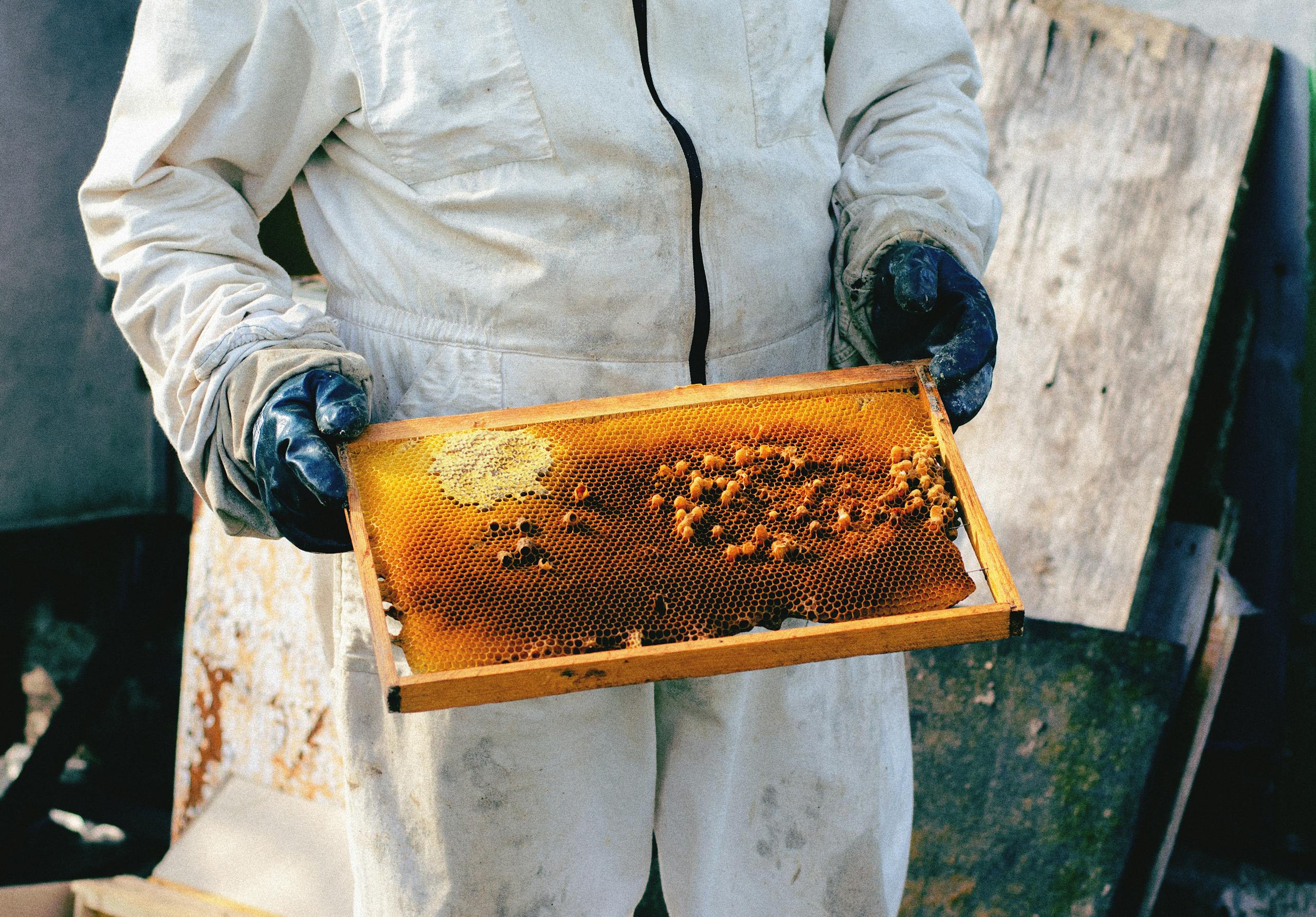
Beetle prevention extends beyond the apiary. Proper handling of honey supers and equipment prevents beetles from spreading and multiplying.
Extract Honey Promptly. Do not leave full honey supers sitting in the honey house for extended periods. Beetle eggs and small larvae present in supers will continue developing and can ruin extracted honey. Extract within two to three days of harvesting, or freeze supers for at least 24 hours to kill all beetle stages.
Freeze Comb Honey and Drawn Comb. Freezing for 24 hours kills beetle eggs, larvae, and adults. This is especially important for drawn comb being stored for future use. After freezing, store combs in sealed plastic bags or containers.
Maintain a Clean Honey House. Beetles are attracted to the smell of honey and beeswax. Keep extraction areas clean. Remove wax cappings and honey spills promptly. Do not leave cappings in open containers where beetles can access them.
Avoid Equipment Sharing Between Apiaries. Moving equipment from one apiary to another can spread beetles. Clean tools and equipment thoroughly before using them at different locations. Be especially careful when moving equipment from an area with known beetle infestations.
Special Considerations for Nigerian and African Beekeepers
Beekeepers in Nigeria and across Nigeria face unique conditions regarding small hive beetles. Since the beetle is native to sub-Saharan Nigeria, it has co-evolved with African honey bees (Apis mellifera adansonii in Nigeria). African bees show greater natural resistance to beetles compared to European honey bee strains. They are more hygienic and have shorter development times that limit beetle reproduction.
However, this does not mean African beekeepers can ignore beetle management. Weak colonies remain vulnerable. Intensive beekeeping practices can create conditions that favor beetle outbreaks. Suggested coping strategies for African beekeepers include adequate training on bee health maintenance and skilled management expertise to identify and combat problems.
In Nigeria specifically, integrated hive management strategies that include monitoring for insect pests and diseases have been evaluated in research conducted at the University of Lagos and surrounding areas. These strategies strengthen colonies and improve their ability to resist beetle infestations.
Additional considerations for Nigerian beekeepers:
- Grease barriers: Painting hive stand posts with grease can prevent crawling insects from reaching hives. This technique is used by some African beekeepers to control pests that climb up from the ground.
- Water supply: Providing regular water access for bees during dry seasons is essential for colony health. Healthy colonies resist beetles better.
- Local knowledge: Work with agricultural extension officers and experienced local beekeepers who understand regional pest patterns and effective control methods.
Monitoring and Early Detection
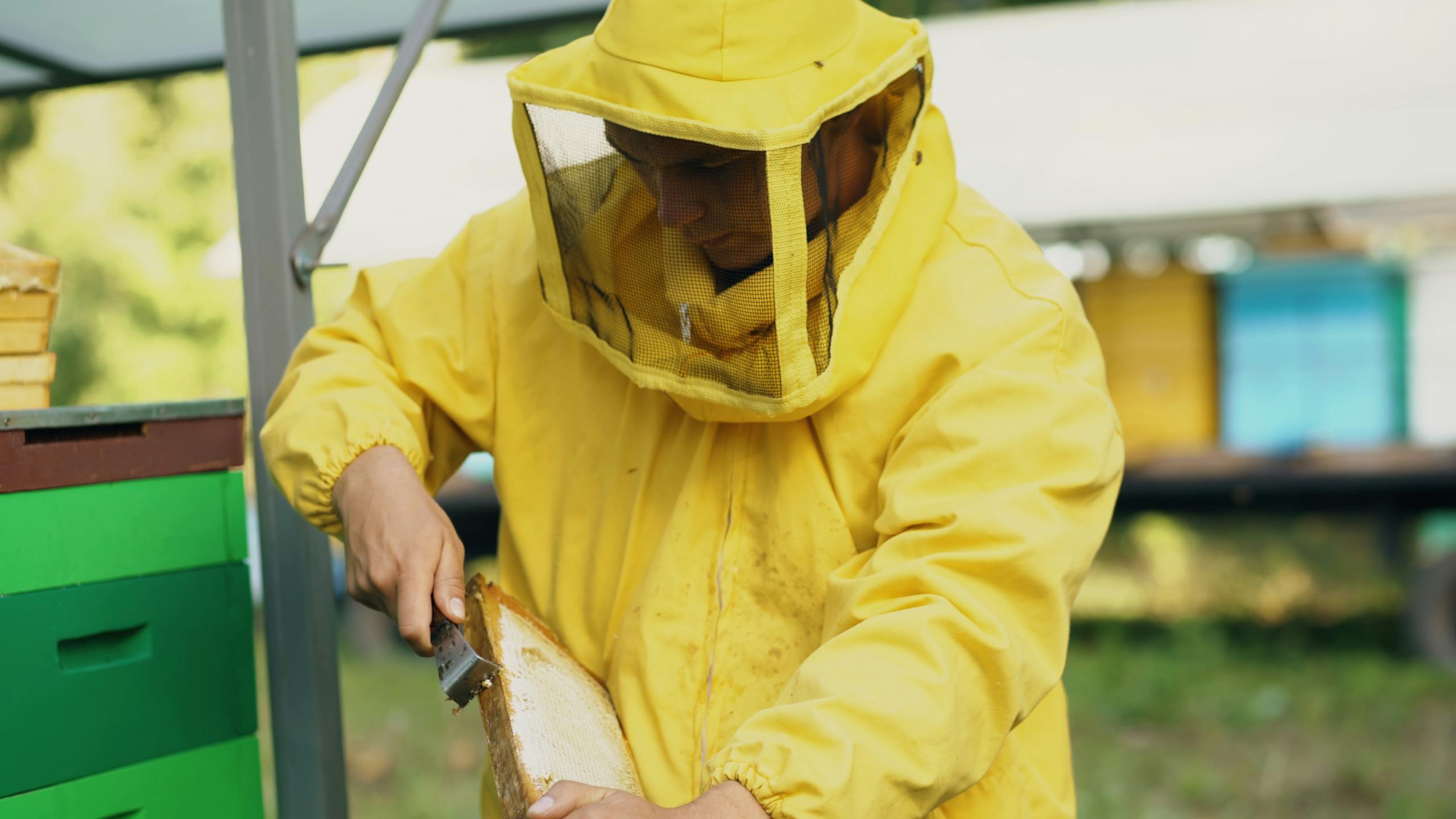
Regular monitoring helps you catch beetle problems before they become severe. Make inspection a routine part of your beekeeping schedule.
Visual Inspection. During every hive inspection, look for adult beetles. Check corners, crevices, and the underside of the inner cover where beetles often hide. Examine brood combs for signs of larval damage. If you see even a few larvae, take immediate action.
Use Traps for Monitoring. Oil traps provide a way to estimate beetle populations without opening hives frequently. Count captured beetles when you service traps. Rising numbers indicate increasing pressure and the need for additional control measures.
Inspection Frequency. Inspect colonies at least every two to three weeks during warm seasons when beetles are most active. Pay extra attention to weak colonies, newly established colonies, and colonies that have recently been split.
Record Keeping. Keep notes on beetle counts, treatments applied, and colony strength. This information helps you identify patterns and adjust your management approach over time.
When to Seek Help
If beetle infestations become overwhelming despite your best efforts, seek assistance from local agricultural extension services, experienced beekeepers, or professional apiculturists. Some infestations may require coordinated responses involving multiple beekeepers in an area.
In regions where small hive beetles are not yet established, any suspicion of their presence must be reported to agricultural authorities immediately to prevent spread. Early reporting protects the wider beekeeping community.
Conclusion: A Multi-Pronged Approach Wins
Preventing small hive beetles requires a combination of methods applied consistently. No single approach works perfectly in all situations. The most successful beekeepers combine:
- Strong, healthy colonies as the foundation
- Hive placement in full sunlight
- Screened bottom boards with oil trays
- In-hive oil traps
- Beneficial nematodes applied to soil beneath hives
- Clean apiary practices
- Prompt honey extraction and proper equipment storage
Chemical treatments should be reserved for situations where other methods prove insufficient, and only approved products should be used according to label directions.
Remember that small hive beetle management is an ongoing process, not a one-time fix. Regular monitoring, early detection, and consistent application of multiple prevention methods will keep your colonies healthy and productive.