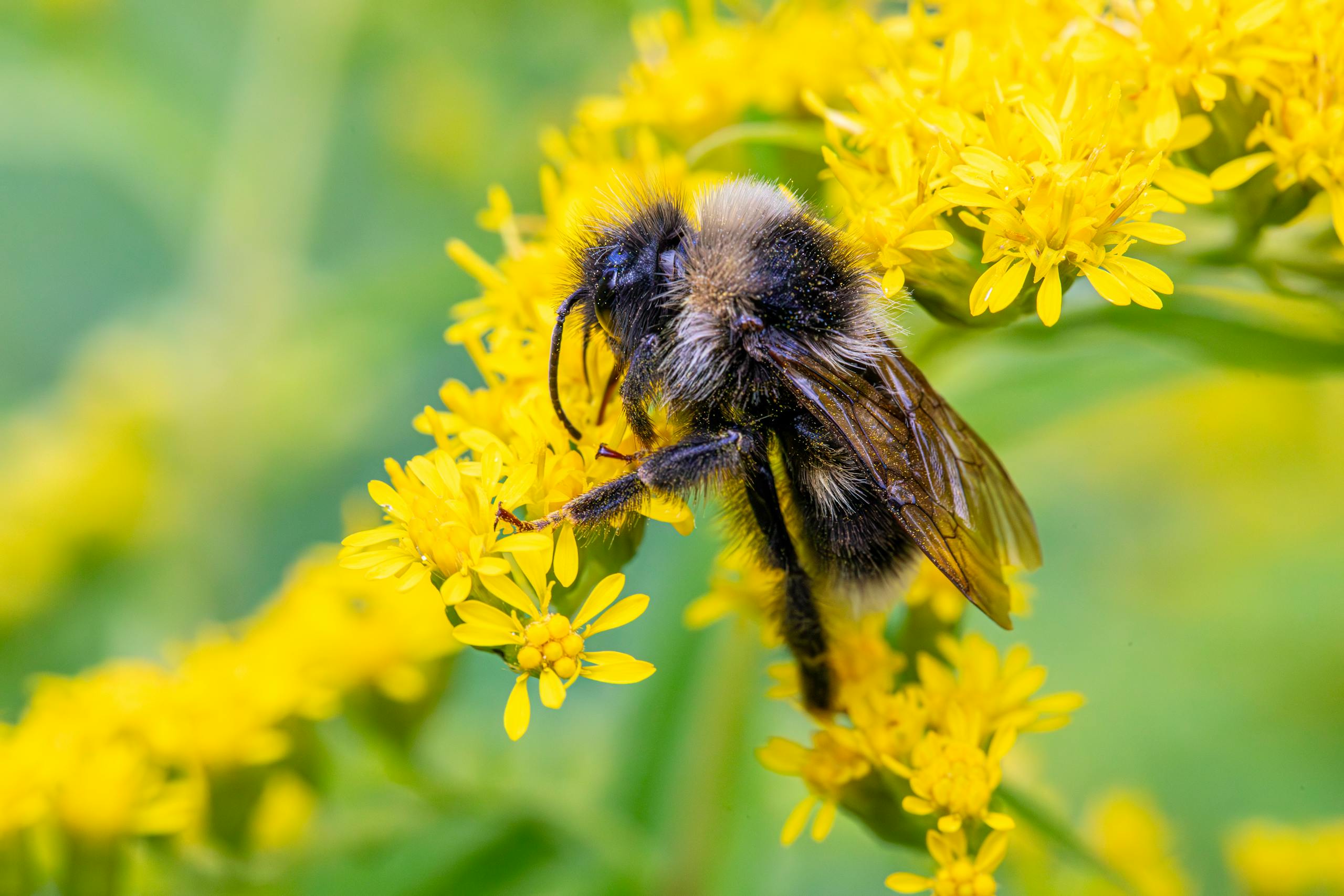
To attract bees to a new hive naturally, place 2 to 3 drops of lemongrass essential oil inside the hive box, position the hive in a shaded spot facing south or southwest between 9 and 15 feet off the ground, use old dark comb inside the box, rub beeswax on the interior walls, and set it up at least two weeks before swarm season begins in your area. Scout bees will find the hive, evaluate it, and signal the rest of the colony to move in.
That is the short answer. But if you want this to actually work, you need to understand the “why” behind each step. Read on.
Why Your New Hive Is Empty Right Now
You bought the hive. You set it up. You waited. Nothing happened.
This is one of the most frustrating things new beekeepers go through. The problem is not that bees are ignoring you. The problem is that your hive does not yet look like home to them.
Bees are extremely selective about where they live. They rely on their senses of smell and spatial judgment to evaluate a potential home before moving in. A brand new wooden box with no scent, no comb, and no pheromone trail registers as suspicious to scout bees.
Think of it this way. If you were looking for a new apartment and walked into a freshly painted, completely empty unit with no furniture and no smell, you might hesitate. Bees feel the same way about a raw, untreated hive box.
The good news is that you can change that. Every method I am about to share works with the natural instincts of bees, not against them.
Understanding Scout Bees First
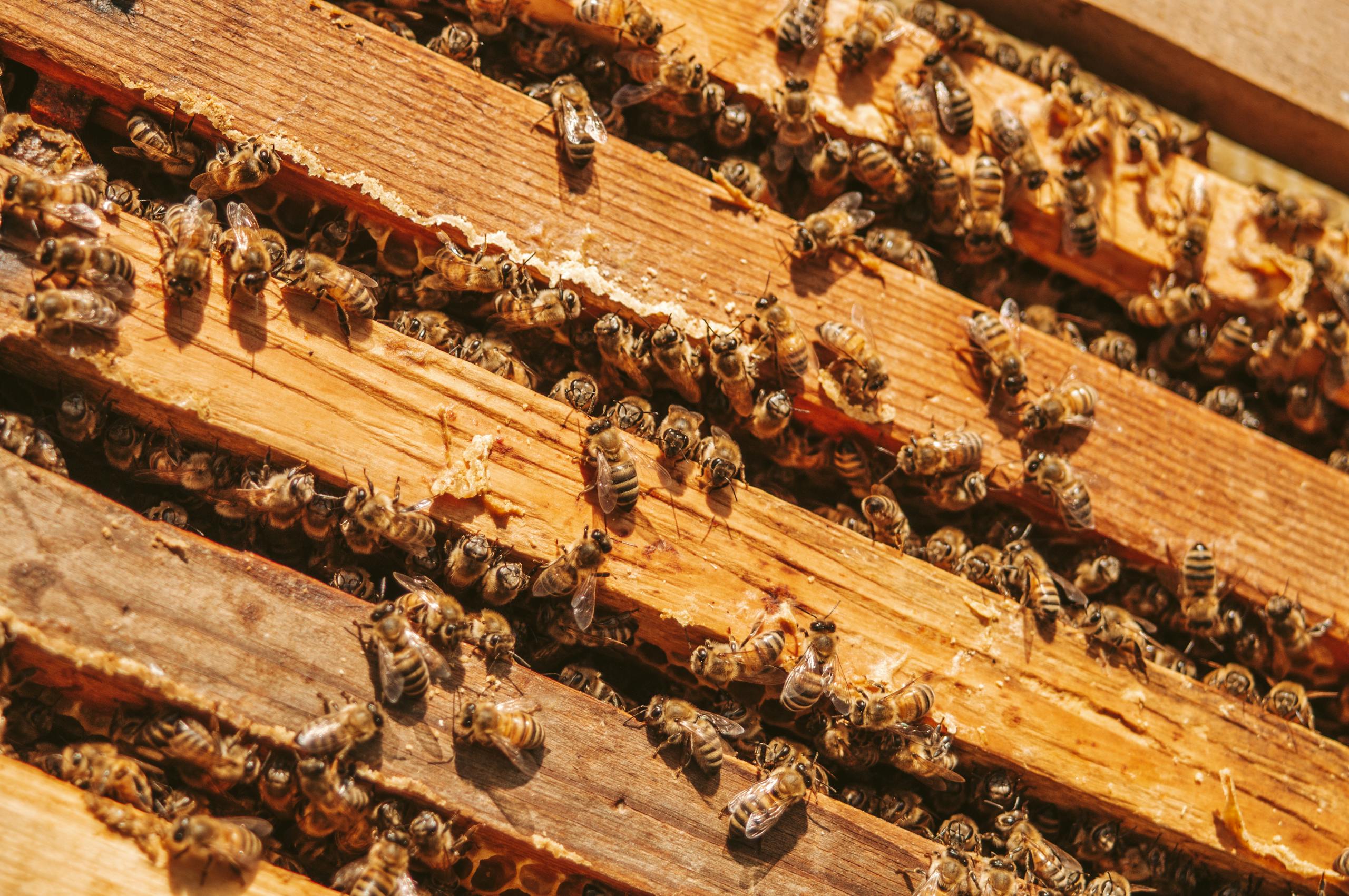
Before you do anything else, you need to understand how a swarm works.
When a colony gets too crowded, it splits. About half the bees, along with the old queen, leave to find a new home. This group of bees is called a swarm.
Before the swarm departs, the colony sends out scout bees. These scouts fly out in all directions, searching for suitable cavities. When a scout finds something promising, she goes back to the swarm cluster and performs a waggle dance. The intensity and duration of her dance signals how good the location is.
Other scouts visit the site and add their own dances if they agree. The best site wins the vote. Then the entire swarm moves to that location.
This process is documented extensively in Dr. Thomas Seeley’s research at Cornell University. His book Honeybee Democracy breaks it down in a way that is both scientific and fascinating. According to Seeley’s research, scout bees evaluate a potential nest based on five main factors: cavity volume, entrance size, entrance height, internal dryness, and the presence of previous bee occupancy.
Your job is to tick as many of those boxes as possible.
Method 1: Use Lemongrass Essential Oil
This is the most effective natural lure available to beekeepers today, and it is backed by real science.
Lemongrass oil contains two key compounds: citral and geraniol. These compounds closely mimic the Nasonov pheromone, which is a scent that worker bees release to orient other bees toward a safe location. When scout bees smell it, their instinct says “this place has been approved by other bees.” That is a powerful signal.
Here is exactly how to apply it:
Place 2 to 3 drops of pure lemongrass essential oil on a cotton ball. Put the cotton ball at the back of the hive box, near the top bars. You can also dab a tiny amount just inside the entrance, not outside where rain can wash it away quickly.
Do not overdo it. More is not better here. A strong, overwhelming scent can actually drive scouts away instead of attracting them. Think of it as a light whisper, not a shout.
Refresh the cotton ball every two to three weeks during swarm season.
My experience: In April 2024, I set up three bait hives on a farm in Bonadelle Ranchos, California. Two of them had lemongrass oil applied. One did not. By the third week of May, both lemongrass-treated hives had been colonized by swarms. The untreated hive remained empty through the entire season. That result is consistent with what many beekeepers report.
DIY Lemongrass and Beeswax Lure Recipe
If you want a lure that lasts longer than a cotton ball, make a beeswax-based paste:
- 1 tablespoon of beeswax pellets
- 1 teaspoon of olive oil
- 15 drops of lemongrass essential oil
Melt the beeswax and olive oil together using a double boiler. Remove from heat. Stir in the lemongrass oil as the mixture begins to cool and thicken. Pour it into a small tin. Allow it to set completely.
Apply one tablespoon of the paste to the inner back wall of the hive. This version lasts four to six weeks without needing to be refreshed.
Method 2: Use Old Dark Comb Inside the Hive
If you can get your hands on old drawn comb, use it.
Old brood comb contains absorbed beeswax, propolis, and the chemical residue of a previous colony. To scout bees, this scent combination sends a very clear message: “Other bees have successfully lived here before. It is safe.”
Research published by the USDA Agricultural Research Service has shown that bait hives containing old comb are consistently more effective than those using new foundation alone.
One or two old frames placed inside a 10-frame Langstroth deep box are enough. You do not need to fill the entire box with old comb.
Important safety note: Only use comb from hives you know to be disease-free. Old comb from an unknown source can carry American Foulbrood spores, which can wipe out your new colony within weeks of arrival. This is not something to be casual about.
If you do not have access to old comb, the next best option is to rub raw beeswax directly onto the interior walls of the hive box. This creates a familiar scent without the disease risk.
Method 3: Get the Hive Placement Right
This one step will make or break your success, and most beginners get it wrong.
Scout bees have preferences. They are looking for a cavity that:
- Is elevated off the ground (between 9 and 15 feet is ideal)
- Faces south or southwest to catch morning warmth
- Has some shade during the hottest part of the afternoon
- Is protected from strong wind
- Has an entrance near the floor of the cavity
Here is a breakdown of what the research says:
| Placement Factor | Ideal Specification | Why It Matters |
|---|---|---|
| Height off ground | 9 to 15 feet | Protects from predators, mimics natural tree cavities |
| Entrance direction | South or southwest | Morning sun warms the hive early |
| Shade coverage | Dappled or partial afternoon shade | Prevents overheating |
| Distance from wind | Sheltered side of a tree or building | Reduces temperature fluctuations |
| Entrance size | 1.5 to 2.5 square inches | Easy to defend against pests |
| Internal volume | 40 to 80 liters (10 to 18 gallons) | Standard Langstroth deep = about 42 liters |
A 10-frame Langstroth deep box falls almost exactly within the preferred volume range. This is one reason the Langstroth design has remained the most popular hive design worldwide. If you are still deciding which hive to use, read my detailed breakdown: Langstroth vs Flow Hive 2 Pro: Which Beehive Should You Choose?
If placing a hive 9 to 15 feet up is not practical, do not give up. Ground-level hives still work. They just have a lower success rate when competing against elevated positions. A hive stand that raises the box 18 to 24 inches off the ground is far better than sitting it directly on soil.
Method 4: Time Your Setup Correctly
Timing is everything with bait hives.
In most of the United States and other Tier 1 countries, swarm season runs from March through June, with peak activity in April and May. In the UK and Canada, the season runs slightly later, from May into July.
Set your bait hive up at least two to three weeks before swarm season begins in your area. Scout bees need time to discover the hive, evaluate it, and report back to the parent colony.
If you set it up the same week swarms are happening, you will likely miss them. The best swarm sites get chosen early.
Tip: Contact your local beekeeping association to ask when swarms were first reported last year in your area. That date is a reliable indicator of when to have your hive ready.
The Penn State Extension Beekeeping Program offers detailed regional guidance on swarm season timing across different states. It is a resource I recommend bookmarking.
Method 5: Plant Bee-Friendly Flowers Around the Hive Location
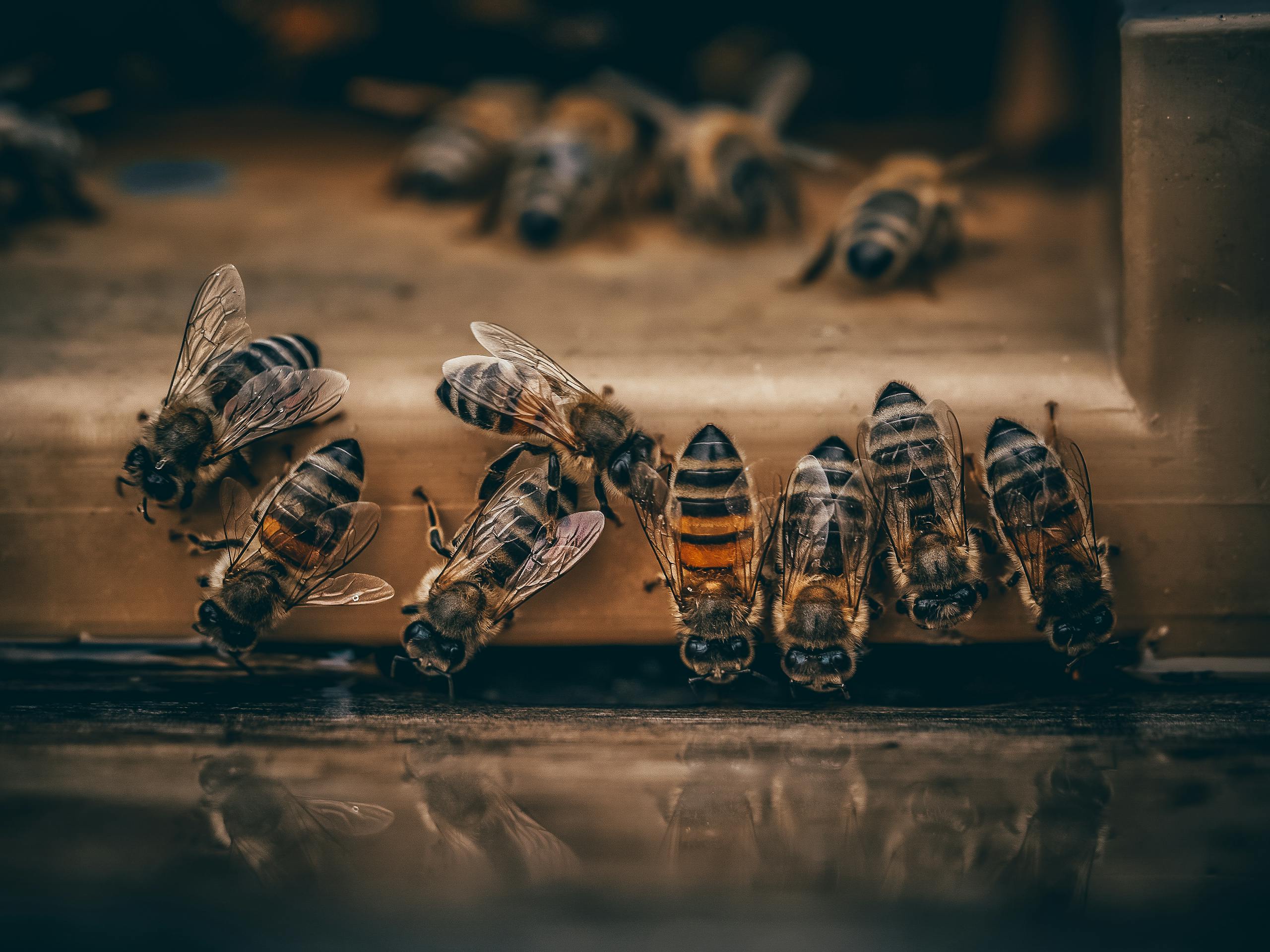
A hive placed near abundant forage is always more appealing than one placed in a barren area.
Scout bees assess more than just the cavity itself. The surrounding landscape matters. A location with visible flowers within easy foraging distance (ideally within a half mile) signals to scouts that food will be available once the colony settles in.
Here are the most effective bee-attracting plants by flowering season:
| Season | Plant Name | Bee Appeal | Notes |
|---|---|---|---|
| Early Spring | Crocus, Snowdrops, Willow | Very High | First pollen sources after winter |
| Spring | Lavender, Borage, Phacelia | Very High | Rich in nectar and pollen |
| Summer | Sunflower, Clover, Linden | Extremely High | Clover is a top honey source in North America |
| Late Summer | Goldenrod, Aster, Buckwheat | High | Critical for winter preparation |
| Fall | Ivy, Heather, Sedum | Moderate | Late-season pollen for brood rearing |
Even three or four flowering lavender plants near the hive can make a difference. They will not pull a swarm in from miles away on their own, but combined with the scent lures and proper placement, they strengthen the signal.
The Xerces Society for Invertebrate Conservation has a free regional planting guide for pollinators in North America. I use it as a reference when advising beekeepers on garden planning. It is one of the most practical free resources available.
Method 6: Provide a Clean Water Source Nearby
Bees need water every single day. They use it to cool the hive in summer and to dilute honey when feeding larvae.
A bait hive placed near a reliable water source has a slight edge over one with no water nearby. Scout bees do not just evaluate the cavity. They also assess the surrounding resources.
You do not need a pond or a stream. A shallow dish, birdbath, or bucket filled with water and small rocks or wine corks for bees to land on is enough. The rocks and corks are important. Bees drown easily in open water with no landing surface.
Change the water every few days to prevent mosquitoes. Place it within 30 feet of the hive.
Case Study: How James Whitfield Colonized Three Hives in One Season Without Buying a Single Bee
James Whitfield is a beekeeper from Asheville, North Carolina. He started beekeeping in the spring of 2022 with zero colonies and a limited budget.
Instead of purchasing packages or nucs (which can cost $150 to $200 each), James set up four bait hives across his two-acre property using the following setup:
- Old Langstroth deep boxes he found at an estate sale
- Old brood frames from a local beekeeper (tested disease-free)
- Lemongrass essential oil on cotton balls, refreshed every three weeks
- Hives elevated on fence posts at about 8 feet
- Faces pointed south
By June 15, 2022, three of his four bait hives had been colonized by wild swarms. He paid nothing for the bees. His only cost was a small bottle of lemongrass oil and the time to set things up correctly.
When I spoke with James in September 2022, he said the biggest lesson he learned was that setup timing mattered most. The one hive that did not get colonized was the one he set up in late May, well after peak swarm season. The three that worked had been ready since early March.
This story is not unusual. When the conditions are right, swarms find prepared hives reliably.
What About Commercial Swarm Lures?
Products like Swarm Commander and Nasanov pheromone lures are available commercially and work on the same principle as lemongrass oil. They contain synthetic versions of the Nasonov pheromone.
Some beekeepers report better results with these commercial lures compared to pure lemongrass oil. Others report no significant difference. The research is mixed.
My honest recommendation: if you are working on a budget, pure lemongrass essential oil is effective and costs very little. If you want to maximize your chances and are willing to spend a little more, a commercial Nasonov lure used together with lemongrass oil and old comb is a strong combination.
Do not use honey or open nectar as a lure. It will attract robber bees, wasps, and small hive beetles, which will contaminate the hive box and deter swarms.
Speaking of hive beetles, if you are setting up hives in warmer climates like the southern United States or Australia, read this guide before you start: How to Prevent Hive Beetles in Beekeeping.
Common Mistakes That Drive Bees Away
Even with the right lures and placement, these mistakes can undo your effort:
1. Using a box that is too small. If the internal volume is below 30 liters, scout bees will often reject it as too small to sustain a winter colony. Stick with a standard 10-frame Langstroth deep as your minimum.
2. Placing the hive in direct full sun all day. An overheated cavity feels hostile. Bees naturally seek cavities in trees, which provide afternoon shade. Your hive should get morning sun and afternoon shade.
3. Painting the hive with strong chemical paints. Fresh paint has a strong chemical smell that repels bees for weeks. If you need to paint your hive, do it at least one month before using it as a bait hive. Let it air out fully.
4. Placing it on the ground. A hive sitting on bare soil is at risk from ants, slugs, and small mammals. More importantly, it does not match the elevated cavities bees prefer in nature. Use a stand.
5. Opening the hive too often to check. Every time you open a bait hive, you release scent and disturb the interior. Scout bees that visit during your check will register this as instability. Set it up and check it only from a distance until you see bees clustering at the entrance.
What Happens After Bees Move In
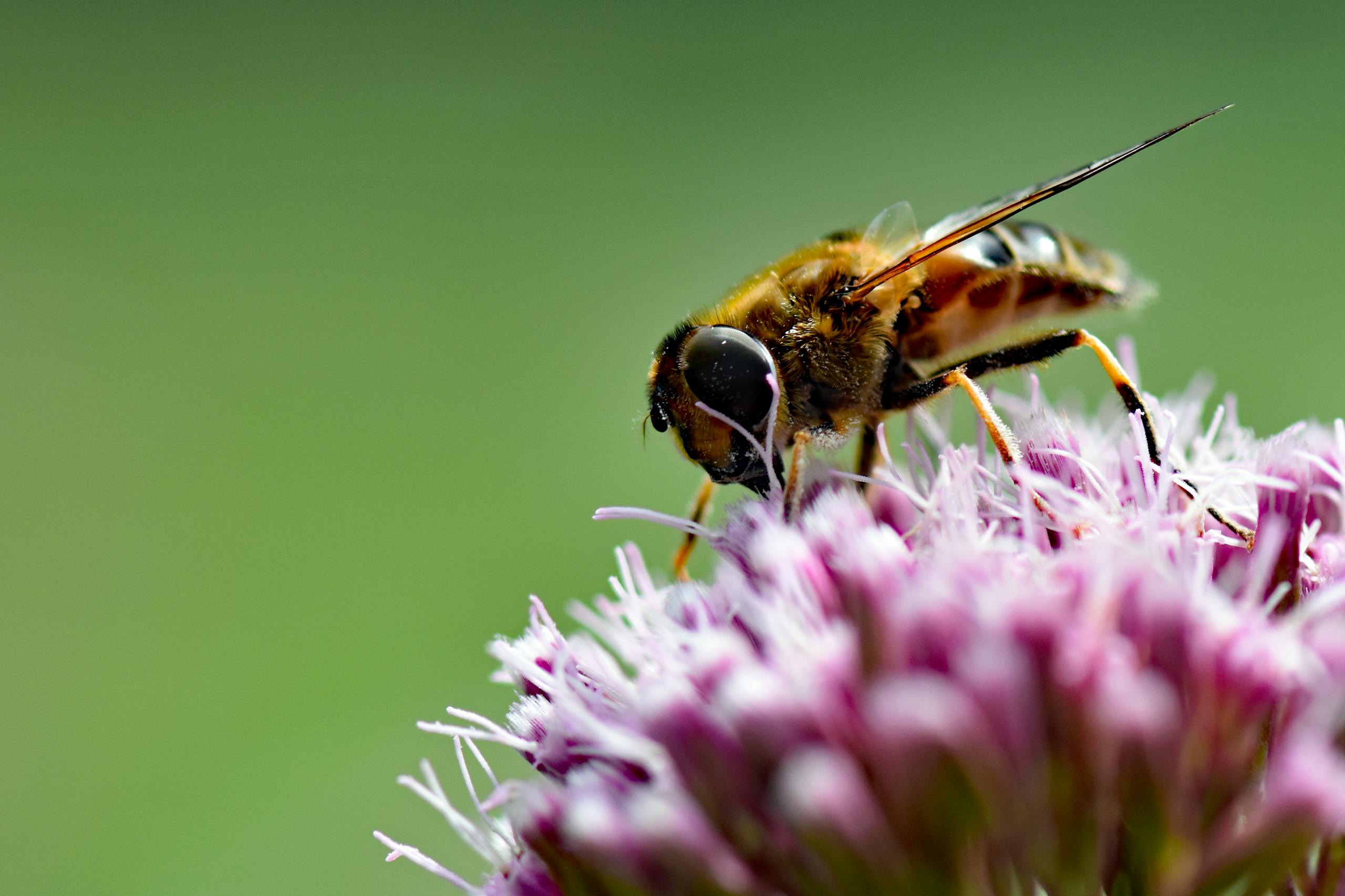
You will know scouts have approved your hive when you start seeing groups of bees flying in tight circles in front of the entrance. This “washboarding” behavior is a good sign.
When a swarm actually moves in, it happens fast. Thousands of bees can appear within an hour. Do not panic. This is exactly what you wanted.
Give the swarm 48 hours to settle before doing any kind of inspection. They are busy building comb and orienting to the location. An early inspection can cause them to abscond (leave).
After 48 hours, do a brief inspection to confirm the queen is present and laying. Look for eggs in the cells. If you see eggs, the queen is there and the colony is establishing.
For your first inspection, make sure you are properly suited up. A new colony from a wild swarm can be unpredictable in the early days. If you need gear guidance, check out: Ventilated Beekeeping Suit vs Cotton: Which One Should You Actually Buy?
Full Summary: What to Do, Step by Step
| Step | Action | When to Do It |
|---|---|---|
| 1 | Choose the right hive size (40 to 80 liters) | At setup |
| 2 | Rub beeswax on interior walls | At setup |
| 3 | Add 1 to 2 old dark brood frames (disease-free) | At setup |
| 4 | Apply lemongrass oil cotton ball inside the hive | At setup, refresh every 3 weeks |
| 5 | Position hive 9 to 15 feet high, facing south | At setup |
| 6 | Ensure afternoon shade and wind protection | At placement |
| 7 | Set up a shallow water source within 30 feet | At setup |
| 8 | Plant bee-friendly flowers around the area | Before season |
| 9 | Have everything ready 2 to 3 weeks before swarm season | Early spring |
| 10 | Wait and observe from a distance | During season |
Frequently Asked Questions
How long does it take for bees to move into a new hive? It depends on swarm season activity in your area and how well you have prepared the hive. Some beekeepers see results in one to two weeks. Others wait a full season. Having everything set up before peak swarm season gives you the best window.
Can I attract bees without lemongrass oil? Yes. Old comb, beeswax rubbed on the walls, and proper hive placement alone can attract swarms. Lemongrass oil improves the odds but is not required.
Will placing sugar syrup near the hive attract bees? Sugar syrup will attract bees, but it will mostly attract foraging bees from existing colonies rather than a swarm looking for a new home. It can also trigger robbing behavior, which is harmful to surrounding colonies.
Do I need to be near existing beehives to catch a swarm? No. Swarms can travel several miles in search of a suitable home. Your hive does not need to be next to an existing apiary. However, being within half a mile of an active apiary does increase the odds during swarm season.
What is the best month to start a bait hive in the USA? For most of the continental United States, have your bait hive ready by late February or early March. Peak swarm season in most states runs from April through early June.
Final Word from Peter Uzodimma
I have been setting up bait hives since 2014 across different climates: the Mid-Atlantic in the USA, agricultural land in Western Australia, and properties in rural England. The method works in all of them when the fundamentals are followed.
The biggest mistake I see beekeepers make is rushing. They set up a bait hive the week swarms are happening and wonder why nothing comes. Bees are not looking for a hive at the exact moment you set one out. They are looking weeks earlier, during the scouting phase.
Set it up early. Get the scent right. Put it in the right position. Then give nature time to do its part.
If you found this guide useful, explore more beekeeping resources at Trevro. We publish practical, research-backed guides designed for beekeepers in North America, the UK, and Australia. You can also start with the basics here: Basic Beekeeping Equipment List: Everything a Beginner Needs to Start Right.