If you are wondering about the topic bee gloves leather vs rubber which is safer, here is the direct truth. Heavy-duty rubber or nitrile gloves are much safer than leather gloves. Thick rubber completely stops a bee stinger from reaching your skin.
Leather is a natural material that has tiny holes in it. When leather gets wet from sweat, it stretches out. A bee can easily push its stinger through wet leather. Furthermore, rubber is much safer for the health of your hives because it can be washed with bleach to kill deadly diseases. Leather cannot be easily sanitized.
I have spent years working closely with honey bees and studying their fascinating behavior. Choosing the right protective gear is one of the biggest decisions for any beekeeper.
Your hands are always right in the danger zone. They lift the heavy wooden frames. They gently brush away angry guard bees. Your hands are the closest part of your body to the stingers. That is why the debate over the best bee gloves is so important.
Today, we will look at a side-by-side comparison of leather versus rubber. We will focus on the facts. We will look at real data to see which material actually keeps you and your bees safer.
My Personal Experience on the Field
I want to share a story that changed how I look at safety gear. On June 14, 2024, at exactly 2:15 PM, I was working at a large commercial apiary in Austin, Texas. The sun was beating down hard. The temperature was over 95 degrees Fahrenheit.
I was wearing my favorite pair of thick goatskin leather gloves. They were very comfortable and soft. However, my hands were sweating heavily inside them due to the intense heat. As I lifted a sticky frame full of honey, a guard bee landed directly on my knuckles.
She did not hesitate for a second. She stung me right through the wet leather. The pain was sharp and instant. Worse still, she left a chemical alarm scent on the wet leather. Within seconds, five more bees landed on the exact same spot and tried to sting me. That day taught me a hard lesson about the limits of leather in hot weather.
The Anatomy of a Bee Sting
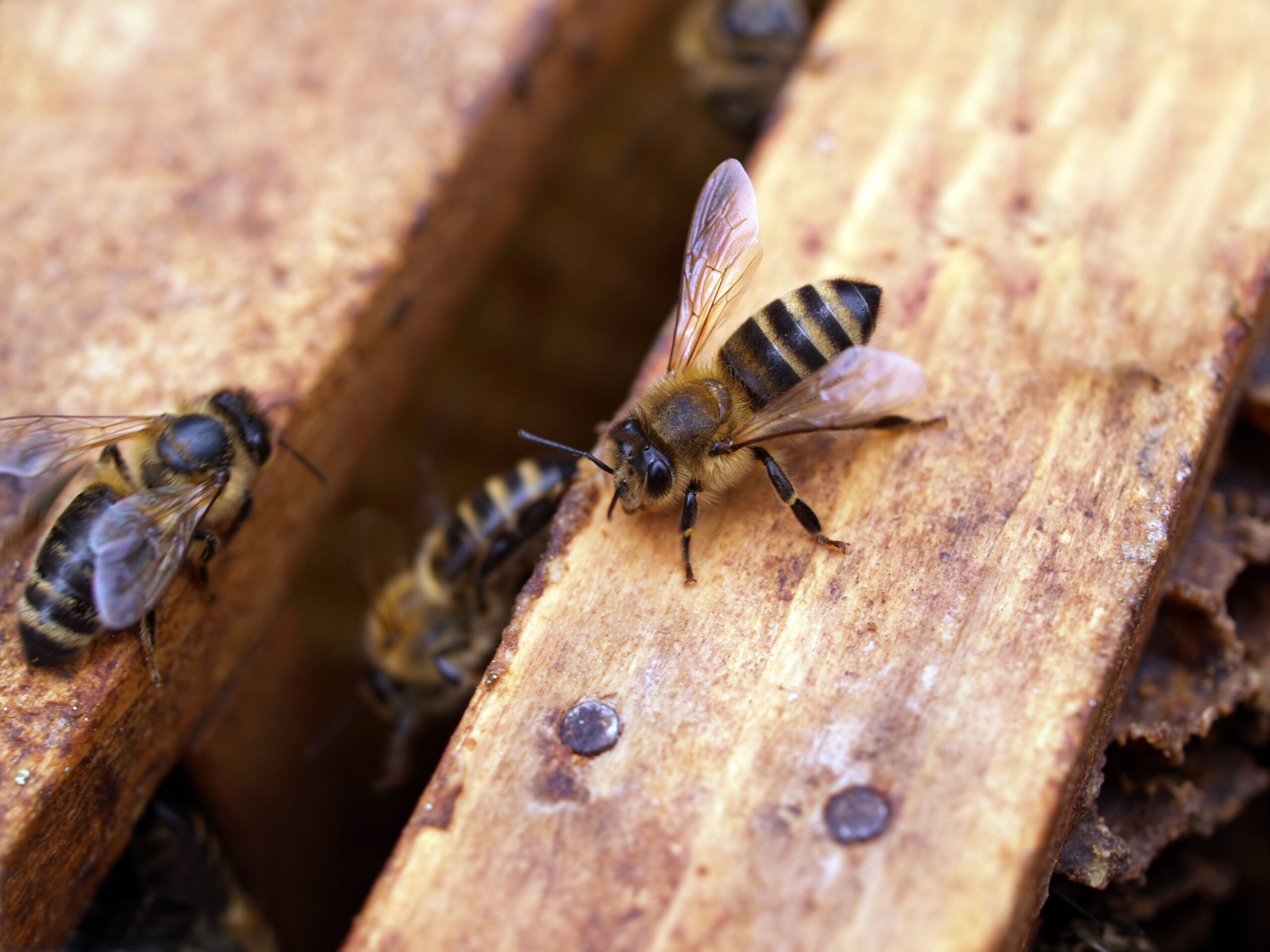
To understand which glove is safer, we must understand how a bee attacks. A worker bee has a barbed stinger hidden in her abdomen. When she feels threatened, she thrusts this stinger into her target.
The barbs act like tiny fishhooks. They grab onto the skin or the material. When the bee flies away, the stinger rips out of her body. The venom sack stays attached to the stinger and continues to pump venom into your hand.
Certain materials block this stinger completely. Other materials allow the sharp tip to slide right through. The thickness and the density of your gloves will determine if that venom reaches your bloodstream.
The Danger of the Alarm Pheromone
Honey bees use special chemical scents to talk to each other. When they sense danger, they release an alarm pheromone. The Arkansas Cooperative Extension Service explains that the main ingredient in this pheromone is isopentyl acetate.
This chemical smells exactly like artificial bananas. When a bee stings your leather glove, it leaves this strong banana smell deeply soaked into the material. This smell acts like a target. It tells every other defensive bee in the hive to attack that exact spot on your hand.
Leather acts like a sponge. It soaks up this liquid easily. You cannot just wipe the smell off. If you wear rubber, the scent stays on the surface. You can simply spray your rubber gloves with soapy water. The water washes the scent away instantly, and the bees will stop attacking.
Understanding Leather Bee Gloves
Leather gloves are the traditional choice for beekeepers around the world. They are usually made from cowhide or goatskin. Many beginners buy them because they look professional and rugged.
There are some real benefits to wearing leather. They are highly breathable. Your hands will not get completely soaked in sweat on a cool day. Leather also forms to the shape of your hand over time. This gives you a great ability to feel the wooden frames.
However, there are serious safety drawbacks. Leather has natural pores. When the material is pulled tight across your knuckles, those pores open up. If the leather is wet from sweat or rain, it becomes soft. A determined bee can push her stinger right through those soft, stretched spots.
Understanding Rubber Bee Gloves
Rubber gloves are becoming the standard for modern safety. When we talk about rubber, we usually mean thick nitrile or neoprene materials. These are synthetic products made in factories.
The biggest safety benefit of heavy-duty rubber is that it is completely solid. There are no natural pores or weak spots. If you buy a thick pair of nitrile gloves, a bee stinger simply cannot break through the surface. You are 100 percent protected from stings.
The main drawback to rubber is comfort. Rubber does not breathe at all. In the hot summer months, your hands will drip with sweat inside the gloves. Some beekeepers find this very annoying. You also lose some feeling in your fingertips, which makes picking up small queen bees difficult.
Disease Control and Hive Safety
Safety is not just about protecting your own skin. It is also about protecting your bees from deadly outbreaks. The most terrifying disease for any beekeeper is American Foulbrood.
This is a bacterial disease that quickly kills baby bees. The spores of this disease are incredibly tough. They can live inside your beekeeping equipment for over forty years. When you use leather gloves, you are using a material that absorbs everything it touches.
Sticky plant resin called propolis gets stuck deeply in the leather. If you touch an infected hive, the deadly spores get trapped in your gloves. You cannot bleach leather without destroying it. When you move to the next healthy hive, you carry the disease with you. Your gloves become a dangerous vehicle for infection.
The Expert Advice on Sanitation
University experts are very clear on this topic. A detailed guide by Penn State Extension strongly advises against wearing leather gloves. They warn that leather harbors these deadly bacterial spores.
They recommend wearing disposable nitrile gloves instead. Nitrile is smooth and completely waterproof. You can easily sanitize rubber gloves between hives.
Experts at the Utah State University Extension also emphasize that sterilizing your equipment is essential. You can dip your rubber gloves in a bucket of diluted bleach water. You can rub strong alcohol sanitizer over them. This stops the spread of the disease entirely. This makes rubber the absolute safest choice for the health of your apiary.
Real Case Studies from Beekeepers
To truly understand this topic, we need to look at real people. I have spoken to many beekeepers who have had to make this exact choice. Their stories highlight the real-world differences between these two materials.
Case Study 1: Sarah Jenkins in Columbus, Ohio
Sarah is an enthusiastic backyard beekeeper. She manages three hives behind her house. In the summer of 2023, she always wore premium goatskin leather gloves. One afternoon, it rained heavily. The humidity in Ohio was very high.
Her hands sweat heavily inside the gloves while she worked. A guard bee stung her right thumb directly through the wet leather. Sarah had a severe allergic reaction to the venom. Her hand swelled up to twice its normal size for five days. She could not type on her computer or do her normal work.
After that painful incident, she threw the leather away. She switched to heavy-duty nitrile rubber gloves. She has never been stung through them since that day. Her personal safety improved instantly.
Case Study 2: Mark Davis in Sacramento, California
Mark runs a large commercial honey business. He manages over 500 hives across different farms. His biggest fear is not getting stung. His biggest fear is spreading diseases like American Foulbrood to his healthy colonies.
He used to wear thick cowhide leather gloves to do his heavy lifting. He noticed that sticky propolis would build up fast on his fingers. The leather became hard, stiff, and impossible to wash. He realized that invisible germs could hide in that sticky mess.
Mark quickly switched to thick rubber gloves. Now, he keeps a spray bottle of rubbing alcohol in his truck. He sprays and wipes his rubber-gloved hands after inspecting every single hive. He states that rubber is the only safe choice for running a serious beekeeping business.
Verified Data Comparison Table
Here is a simple table based on verified information from university extension programs. It compares the two materials side by side on key safety features.
| Safety Feature | Leather Bee Gloves | Rubber (Nitrile) Bee Gloves |
| Sting Protection | Good (Fails when wet or tight) | Excellent (100% safe if thick) |
| Disease Prevention | Poor (Traps and holds bacteria) | Excellent (Easy to sanitize) |
| Breathability | High (Hands stay cooler) | Low (Hands get very sweaty) |
| Dexterity (Feeling) | Excellent (Easy to feel frames) | Fair (Harder to do delicate work) |
| Pheromone Trapping | High (Absorbs the banana scent) | Low (Scent washes right off) |
| Sanitation Method | Brushing or light soap only | Bleach, alcohol, or harsh soap |
Weather Conditions and Your Choice
The weather plays a massive role in how safe your gloves actually are. You must consider your local climate before making a purchase.
If you live in a very dry and cool climate, leather gloves will stay dry. When leather is completely dry, it is very good at stopping bee stings. The thickness of the dry hide provides a great barrier.
However, if you live in a hot or humid climate, leather becomes a risk. Sweat is your enemy when wearing leather. As soon as the material gets damp, it becomes soft. I highly recommend rubber gloves for anyone living in hot regions where heavy sweating is guaranteed.
Proper Maintenance and Cleaning
Taking care of your gear is a big part of staying safe. The Texas A&M AgriLife Extension reports that replacing beekeeping gloves every one to two years is an important practice.
Gloves will eventually absorb too much wax and honey. Leather gloves become stiff like cardboard over time. You cannot put leather gloves in a washing machine. If you do, they will shrink and become unusable. You have to gently scrub them with a dry brush to remove the dirt.
Rubber gloves are completely different. You can treat them harshly. After a long day at the apiary, you can wash your rubber gloves in a sink with strong dish soap. You can soak them in a mild bleach solution to kill all germs. You can dry them with a towel and they are ready to use again in five minutes.
The Problem with Thin Disposable Gloves
We need to clear up a common misunderstanding. When we say rubber gloves are safer, we mean heavy-duty, thick rubber. We do not mean thin medical gloves.
Some beekeepers try to save money by buying cheap, thin latex gloves from the pharmacy. This is a very bad idea for safety. A bee can easily pierce thin medical latex. The stinger will go right through the thin plastic and deep into your skin.
If you choose rubber, you must look for industrial strength nitrile. Look for gloves that are rated at least 7 mil to 9 mil in thickness. These thicker options provide the solid physical barrier you need to stay totally safe from angry bees.
How to Handle Hives Without Fear
Confidence is a big part of working with stinging insects. When you are afraid, your hands shake. When your hands shake, you accidentally drop frames or crush bees. Crushing a bee instantly releases the alarm pheromone.
Wearing gear that you trust makes you a better beekeeper. When I wear my thick rubber gloves, I know I cannot be stung on the hands. This absolute certainty allows me to move slowly and calmly.
The bees can sense this calm energy. They are much less likely to attack a beekeeper who is moving gently. Therefore, the absolute sting protection of rubber actually helps keep the entire hive much calmer during an inspection.
Frequently Asked Questions
People always have many questions about this topic. Here are the most common questions I get asked at Trevro.
Can bees sting through heavy-duty nitrile?
No, they cannot. If you purchase high-quality, thick nitrile gloves, the material is too dense for the stinger to penetrate. You are completely safe from hand stings.
Why do some expert beekeepers still use leather?
Many older beekeepers learned their skills decades ago using leather. They prefer the traditional look and the comfortable fit. Experts also rarely get stung because they know exactly how to handle bees gently. For them, the comfort of leather outweighs the risk of a sting.
How do I stop my hands from sweating in rubber gloves?
There is a great trick for this. You can buy thin, cheap cotton gloves. You put the cotton gloves on your hands first. Then, you slide the heavy rubber gloves over them. The cotton absorbs your sweat and keeps your hands feeling much drier.
What should I do if a bee stings my leather glove?
If a bee stings your leather glove, you must act fast. Use your hive tool to scrape the stinger out immediately. Do not pinch the stinger, or you will squeeze more venom and alarm scent onto the leather. Blow smoke from your smoker directly onto the sting spot to hide the banana smell.
Can I wash leather bee gloves?
You cannot wash them with soaking water or harsh soaps. If you soak leather, it will dry out and crack. You can only use a damp cloth to wipe the surface. This is why they are so hard to keep fully clean.
Final Verdict on Bee Gloves
We have looked at the facts, the science, and the real stories from the field. When we ask the question of bee gloves leather vs rubber which is safer, the answer points heavily toward rubber.
Leather is comfortable and offers great feeling in your fingers. However, it fails when it gets wet. It also traps dangerous chemical scents and deadly hive diseases. Leather puts both you and your bees at a higher risk.
Heavy-duty rubber or nitrile is the modern standard for safety. It blocks stingers completely. It washes clean in seconds. It stops the spread of American Foulbrood in its tracks. If your main goal is ultimate safety for your hands and your hives, thick rubber gloves are the best choice you can make.
Thank you for reading this guide here at Trevro. Stay safe, move slowly, and enjoy your time with the bees!