The best way to protect a beehive from extreme heat is to combine three strategies: provide afternoon shade, ensure strong ventilation, and supply clean water within 50 feet of the hive. Position hives to receive morning sun but afternoon shade.
Use screened bottom boards and prop open the outer cover slightly for airflow. Place a shallow water source with landing stones near the apiary. These steps reduce the cooling workload on your bees and prevent colony collapse during heat waves.
Why Extreme Heat Threatens Your Beehive
When temperatures climb above 35 degrees Celsius (95 degrees Fahrenheit), your honey bees face a serious challenge. Inside the hive, bees work hard to keep the brood nest at a steady 94 to 95 degrees Fahrenheit. This is the temperature that eggs, larvae, and pupae need to develop properly. Honeybee colonies maintain this thermal constancy of 34–36 °C through the cooperation of individuals.
If the hive gets too hot, bad things start to happen. The wax comb can soften and sag. Honey may leak from the cells. Young bees can die before they emerge. In the worst cases, the entire colony can collapse in just a few hours. Research has shown that excessive heat, with maximal temperatures exceeding 40 °C, can reduce colony populations by impairing the thermoregulation of broods or by exposing adults to temperatures that shorten their lifespans.
I have worked with beekeepers across Nigeria for over a decade, and I have seen what extreme heat can do. A healthy colony in the morning can be dead by evening if the hive is sitting in full afternoon sun without water or ventilation.
The good news is that protecting your bees from heat is not complicated. It does not require expensive equipment or special training. What it requires is understanding what bees need and taking a few simple actions before the hot season arrives.
In this guide, I will walk you through everything you need to know. You will learn how to spot the warning signs of heat stress. You will learn where to place your hives for natural cooling. You will learn how to provide shade, improve ventilation, and set up reliable water sources. By the end, you will have a complete plan to keep your colonies healthy and productive even during the hottest months.
Understanding How Bees Cool Their Hive
Before we talk about what you can do to help, it is helpful to understand how bees handle heat on their own. Bees are remarkable creatures with built-in cooling systems. But those systems have limits.
The Natural Cooling Process
When the temperature inside the hive rises above 94 degrees Fahrenheit, bees switch into cooling mode. They do this in two main ways.
First, some worker bees become water carriers. They fly out to collect water and bring it back to the hive. Inside, they spread tiny droplets of water throughout the brood nest area. Other bees then fan their wings rapidly to create airflow over these droplets. As the water evaporates, it pulls heat out of the air. This is the same principle as a swamp cooler or air conditioner. Scientific research confirms that overheating of the brood is prevented by cooling with water droplets and increased fanning, which start already at moderate temperatures.
Second, bees engage in a behavior called bearding. When the inside temperature rises above 94 Fahrenheit, many adult bees will leave the colony and cluster on the outside of the hive entrance. They hang there like a beard, which is where the name comes from. By moving outside, they reduce the amount of body heat inside the hive.
These strategies work well up to a point. But when outside temperatures stay above 35 degrees Celsius (95 Fahrenheit) for long periods, bees can struggle to keep up.
When Heat Becomes Dangerous
The problem is that cooling takes enormous energy. Bees that spend all day fanning and collecting water are not collecting nectar and pollen. They are not making honey. Over time, this drains the colony’s strength. The Food and Agriculture Organization (FAO) notes that during severely hot days, more bees have to use honey as fuel to enable them to fan and cool melting combs to avoid disaster.
In extreme conditions, bees may stop foraging altogether except for water. This can happen on very dry, hot days. When foraging stops, the colony’s food supply stops growing while its energy demands increase. This is a dangerous combination.
For beekeepers in hot climates like Nigeria, understanding these limits is the first step toward protecting your investment. The strategies that follow are designed to reduce the heat load on your hive so that your bees can focus on what they do best: making honey.
Signs That Your Beehive Is Suffering from Heat Stress
You cannot always be at your apiary during the hottest part of the day. But there are clear signs that tell you when a colony is under heat stress. Learning to recognize these signs early can save your hive.
Bearding at the Entrance
Seeing bees clustered on the front of the hive is often the first sign of heat stress. This is called bearding. It is a normal cooling behavior, especially on hot evenings. However, if you see heavy bearding every day or bearding that continues well into the night, your bees are working too hard to stay cool.
Pay attention to how many bees are outside. A few dozen bees is normal. A thick layer of bees covering most of the front of the hive is a warning sign. It means the inside temperature is staying too high for too long.
Loud Fanning Sounds
If you stand near the hive and hear a loud buzzing sound that seems constant, this is the sound of fanning bees. Bees use their wings to push hot air out of the hive and pull cooler air in. Some fanning is normal. But constant, intense fanning means the colony is struggling to maintain temperature.
Melted or Softened Wax
When you inspect your hive during hot weather, check the condition of the comb. Wax begins to soften at around 104 degrees Fahrenheit. If the comb feels unusually soft or you see signs of sagging, the hive has been too hot. In severe cases, honey may leak from the cells and drip onto the bottom board.
Unusual Bee Behavior
Heat-stressed bees may act differently than normal. You might see bees crawling on the ground near the hive instead of flying. You might notice fewer bees returning with pollen. You might hear a louder, more aggressive buzz when you approach.
Reduced Activity at the Entrance
In the worst cases of heat stress, the colony may become very quiet. Fewer bees come and go. This can be a sign that the colony is conserving energy to survive. It can also be a sign that many bees have already died.
Colony Dwindling Over Time
Heat stress does not always kill a colony overnight. Sometimes it weakens the colony slowly over several weeks. You might notice fewer bees during inspections. The queen may lay fewer eggs. Honey stores may drop faster than expected. All of these can be signs of ongoing heat stress.
If you notice any of these signs, take action quickly. The steps in the next sections will help you reduce heat stress and give your bees the relief they need.
The Best Location for Your Beehive to Beat the Heat
Where you place your hive makes a huge difference in how hot it gets. This is one of the simplest and most effective ways to protect your bees from extreme heat. It costs nothing but careful planning.
Morning Sun, Afternoon Shade
The ideal location for a beehive receives direct sunlight in the early morning but is shaded during the hottest part of the afternoon. Morning sun warms the hive and encourages bees to start foraging earlier in the day. This gives them more time to collect nectar and pollen before the heat peaks.
Afternoon shade protects the hive from the most intense solar radiation. The sun is strongest between about noon and 4:00 PM. During these hours, direct sunlight can push the internal hive temperature dangerously high. Shade during this period can reduce the surface temperature of the hive significantly.
Using Natural Shade
The most sustainable way to shade a hive is to use existing trees and shrubs. Placing hives near trees that provide dappled or partial shade is an excellent strategy. Deciduous trees are especially good because they provide shade in summer but allow sunlight through in winter when the leaves fall.
However, do not place hives directly under trees where falling branches, leaves, or fruit could damage the hive. Also avoid locations where the hive will be in deep, constant shade. Too much shade can lead to moisture problems and may encourage pests like small hive beetles.
Creating Artificial Shade
If natural shade is not available, you can create your own. Here are several effective options:
A simple umbrella or shade tent placed over the hive can provide immediate relief during heat waves. Set it up when hot weather is predicted and remove it when temperatures drop.
Shade cloth is another good option. This is a woven fabric designed to block a percentage of sunlight. For beehives, 30 to 50 percent shade cloth works well. You can build a simple frame over your hives and attach the shade cloth to it.
Reflective materials placed on top of the hive can also help. A piece of white corrugated plastic or a white storage bin lid placed on top of the outer cover reflects sunlight and reduces heat absorption. White paint is more effective than dark paint at reducing hive temperatures.
Elevate Your Hives
Raising your hives off the ground helps in several ways. It improves air circulation underneath the hive. It keeps the bottom board cooler. It also protects against ground moisture and pests.
A height of 12 to 18 inches off the ground is recommended. Use a sturdy hive stand made of wood, concrete blocks, or metal. Make sure the stand is level and stable. A slight tilt forward helps rainwater drain away from the entrance.
Face the Entrance Wisely
In hot climates, facing the hive entrance toward the southeast or east is generally best. This catches morning sun and avoids the intense afternoon sun hitting the entrance directly. In very hot areas, some beekeepers face the entrance north to minimize direct sunlight all day.
Consider Prevailing Winds
Good airflow around the hive helps with cooling. Place hives where they will catch natural breezes, especially during summer. However, avoid locations that are too windy, as strong winds can make it hard for bees to land and may tip hives over.
If your area has strong winds, position the hive behind a windbreak such as a fence, hedge, or building. This protects the hive while still allowing some airflow.
Providing Shade: The Most Important Step
Shade is the single most effective way to reduce heat stress in beehives. Research has shown that shading is more effective than white paint in reducing hive temperatures during summer. When shade reduces the thermal load on the hive, the energy bees spend on cooling drops significantly. This conserved energy can then be used for honey production and colony growth.
Types of Shade Structures
There are many ways to provide shade for your hives. The best choice depends on your budget, your apiary layout, and how permanent you want the structure to be.
Temporary Shade: For short heat waves, simple solutions work well. A beach umbrella, a pop-up canopy, or even a piece of plywood propped over the hive can provide immediate relief. These are easy to set up and remove as needed.
Permanent Shade Structures: For long-term protection, consider building a permanent roof over your apiary. This can be a simple pole structure with a metal or thatch roof. The roof should be high enough to allow good airflow, at least 6 feet above the hives.
Shade Sails: These are triangular or rectangular pieces of shade cloth stretched between posts. They are attractive, effective, and can be taken down during cooler months.
Planting for Shade: Fast-growing trees and shrubs can provide excellent long-term shade. In Nigeria, consider planting neem trees, mango trees, or other native species that grow well in your area. Plant them on the west and southwest sides of your apiary to block afternoon sun.
How Much Shade Is Enough?
Your goal is to provide partial or dappled shade during the hottest hours. The hive does not need to be in complete darkness. In fact, some morning sun is beneficial.
A good rule is to ensure that direct sunlight does not hit the hive between 11:00 AM and 4:00 PM during the hottest months. If you can achieve this, your bees will be much more comfortable.
Reflective Hive Covers
If you cannot provide overhead shade, consider using reflective materials on the hive itself. White or light-colored hive covers reflect more sunlight than dark ones. Metal roofs can become extremely hot in direct sun. Covering a metal roof with a white sheet, a piece of white plywood, or a white plastic lid can make a big difference.
Some beekeepers paint the outside of their hives white or light colors. This is especially helpful in hot climates. Dark-colored hives absorb more heat and can become significantly hotter inside.
Improving Hive Ventilation for Hot Weather
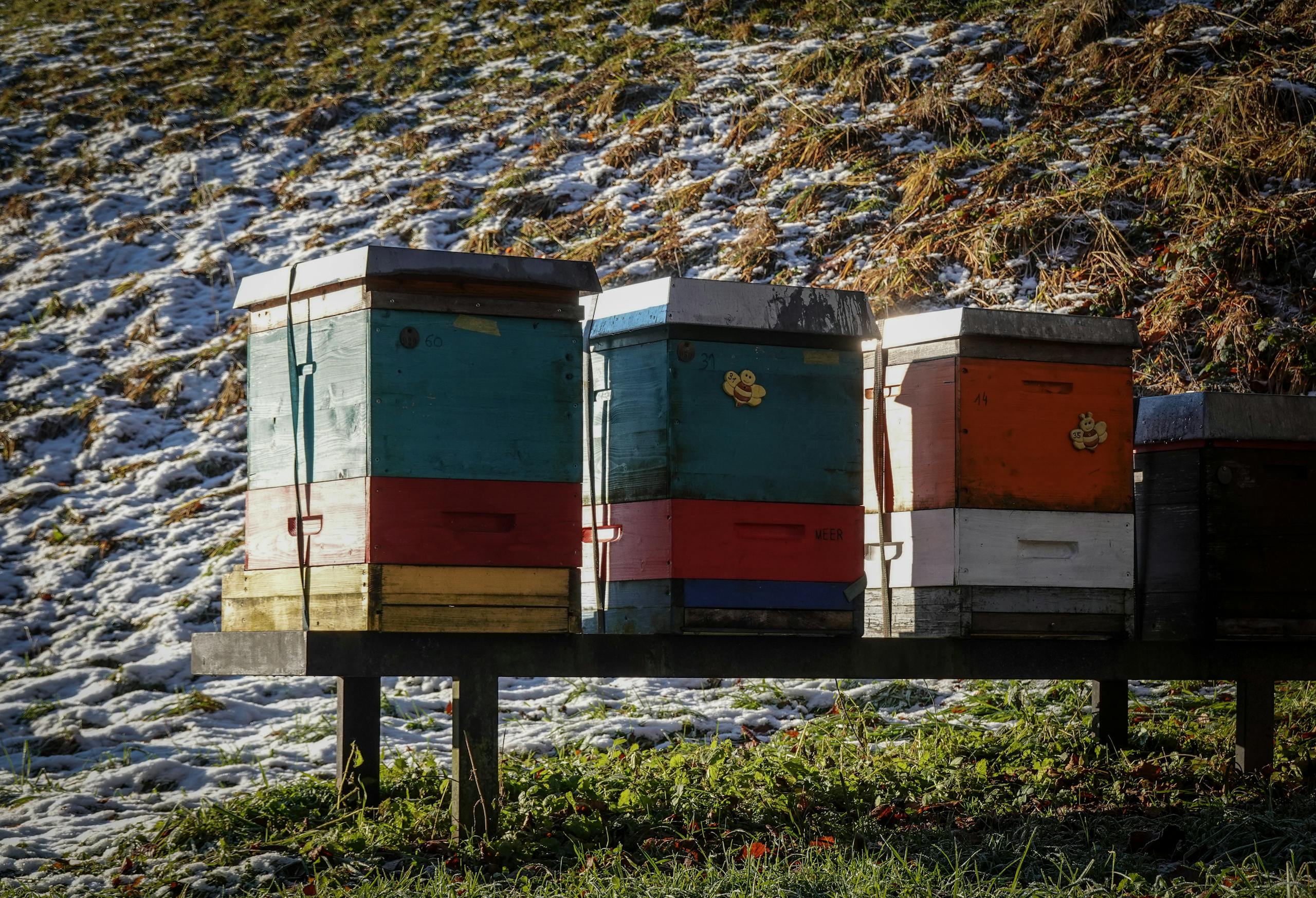
Good ventilation is essential for keeping a hive cool. Bees need a way to move hot, moist air out of the hive and bring cooler, drier air in. There are several ways to improve ventilation during hot weather.
Use Screened Bottom Boards
A screened bottom board replaces the solid wood bottom with a metal screen. This allows air to enter from below and rise through the hive. It also lets heat escape downward. During summer, leave the screened bottom board open. During winter or cool weather, you can insert a solid board to close it.
Screened bottom boards have another benefit: they help with varroa mite control. Mites that fall off bees drop through the screen and cannot climb back up.
Prop Open the Outer Cover
A simple and effective trick is to prop open the outer cover slightly. You can use a small stick, a coin, or a purpose-made shim to create a gap between the outer cover and the inner cover or top box. This gap allows hot air to escape from the top of the hive.
Be careful not to create too large an opening. A gap of about one-quarter to one-half inch is usually enough. Larger openings may allow rain to enter or may encourage robbing.
Create Upper Entrances
An upper entrance gives bees another way to move air through the hive. You can drill a small hole (about 1 inch in diameter) near the top of the hive body or use an entrance reducer with a notch. Bees will use this upper entrance for ventilation and as an additional exit during hot weather.
If you use an upper entrance, be aware that it can also be used by robbers. During times of nectar dearth, you may want to close the upper entrance to protect the hive.
Consider Ventilation Shims
A ventilation shim is a thin wooden frame with screened openings that sits between boxes. It creates a gap that allows air to flow horizontally through the hive. These are especially useful in humid climates where moisture buildup is a problem.
Space Hives Appropriately
When placing multiple hives, leave enough space between them for good air circulation. Hives that are too close together can trap heat. A spacing of at least 3 to 4 feet between hives is recommended. This also gives you room to work and reduces the chance of bees drifting between colonies.
Avoid Solid Bottom Boards in Summer
Solid bottom boards trap heat and moisture. If you are still using solid bottom boards, consider switching to screened bottom boards for the hot season. If you must use solid bottom boards, make sure the entrance is large enough to allow good airflow.
Water: The Essential Cooling Resource
Water is critical for bee survival during hot weather. Bees use water to cool the hive through evaporation. A single hive can use a quart to a full gallon of water per day during extreme heat.
How Bees Use Water for Cooling
When temperatures rise, water carrier bees collect water and bring it back to the hive. Inside, they place tiny droplets on the comb near the brood nest. Other bees fan their wings to create airflow over these droplets. As the water evaporates, it absorbs heat and cools the surrounding air.
This is a very effective cooling method. But it only works if the bees have access to clean, reliable water nearby.
Setting Up a Bee Watering Station
Providing water for your bees is simple. Here are the key points to remember:
Place the water source within 50 to 100 feet of the hives. Bees prefer water that is close to home during hot weather. If water is too far away, they may spend more energy collecting water than the cooling is worth.
Use a shallow container. Bees can drown in deep water. A shallow dish, a birdbath, or a tray works well. Add stones, marbles, or pieces of wood that stick up above the water surface. These give bees a safe place to land and drink.
Keep the water fresh. Change the water every few days to prevent stagnation and mosquito breeding. In hot weather, water can evaporate quickly, so check the level daily.
Do not add sugar or honey to the water. This can ferment and become toxic to bees. Plain, clean water is what they need.
What If Bees Ignore Your Water Source
Sometimes bees will ignore a new water source and continue visiting another location, such as a neighbor’s swimming pool or a muddy puddle. This is frustrating but understandable. Bees develop strong site fidelity to water sources they already know.
If this happens, try these strategies:
Add a small amount of salt to the water. Bees are sometimes attracted to slightly salty water. Use only a tiny pinch per gallon.
Place the water source near the hives but not directly in front of the entrance. Bees prefer water sources that are slightly offset from the flight path.
Be patient. It may take several days or even weeks for bees to switch to a new water source.
Natural Water Sources
If you have a natural water source on your property, such as a pond, stream, or lake, make sure it is accessible to bees. Bees prefer shallow edges where they can land safely. You can improve access by placing flat stones or boards at the water’s edge.
Be aware that natural water sources may contain pesticides or other contaminants from runoff. If possible, test the water or provide an alternative clean source.
Additional Strategies for Extreme Heat Protection
Beyond shade, ventilation, and water, there are several other strategies that can help your bees survive extreme heat.
Insulation Works Both Ways
Many beekeepers think of insulation only for winter. But insulation can also help in summer. A well-insulated hive resists temperature changes from the outside. This means it stays cooler during the day and warmer at night. Research recommends using insulation materials with a thermal resistance value exceeding 25 K W⁻¹ for optimal insulation effects to protect bees.
You can add insulation to the outer cover or use a telescoping cover with insulation inside. Some beekeepers wrap their hives with reflective insulation material during extreme heat waves. Just remember to remove the wrap when temperatures return to normal so moisture does not build up.
Reduce Hive Inspections During Heat Waves
Opening a hive during the hottest part of the day releases the cooled air and humidity that bees have worked hard to maintain. It also stresses the colony. During extreme heat, limit inspections to early morning or late evening when temperatures are lower.
If you must inspect during hot weather, work quickly and efficiently. Have all your tools ready before you open the hive. Close the hive as soon as possible.
Avoid Working Bees in Full Protective Gear During Extreme Heat
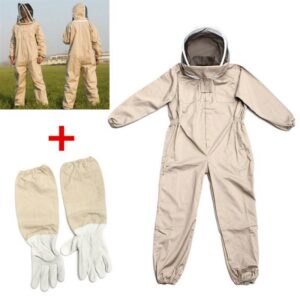
This tip is for you, the beekeeper. Working in a full bee suit during hot weather can be dangerous. Heat exhaustion and heat stroke are real risks. Wear light-colored, breathable clothing. Use a ventilated suit if possible. Take frequent breaks in the shade and drink plenty of water.
Monitor for Pests and Diseases
Heat-stressed colonies are more vulnerable to pests and diseases. Small hive beetles thrive in hot, humid conditions. Varroa mites can multiply faster when colonies are weak. Keep an eye out for signs of infestation and treat as needed.
Provide Supplemental Feeding if Necessary
During extended heat waves, bees may not be able to forage enough to meet their energy needs. If you notice honey stores dropping rapidly, consider providing supplemental feeding with sugar syrup. Use an internal feeder rather than an entrance feeder to reduce robbing risk.
What Not to Do During Extreme Heat
Some well-intentioned actions can actually make heat stress worse. Here are things to avoid:
Do not spray water directly on the hive or bees. This can disrupt the bees’ careful temperature regulation and may promote fungal growth.
Do not move hives during extreme heat. Moving hives is stressful for bees under normal conditions. During heat waves, the stress can be fatal.
Do not close up entrances to prevent bearding. Bearding is a natural cooling behavior. Closing the entrance traps heat inside and can kill the colony.
Do not use solid inner covers that block all ventilation. Bees need airflow to survive hot weather.
Do not place hives on concrete or asphalt surfaces. These materials absorb and radiate heat, making the area around the hive even hotter.
Do not paint hives dark colors. Dark colors absorb more heat from the sun. Light colors reflect heat and help keep the hive cooler.
Special Considerations for Nigerian Beekeepers
Beekeeping in Nigeria presents unique challenges when it comes to heat protection. The climate in many parts of Nigeria features high temperatures combined with high humidity for much of the year. This combination is particularly stressful for honey bees.
Managing Humidity Along with Heat
High humidity makes evaporative cooling less effective. When the air is already full of moisture, water droplets evaporate more slowly. This means bees must work even harder to cool the hive.
In humid regions, ventilation becomes even more important. Using screened bottom boards and upper entrances helps move humid air out of the hive. Spacing hives widely improves airflow between colonies.
Using Local Materials for Shade
Nigerian beekeepers have access to excellent local materials for shade structures. Palm fronds, bamboo, and thatch can be used to build effective and affordable shade roofs. These materials are sustainable and well-suited to the local climate.
Traditional building techniques can be adapted to create apiary shelters. A simple pole structure with a thatched roof provides excellent shade while allowing plenty of airflow.
Timing Your Beekeeping Calendar
Understanding the seasonal patterns in your area helps you prepare for heat waves. In many parts of Nigeria, the hottest months are February through April, before the rains begin. This is also a time when natural forage may be scarce.
Plan ahead for these hot, dry periods. Have shade structures ready. Set up water sources early so bees become accustomed to them before the heat peaks. Consider feeding during the hottest months if natural forage is limited.
Choosing Heat-Tolerant Bee Strains
If you are starting new colonies, consider sourcing bees that are adapted to hot climates. Local Nigerian bee populations have natural heat tolerance. Avoid importing bees from cooler climates, as they may struggle in Nigerian conditions.
Conclusion: Protecting Your Investment and Your Bees
Extreme heat is a serious threat to honey bee colonies, but it is a threat you can manage. With proper planning and a few simple strategies, you can keep your bees healthy and productive even during the hottest months.
Let me summarize the most important steps:
First, choose your hive location carefully. Morning sun and afternoon shade is the ideal combination. If natural shade is not available, create it with shade cloth, umbrellas, or permanent structures.
Second, ensure good ventilation. Use screened bottom boards during summer. Prop open the outer cover slightly. Consider adding an upper entrance. Good airflow helps bees regulate temperature and humidity.
Third, provide clean, reliable water. A shallow dish with landing stones placed within 100 feet of the hives can make a huge difference. Check and refill it daily during heat waves.
Fourth, watch for signs of heat stress. Bearding, loud fanning, and reduced activity are warnings that your bees need help. Act quickly when you see these signs.
Fifth, adjust your management practices. Limit inspections during the hottest part of the day. Avoid working bees in full gear when temperatures are extreme. Monitor for pests and diseases that take advantage of stressed colonies.
By following these guidelines, you are not just protecting your bees. You are protecting your investment in beekeeping and contributing to the health of pollinator populations in your area.
Remember that bees are remarkably resilient creatures. They have survived heat waves for millions of years. But the challenges they face today, including climate change and habitat loss, mean they need our help more than ever. A little shade, a little water, and a little care can make all the difference.
If you found this guide helpful, explore more of our beekeeping resources at Trevro. We offer comprehensive guides on hive management, honey harvesting, and all aspects of successful beekeeping in Nigeria and beyond.
Stay cool, and keep your bees cool too.