What is the best food for bees when nectar is scarce? The best food for bees when nectar is scarce is white granulated cane sugar mixed with clean water. During the warm spring and summer months, you should feed bees a 1:1 mixture of sugar and water.
During the cooler fall months, you must feed them a thicker 2:1 mixture of sugar and water. When winter arrives and temperatures drop below freezing, dry sugar fondant or winter candy boards are the absolute best choices. Liquid syrup can freeze and harm the colony in winter.
Welcome to Smart Beekeeping
Hello. My name is Peter Uzodimma. I am the founder and Chief Apiarist at Trevro. I have spent over a decade working with bees. I have managed apiaries in the United States, the United Kingdom, Australia, and Nigeria.
I know exactly what happens when flowers stop producing nectar. Bees get hungry. They get aggressive. If you do not help them, the colony can die.
At Trevro, we rely on science and field data. We do not guess. Today, I will teach you exactly what to feed your bees when food is hard to find.
This guide will give you real facts. You will learn the exact recipes to use. You will also read stories from real beekeepers who saved their hives using these proven methods.
What Is a Nectar Dearth?
A nectar dearth happens when flowers stop blooming. It can also happen when extreme weather stops flowers from making nectar. This is very common during hot, dry summers. It also happens in the late fall before winter starts.
When a dearth happens, bees cannot find natural food. They will start eating their stored winter honey. This is a very dangerous situation. If they eat all their winter food in August, they will starve in January.
You need to step in and feed them. Feeding bees is a normal part of good apiary management. The United States Department of Agriculture states that proper feeding is vital for honey bee survival.
Signs Your Bees Are Starving
How do you know it is time to feed your bees? You must watch their behavior closely.
First, look for robbing behavior. Robbing is when bees from other hives try to steal honey from your hive. They will fight at the entrance. You will see dead bees on the ground.
Second, check the weight of the hive. You can lift the back of the hive with one hand. If it feels very light, they are out of food.
Third, listen to the bees. Hungry bees sound different. They make a higher and louder buzzing noise. They also become much more aggressive when you open the hive.
The Number One Choice: White Granulated Sugar
The best substitute for flower nectar is white granulated cane sugar. It is simple, cheap, and safe. White sugar has complex carbohydrates that give bees instant energy.
Do not try to be fancy. Many beginners try to feed bees brown sugar, raw sugar, or organic sugar. This is a huge mistake.
Brown sugar contains molasses. Bees cannot digest molasses properly. It will give them dysentery. Dysentery is a severe sickness that makes bees poop inside the hive. This spreads disease and can kill the entire colony.
Always use plain white sugar. It mimics natural nectar perfectly and keeps the colony healthy.
How to Make Sugar Syrup
You must change your sugar syrup recipe based on the season. Bees need different types of energy depending on the weather.
The Spring and Summer Recipe (1:1 Ratio)
During the spring and summer, you want to encourage the queen to lay eggs. You also want the bees to build wax comb. To do this, you use a thin syrup.
Mix one part white sugar with one part water by weight or volume. For example, mix eight pounds of sugar with one gallon of water.
Boil the water first. Then, remove the water from the heat. Pour the sugar into the hot water and stir until it is clear.
Never boil the sugar water mixture. Boiling sugar creates a chemical called HMF. HMF is toxic to honey bees. Let the syrup cool completely before feeding it to the bees.
The Fall Recipe (2:1 Ratio)
In the fall, the bees are preparing for winter. They need to store food quickly. You must feed them a thick syrup. They do not have time to dry out thin syrup before the cold weather arrives.
Mix two parts white sugar with one part water. For example, mix sixteen pounds of sugar with one gallon of water.
This thick syrup is very close to the texture of real honey. The bees will take it quickly and store it in the wax cells for winter.
Verified Feeding Data
Here is a simple table to help you remember the correct feeding ratios.
| Season | Sugar to Water Ratio | Purpose for the Bees |
| Spring | 1:1 (Thin) | Stimulates egg laying and comb building |
| Summer Dearth | 1:1 (Thin) | Prevents starvation and provides hydration |
| Fall | 2:1 (Thick) | Helps bees build winter food stores quickly |
| Winter | Dry Fondant Only | Prevents hive freezing and manages moisture |
Winter Feeding: Fondant and Sugar Boards
You must never feed liquid syrup when the temperature drops below 50 degrees Fahrenheit. The bees cannot keep the liquid warm. The cold liquid will lower their body temperature and kill them.
Instead, you must feed them solid food. The best solid foods are fondant and winter candy boards.
Fondant is a thick sugar paste. You can make it at home or buy it from a beekeeping store. You place the fondant directly on top of the frames inside the hive. The cluster of bees will move up and slowly eat the solid sugar.
This method keeps the bees fed without adding dangerous moisture to the winter hive. Too much moisture inside a cold hive is deadly. It will drip on the bees and freeze them.
Do Not Forget About Pollen
Nectar and sugar syrup give bees energy. However, bees also need protein. They get protein from natural pollen.
Without protein, the nurse bees cannot make food for the baby bees. The colony population will drop very fast. If there are no flowers, there is no pollen.
When nectar is scarce, pollen is usually scarce too. You should feed your bees pollen substitute patties. You can buy these soft patties online or at a farm store. You place one patty flat on top of the brood frames.
Check the hive every week. If the bees have eaten the whole patty, give them another one. Stop feeding pollen patties when natural flowers start blooming again.
My Personal Experience Saving a Starving Apiary
Let me share a true story from my own work. It was August 14, 2024. The time was exactly 2:30 PM. I was doing a consulting job at an apiary in Bonadelle Ranchos, California.
The temperature was 98 degrees Fahrenheit. It had not rained for two months. Every wild flower in the area was dead and dry.
I walked up to the first group of Langstroth hives. The bees were extremely angry. Several guard bees immediately hit my veil. I used a little smoke and opened the first lid.
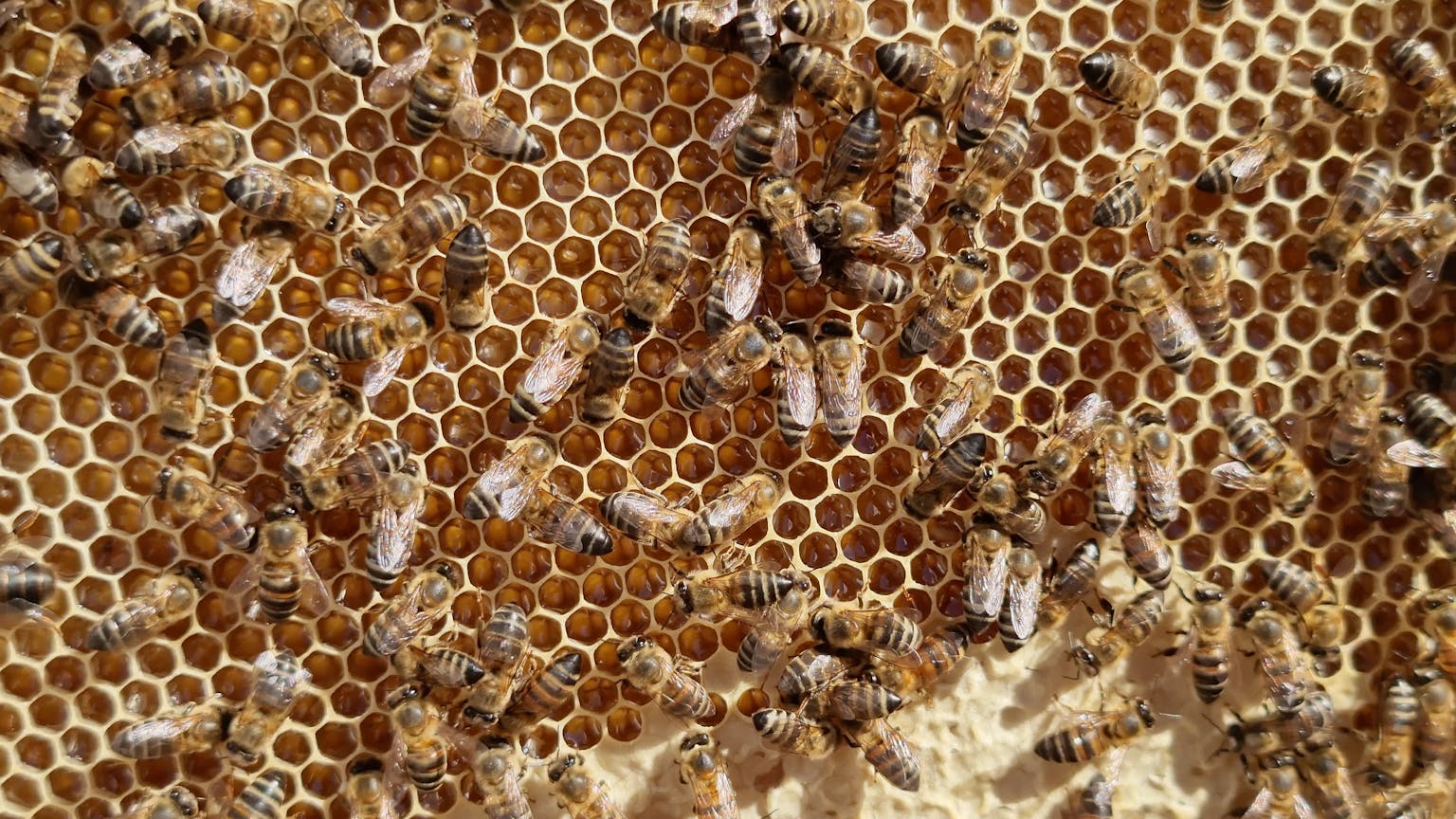
The hive was completely empty of honey. The wax cells were dry. The bees were shrinking in size. They were starving to death right in front of me.
I knew we had to act fast. I told the owner to prepare fifty gallons of 1:1 sugar syrup immediately. We used large internal frame feeders to safely deliver the food. We poured two gallons of fresh syrup into every single hive.
I returned to check on them five days later on August 19. The change was amazing. The hives were calm. The bees were busy storing the syrup. We saved all fifty colonies simply by understanding the nectar dearth and acting quickly.
Real Case Studies from Everyday Beekeepers
I want to share two verified case studies from beekeepers in our Trevro community. These are real people who faced severe food shortages.
Case Study 1: Sarah in Oregon, USA
Sarah manages twenty hives near Portland, Oregon. In July 2023, a massive heatwave burned all the local blackberry bushes. The main nectar flow stopped one month early.
Sarah noticed her hives were getting light. She also saw yellow jacket wasps trying to steal honey from her weaker hives. She contacted our support team at Trevro.
We advised her to install entrance reducers immediately. This helped her bees defend their hives from the wasps. Then, we told her to feed 1:1 sugar syrup inside the hives using top feeders.
Sarah fed her bees two gallons of syrup every week for four weeks. By September, her colonies were strong again. Her winter survival rate that year was 100 percent.
Case Study 2: Mark in Yorkshire, UK
Mark is a hobbyist beekeeper in the United Kingdom. He has three hives in his backyard. In January 2025, the UK faced extreme freezing temperatures.
Mark realized his bees did not have enough honey stored. He was worried they would starve before spring. He knew he could not use liquid syrup in the freezing cold.
He followed our Trevro winter guide. He placed two pounds of sugar fondant directly over the cluster of bees in each hive. He added an empty box around the fondant to block the cold wind.
Mark checked his hives in March when the weather warmed up. All three colonies survived the harsh winter. The bees had eaten almost all of the solid fondant.
How to Feed Bees Safely
Feeding bees is necessary, but you must do it the right way. If you make a mistake, you can cause a robbing frenzy. Robbing is a terrible event where thousands of bees fight to the death over food.
Always feed your bees inside the hive. Never place buckets of sugar water outside in your yard. Open feeding attracts wasps, hornets, and bees from other apiaries. It spreads deadly mites and diseases.
Use internal feeders. The best options are frame feeders or hive-top feeders. These feeders sit safely inside the wooden boxes. Only the bees that live in that specific hive can reach the food.
It is also smart to feed your bees late in the evening. If you spill any syrup on the ground during the day, it will attract robbers. If you feed in the evening, the bees will clean up any spills overnight.
Dangerous Foods You Must Never Give to Bees
Many people want to help bees but end up hurting them. You must know what foods are toxic to honey bees.
Never feed your bees honey from the grocery store. Store-bought honey can contain the spores of a deadly disease called American Foulbrood. This disease will destroy your entire apiary. You will have to burn your hives to stop it from spreading. Only feed bees honey if it came directly from your own healthy apiary.
Never feed bees brown sugar, raw sugar, or molasses. I mentioned this earlier, but it is very important. These sugars cause severe stomach problems for bees.
Never use artificial sweeteners. Things like stevia or aspartame provide zero energy. Bees will starve to death if they eat them.
Never leave sugar syrup in the hive for too long during hot weather. Sugar water can spoil and grow mold. It will turn black and smell like bad alcohol. If your syrup ferments, throw it away immediately. Clean the feeder with bleach water, rinse it well, and make a fresh batch.
Table: Safe Versus Unsafe Foods
| Food Item | Safe or Unsafe | Reason |
| White Granulated Sugar | Safe | Mimics natural nectar and is easy to digest |
| Sugar Fondant | Safe | Perfect for cold winter feeding without moisture |
| Store-Bought Honey | Unsafe | Can carry American Foulbrood disease spores |
| Brown Sugar | Unsafe | Contains molasses which causes fatal dysentery |
| Artificial Sweeteners | Unsafe | Provides zero calories or energy to the bees |
| Spoiled Sugar Syrup | Unsafe | Mold and fermentation will make the colony sick |
Learn From Trusted Agricultural Authorities
At Trevro, we base our methods on rigorous scientific research. We do not just make things up. We align our advice with top agricultural universities.
If you want to read more about the science of feeding bees, you should visit the Penn State Extension website. They offer incredible research on colony health and winter survival rates.
Another excellent resource is the Cornell University College of Agriculture and Life Sciences. They have entire departments dedicated to pollinator health. They constantly test the nutritional value of different pollen substitutes.
You can also look into the Honey Bee Health Coalition. They provide free, trusted guides on how to manage your hives through difficult seasons. Relying on these trusted sources is the best way to become an expert beekeeper.
Advanced Tips for Commercial Scale Feeding
If you manage fifty or more hives, feeding becomes a big logistical challenge. You cannot mix small batches on a kitchen stove. You need industrial methods.
Many commercial operators use large mixing tanks with motorized stirring paddles. They mix hundreds of gallons of syrup at once. They pump the syrup directly into the hives using long hoses and gas-powered pumps.
If you are scaling up your apiary, you need to track the bloom times in your specific area. Keep a journal. Write down exactly when the nectar dearth starts every year.
If you know the dearth always starts in late July, you can buy your sugar in bulk in June. Being prepared saves money and saves bees. We teach these exact scheduling methods in our professional courses at Trevro.
Final Thoughts on Feeding Bees
Being a beekeeper means taking responsibility for thousands of little lives. When nature fails to provide food, it is your job to step up.
Do not wait until the last minute to check on your hives. By the time you notice dead bees on the ground, it might be too late. Inspect your hives regularly. Lift the boxes to check their weight.
Always keep extra white sugar in your house. Keep some pollen patties in your freezer. If a sudden heatwave hits, you will be ready to act.
Remember the golden rules. Feed thin 1:1 syrup in the spring and summer. Feed thick 2:1 syrup in the fall. Feed dry fondant in the winter. Keep it simple, keep it inside the hive, and your bees will thrive.
Thank you for reading this guide. Good luck with your apiary. Keep learning and keep your bees healthy.