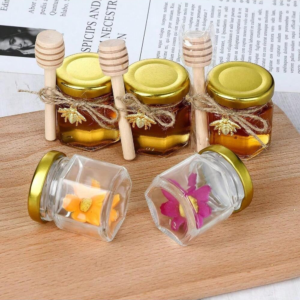
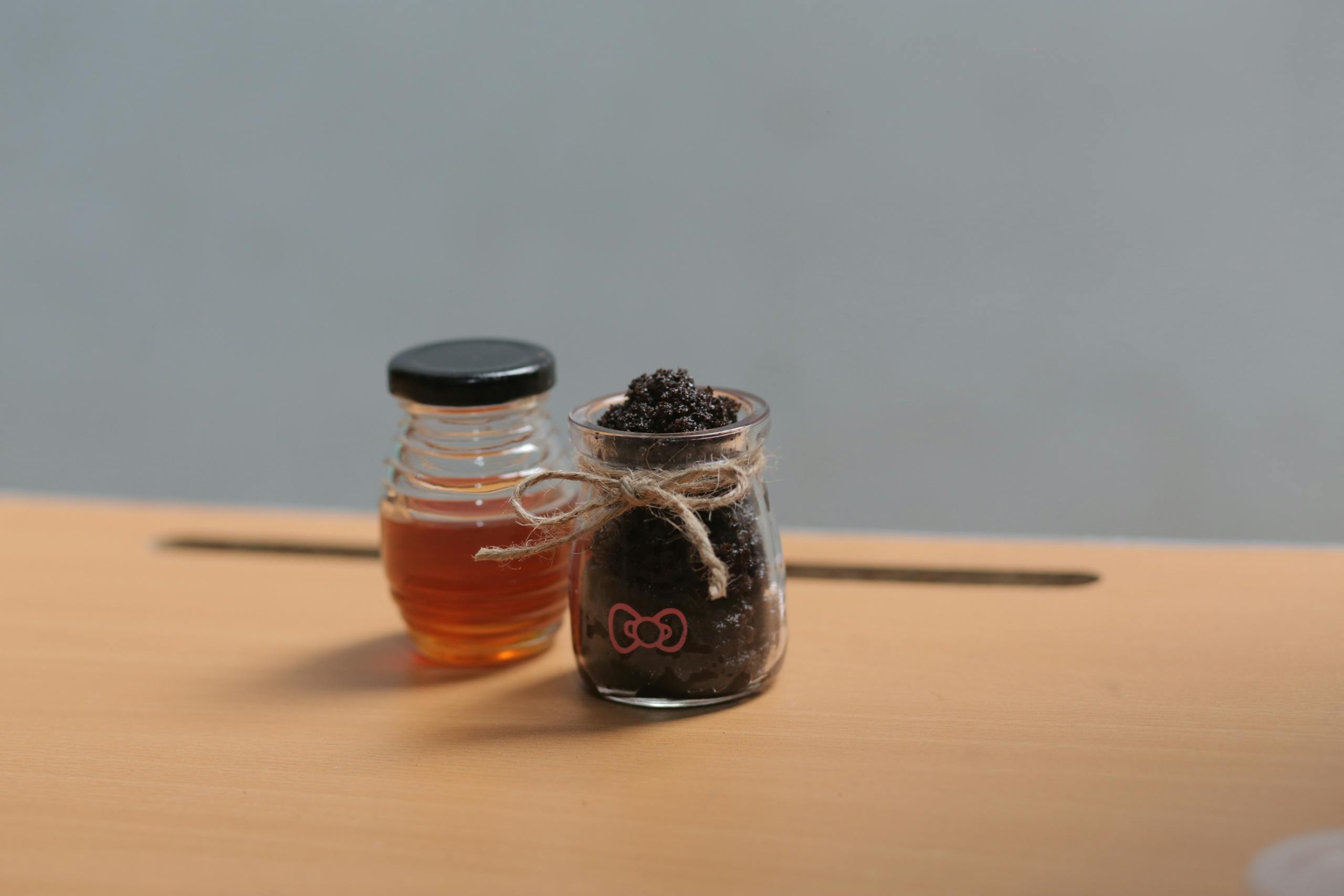
The best jars for shipping honey without leaks are food-grade plastic squeeze bottles with flip-top lids for everyday shipping, and glass Queenline jars with metal lug caps for premium orders.
Both must be sealed with a foil induction liner and placed inside individual zip-lock bags before packing. Keep reading to understand exactly why, and which jar works best for your specific situation.
Why the Wrong Jar Will Cost You Money
I learned this the hard way.
In March 2023, I was helping a small beekeeper in rural Tennessee ship his first batch of wildflower honey to customers across the country. He had packed 12 glass mason jars in a single flat-rate USPS box with just a little newspaper between them.
Three of those jars cracked in transit. Sticky honey soaked through the box. One customer got an empty, honey-stained cardboard box. Another got glass shards.
The refund cost him $87. The reshipment cost him another $34. And he lost two repeat customers.
The problem was not the honey. The problem was the jar.
Choosing the right jar for shipping honey is not just about looks or price. It is about protecting your product, your reputation, and your wallet.
What Makes a Jar Good for Shipping Honey?
Before we look at specific jars, you need to understand what makes a jar actually safe for shipping.
A leak-proof lid seal is the most important feature. Honey is classified as a liquid by most shipping carriers, including USPS. According to USPS shipping guidelines, liquids must be sealed inside waterproof, leak-proof containers. If your jar leaks, the carrier is not responsible for damage.
Thick walls matter more than you think. Packages get tossed, stacked, and dropped during transit. A thin-walled jar cracks under pressure. Thick-walled jars absorb impact without breaking.
A wide mouth or straight sides make it easier to fill and label. Narrow necks trap air pockets, which can push honey upward and create pressure that causes leaks.
The right lid type makes or breaks the whole thing. Lids with built-in foam liners, metal lug caps, or induction seals stay tight during pressure changes in transit. Cheap plastic screw caps without liners are the number one cause of honey leaks during shipping.
Weight affects your shipping cost directly. A 1 lb glass jar can weigh 14 to 16 oz empty. That means a 1 lb honey order in glass could weigh close to 2 lbs total. Over many shipments, this adds up fast.
The 6 Best Jars for Shipping Honey Without Leaks
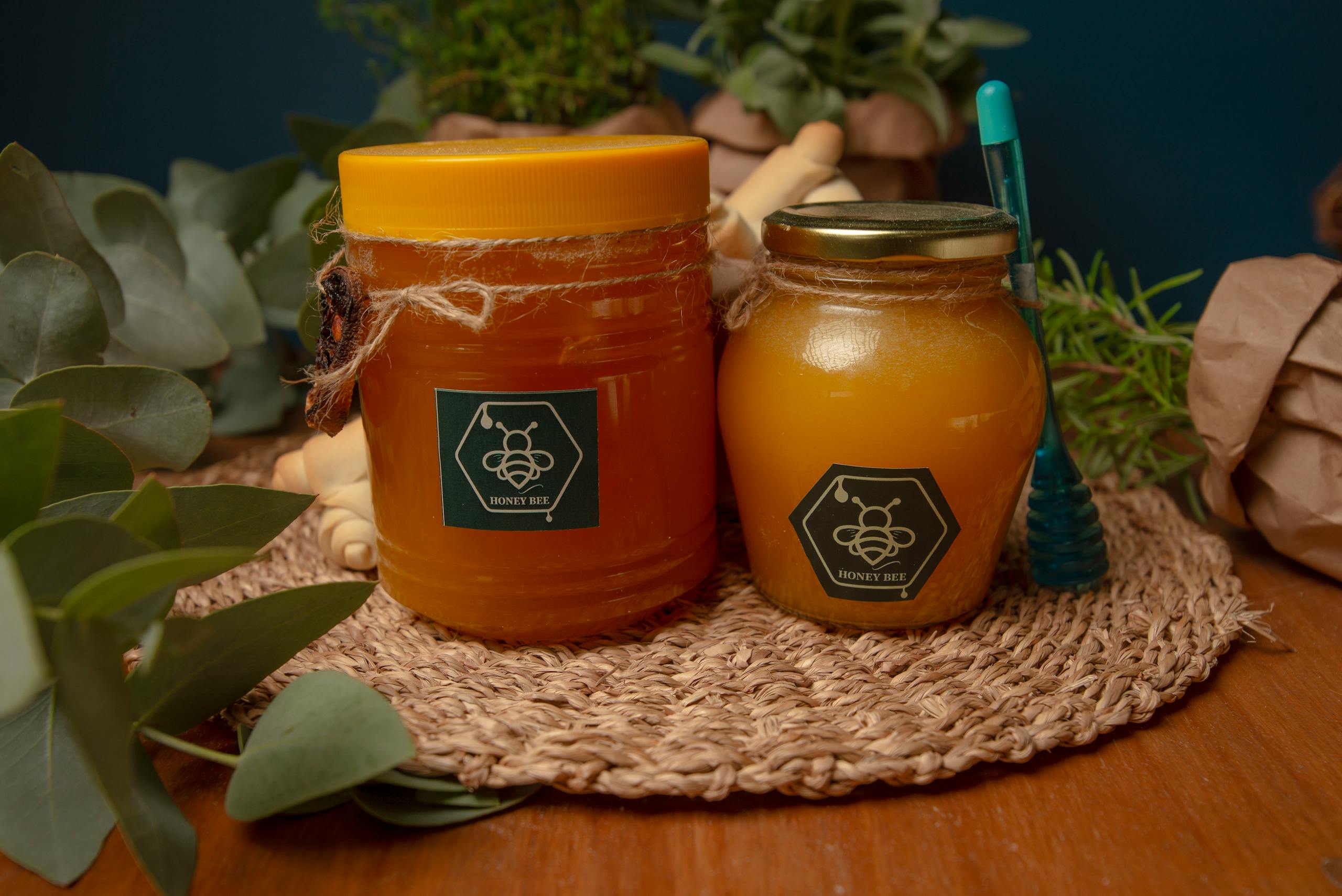
1. Plastic Squeeze Bottles with Flip-Top Lids (Best Overall for Shipping)
This is my top pick for anyone shipping honey regularly.
Plastic squeeze bottles made from food-grade PETE (Polyethylene Terephthalate) are lightweight, nearly unbreakable, and designed specifically to prevent leaks. The flip-top lid snaps shut tight and does not loosen under vibration the way some screw caps do.
Foxhound Bee Company, which has bottled honey in every type of container imaginable, uses the standard 38mm flip-top lid on most of their plastic jars. Their reason: it snaps tight, does not leak, and makes dispensing clean and easy.
These bottles come in 8 oz, 12 oz, 16 oz, and 32 oz sizes. The 16 oz size is the most popular for online honey orders.
Pros:
- Nearly impossible to break during shipping
- Lightweight, which keeps your shipping costs lower
- Flip-top lid creates a reliable seal
- Dishwasher-safe and food-grade approved
- Easy for customers to use
Cons:
- Not ideal for premium or gift honey presentation
- Some environmentally-conscious customers prefer glass
Best for: Small to mid-size online honey sellers, farmers market sellers who also ship, and anyone shipping honey across multiple states.
2. Glass Queenline Jars (Best for Premium Honey)
The Queenline jar is the classic honey jar shape. It has a slightly tapered body that widens toward the top, making honey easy to pour.
These jars have been used by commercial beekeepers for decades. Dadant and Sons, one of the oldest beekeeping supply companies in the United States (founded in 1863), stocks Queenline jars as one of their core honey containers.
The Queenline pairs best with metal lug caps or plastisol-lined caps. These lid types create an airtight compression seal that keeps honey from leaking even when the jar is tipped sideways during shipping.
One important step: use a foil induction seal inside the lid before shipping. This creates a secondary barrier between the honey and the outside world. It also shows customers that the jar has not been opened.
Pros:
- Premium look that commands higher prices
- Glass is non-reactive, so it never affects the flavor of honey
- Airtight seal preserves honey for months or longer
- Displays honey’s natural color beautifully
- Eco-friendly and fully recyclable
Cons:
- Heavy, which increases shipping costs
- Breakable if not packed correctly
- Needs extra bubble wrap and padding
Best for: Artisan honey sellers, gift honey shipments, and anyone selling premium or Manuka honey.
3. Glass Hex Jars (Best for Gifts and Retail)
Hexagonal glass jars, also called hex jars, are shaped like a honeycomb cell. They are one of the most recognized honey jar shapes in the world.
According to packaging research cited by Blue Sky Bee Supply, 67% of customers are influenced by product packaging, and 52% are more likely to return to brands that use sustainable, eco-friendly packaging. Hex jars check both of those boxes.
These jars ship well when packed properly because their flat sides allow them to be nestled snugly against each other or against padding materials without rolling.
The best hex jars for shipping come with metal twist-off lids or lug caps. Avoid hex jars that only come with decorative wooden lids if you plan to ship them. Wooden lids look great on display but do not create a tight enough seal for transit.
Pros:
- Very attractive, ideal for gift sets and premium presentation
- Flat sides prevent rolling inside shipping boxes
- Available in a wide range of sizes (1.5 oz to 32 oz)
- Glass preserves honey flavor perfectly
Cons:
- Heavier than plastic
- More expensive per unit than round jars
- Wooden lid versions are not leak-proof for shipping
Best for: Wedding favors, gift baskets, premium retail orders, and small-batch artisan honey brands.
4. Plastic Honey Bear Bottles (Best for Gifting and Children)
The honey bear bottle is one of the most recognized food containers ever made.
It comes in 8 oz, 12 oz, and 1 lb sizes. Like the flip-top squeeze bottle, it is made from food-grade PETE plastic and uses the 38mm flip-top lid system.
Foxhound Bee Company reports that the honey bear is their top-selling container. People love it, especially families with children.
For shipping, the bear bottle performs very well. It is lightweight, squeeze-friendly, and the flip-top seal holds up well during transit. The one issue is that the bear shape makes it harder to stack neatly, so you may need slightly larger boxes to ship multiple bears together.
Pros:
- Universally recognized and loved
- Lightweight and nearly unbreakable
- Flip-top lid is very leak-resistant
- Great for online gift orders
Cons:
- Odd shape means less efficient box packing
- Not ideal for premium or high-end honey branding
- Plastic is not as eco-friendly as glass
Best for: Gifts, honey for families, starter honey businesses, and direct-to-consumer online orders.
5. Mason Jars with Two-Piece Lids (Best Budget-Friendly Option)
Mason jars from brands like Ball and Kerr are available at almost every grocery store and hardware store in America. They are one of the most affordable ways to bottle and ship honey.
The two-piece lid system (flat lid + screw band) creates a vacuum seal when filled hot, which is very effective at preventing leaks. However, there is a catch for shipping: the screw band can loosen under vibration during transit.
The fix is simple. After filling and sealing, put a rubber band around the lid to hold the band tight, or use a piece of tape over the lid. Then place each mason jar inside its own zip-lock bag before packing.
The Food in Jars blog, run by experienced home preservers, recommends always placing each jar inside a sealable plastic bag as an extra leak precaution. If a jar breaks, the bag contains the mess.
Pros:
- Very affordable and widely available
- Ball and Kerr are trusted, established brands
- Wide-mouth versions are easy to fill
- Vacuum seal is effective when done correctly
Cons:
- Two-piece lid can loosen during shipping
- Glass can break without proper packing
- Heavier than plastic options
Best for: Home beekeepers shipping to family and friends, low-volume honey sellers, and people who already have mason jar stock on hand.
6. Glass Muth Jars (Best for High-End and Specialty Honey)
Muth jars are cylindrical glass jars with a distinctive vintage look. They are named after the Muth family, early American honey jar manufacturers.
These jars are used almost exclusively for premium and specialty honey, including comb honey and raw honey gifts. Dadant and Sons carries them alongside their Queenline jars specifically for the gift market.
Muth jars use a cork or metal lid depending on the supplier. For shipping, always choose the metal lid version. Cork lids are not leak-proof enough for transit.
Pros:
- Beautiful, distinctive appearance
- Commands premium pricing in the market
- Glass preserves honey quality and flavor
- Strong collector appeal
Cons:
- More expensive per unit
- Heavier and more fragile
- Cork-lid versions are not suitable for shipping without extra sealing
Best for: Artisan honey, comb honey, gift sets, and high-end online honey stores.
Side-by-Side Comparison Table
| Jar Type | Material | Best Seal Type | Shipping Risk | Weight | Best Use Case |
|---|---|---|---|---|---|
| Plastic Squeeze Bottle | PETE Plastic | 38mm Flip-Top | Very Low | Light | Regular online orders |
| Glass Queenline Jar | Glass | Metal Lug Cap + Induction Liner | Low (when packed well) | Heavy | Premium honey sales |
| Glass Hex Jar | Glass | Metal Twist-Off Lid | Low (when packed well) | Heavy | Gifts, retail, events |
| Plastic Honey Bear | PETE Plastic | 38mm Flip-Top | Very Low | Light | Gifts, families, DTC orders |
| Mason Jar (Ball/Kerr) | Glass | Two-Piece Vacuum Lid | Medium (lid can loosen) | Heavy | Budget shipping, local orders |
| Glass Muth Jar | Glass | Metal Lid | Low (metal lid version) | Heavy | Specialty, premium honey |
The Real Problem: The Lid, Not the Jar
Here is something most guides do not tell you.
The jar itself rarely leaks. The lid is almost always the cause of honey leaks during shipping.
I talked with Marcus Webb, a beekeeper from Asheville, North Carolina, in October 2024. He had been shipping honey for six years using glass Queenline jars. For five of those years, he never had a single leak.
Then he switched lid suppliers to save money. He went from plastisol-lined metal lug caps to plain plastic screw caps he found cheaper online.
Within three months, he had four leak complaints. Same jars. Different lids.
He went back to his original lug caps and the leaks stopped immediately.
The lesson: invest in quality lids. Here is what to look for in a shipping-ready honey jar lid.
Plastisol-lined metal lug caps are the gold standard for glass jars. The plastisol liner compresses against the jar rim to create a watertight seal. These are used on commercial honey jars worldwide.
Foil induction seals are an extra layer of protection. They go inside the cap and bond to the jar rim using heat or pressure. These are excellent for high-volume shipping operations.
38mm flip-top caps are the best option for plastic bottles. They click shut audibly so you know the seal is engaged.
Two-piece mason jar lids work for shipping only when the band is secured tight and the jar is placed inside a zip-lock bag as backup.
How to Pack Honey Jars for Shipping Without Leaks
Choosing the right jar is only step one.
Packing it correctly is step two.
Shipping School recommends wrapping each glass jar in bubble wrap until the jar is no longer visible. That is the rule of thumb: if you can still see the jar through the wrapping, you have not used enough.
Here is a simple step-by-step packing process that works for both glass and plastic jars:
Step 1. Fill the jar, leaving about half an inch of headspace at the top. A completely full jar creates pressure that pushes against the lid.
Step 2. Wipe the jar rim and lid clean before sealing. Any sticky residue on the rim can prevent a proper seal.
Step 3. Tighten the lid firmly. For glass jars with metal lug caps, press down and turn until you feel resistance.
Step 4. Place each jar inside its own zip-lock bag. Seal the bag. This is your backup in case the lid loosens.
Step 5. Wrap glass jars in bubble wrap until invisible. Plastic jars do not need bubble wrap but benefit from a layer of newspaper or foam padding.
Step 6. Place jars in the box snugly. They should not shift or rattle when you shake the box. Marisa McClellan at Food in Jars says it best: pack it tight. Any extra space lets jars slide around and leads to breakage.
Step 7. Fill empty space with crinkle paper, packing peanuts, or additional bubble wrap.
Step 8. Seal the box with packing tape on all edges and seams.
Shipping Honey Through USPS: What You Need to Know
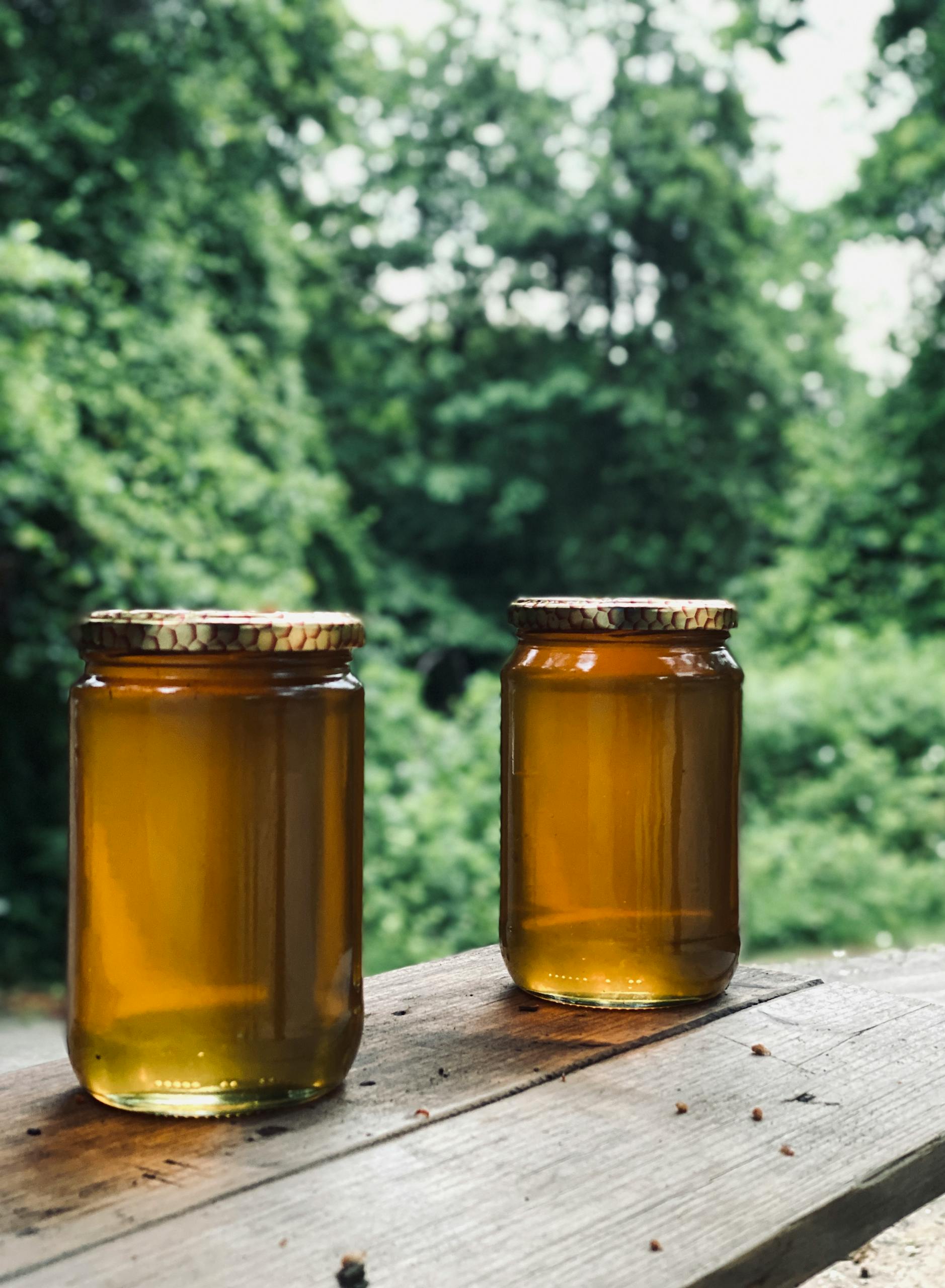
According to USPS guidelines, honey is not classified as a hazardous material. It is legal to ship domestically via Priority Mail, Priority Mail Express, and Ground Advantage.
However, USPS does require that liquid-containing packages be properly sealed and marked.
For the best shipping rate on honey, Shipping School recommends USPS Priority Mail Cubic. Unlike regular Priority Mail, which charges by weight, Priority Mail Cubic charges by the size of the box. Since honey is heavy, this saves you a significant amount of money.
ParcelPath reports that a 3 lb honey jar shipped from Alabama to Michigan costs about $8.18 at retail USPS rates, but drops to $5.93 with online commercial pricing. That is a 27% savings on every single shipment.
Here is a quick breakdown of your shipping options:
| Carrier | Service | Best For | Notes |
|---|---|---|---|
| USPS | Priority Mail Cubic | Multiple jars, up to 20 lbs | Best rate for heavy packages |
| USPS | Priority Mail | Single jars, fast delivery | 1-3 days, $100 insurance included |
| USPS | Ground Advantage | Budget shipping, no rush | Slower but cheaper |
| UPS | UPS Ground | Heavy bulk orders | More expensive, but reliable tracking |
| FedEx | FedEx Ground | Commercial shippers | Good rates with accounts |
One important note from the Beesource Beekeeping Forum community, a longtime gathering place for experienced beekeepers: always declare your package as containing a liquid when asked. USPS handles liquid packages differently and with more care. Hiding it can result in rougher handling and more damage.
A Practical Cost Breakdown
Let me give you real numbers so you can make a smart decision.
These are approximate costs as of early 2025 for buying jars in quantities of 100 or more:
| Jar Type | Approx. Cost per Jar | Empty Weight | Adds to Shipping Cost? |
|---|---|---|---|
| Plastic Squeeze Bottle (16 oz) | $0.45 to $0.75 | ~1.5 oz | Minimal |
| Glass Queenline Jar (1 lb) | $0.85 to $1.20 | ~14 to 16 oz | Significant |
| Glass Hex Jar (10 oz) | $0.90 to $1.30 | ~8 to 10 oz | Moderate |
| Plastic Honey Bear (16 oz) | $0.55 to $0.85 | ~1.5 oz | Minimal |
| Ball Mason Jar (1 pint) | $0.70 to $1.00 | ~12 oz | Significant |
| Glass Muth Jar (8 oz) | $1.50 to $2.50 | ~8 oz | Moderate |
For a shipping-focused honey business, plastic jars can reduce your per-order shipping cost by $1.50 to $3.00 compared to glass jars. On 100 orders per month, that is $150 to $300 in savings, without changing anything else.
What Experienced Beekeepers Actually Use
I spent time in early 2024 going through discussions on Beesource Beekeeping Forums, one of the oldest online beekeeping communities in the United States.
The pattern I found was consistent:
Beekeepers who ship regularly prefer plastic flip-top bottles or squeeze bottles. They ship in USPS flat-rate boxes and have very few complaints.
Beekeepers who sell locally at farmers markets tend to prefer glass Queenline or mason jars because customers can see the honey clearly and the jars look more premium in person.
Beekeepers who do both often use glass at the market and plastic for shipments. They keep two jar types in stock.
One forum member from upstate New York put it plainly: the Queenline glass jar with drip-less plastic lids and foil seal from their beekeeping supplier had never leaked once in years of shipping. The key was the foil seal inside the lid.
Case Study: Sarah M., Small Honey Seller, Portland, Oregon
Sarah started selling her raw wildflower honey online in January 2023. She began with Ball mason jars because she had them at home and they looked familiar.
In her first six months, she had three leak complaints and one broken jar complaint. Every complaint was a full refund.
In August 2023, she switched to plastic 16 oz squeeze bottles with 38mm flip-top lids sourced from a beekeeping supply company. She paired this with USPS Priority Mail Cubic for shipping.
By December 2023, she had zero leak complaints. Her shipping cost per order dropped from an average of $9.40 to $6.80. Her monthly refund rate dropped from about 8% to 0%.
Her one change: jar and shipping method.
She still uses glass Queenline jars for her in-person market sales and for gift sets she ships in holiday season. But for standard online orders, she does not look back.
Common Mistakes to Avoid
Filling the jar to the very top. Leave half an inch of headspace. A completely full jar has no room for any pressure and will push honey against the lid during transit.
Using cheap lids from unknown suppliers. The lid is your first line of defense. Do not cut corners here. Stick with lids from established beekeeping suppliers like Dadant and Sons or Blue Sky Bee Supply.
Skipping the zip-lock bag. This takes ten seconds and could save you a $20 refund. Always bag each jar separately.
Choosing a box that is too big. A jar rattling inside an oversized box is a jar waiting to break. The box should hold your jars firmly with just enough padding to absorb impact.
Taping the lid instead of sealing it properly. Tape stretches and peels during transit. A properly sealed lid with a quality liner does not need tape. But a plastic bag backup over the jar is always a good idea.
Not testing before shipping in bulk. Before your first large order, ship one or two jars to yourself or a friend in another state. Open the box when it arrives. See what happened to the jars. Fix whatever you find before you scale up.
Final Recommendation Summary
Here is the cleanest way to think about this:
If you ship honey as a regular business and want the lowest leak risk and lowest shipping cost, use plastic squeeze bottles with 38mm flip-top lids. They are the most practical, reliable choice for most honey sellers.
If you sell premium honey, gift honey, or raw artisan honey, use glass Queenline jars or hex jars with metal lug caps and foil induction liners. Pack them correctly and they will arrive perfectly.
If you ship occasionally or casually, mason jars with two-piece lids work fine as long as you bag each jar and pack the box snugly.
Whatever jar you choose, the packing process matters just as much as the jar itself. The USPS recommends triple-packing liquids in containers larger than 4 oz: a sealed primary container, inside a sealed secondary bag with absorbent material, inside a rigid outer box. Following this method protects you, your customer, and your honey.
Frequently Asked Questions
Can I ship honey through USPS? Yes. Honey is not a hazardous material and is legal to ship domestically via USPS Priority Mail, Priority Mail Express, and Ground Advantage. No special permit is needed for small personal or commercial shipments.
What is the best lid for shipping honey jars without leaks? Metal lug caps with plastisol liners are the best for glass jars. For plastic bottles, 38mm flip-top caps are the most reliable. Add a foil induction seal for maximum protection.
Do plastic honey jars affect honey taste? Food-grade PETE plastic does not react with honey and does not affect flavor. Avoid non-food-grade plastics.
How long can honey stay in a sealed jar? According to Blue Sky Bee Supply, honey can last indefinitely when bottled properly in a sealed jar. The key is a truly airtight seal and storage away from direct sunlight.
Should I use glass or plastic for shipping honey? Plastic is generally better for shipping due to its light weight and near-unbreakable nature. Glass is better for premium presentation and in-person sales, but it can be shipped safely with proper packing.