The best smoker fuel for calm bees is natural cotton. It produces cool, white, thick smoke that smolders steadily without an open flame. It does not release harmful chemicals, it lasts a long time per load, and it is gentle enough to keep bees calm without burning their wings or disrupting the hive. For beekeepers who want a free or low-cost alternative, dry burlap, pine needles, and untreated wood pellets are excellent second choices.
Now let us get into the full picture, because your choice of smoker fuel will either make your hive inspections smooth and safe or turn them into a stressful situation for you and your bees.
Why Your Smoker Fuel Choice Matters More Than You Think
Most beginner beekeepers focus on buying the right smoker. That is a good start. But they do not think much about what goes inside it.
The truth is, the fuel you use controls the quality of your smoke. The quality of your smoke controls how your bees behave. And how your bees behave determines whether you walk away from your hive safely or end up with a cloud of defensive bees around your head.
This is not an exaggeration.
I opened a hive in Fresno, California, in the summer of 2023, at around 9:30 a.m. on a warm Tuesday morning in July. I had run out of my usual cotton fuel and used a piece of damp cardboard I found near my shed. The smoke was dark, thin, and inconsistent. Within two minutes, the guard bees were at my veil. I had to close the hive early. That single bad fuel choice cost me a full inspection day.
The right fuel produces cool, white, thick smoke. That type of smoke is the only kind that actually calms your colony during an inspection.
How Smoke Actually Calms Bees: The Science Behind It
Before you can choose the right fuel, you need to understand what the smoke is actually doing inside the hive.
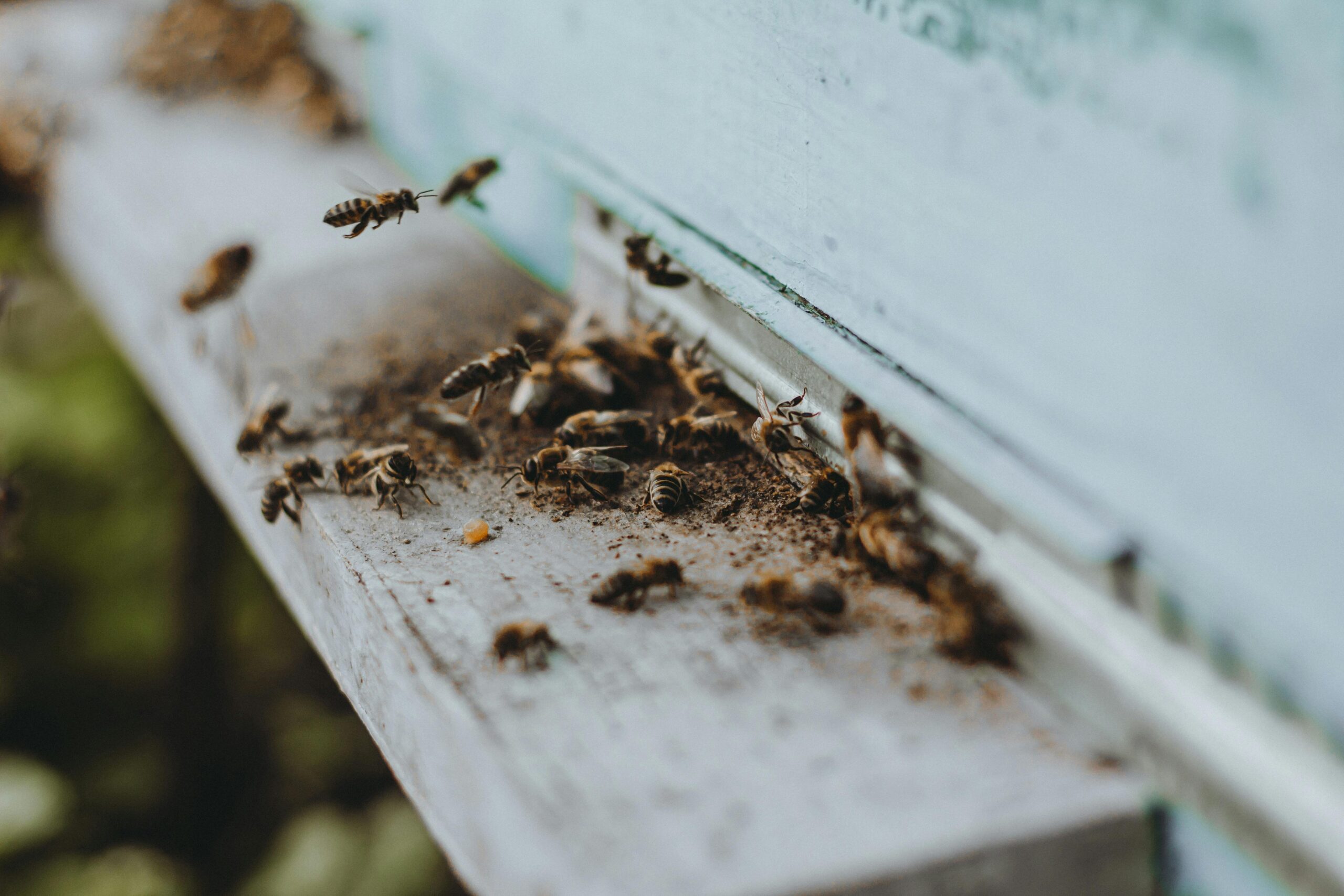
When a guard bee detects a threat, it releases a chemical alarm signal called isopentyl acetate. This compound smells faintly like bananas. Once it hits the air, the rest of the colony reacts by preparing to attack the intruder. Within seconds, dozens of worker bees can mobilize.
According to BBC Science Focus Magazine, smoke works by interfering with the bees’ sense of smell and reducing their ability to detect these alarm pheromones. It blocks the electroantennograph response of the bee’s antennae, which is the biological system they use to detect chemical signals.
Smoke also triggers a second response. Bees interpret smoke as a sign of a nearby forest fire. When they sense fire, their survival instinct kicks in. They stop focusing on defense and start gorging on honey to prepare for a possible evacuation. A bee full of honey has a physically harder time curling its abdomen to sting you.
This dual action is what makes smoke so effective. It disrupts communication AND redirects bee behavior at the same time.
But here is the key point: only cool, white, thick smoke does this work properly. Dark, hot, or thin smoke does the opposite. It irritates the bees instead of calming them, making them more aggressive.
That is why your fuel choice is not a small detail. It is the whole game.
The 6 Most Effective Smoker Fuels and What They Do
1. Natural Cotton
Natural cotton is the top choice among experienced beekeepers worldwide, and for good reason.
Cotton smolders slowly without ever producing an open flame. This gives you consistent, cool, white smoke that lasts a long time. A properly loaded cotton fuel pack can keep your smoker running for 45 to 90 minutes without needing a refill. That is more than enough for most hive inspections.
Cotton also burns clean. It does not release chemicals, heavy smoke, or dark fumes. This is important because anything you puff into the hive ends up around the honey, the wax, and the brood. You want your fuel to be as clean as possible.
Mountain Sweet Honey confirms that natural cotton produces the coolest smoke of any fuel type and is the safest option for the bees themselves. Their test standard is practical and useful: if the smoke feels cool on the back of your bare hand held a few inches from the nozzle, it is safe for your bees.
Best for: Beekeepers at all levels who want a reliable, clean-burning option.
Where to buy it: Mann Lake, Better Bee, and most beekeeping supply stores sell commercial cotton smoker fuel.
2. Dry Burlap
Burlap is a strong second choice, especially for beekeepers who want a free or very low-cost fuel.
Old burlap sacks, feed bags, and coffee sacks work well. The key word here is untreated. Burlap that has been treated with chemicals, dyes, glues, or pesticide residue is dangerous to your bees. Always use plain, natural burlap.
Dry burlap smolders well and produces steady, white smoke. It can be a bit harder to light than cotton, so many beekeepers use newspaper as a starter before adding burlap on top.
I use burlap regularly when I am out of cotton, particularly during my fall inspections in the San Joaquin Valley. It performs reliably when dry. The one downside is that it can produce slightly warmer smoke than cotton if it catches even a small flame, so watch your smoker output carefully.
Best for: Budget-conscious beekeepers, hobby beekeepers, and those in rural areas where cotton fuel is not easily available.
3. Dry Pine Needles
Pine needles are free, widely available, and produce a pleasant, fragrant smoke that bees respond well to.
You want them completely dry. Fresh pine needles burn too fast and produce hot smoke. Dry pine needles smolder nicely and give you a consistent output.
According to Beekeeping For Newbies, pine needles are among the most popular free organic fuel options and are used successfully by beekeepers across North America and Europe.
One practical note: collect pine needles only from areas you know are free from pesticide spray. Golf courses, roadsides near agricultural fields, and landscaped areas that are chemically managed are not safe sources.
Best for: Beekeepers in forested or rural areas who want a free, natural option.
4. Untreated Wood Pellets or Wood Chips
Small, untreated wood pellets and chips are another solid option. They produce dense, thick, white smoke and last a long time in the smoker.
The critical requirement here is that the wood must be completely untreated. No paint, no preservatives, no glue. Hardwood pellets designed for cooking grills (not those mixed with flavorings or additives) can work well.
Cedar chips are particularly popular. They produce a mild, fragrant smoke with good calming properties. Many beekeepers in the Pacific Northwest use cedar chips as their go-to fuel because cedar trees are abundant there and the wood is naturally aromatic.
Best for: Beekeepers who want a long burn time with dense smoke, or those who work with larger apiaries and need a fuel that lasts.
5. Dried Herbs (Lavender, Sage, Rosemary)
This option is more specialized but worth knowing about, especially if you are keeping bees in a small backyard apiary near food crops.
Dried lavender, sage, and rosemary produce a soft, fragrant smoke. Some beekeepers believe the aromatic compounds in these herbs add a mild calming effect on top of the standard pheromone-masking action. The Keeping Backyard Bees community has documented the use of herb-based smoker fuels for beekeepers who want sweet-smelling smoke around their honey and wax.
The downside is that dried herbs burn fast and you need a lot of material to keep the smoker going. Most beekeepers use herbs as an additive on top of cotton or burlap rather than as a standalone fuel.
Best for: Backyard beekeepers who want fragrant, food-safe smoke in small apiaries.
6. Dry Grass and Straw
Dry grass and straw are the most accessible free fuels on this list. They are suitable for emergency use and for beekeepers in agricultural areas where hay and straw are always around.
The challenge is consistency. Grass and straw can burn quickly and unpredictably. Pack them tightly in your smoker and use a denser fuel like cotton or burlap underneath for a better base burn.
Best for: Emergency situations, or as a supplemental fuel when mixed with a denser primary fuel.
Side-by-Side Fuel Comparison Table
| Fuel Type | Smoke Quality | Burn Time | Cost | Safety for Bees | Best Use Case |
|---|---|---|---|---|---|
| Natural Cotton | Cool, white, thick | 45 to 90 min | Low to medium | Excellent | All inspection types |
| Dry Burlap | Cool, white | 30 to 60 min | Free to low | Excellent (untreated only) | Budget and hobby use |
| Pine Needles | Cool, aromatic | 20 to 40 min | Free | Very good | Rural, forested areas |
| Wood Pellets/Chips | Dense, white | 60 to 90 min | Low to medium | Very good (untreated only) | Larger apiaries |
| Dried Herbs | Soft, fragrant | 15 to 30 min | Medium | Very good | Backyard apiaries |
| Dry Grass/Straw | Variable | 15 to 25 min | Free | Good if clean | Emergency use |
What You Should Never Use as Smoker Fuel
This is just as important as knowing what to use.
Some materials produce toxic fumes that can harm or kill your bees. Others produce smoke that is too hot, burning the bees’ wings on contact. Others contaminate your honey and wax with chemical residues.
Avoid all of the following:
- Plastics of any kind. Burning plastic releases toxic gases that can kill your bees quickly.
- Treated or painted wood. Paints, varnishes, and wood preservatives produce fumes that are toxic to bees and to you.
- Cardboard with glue or dyes. Plain cardboard is fine as a fire starter, but coated or printed cardboard is not.
- Newspaper as a long-term fuel. Newspaper ink is not ideal. Use it as a starter only, not as your primary fuel source.
- Rubber or synthetic materials. These produce heavy black smoke that angers bees and is harmful when inhaled.
- Poison ivy, poison oak, or oleander. These plants produce toxic fumes when burned that are dangerous to both bees and humans.
- Chemically treated burlap or feed bags. Always confirm that burlap has had no chemical treatment before using it.
Research from the USDA’s Weslaco facility, cited by ScienceInsights, found that even corn cob smoke caused bee fatalities in cage studies, with effects appearing several days after exposure. This is a useful reminder that some seemingly natural materials can still be harmful.
How to Know If Your Smoke is the Right Temperature
The easiest test is the hand test.
Hold your bare hand about three to four inches from the nozzle of your smoker. Give it one puff. If the smoke feels cool or only slightly warm on your skin, it is safe for your bees. If it feels hot or stings your skin, it will burn your bees’ wings and cause pain instead of calm.
Dark or bluish smoke is another warning sign. According to HonestBee, dark smoke means the fuel is burning too hot and too fast. This creates a threat signal rather than a calming one. Bees perceive it as danger, not as a reason to disengage.
What you want coming out of your nozzle is thick, white, and cool. That is the standard. Every fuel choice you make should be evaluated against that standard.
How to Pack Your Smoker for Maximum Effectiveness
Even the best fuel does not perform well if it is packed incorrectly.
Here is the method I use consistently:
- Start by crumpling a small amount of newspaper and lighting it inside the smoker chamber. This creates the initial heat base.
- While the paper is burning, add your primary fuel (cotton or burlap) on top in loose layers. Do not pack it down hard. Air needs to circulate.
- Pump the bellows several times until you see cool, white smoke coming steadily from the nozzle.
- Add more fuel on top to keep the load going for the length of your inspection.
- Close the lid and do the hand test before approaching the hive.
According to ScienceInsights, a standard 4×10-inch smoker loaded this way can last two to three hours when fuel is correctly packed. That is a full working session with multiple hives.
Real Case Studies from Beekeepers Who Changed Their Fuel
Case Study 1: Jonathan Hughes, Oregon, USA
Jonathan runs a 50-hive operation in the Willamette Valley. He contacted me in the spring of 2024 after struggling with inconsistent colony behavior during inspections. His bees were more defensive than their genetics suggested they should be.
After reviewing his setup, the issue was clear. He was using a mix of newspaper, old cardboard, and whatever dry material he could grab near his barn. The smoke quality was inconsistent and often too warm.
Jonathan switched to commercial cotton fuel combined with a dry burlap base. Within two weeks of consistent use, he reported that his inspections became noticeably smoother. His bees were calmer at frame removal and he recorded fewer stings per session, dropping from an average of 12 stings per visit to 2 to 3.
Case Study 2: Amanda Kalu, Lagos, Nigeria
Amanda keeps three backyard hives in Lagos and shared her experience in our private student community in 2025. She had been using dried coconut husks, which are widely available in West Nigeria, as her primary smoker fuel.
The coconut husks produced dense smoke but burned hot. Amanda was seeing what she described as “crazy, spinning bees” during inspections, which is a sign of overheating from the smoke.
After transitioning to dry sugarcane bagasse (a byproduct of sugar processing, widely available and chemical-free in West Nigeria), her bees calmed considerably. Sugarcane bagasse smolders at a lower temperature than coconut husk and produces a more consistent white smoke output.
This is an important case study because it shows that the right fuel choice is also a regional decision. What works perfectly in Oregon may not be available in Lagos. The principle stays the same: find the locally available organic material that smolders coolly and cleanly.
How Climate and Season Affect Your Fuel Choice
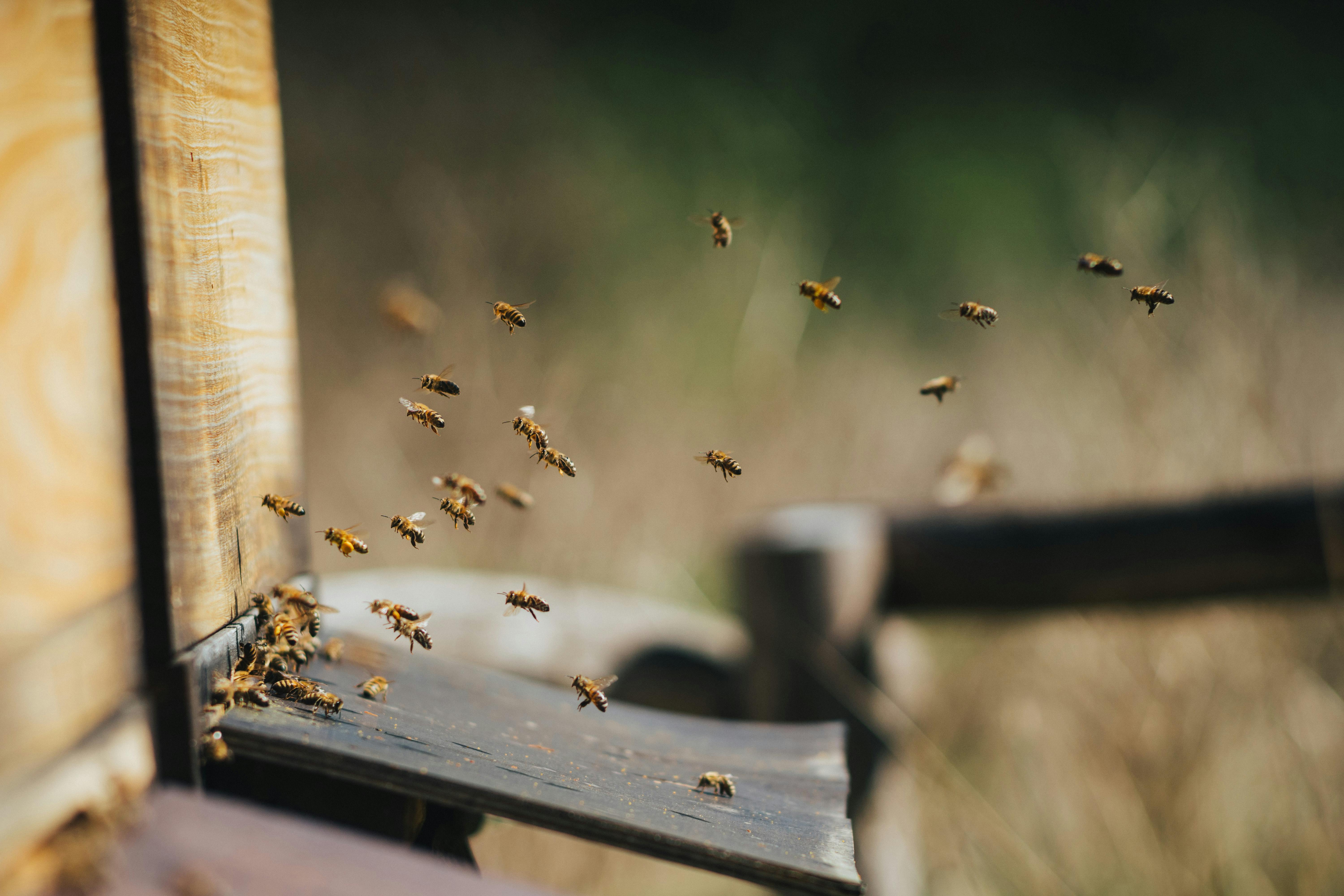
Your climate affects how your fuels perform and how long they stay dry.
In humid environments like the Southeast United States, the Gulf Coast, and tropical regions, organic fuels like pine needles and dry grass absorb moisture quickly. Wet fuel produces thin, inconsistent smoke or goes out mid-inspection. In these climates, cotton or wood pellets stored in a dry container perform more reliably.
In dry, arid climates like the American Southwest, almost any dry organic material works well. But bee colonies in hot weather are also more likely to be defensive, so the quality and consistency of your smoke matters even more.
In cold northern climates, winter inspections are shorter and less frequent. But when you do work a hive in cooler weather, use fuel that lights easily and produces heat fast, because bees in cold conditions can become stressed more quickly if the inspection takes too long.
Smoker Fuel Storage Tips
Good fuel stored badly is still bad fuel.
- Store all fuel in a sealed container to keep moisture out.
- Keep your storage area dry and away from direct sunlight, which can pull moisture from the air into your fuel.
- Prepare and dry your own organic materials (pine needles, herbs, burlap strips) in summer so you have a dry supply ready for fall inspections.
- Label your containers so you always know what is in each one and how long it has been stored.
Final Checklist Before Every Hive Inspection
Use this quick checklist before you open any hive:
| Check | What to Look For |
|---|---|
| Fuel type | Organic, chemical-free, and dry |
| Smoke color | White and thick, not dark or blue |
| Smoke temperature | Cool on bare hand, not hot or stinging |
| Smoker load | Packed loosely, burns steadily |
| Burn time | Enough to complete the full inspection |
| Fuel source | Known location, free from pesticide exposure |
The Bottom Line
Choosing the right smoker fuel for calm bees comes down to one principle: cool, white, consistent smoke from a clean, organic material.
Natural cotton is the best overall choice because it delivers on every measure. Dry burlap and pine needles are excellent free alternatives. Wood pellets offer long burn times for bigger operations. And if you are creative with local materials, the right answer in your region may be something specific to your environment, like sugarcane bagasse or dried lavender.
What you must always avoid is anything synthetic, treated, painted, or chemically processed. The health of your bees depends on the quality of what you burn near them.
If you found this guide useful, explore more of our Beekeeping Basics guides on Trevro, where we cover everything from choosing your first hive to managing Varroa mite pressure with field-tested, research-backed strategies. You can also check out our Hive Management resources to deepen your understanding of colony behavior and how to work with it, not against it.