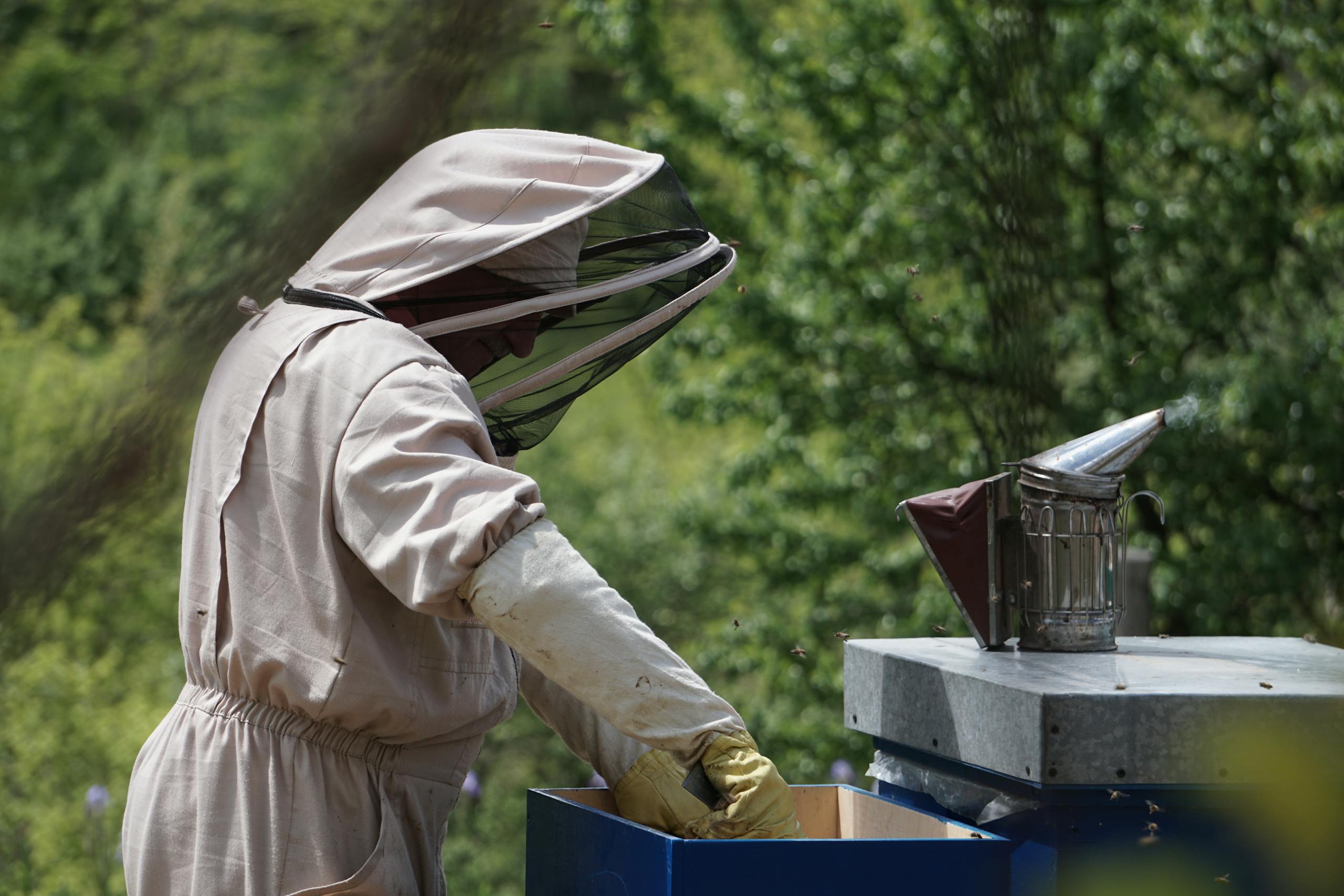
To harvest honey from a top-bar hive, you must carefully select fully capped honeycombs, cut the comb away from the top bar while leaving a small starter strip for the bees, and use the “crush and strain” method to extract the liquid gold. Unlike traditional hives, top-bar harvesting is gentler on the bees and requires less expensive machinery, making it the best choice for natural beekeepers.
My name is Peter Uzodimma. I have spent years working with bees across various climates. I remember my first successful harvest on July 14, 2021, in a small backyard garden in Portland, Oregon. It was 10:00 AM, the sun was warm but not scorching, and the bees were calm. That day, I learned that patience is the most important tool in a beekeeper’s kit.
At Trevro, we believe in sustainable practices that respect the natural behavior of the colony. This guide will show you how to dominate the craft of top-bar honey harvesting.
Why Top Bar Hives are Different
Most commercial beekeepers use Langstroth hives with plastic frames. Top-bar hives are different. They use horizontal bars where bees build their own wax from scratch.
This means the honey you get is often cleaner. The wax is fresh and has not been recycled for years. According to the Cornell University College of Agriculture and Life Sciences, natural comb building allows bees to regulate the cell size, which can lead to a healthier colony.
Quick Comparison: Top Bar vs. Langstroth Harvesting
| Feature | Top Bar Hive | Langstroth Hive |
| Equipment Needed | Knife, Bucket, Strainer | Centrifuge/Extractor, Uncapping Fork |
| Bee Stress | Low (Minimal vibration) | Moderate (High vibration) |
| Wax Production | High (Harvested with honey) | Low (Frames are reused) |
| Honey Purity | Very High (Fresh wax) | Standard |
The Best Time to Harvest
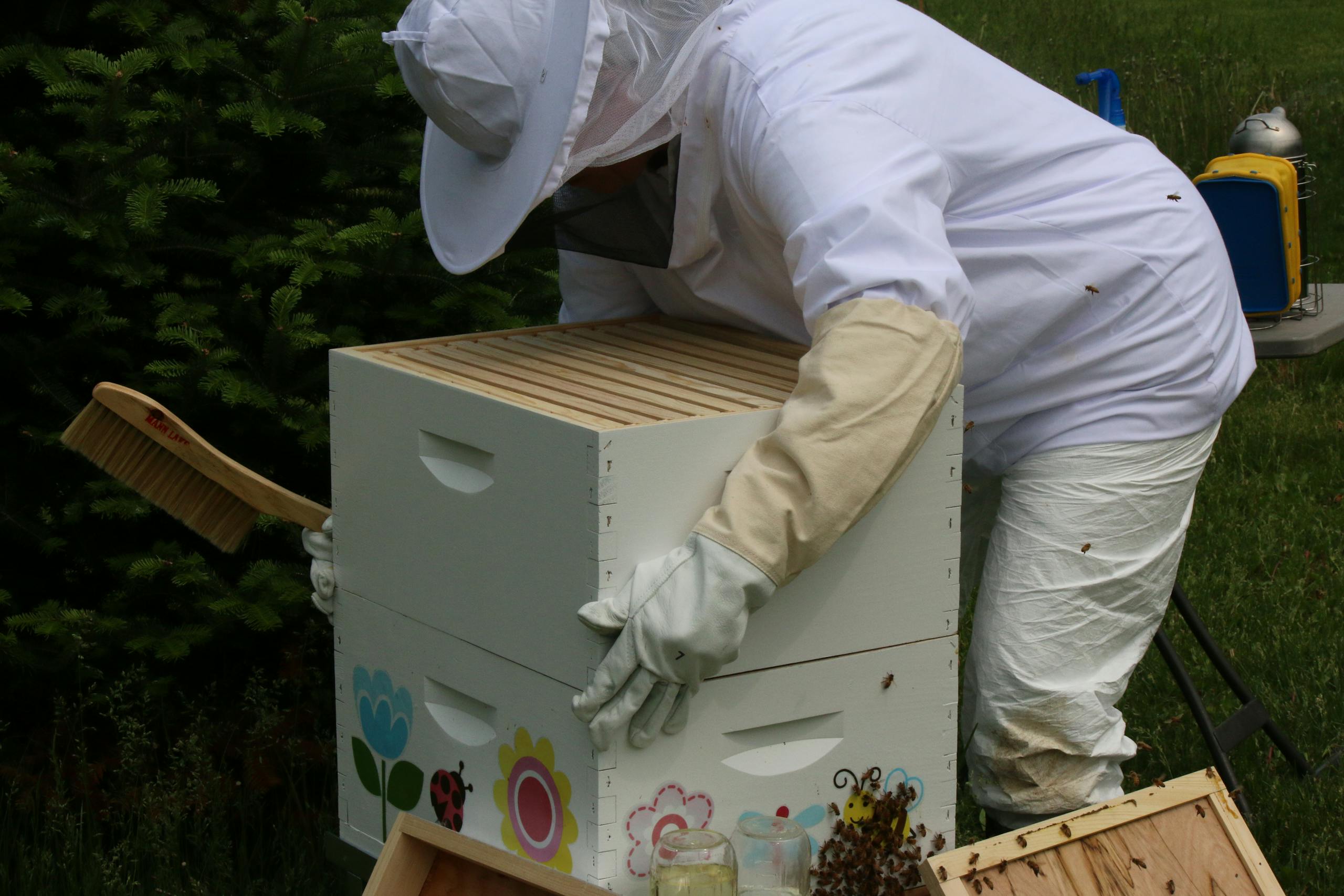
You cannot harvest honey whenever you want. If you take too much too early, the bees will starve in the winter. If you wait too long, the honey might crystallize in the comb.
In Tier 1 countries like the United States or the UK, the primary harvest usually happens in late summer (August or September). However, a “spring flow” harvest is possible in some regions.
I always check my hives at 9:00 AM. This is when the older “forager” bees are out looking for nectar. The hive is less crowded, which makes your job much easier and safer.
Preparation: Tools of the Trade
You do not need fancy machines. You need simple, high-quality tools.
- A Sharp Knife: A long serrated bread knife works best.
- Food-Grade Buckets: Use BPA-free plastic or stainless steel.
- Bee Brush: To gently move bees off the comb.
- A Smoker: To calm the bees using cool, white smoke.
- Fine Mesh Strainer: To separate the wax from the honey.
Step-by-Step Harvesting Guide
Step 1: Lighting the Smoker
Do not use chemicals to start your smoker. I prefer dried pine needles or untreated burlap. The goal is “cool” smoke. If the smoke is hot, it will hurt the bees. Give two or three puffs at the entrance. Wait two minutes before opening the lid.
Step 2: Selecting the Right Comb
Open the hive from the back (the end opposite the entrance). This prevents you from blocking the flight path of the bees.
Look for “capped” honey. This means the bees have covered the honey cells with a thin layer of white wax. This indicates the moisture content is below 18%. If you harvest uncapped honey, it may ferment and turn into vinegar.
Step 3: Removing the Bees
Once you lift a bar, you will see hundreds of bees. Do not shake the bar violently. Top-bar comb is fragile because it has no wire support. Use a soft bee brush or a large feather to gently “flick” the bees back into the hive.
Step 4: The Cut
Use your knife to cut the comb away from the wood. Crucial Tip: Leave about half an inch of comb attached to the bar. This acts as a “guide” or “starter strip.” The bees will use this to build the next comb straight. If you cut it completely bald, they might build “cross-comb,” which is a nightmare to manage.
Step 5: The Crush and Strain Method
Since we don’t use a centrifuge, we use the crush and strain method.
- Place the honeycomb in a clean bucket.
- Use a potato masher or your hands (with clean gloves) to crush every cell.
- Pour the mixture through a fine mesh strainer into a second bucket.
- Let it sit for 24 hours. Air bubbles and tiny wax bits will rise to the top.
Case Study: The “Cold Snap” Mistake
In 2022, a fellow beekeeper named Sarah in Colorado tried to harvest in late October during a sudden cold snap. The wax was brittle, and the bees were defensive because there was no nectar left in the fields. She accidentally broke three combs that weren’t even ready.
The lesson? Always check the weather. You want a clear, calm day with temperatures above 60°F (15°C).
Scientific Data: Honey Quality
Honey from top-bar hives is often richer in pollen. Research published by The Honeybee Conservancy suggests that minimal processing preserves the natural enzymes and antioxidants.
| Nutrient/Property | Top Bar Honey (Raw) | Commercial Filtered Honey |
| Pollen Content | High | Very Low |
| Diastase Activity | High (Enzymes preserved) | Low (Heat damaged) |
| Flavor Profile | Floral/Complex | Uniform/Sweet |
Managing the Bees After the Harvest
Bees work hard for their honey. When you take it, you are taking their winter food.
In my experience, you should never take more than 50% of the total honey in the hive unless you plan on feeding them sugar syrup. In colder climates like Canada or the Northern USA, a colony needs about 60 to 80 pounds of honey to survive the winter.
Safety First
Even the calmest bees can sting if they feel their home is being robbed.
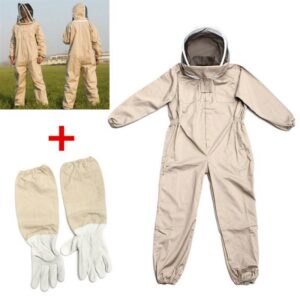
- Wear a full bee suit.
- Ensure your ankles are covered.
- Move slowly. Fast movements scare bees.
- If you get stung, do not pull the stinger with your fingers (this squeezes more venom in). Use a fingernail or a credit card to scrape it off.
Storing Your Harvest
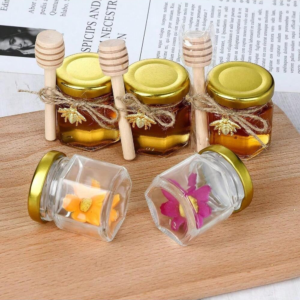
Store your honey in glass jars in a cool, dark place. Do not put it in the refrigerator. Real honey will eventually crystallize (turn solid). This is not a sign that it is bad! It actually proves the honey is pure. To make it liquid again, simply place the jar in a bowl of warm water.
Expert Tips for Dominating the Market
If you plan to sell your honey, the “Top Bar” label is a huge selling point. People in Tier 1 countries are looking for “Artisan” and “Small-Batch” products. Because you have high wax production, you can also sell beeswax candles or salves. This doubles your profit from a single hive.
Conclusion
Harvesting honey from a top-bar hive is an art. It requires a gentle hand and a deep respect for the insects. By following this guide, you are ensuring that your bees stay healthy and your honey remains the highest quality possible.
For more deep dives into sustainable living and beekeeping, visit us at Trevro. We are committed to providing the most accurate, field-tested information for modern beekeepers.