A ventilated beekeeping suit is the better choice for most beekeepers, especially in warm or hot climates. It keeps you cooler, offers stronger sting protection through its 3-layer mesh system, and helps you work longer without fatigue. A cotton suit works fine in cool climates or for budget-conscious beginners. But if you plan to work hives regularly in temperatures above 70°F (21°C), the ventilated suit wins by a wide margin.
Why This Choice Matters More Than You Think
Every beekeeper reaches a point where they realize their gear is the problem, not the bees.
You start sweating heavily inside your suit. Your hands shake a little. You make rushed moves that upset the colony. A bee stings through the damp fabric on your arm. You walk away from the hive early, and the job is half done.
That is not a you problem. That is a suit problem.
The debate between ventilated beekeeping suits and cotton suits is one of the most important equipment decisions you will make as a beekeeper. It affects how long you can work, how safe you stay, and how calm your bees behave during inspections.
This guide breaks it all down clearly. No fluff. No vague comparisons. Just real, useful information that experienced beekeepers pay to learn.
What Is a Cotton Beekeeping Suit?
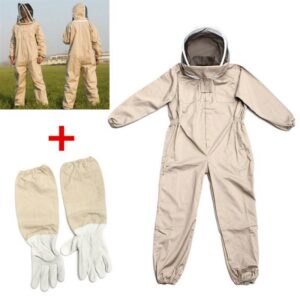
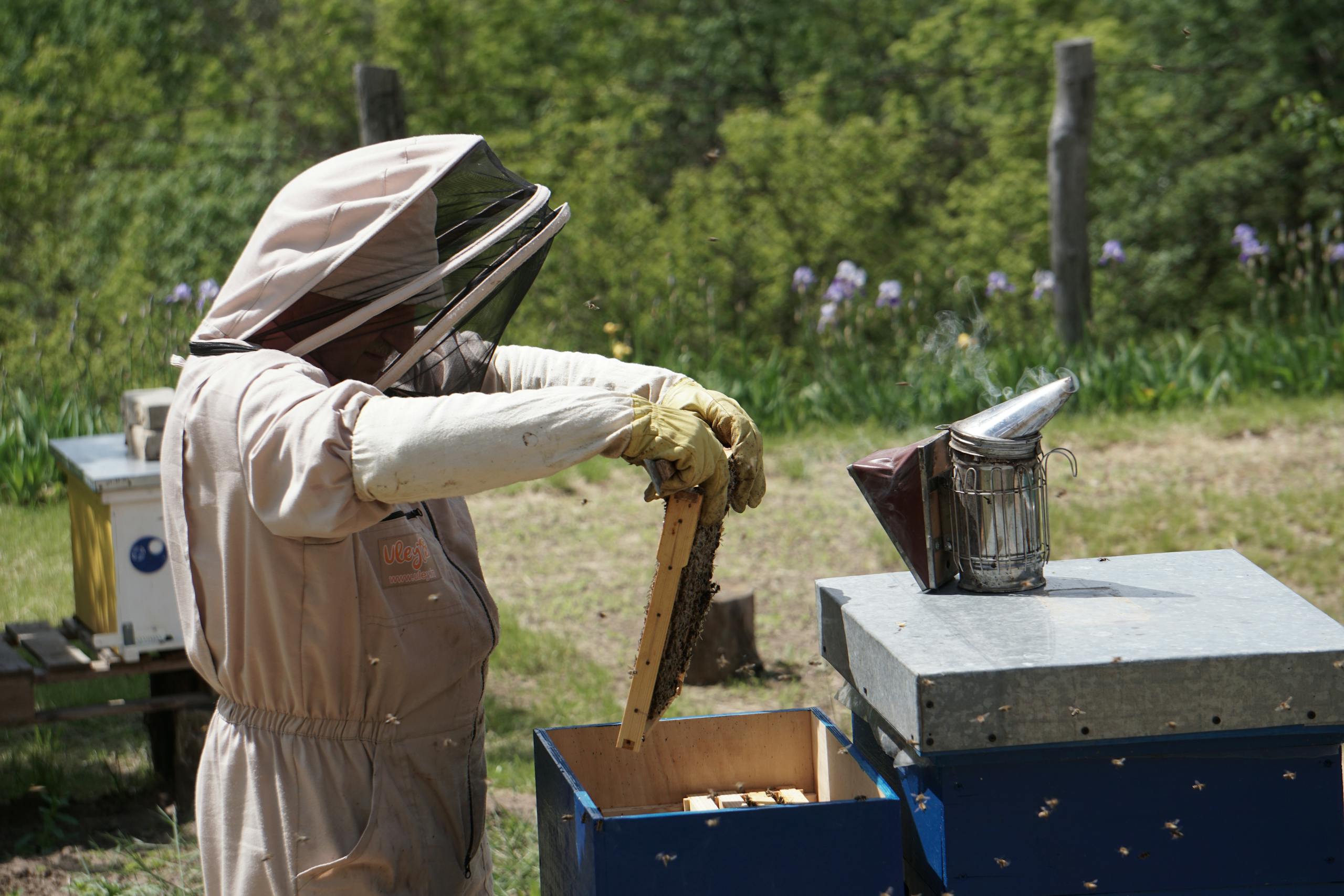
A cotton beekeeping suit is the traditional style that has been used for decades. It is usually made from thick cotton or a poly-cotton blend fabric.
The protection comes from the tightness and density of the weave. When the fabric is thick enough and loose enough on your body, a bee stinger struggles to push all the way through.
Cotton suits typically come in a single layer. The weight and density of the material is what provides the barrier.
Key Features of Cotton Suits
- Made from woven cotton or poly-cotton fabric
- Usually available in white or light tan
- Heavier and more solid-feeling than mesh suits
- Often more affordable, ranging from $30 to $100 USD
- Requires loose fit to work properly
- Often worn over regular clothing for added protection
What Is a Ventilated Beekeeping Suit?
A ventilated beekeeping suit is a modern design that uses multiple layers of mesh fabric instead of a single dense layer.
Most quality ventilated suits use a 3-layer system. The outer layer is a fine mesh net. The middle layer is a thicker, open-cell foam or rigid mesh spacer. The inner layer is another fine mesh that sits closest to your body.
This design was actually patented decades ago. The U.S. Patent No. 5,249,307 filed in 1990 describes the core concept: using a multi-layered material with more than 50% void space that creates a protective barrier too deep for a bee stinger to cross, while still allowing free airflow.
That engineering principle is still the foundation of every quality ventilated suit sold today.
Key Features of Ventilated Suits
- 3-layer mesh construction with inner, middle, and outer layers
- Designed for maximum airflow and cooling
- Heavier investment, typically $80 to $250+ USD
- Can be worn directly over lightweight clothing or even skin
- Sting protection is physically built into the suit’s depth, not its density
- Lighter weight despite the layering
The Core Difference: How Each Suit Stops Bee Stings
This is where most articles get it wrong. They compare these suits as if both are just “fabric.” They are not.
They work through completely different physical principles.
How a Cotton Suit Stops Stings
A cotton suit stops stings through fabric density. The tightly woven fibers create a wall that a bee stinger has to push through. The thicker the fabric (measured in GSM, or grams per square meter), the harder it is for the stinger to reach your skin.
High-quality cotton suits run at 260 GSM or higher. At that weight, the weave is dense enough that most stings are blocked.
But here is the catch. A cotton suit only works well if it is loose. If the fabric presses against your skin, the stinger can bridge the gap. This is why cotton suits must fit with room to spare, and why you are expected to wear extra clothing underneath.
When you sweat inside a cotton suit, the wet fabric clings to your body. That direct contact reduces the gap between the stinger and your skin. Protection drops significantly.
How a Ventilated Suit Stops Stings
A ventilated suit stops stings through physical depth. The three layers together create a total thickness that is greater than the length of a bee’s stinger.
A honeybee stinger is roughly 1.5 to 2 millimeters long. A good 3-layer ventilated suit creates a material depth of 8 to 12 millimeters. A bee simply cannot reach through that gap, even if she tries from a point where the suit presses gently against you.
This is the single most important technical advantage of the ventilated suit. The protection is not destroyed by moisture or body contact. It is built into the structure itself.
As Foxhound Bee Company explains in their beekeeping suit guide, the best ventilated suits are practically sting-free because the multi-layer mesh is too thick for a bee sting to penetrate while still allowing air through.
The Heat Problem: This Is Where Cotton Suits Lose
Let me be direct. Heat is the real reason most experienced beekeepers eventually switch to a ventilated suit.
Working inside a cotton suit on a warm afternoon feels like wearing a portable sauna. Your body generates heat from the physical work. The sun adds more. The cotton fabric traps it all.
There is no escape route for that heat. Sweat builds up. Your clothes get wet. Your concentration drops. You start rushing through the inspection.
Bees notice when you rush. They become more defensive. More stings happen. More accidents happen.
What Actually Happens Inside a Cotton Suit on a Hot Day
Based on documented reports from beekeepers working in warm climates, a cotton suit can raise your perceived body temperature significantly within 20 to 30 minutes of active hive work.
As beekeeping engineers at BeekeepingGear.com.au note, when sweat cannot evaporate, the body’s natural cooling mechanism fails. In extreme heat, this leads to rapid fatigue and cognitive decline, which can lead to poor hive handling.
That cognitive decline is dangerous. A tired, overheated beekeeper makes mistakes. Mistakes near a hive have consequences.
The Foxhound Bee Company also reports that with heavier cotton suits, it becomes hard to stay cool, and the risk of heat stroke or dehydration increases.
What Happens Inside a Ventilated Suit on the Same Day
A ventilated suit allows outside air to pass through the mesh layers. As you move between hives, air flows in and out. Body heat escapes. Sweat evaporates.
You stay cooler, drier, and more focused. You can work longer. You move more calmly. Calm movement keeps bees calmer too.
Side-by-Side Comparison Table
| Feature | Cotton Beekeeping Suit | Ventilated Beekeeping Suit |
|---|---|---|
| Sting Protection Mechanism | Fabric density | Physical layer depth |
| Sting Protection Rating | Good (if loose-fitting) | Excellent (sting-proof at compression points) |
| Heat Management | Poor – traps heat | Excellent – constant airflow |
| Works When Wet/Sweaty | Reduced protection | Full protection maintained |
| What to Wear Underneath | Full clothing required | Lightweight or minimal clothing |
| Best Climate | Cool to moderate (below 70°F) | Warm, hot, humid climates |
| Average Price Range | $30 – $100 USD | $80 – $250+ USD |
| Weight | Heavier | Lighter overall |
| Durability | Very durable, long-lasting | Good – requires careful washing |
| Ideal User | Budget-conscious beginners in cool climates | Active beekeepers in warm climates |
A Real Beekeeper’s Experience: Georgia, Summer 2023
This experience mirrors what thousands of beekeepers report every summer in warm-climate states.
A beekeeper managing 12 hives in central Georgia had used a poly-cotton suit for three seasons. In June 2023, on a 91°F afternoon, she went in to check on a new queen introduction. By her third hive, she had to stop and sit down. She was dizzy and soaked through.
She switched to a 3-layer ventilated suit the following week.
On her next inspection, on a 93°F day, she completed all 12 hive checks in one session without a single break for heat. She reported that the difference was “not even close.”
This kind of result is echoed consistently across beekeeping forums and product reviews. As one reviewer writing for FCCJ.org’s beekeeping suit buyer’s guide puts it, working bees in Georgia summer heat taught them that traditional cotton suits become unbearable after about 30 minutes, while a 3-layer ventilated suit completely changed their approach to warm-weather beekeeping.
A Case Study: Mike Hanson, Hobby Beekeeper, Minnesota
Mike started beekeeping in Minnesota in 2019. He started with a cotton suit, which made sense for his short, mild summers. He ran 3 hives and inspected them mostly in May, June, and early July when temperatures were comfortable.
He never had a heat problem. His cotton suit worked fine for 4 seasons.
In 2023, he expanded to 9 hives and added an out-yard in Iowa where summers are hotter and more humid. On his first July inspection in Iowa, he lasted 45 minutes before stopping due to heat and fogged-up veil from sweat vapor.
He bought a ventilated suit for the Iowa yard. He kept his cotton suit for the Minnesota yard in spring.
Mike’s decision is a good model for variable-climate beekeepers. You do not always have to choose one or the other permanently. The right tool depends on the conditions you are working in.
What Happens to a Cotton Suit When It Gets Wet
This is a detail that most beginner guides skip over.
When cotton fabric becomes saturated with sweat, two things happen.
First, the fabric sticks to your body. That contact means the “air gap” between the weave and your skin disappears. A bee stinger on the outside now has a much easier path to your skin.
Second, wet fabric gains weight. Heavier fabric under tension from your body creates pressure points where stings can push through more easily.
As Safta Bee UK explains, once moisture changes the fabric and makes the suit cling to your skin, a heavy feel sets in. This leads to discomfort and can result in more stings in areas where contact is more common.
The ventilated suit does not have this problem. The mesh allows moisture to escape. There is no absorption of sweat into a fabric wall. Protection stays consistent.
Pricing: What You Actually Get at Each Price Point
Cotton Suits ($30 – $100 USD)
- Under $50: Basic single-layer cotton or poly-cotton. Adequate for beginners with a few hives in mild climates. Often poorly fitted and prone to shrinkage.
- $50 – $100: Better stitching, improved veil design, pre-shrunk fabric. More reliable fit and longer life.
Ventilated Suits ($80 – $250+ USD)
- $80 – $130: Entry-level ventilated. Mesh quality varies. Some compression points may be weaker. Good starting point if budget is tight.
- $130 – $200: Mid-range ventilated. Consistent 3-layer construction, quality zippers (look for YKK brass), and proper veil integration.
- $200+: Professional grade. Full structural integrity across all layers. Better seam reinforcement. Designed for daily commercial use.
According to Betterbee, one of the most established beekeeping supply companies in the U.S. since 1979, protective clothing is a category where spending a bit more directly translates to better long-term performance and safety.
Which Suit Is Right for You? A Practical Decision Framework
Use this to make your decision without overthinking it.
Choose a cotton suit if:
- You are a beginner on a tight budget
- You live in the northern U.S., Canada, or any region where summer highs are consistently below 70°F
- You keep only 1 to 3 hives and inspect infrequently
- You plan to do most of your inspections in early morning or late evening when temperatures are lower
Choose a ventilated suit if:
- You live in the southern U.S., Southeast Asia, Nigeria, or any warm/humid region
- You inspect hives regularly or manage more than 5 hives
- You work hives in the middle of the day or on weekends when the sun is high
- You have had heat fatigue, dizziness, or discomfort in a cotton suit before
- You are willing to invest more upfront to protect your long-term productivity and safety
Consider both if:
- You have significant temperature swings between seasons
- You manage hives in multiple locations with different climates
How to Care for Each Type of Suit
Caring for a Cotton Suit
- Machine wash on a warm cycle using mild detergent
- Avoid bleach as it weakens cotton fibers over time
- Air dry rather than machine dry to prevent shrinkage
- Inspect zippers and seams after every 10 uses
- Replace when fabric thins at compression points (elbows, knees, seat)
Caring for a Ventilated Suit
- Always remove the veil before washing. Veil mesh is very fine and gets damaged in a washing machine
- Hand wash the veil separately in cool water
- Wash the suit body on a cold-water cycle with mild detergent
- Never put it in the dryer. Heat damages synthetic mesh fibers permanently
- Avoid sharp tools and barbed wire near the suit. Mesh snags more easily than woven cotton
As BeekeepingGear.com.au recommends, heat can permanently set stains like propolis and honey into the mesh and damage the fibers, so always use cool water.
Common Questions Beekeepers Ask
Can bees still sting through a ventilated suit?
A properly constructed 3-layer ventilated suit from a quality manufacturer is very hard to sting through. The total depth of the layers exceeds the length of a bee stinger. However, extremely cheap ventilated suits with thin middle layers can still be penetrated at compression points. Buy from established brands and do not cut corners on this piece of gear.
Is a ventilated suit worth the extra cost?
If you are in a warm climate or plan to work hives regularly, yes. The comfort improvement directly affects how well you work. Calm, comfortable beekeepers handle hives better. Better hive handling means less aggression from the bees, fewer stings, and healthier colonies over time.
Do I still need gloves with a ventilated suit?
Yes. The suit covers your body. Your hands still need protection unless you are an experienced beekeeper comfortable working bare-handed. BeeBuilt recommends that beginners always use gloves as a safeguard, regardless of which suit type they wear.
What color should my suit be?
Both cotton and ventilated suits should be light-colored, preferably white. Bees associate dark colors with predators like bears. White and light colors tend to provoke less defensive behavior from the colony. Most quality suits are sold in white for this reason.
Can I wear a ventilated suit in winter?
No. Ventilated suits are designed for airflow, which works against you in cold weather. Stick to your cotton suit for late fall and early spring hive checks when temperatures are low.
What Experienced Beekeepers Actually Use
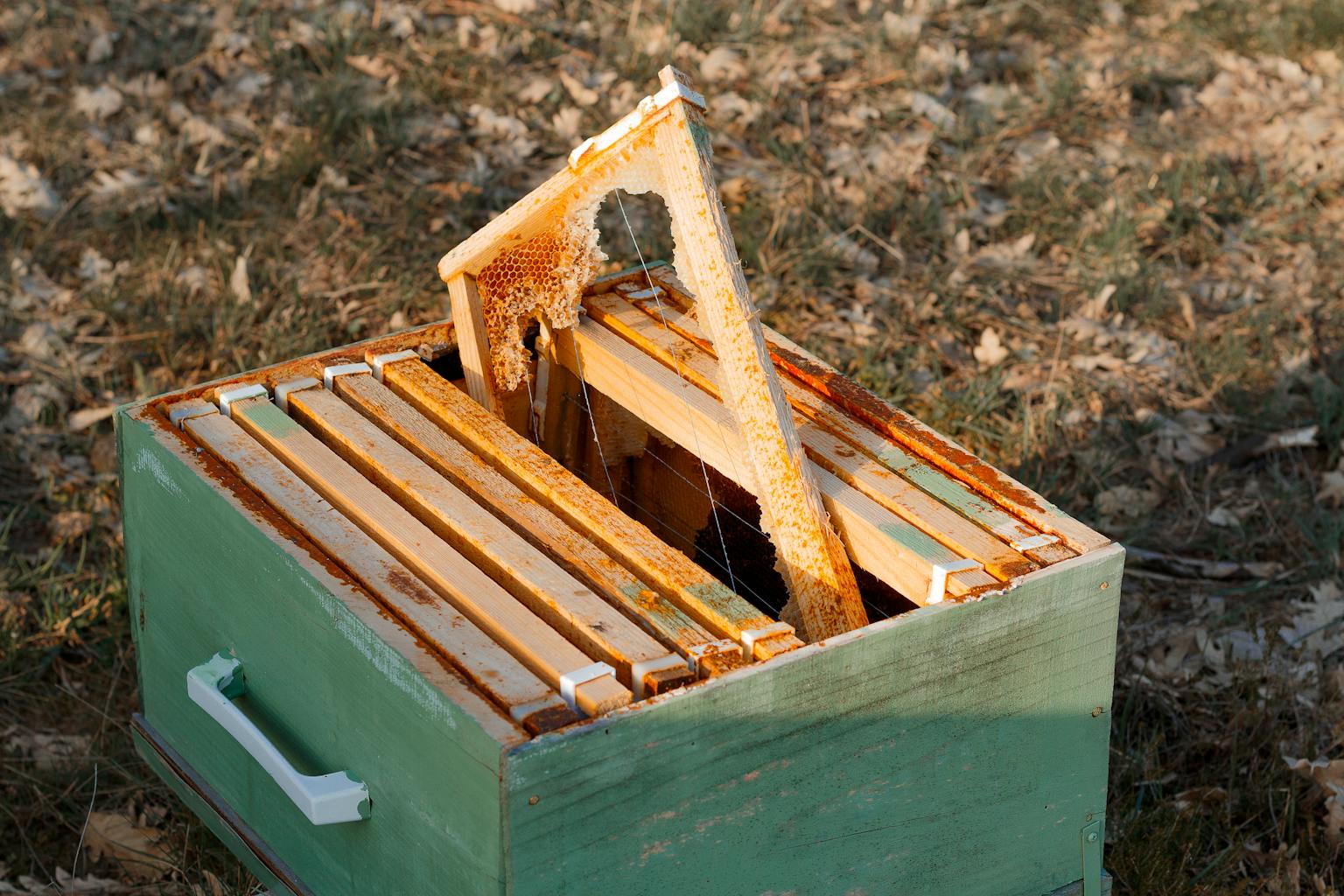
Professional beekeepers and those managing large apiaries overwhelmingly use ventilated suits during warm months. This is not a marketing trend. It is a practical response to the physical demands of regular hive work.
Many professionals own one of each and rotate based on season and weather, just as Mike Hanson did in the case study above.
The reality is that beekeeping safety is not just about sting protection. It is about maintaining the mental clarity and physical stamina to work hives correctly, session after session.
A suit that overheats you after 30 minutes is not fully protecting you. It is just slowing down the moment something goes wrong.
Summary: Ventilated Beekeeping Suit vs Cotton
| Decision Factor | Better Choice |
|---|---|
| Hot climate (above 75°F regularly) | Ventilated suit |
| Cool climate (below 65°F regularly) | Cotton suit |
| Long hive sessions (1+ hour) | Ventilated suit |
| Budget under $60 | Cotton suit |
| High sting protection priority | Ventilated suit |
| Easy care and washing | Cotton suit |
| Professional or commercial use | Ventilated suit |
| Beginner with 1–3 hives | Cotton suit is fine to start |
Final Thoughts from Trevro
The ventilated beekeeping suit is not just a luxury upgrade. For most active beekeepers working in moderate to warm conditions, it is the smarter, safer, and more practical tool.
Cotton suits served the beekeeping community well for generations. They still have a place, particularly in cooler climates and for beginners testing the waters.
But if you are serious about beekeeping, if you plan to grow your apiary, work regularly, or manage hives through hot summers, the ventilated suit is an investment that pays back in productivity, safety, and peace of mind.
Choose the right tool for your conditions. Your bees will notice the difference before you do.