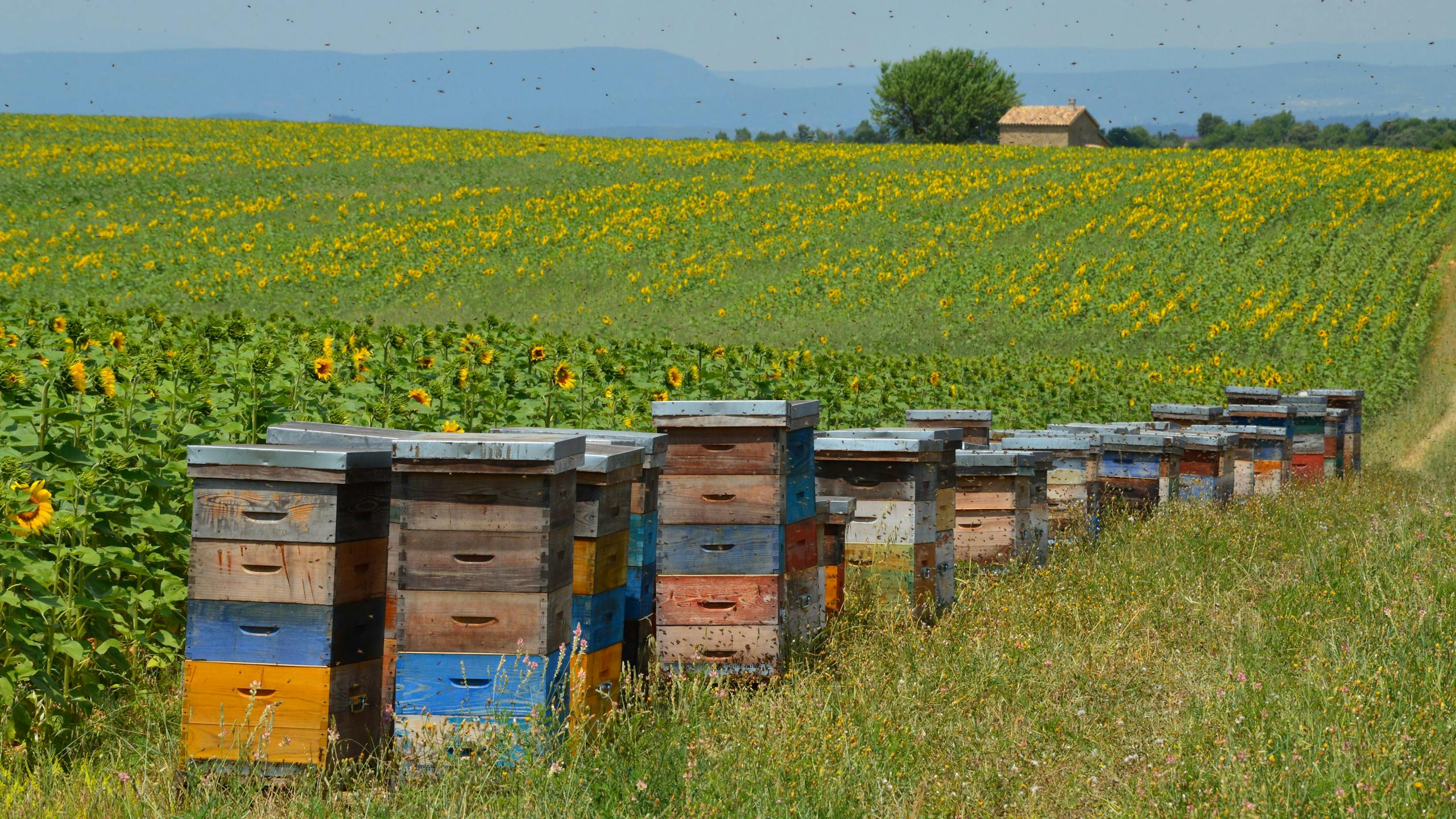
The basic beekeeping equipment list every beginner needs includes a beehive (Langstroth is best for starters), a bee smoker, a hive tool, a full bee suit with veil, beekeeping gloves, a bee brush, hive frames with foundation, a feeder, and a queen excluder. These nine items are your foundation. Everything else comes later as your colony grows.
Why Getting the Right Equipment First Matters
I started beekeeping in April 2021, in a small backyard in Columbus, Ohio. It was a warm Saturday morning, around 9 AM, when my first package of bees arrived.
I thought I was ready. I had watched videos. I had read a few blog posts. But when I opened that buzzing box, I realized very fast that I was missing two critical things: a proper bee brush and a reliable smoker. That day, I got stung five times. Twice on my wrist and three times on my ankles because I was wearing the wrong socks.
That experience taught me one thing: the right equipment does not just make beekeeping easier. It protects you, protects your bees, and saves you a lot of money in the long run.
This guide is built on real hands-on experience, conversations with seasoned beekeepers, and research backed by trusted sources. By the time you finish reading, you will know exactly what to buy, how much to spend, and in what order to buy it.
Who This Guide Is For
This post is written for anyone who:
- Is thinking about starting beekeeping for the first time
- Has already ordered bees but is not sure what equipment to get
- Is trying to avoid wasting money on gear they do not actually need
- Wants clear, honest advice without the hype
Whether you live in rural Texas, suburban Pennsylvania, or anywhere in between, this list works.
The Complete Basic Beekeeping Equipment List
Here is a quick-view table of everything you need to get started:
| # | Equipment | Why You Need It | Estimated Cost (USD) |
|---|---|---|---|
| 1 | Langstroth Beehive (2 boxes) | Home for your colony | $150 – $250 |
| 2 | Hive Frames with Foundation | Bees build comb here | $20 – $50 |
| 3 | Bee Smoker | Calms bees during inspections | $25 – $60 |
| 4 | Hive Tool | Pries apart propolis-sealed frames | $10 – $20 |
| 5 | Full Bee Suit with Veil | Protects your whole body | $50 – $150 |
| 6 | Beekeeping Gloves | Protects your hands | $15 – $40 |
| 7 | Bee Brush | Gently moves bees off frames | $5 – $15 |
| 8 | Hive Feeder | Feeds bees when nectar is scarce | $10 – $30 |
| 9 | Queen Excluder | Keeps queen out of honey supers | $10 – $25 |
According to the University of Georgia’s Bee Program, one new hive with bees and basic equipment costs about $200. This is a reliable baseline for your first-year budget.
Now let’s break each one down in plain English.
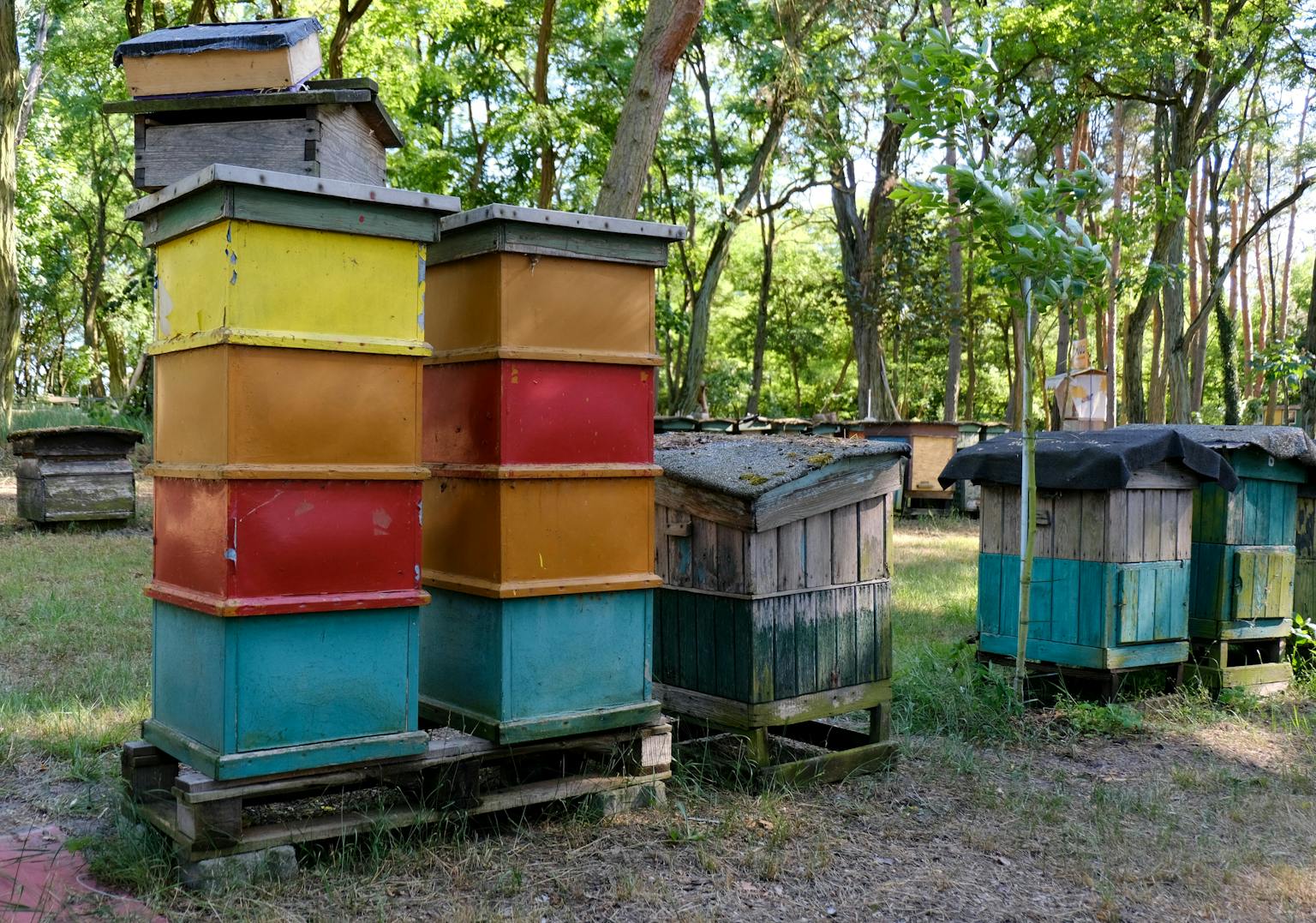
1. The Beehive
The hive is where your bees will live, raise young bees, and store honey. It is the most important purchase you will make.
For beginners, the Langstroth hive is the best option. It is the most common hive design in the United States. It uses stackable wooden boxes, which makes it easy to expand as your colony grows.
A standard Langstroth setup for a beginner includes:
- One deep brood box (where the queen lays eggs)
- One medium honey super (where bees store honey for harvest)
- A bottom board
- An inner cover
- An outer cover
According to Foxhound Bee Company, the Langstroth hive will serve you well for universality because most beekeeping advice, tools, and equipment are designed around it.
Pro tip: Buy your hive assembled and painted if you are a beginner. Unassembled kits save money but cost you time and mistakes.
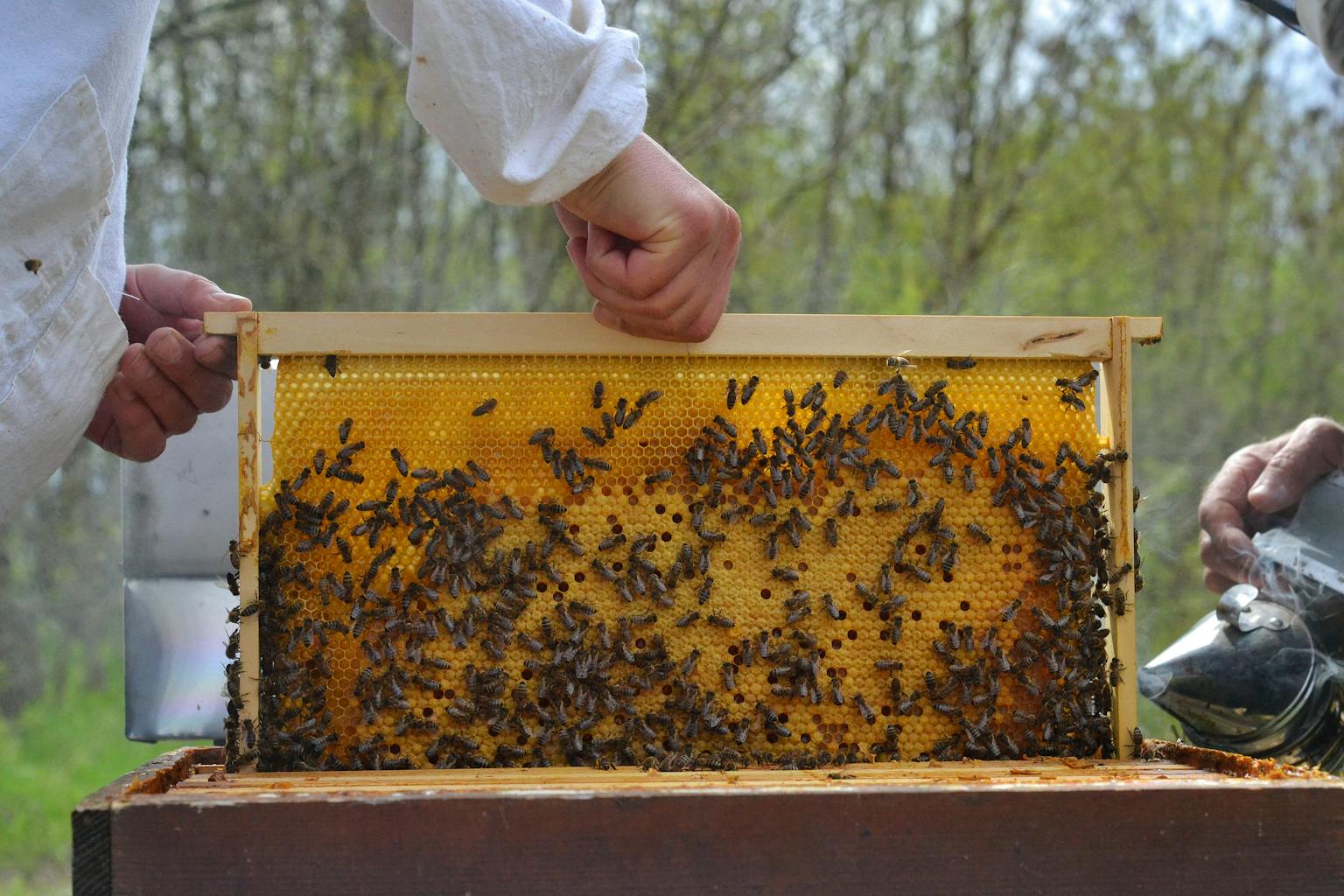
2. Hive Frames with Foundation
Frames hang inside the hive boxes. Bees use them to build honeycomb.
Each frame holds a sheet called a foundation. Foundation is either made of beeswax or plastic, and it is pre-stamped with the shape of hexagonal cells. This gives the bees a starting pattern to follow when building their comb.
Without frames, bees will build random comb all over the inside of the box. That makes inspections nearly impossible and harvesting a mess.
A standard deep brood box holds 10 frames. A medium super also holds 10 frames.
You can buy frames with plastic foundation or wax-coated plastic foundation. Many experienced beekeepers prefer wax-coated plastic because it lasts longer and is easier to clean.
3. The Bee Smoker
The smoker is one of the most powerful tools in beekeeping.
When you puff cool smoke into a hive, two things happen. First, the bees think there may be a wildfire nearby. They start eating honey in preparation to flee. Bees with full stomachs are physically less able to sting. Second, the smoke covers up the alarm pheromones that guard bees release when they sense a threat.
As explained by BeeBuilt, the smoker calms bees by masking alarm pheromones, which are the chemical signals bees use to warn the colony of danger. When those signals are blocked, the colony stays calm.
Good smoker fuel options include:
- Dried pine straw
- Burlap
- Wood pellets
- Dried grass
Avoid using anything synthetic or treated with chemicals. The smoke goes near the bees, and you do not want to hurt them.
When buying a smoker, choose stainless steel. It handles heat well and lasts longer than cheaper models.
4. The Hive Tool
The hive tool is a flat, metal bar that looks like a small crowbar. It might seem simple, but you will use it every single time you open your hive.
Here is why: bees produce a sticky substance called propolis. They use it to seal every gap in the hive. It acts like natural glue. After a few weeks, the frames are practically cemented to the hive walls.
Without a hive tool, you cannot open the hive without damaging the frames or hurting the bees.
The most popular styles are:
- Classic hive tool (bent end + straight end): Best for general use
- J-hook hive tool: Best for lifting frames out of the box
- KW combination tool: All-in-one with J-hook and bent end
Foxhound Bee Company recommends keeping a few hive tools on hand because they are easy to lose in the grass during hive inspections.
Buy two. Trust me.
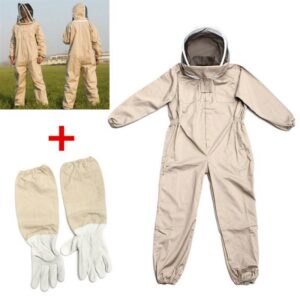
5. Full Bee Suit with Veil
A bee suit is not optional. Especially not when you are new.
Bees are defensive insects. They protect the hive from threats. When you open their home, some bees will investigate you aggressively. Without protection, you are one wrong move away from a painful and dangerous experience.
A full bee suit covers your entire body from head to toe. The veil is the mesh-covered face piece that keeps bees away from your eyes, nose, and mouth.
According to BeeBuilt, bees have CO2 receptors on their antennae that can detect human exhalations and respond aggressively. This is an evolutionary defense against large mammals like bears. Your face is the first target.
What to look for in a bee suit:
- Elastic wrists and ankles to prevent bees from crawling inside
- A veil that zips securely to the jacket
- Light-colored fabric (bees are less aggressive toward white and light colors)
- Ventilated material for hot weather
Ventilated suits cost more, but if you live in a warm climate and plan to inspect hives during summer, they are worth every dollar.
Case Study: In May 2023, Sarah T., a first-year beekeeper from Austin, Texas, decided to inspect her hive without her full suit on a warm afternoon because she “just wanted a quick look.” She was stung 14 times within 90 seconds. One sting near her eye caused swelling that lasted three days. She shared her story on a local beekeeping Facebook group to warn other beginners. The comment: “Never skip the suit, not even for one minute.”
6. Beekeeping Gloves
Your hands are the most exposed part of your body during a hive inspection. Gloves protect them.
Beginner beekeepers should always wear gloves. As you gain experience and confidence, you may choose to work without them, but starting without gloves is asking for trouble.
Two main types:
- Leather gloves: Maximum sting protection. Slightly less dexterity.
- Nitrile/rubber gloves: More sensitive touch. Easier to feel what you are doing.
Most beginners start with leather gloves and transition to lighter gloves over time.
Mann Lake Bee & Ag Supply, one of the largest beekeeping supply companies in the U.S., recommends cowhide and goatskin gloves for new beekeepers because of the balance they offer between protection and comfort.
7. The Bee Brush
The bee brush is a soft-bristled brush used to gently move bees off surfaces without harming them.
You will use it most during:
- Honey harvesting (to brush bees off frames before extraction)
- Repairing broken comb
- Moving bees away from hive edges
One important warning from BeeBuilt: bees do not like the brush. They will sting it repeatedly when you use it. Use it sparingly and only when needed. Do not drag it slowly across the frame. Use a quick, sweeping motion.
8. The Hive Feeder
When bees first move into a new hive, they have no stored honey and no drawn comb. They need energy to build out the hive from scratch.
This is where the feeder comes in.
A feeder holds a sugar syrup mixture (typically 1 part white sugar to 1 part water for spring feeding, and 2 parts sugar to 1 part water for fall feeding). Bees drink the syrup as a substitute energy source when natural nectar is not available.
Common feeder types:
| Feeder Type | Pros | Cons |
|---|---|---|
| Entrance Feeder | Easy to check and refill | Can attract robber bees |
| Top Feeder | Holds more syrup, less robbing | Requires opening the hive to refill |
| Frame Feeder | Sits inside the hive, warm | Bees can drown if no float is added |
| Boardman Feeder | Cheap and simple | Very small capacity |
Foxhound Bee Company notes that a top feeder is preferable for beginners because it holds more syrup and is less likely to attract invaders to the hive.
9. Queen Excluder
The queen excluder is a flat grid made of metal or plastic. It has holes large enough for worker bees to pass through but small enough to keep the queen bee trapped in the brood area.
You place it between the brood box and the honey super.
Without a queen excluder, the queen may lay eggs in the honey frames. That means you end up with brood mixed in with your honey. That is a problem when you try to harvest.
As noted by the University of Georgia’s Bee Program, a queen excluder is placed between the brood nest and the honey supers to keep the queen in the brood nest so brood will not occur in honey supers.
Equipment You Will Need Later (Not Day One)
These are not essential for your first few weeks, but you will need them once your colony is established:
| Equipment | Purpose | When You Need It |
|---|---|---|
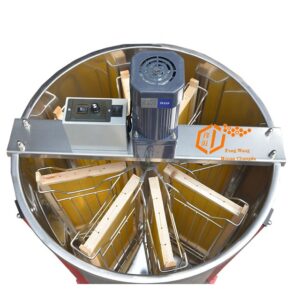
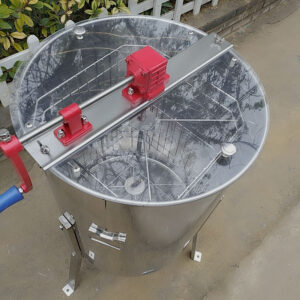
| Honey Extractor | Spins honey out of frames | First harvest season |
| Uncapping Knife | Opens wax caps on honey frames | At harvest time |
| Refractometer | Measures moisture level in honey | Before bottling honey |
| Mite Treatment Supplies | Treats Varroa mite infestations | After 3-6 months |
| Entrance Reducer | Narrows the hive entrance | When colony is small or vulnerable |
| Hive Scale | Tracks colony weight | Intermediate/advanced keepers |
How Much Does It Cost to Start Beekeeping?
This is one of the most common questions new beekeepers ask.
The honest answer depends on where you live, where you buy your equipment, and how many hives you start with.
Here is a realistic cost breakdown for a single hive setup in the United States in 2026:
| Item | Cost Range |
|---|---|
| Beehive (2 boxes, assembled) | $150 – $250 |
| Frames and foundation (20 total) | $40 – $70 |
| Bee smoker | $30 – $60 |
| Hive tool (x2) | $15 – $25 |
| Full bee suit with veil | $70 – $150 |
| Gloves | $15 – $40 |
| Bee brush | $5 – $15 |
| Hive feeder | $15 – $30 |
| Queen excluder | $10 – $25 |
| Package of bees (3 lb) | $130 – $175 |
| Total Estimate | $480 – $840 |
As noted in Beekeeping 101, a reasonable starting investment for a beginner in the U.S. is between $1,000 and $1,500 when you account for bees and extras. Budget closer to that range if you want quality gear that lasts.
Buying a starter kit is a smart way to save money. Companies like Mann Lake and Betterbee offer complete beginner kits that bundle the essentials at a lower combined price.
Where to Buy Beekeeping Equipment
Here are trusted suppliers that beekeepers across the U.S. have used for years:
- Mann Lake Bee & Ag Supply — One of the largest suppliers in the U.S. with a wide range of starter kits and equipment.
- Betterbee — Family-owned supplier with excellent customer support, operating since 1979.
- BeeBuilt — Portland-based supplier known for premium, hand-crafted hive tools and natural hive designs.
- Foxhound Bee Company — Great resource for both equipment and beginner education.
- Local farm supply stores (like Tractor Supply Co.) for quick, in-person purchases.
Always join a local beekeeping club before you buy anything. Fellow beekeepers can tell you which suppliers deliver fast to your area, which equipment holds up in your climate, and which brands to avoid.
3 Mistakes Beginners Make With Equipment
Mistake 1: Buying the cheapest bee suit available.
Cheap suits often have weak zipper systems on the veil. One sting to the face is enough to make you regret the $20 you saved.
Mistake 2: Not buying a second hive tool.
You will drop your hive tool in the grass. You will not find it immediately. You will be standing in front of an open hive with no way to move frames. Buy two from the start.
Mistake 3: Skipping the feeder.
New colonies need help getting established. Skipping the feeder in the early weeks can cause your colony to fail before it ever gets going. Do not skip it.
A Real Case Study: David’s First Year in Vermont
David R., a retired school teacher from Burlington, Vermont, started beekeeping in May 2022 after attending a local beekeeping club meeting. He shared his experience with the Beekeeping for Newbies community.
He bought a full starter kit from Mann Lake for around $380. That kit included two hive bodies, frames, a smoker, and basic protective gear. He added a separate ventilated suit for around $90 because Vermont summers can get hot.
In his first season, David harvested 18 pounds of honey from a single hive. He said the best money he spent was on the ventilated suit and a second hive tool. He noted that the entrance feeder in his kit got replaced quickly with a top feeder because robber bees kept targeting the entrance.
His advice: “Buy good gear once. Cheap gear costs more in the end.”
Final Checklist Before Your Bees Arrive
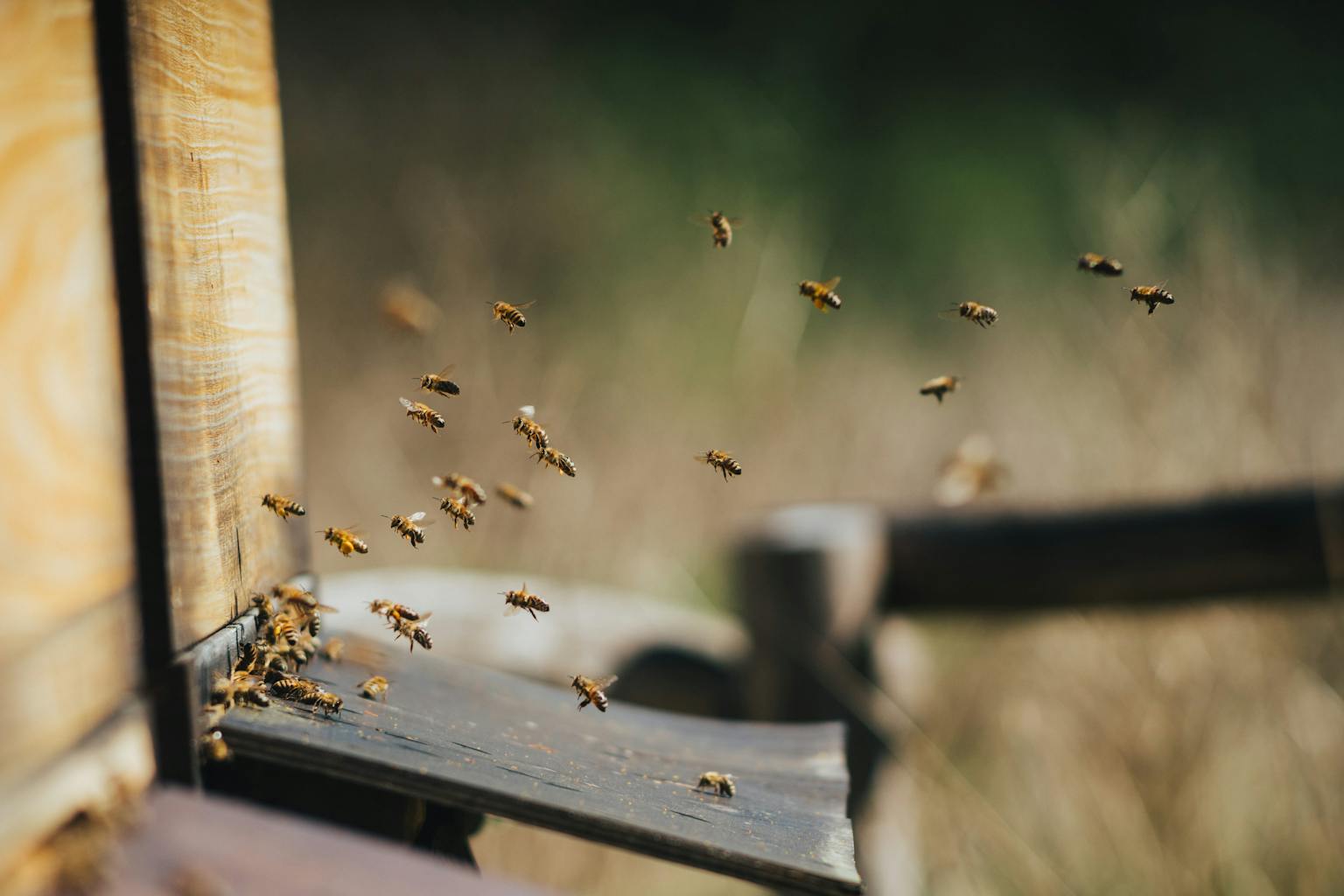
Print this out and check each item off before your bees arrive:
- [ ] Beehive assembled and painted
- [ ] Frames with foundation installed in hive
- [ ] Hive placed in a sunny location with a windbreak
- [ ] Water source within 300 feet of the hive
- [ ] Smoker tested and fuel ready
- [ ] Two hive tools on hand
- [ ] Bee suit on, veil zipped
- [ ] Gloves on
- [ ] Feeder assembled with sugar syrup mixed
- [ ] Queen excluder on hand
- [ ] Hive stand in place (off the ground)
Summary: Your Starter Kit at a Glance
| Priority | Equipment | Non-Negotiable? |
|---|---|---|
| Must-Have | Beehive | Yes |
| Must-Have | Frames + Foundation | Yes |
| Must-Have | Bee Smoker | Yes |
| Must-Have | Hive Tool (x2) | Yes |
| Must-Have | Full Bee Suit + Veil | Yes |
| Must-Have | Beekeeping Gloves | Yes |
| Must-Have | Bee Brush | Yes |
| Must-Have | Hive Feeder | Yes |
| Must-Have | Queen Excluder | Yes |
| Later | Honey Extractor | No |
| Later | Uncapping Knife | No |
| Later | Mite Treatment | After 3-6 months |
Conclusion
Getting the right equipment before your bees arrive is not just smart. It is necessary.
You do not need to spend thousands on day one. Start with the nine essentials on this list. Get comfortable with them. Learn how each tool works and why it matters.
As your colony grows and you get more experience, you will naturally know what to add next.
Beekeeping is one of the most rewarding hobbies you can pursue. The honey is a bonus. The learning never stops. And the more you invest in good equipment and good habits from the start, the better your experience will be.
If you found this guide useful, share it with someone who is just getting started. And if you have a question, drop a comment below. Our team at Trevro reads every one.