The best way to protect beehives from pests and ants is to keep your bee colonies strong, place hives on elevated stands with oil moats on the legs, and use targeted in-hive traps. For ants, spread cinnamon or diatomaceous earth around the base of the hive.
For Varroa mites, apply oxalic acid treatments and use screened bottom boards so fallen mites cannot climb back up. For small hive beetles, place unscented microfiber pads or oil traps inside the hive. A strong, healthy colony with a high bee population is always your very first line of defense against any invader.
How to Protect Beehives from Pests and Ants: The Complete Guide
Welcome to Trevro. My name is Peter Uzodimma. I have spent years studying animals, agriculture, and the delicate balance of keeping healthy bees. If you are a beekeeper, you already know that keeping bees is an incredibly rewarding job. But it also comes with a major headache. Pests.
Ants, mites, beetles, and moths are always looking for a way to break into your hives. They want to steal honey. They want to eat pollen. They carry diseases that can wipe out your entire colony. But you do not have to sit back and let them win. You can stop them.
In this guide, I will share exactly how to protect your beehives from pests and ants. I will give you real data, proven strategies, and practical advice you can use today. We will not use harmful chemicals that taint your honey. We will use smart, effective, and safe methods to keep your bees buzzing and healthy.
My Personal Experience with Hive Pests
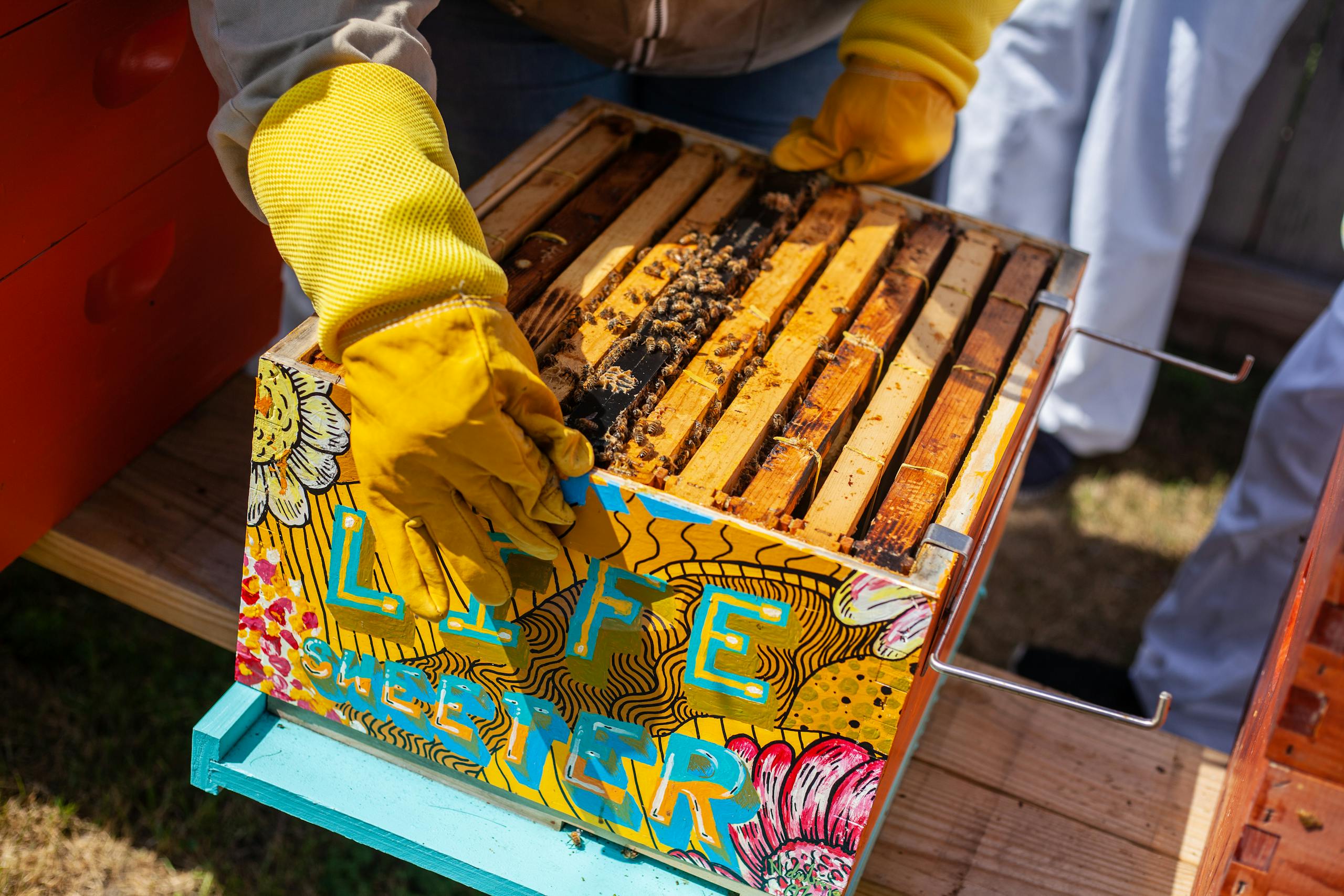
Let me share a quick story with you. It was May 12, 2021. The time was exactly 9:30 AM. I was visiting a consulting client at a small apiary in Austin, Texas. We walked up to his two wooden hives. The ground was literally moving. Hundreds of fire ants were marching right up the wooden legs of the hive stand.
Inside the hive, the situation was just as bad. Small hive beetles were hiding in the dark corners. The bees looked tired and stressed from fighting off the invaders. We had to act fast. We lifted the hive and placed the stand legs into metal cans filled with cheap vegetable oil. Then, we sprinkled heavy cinnamon powder on the ground. By the very next morning, the ant trail was completely gone.
That day taught me a very important lesson. In beekeeping, you must be proactive. If you wait until pests take over the hive, it is often too late to save the bees.
Understanding Your Enemy
Before you can fight these pests, you need to know exactly what you are dealing with. Here is a breakdown of the most common beehive pests and their danger levels.
Table 1: Common Beehive Pests and Their Threat Levels
| Pest Name | What They Attack | Danger Level | Primary Treatment Method |
| Varroa Mites | Adult bees and baby bees (brood) | Extreme | Oxalic acid, screened bottom boards |
| Small Hive Beetle | Honey, pollen, and comb | High | Oil traps, sun exposure, strong colonies |
| Ants | Honey and brood | Medium | Oil moats, cinnamon, hive stands |
| Wax Moths | Stored wax comb | Medium | Freezing frames, proper ventilation |
| Mice | Wax comb and hive warmth | Low | Entrance reducers, mouse guards |
Let us break down exactly how to defeat each of these pests one by one.
Section 1: How to Stop Ants from Raiding Your Hive
Ants are naturally drawn to the sweet smell of honey and the rich protein in pollen. A few ants will not hurt a strong colony. The guard bees will pick them up and toss them out the front door. But a massive ant invasion can stress the bees so much that they pack up and leave the hive forever. This is called absconding.
Here are the best ways to keep ants out.
Build an Oil Moat
This is the most effective physical barrier you can create. Place your beehive on a sturdy wooden or metal stand. Do not put the hive directly on the ground. Put each leg of the stand inside a small metal or plastic container. Fill the container with cheap vegetable oil or mineral oil. Ants cannot swim. When they try to climb the leg, they fall into the oil and drown. You will need to check the oil every few weeks to make sure rain or dead bugs have not created a bridge for the ants to cross.
Use Cinnamon and Diatomaceous Earth
If you do not want to use oil moats, you can treat the ground around the hive. Ants hate the smell and texture of ground cinnamon. You can buy a large container of cinnamon at the grocery store and sprinkle a thick circle around the legs of your hive stand.
You can also use food-grade Diatomaceous Earth (DE). DE is a natural powder made from crushed fossils. It feels like soft powder to us, but to an ant, it feels like broken glass. It cuts their outer shell and dries them out. Important warning: DE will also kill bees if it gets on them. Only sprinkle DE directly on the ground around the hive stand. Never put it inside the hive or on the landing board.
Keep the Area Clean
Do not toss pieces of burr comb or old wax on the ground near your hives. This is like ringing a dinner bell for ants. Always carry a small bucket with you to collect wax scraps during your inspections.
Real Life Case Study: Mark from Queensland, Australia
Mark is a hobby beekeeper living in Queensland. In the summer of 2022, meat ants started attacking his hives. They were killing his guard bees at the entrance. Mark tried spraying water, but the ants kept coming back. He finally built a new hive stand with metal legs. He coated the metal legs in a thick layer of automotive grease. The ants could not climb the slippery grease. Mark’s hives recovered within a week, and he harvested 40 pounds of honey that season.
Section 2: Winning the Battle Against Varroa Mites
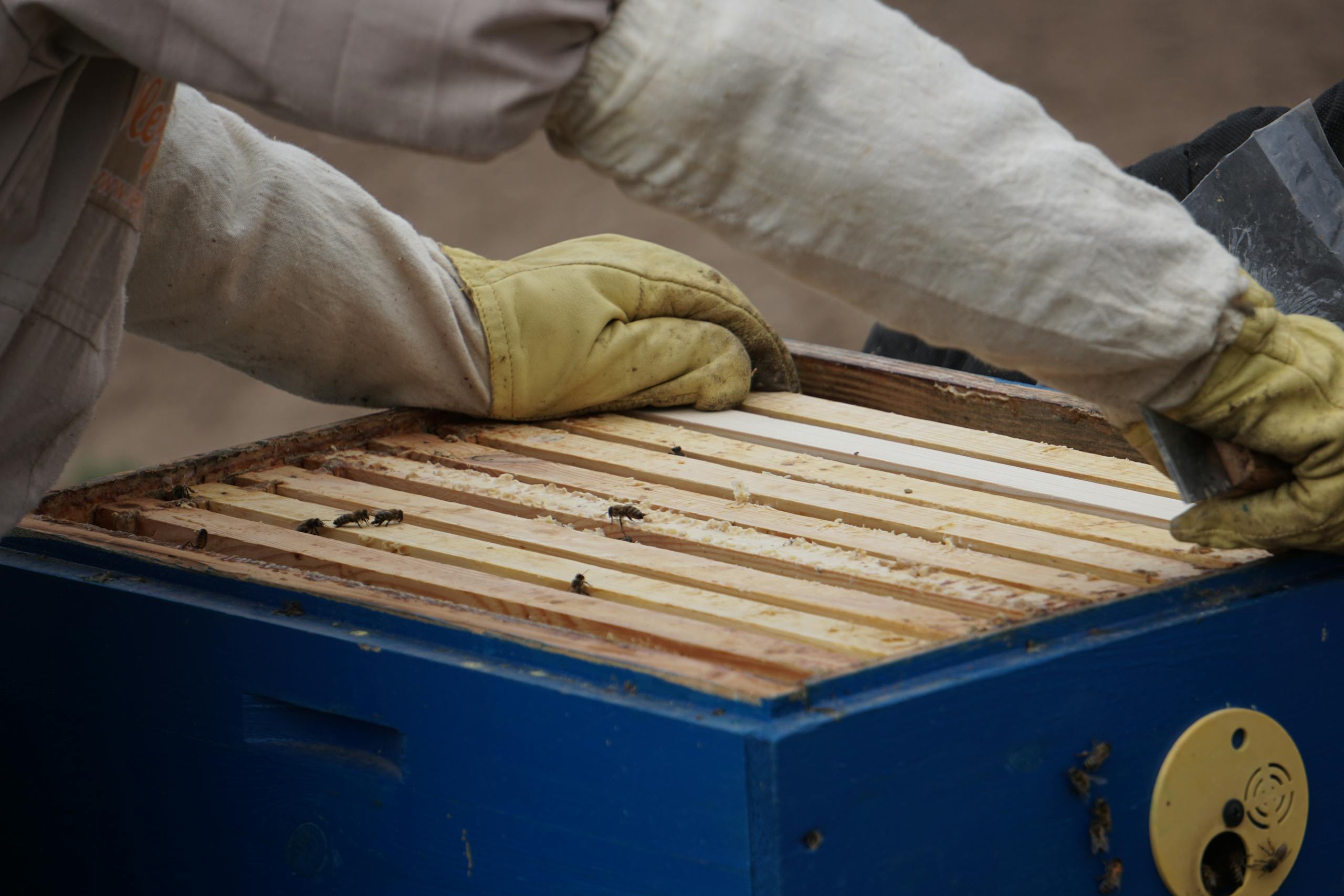
If you ask any expert beekeeper what their worst fear is, they will say the Varroa mite. These tiny red bugs act like vampires. They attach to the bodies of adult bees and suck their fat bodies. They also lay eggs inside the brood cells, harming the baby bees before they even hatch. They spread deadly viruses that deform bee wings.
You cannot just hope mites stay away. Every single hive in the world will eventually get mites. You must treat for them.
Oxalic Acid Treatments
Oxalic acid is an organic compound found naturally in many vegetables like spinach. It is highly toxic to mites but safe for bees when used correctly. Studies show that applying exactly 3 mL of a 2.8 percent oxalic acid solution per 1,000 bees can safely reduce mite populations in a hive (Aliano & Ellis, 2009). Beekeepers apply this using a vapor wand or by dribbling the liquid mixture directly on the bees between the frames.
It is best to use this treatment when the colony is broodless. Mites hide inside the capped brood cells where the acid cannot reach them. Treating in the late fall or winter, when there are no baby bees, ensures you kill the most mites.
Screened Bottom Boards
A standard beehive has a solid wooden floor. If a mite falls off a bee, it just crawls right back up onto another bee. You should replace your solid floor with a screened bottom board. The screen has holes large enough for a mite to fall through, but too small for a bee to fit through. When the mites fall, they drop onto the ground or a sticky board below and die.
The Future of Mite Control
Science is always advancing. Researchers are currently looking at natural enemies, like specific types of fungi and bacteria, that can hunt and kill Varroa mites right inside the hive (Posada-Flórez et al., 2024). This biological control could be a game changer in the next few years.
Section 3: Defeating the Small Hive Beetle (SHB)
The small hive beetle is a nightmare for beekeepers in warm climates like the Southern United States and Australia. These dark little beetles fly into the hive to lay eggs. Their larvae eat honey, pollen, and bee wax. As they eat, they leave behind a slimy mess that ruins the honey. The honey ferments and smells like rotting oranges.
Adult beetles seek out cracks and crevices to hide from bee aggression, and the guard bees actively try to keep them confined to these “prisons” away from the precious honey and brood (Ellis & Ellis, 2010).
Here is how you help your bees win the fight against beetles.
Full Sun Exposure
Small hive beetles love the shade. They hate the heat of the direct sun. If you place your beehives under a large, shady tree, you are inviting beetles to move in. Move your hives into an area that gets full sunlight for most of the day. The bees will cool the hive just fine, and the beetles will run away.
In-Hive Beetle Traps
You can buy simple plastic traps that sit between the frames inside the hive. You fill these traps with a little bit of mineral oil and a few drops of apple cider vinegar. The vinegar attracts the beetles. When they crawl inside the trap, they slip into the oil and drown. The bees cannot fit inside the trap, so they are perfectly safe.
The Unscented Pad Trick
This is a very cheap and effective trick. Buy dry, unscented Swiffer cleaning pads at the store. Cut them into small squares and place them on the top corners of the hive frames. The beetles like to hide in the corners. When they run across the fuzzy pad, their barbed legs get completely tangled in the fibers. They get stuck and die. The bees have smooth legs, so they walk over the pads without a problem.
Section 4: Keeping Wax Moths Away
Wax moths do not usually attack strong, healthy hives. A strong colony has enough worker bees to patrol the entire hive and kill any moth eggs. Wax moths are mostly a problem for weak hives, or for empty wooden boxes you have stored in your garage for the winter.
The moth sneaks in and lays eggs. The eggs hatch into worms (larvae) that tunnel through the beeswax. They leave behind a nasty web that destroys the comb you worked so hard to preserve.
How to Protect Stored Comb
When you take honey supers off the hive for the winter, you must protect them. Do not just stack them in a dark, warm shed. That is a wax moth paradise.
Instead, freeze your frames. Place the frames in a deep freezer for 48 hours. The freezing temperature instantly kills any moth eggs or worms hiding in the wax. After freezing them, store the boxes in an open area where lots of light and fresh air can flow through them. Moths hate light and moving air.
Real Life Case Study: Sarah from Ontario, Canada
Sarah lost an entire stack of expensive drawn comb in the winter of 2020. She had stacked the boxes in her warm basement. By spring, the boxes were filled with sticky webs and moth worms. The wax was totally ruined. The next year, she bought a chest freezer. She froze every single frame for two days before storing them in her bright, unheated garage with a fan blowing on them. She had zero wax moth damage that spring.
Section 5: Mice and Wasps (The Seasonal Invaders)

As the weather gets cold in the fall, field mice look for a warm place to build a nest. A beehive is warm, dry, and full of sweet honey. If a mouse gets inside, it will chew up your wax frames and urinate everywhere. The bees will usually ignore the mouse because it is too cold for them to move fast.
Install Mouse Guards
In early autumn, place a metal mouse guard over the entrance of your hive. A mouse guard is a metal strip with small holes punched in it. The holes allow the bees to fly in and out, but the holes are too small for a mouse to squeeze its skull through.
Stop Wasps and Yellowjackets
In late summer, flowers stop producing nectar. Wasps and yellowjackets get hungry. They will start attacking your beehives to steal honey and grab bees to feed their young.
To help your bees, reduce the size of the hive entrance. If the front door is very wide, the guard bees cannot defend it all. Use a wooden entrance reducer to make the door only an inch wide. A small door is very easy for a few guard bees to protect against a large wasp attack. You can also hang wasp traps in a tree about twenty feet away from the hive to catch the wasps before they even reach your bees.
The Ultimate Rule: Keep Your Colonies Strong
If you want to protect your beehives from pests and ants, remember this one golden rule. A strong colony can defend itself. Pests prey on the weak. If a hive is struggling, has a failing queen, or lacks food, the pests will move in for the kill. Your job as a beekeeper is to make sure your bees have plenty of food, a young and healthy laying queen, and a clean environment. Combine good hive management with the traps and tricks we talked about today, and you will have incredible success.
Thank you for reading this guide on Trevro. We are dedicated to bringing you real, accurate, and authentic information. Have you ever dealt with a bad pest invasion in your apiary? What trick worked best for you? Let me know in the comments below, and please share this post with your local beekeeping club! For more expert tips on agriculture, pets, and farming, keep browsing Trevro.com.ng.