How much profit does beekeeping make per year? On average, a small hobbyist beekeeper with 5 to 50 hives can make a net profit of $500 to $10,000 per year. A medium scale operator with 50 to 200 hives can earn between $20,000 and $70,000 annually.
A commercial beekeeping business with over 200 hives can generate well over $100,000 a year in profit. Your final take home pay depends on honey yields, local climate, and the specific products you choose to sell.
Welcome to Trevro. My name is Peter Uzodimma. Today, we are going to talk about the business of bees. Many people want to know if raising bees is just a fun hobby or a real way to make money.
The truth is that beekeeping can be highly profitable. However, it requires hard work, clear planning, and good knowledge of the industry. You cannot simply put a box of bees in your backyard and expect to become rich overnight.
If you are reading this from the United States, Canada, the United Kingdom, or Australia, there is a massive demand for local honey. Consumers want natural products. Farmers also desperately need bees to pollinate their crops.
In this guide, I will break down exactly how much money you can make from bees. I will show you the real costs, the best revenue streams, and actual case studies from real beekeepers. I write this to give you the exact information you need to succeed.
My Personal Beekeeping Experience
Before we look at the numbers, let me share a quick story. It will help you understand how this business works in the real world.
The date was April 15, 2025. It was exactly 7:30 AM. I was standing in a massive almond orchard in the Central Valley of California. The air was cool, but the sun was just starting to warm up the fields.
I was there to meet a commercial beekeeper named David. He had just transported over 400 hives from out of state. We stood there watching thousands of bees wake up and fly out to the almond blossoms.
David turned to me and said that this single pollination contract would pay for his entire year of operating expenses. Everything else he made from honey later in the summer would be pure profit.
That morning changed how I viewed the bee business. It showed me that honey is just one small part of a much larger money making machine. I learned that knowing your local market and building good relationships with farmers is the true secret to success.
The Three Levels of Beekeeping Profit
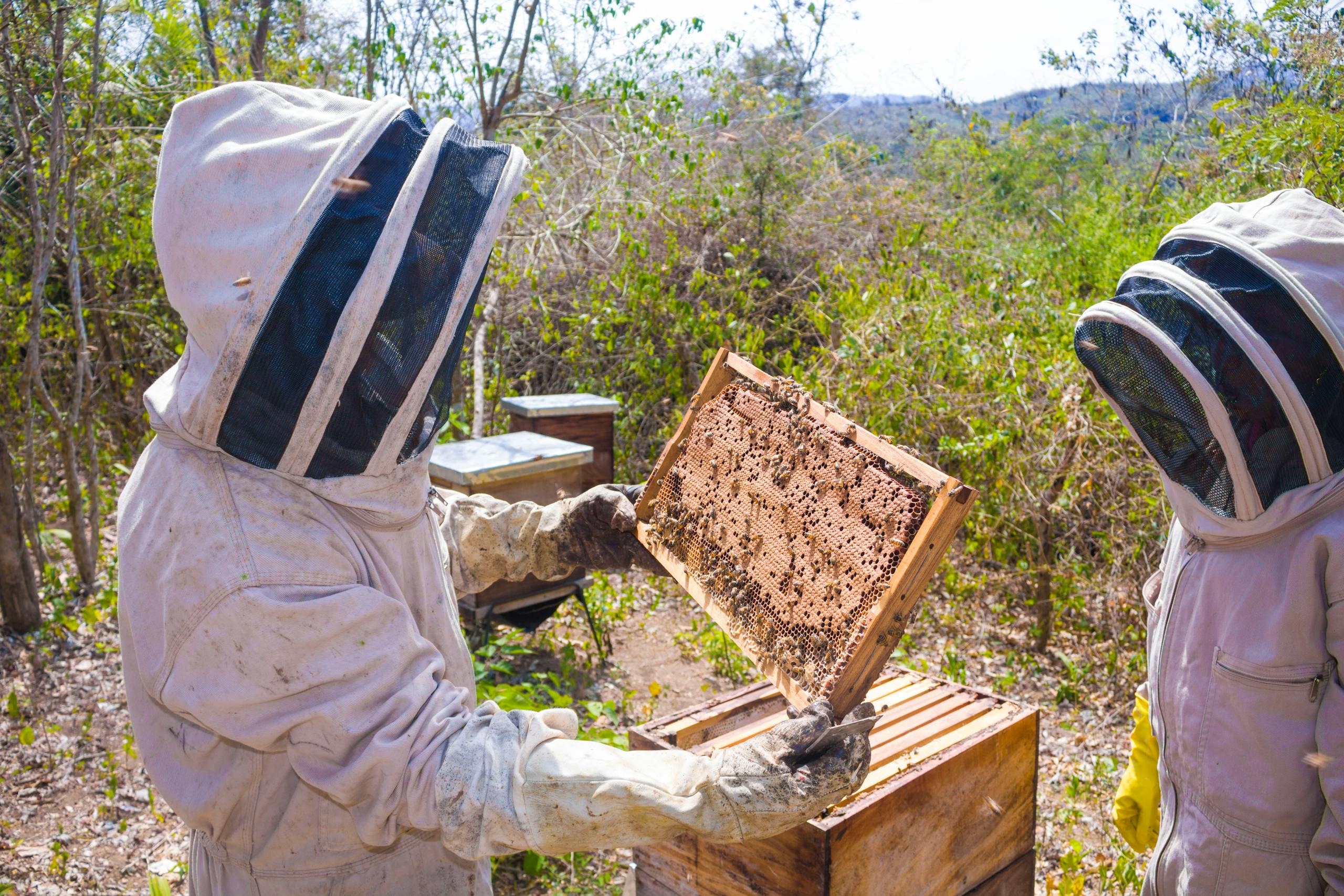
To understand how much profit beekeeping makes per year, we must divide beekeepers into three main groups. Your income will depend heavily on which group you fall into.
1. The Hobbyist Beekeeper (1 to 50 Hives)
Most people start here. If you have a few hives in your backyard, your main goal is usually to learn. You will likely harvest honey for your family and friends. If you choose to sell your extra honey at local farmers markets, you can make a nice side income. Hobbyists typically see a profit of $500 to $10,000 a year. This assumes you keep your equipment costs low and have healthy bees.
2. The Sideliner or Medium Scale Beekeeper (50 to 200 Hives)
This is where beekeeping becomes a serious part time job. At this level, you are producing a lot of honey. You will likely sell it to local grocery stores in bulk. You can also start renting out your hives to local fruit and vegetable farmers for pollination. Beekeepers at this level generally report annual profits between $20,000 and $70,000.
3. The Commercial Beekeeper (200 to 1,000+ Hives)
Commercial beekeeping is a full time, professional business. You will need trucks, forklifts, and hired workers. At this level, you make most of your money from large pollination contracts and selling bulk honey by the barrel. According to recent financial models, small scale commercial owners can see their income grow from $78,000 to over $246,000 within three years of aggressive scaling.
Verified Data: Estimated Annual Profit by Hive Count
To make things easy to read, I have created a simple table. This table shows estimated revenues and profits based on industry averages in North America. Please note that these are averages. Your actual numbers will vary based on your local climate and business skills.
| Number of Hives | Estimated Yearly Revenue | Estimated Yearly Expenses | Estimated Yearly Profit |
|---|---|---|---|
| 5 Hives | $1,500 | $800 | $700 |
| 50 Hives | $15,000 | $6,000 | $9,000 |
| 100 Hives | $35,000 | $12,000 | $23,000 |
| 300 Hives | $105,000 | $40,000 | $65,000 |
| 500 Hives | $200,000 | $80,000 | $120,000 |
Note: The expenses include items like feed, pest treatments, fuel, and replacement bees. They do not include the initial startup cost of buying the land or trucks.
The Top 5 Ways Beekeepers Make Money
Most people think beekeepers only sell honey. That is a big mistake. The most successful beekeepers have multiple streams of income. Here is a breakdown of how the money actually flows.
1. Selling Raw Honey
Honey is the most famous bee product. How much honey does one hive produce? According to data from the Canadian Honey Council, a strong hive can produce between 30 and 100 pounds of surplus honey a year. If you sell your honey directly to customers at a farmers market, you can easily charge $10 to $15 per pound. If a single hive gives you 50 pounds, that is $500 to $750 in gross revenue from just one box of bees.
2. Renting Bees for Pollination Services
This is the hidden goldmine of beekeeping. Many commercial crops, like almonds, apples, and blueberries, absolutely need bees to grow fruit. Farmers will gladly pay you to bring your bees to their fields. In the United States, almond farmers often pay between $185 and $225 per hive for a few weeks of work in the spring. If you have 100 hives, you could make $20,000 in just one month by simply placing your bees in an orchard.
3. Selling Beeswax and Propolis
When you harvest honey, you also collect beeswax. Beeswax is highly valuable. You can clean it and sell it in blocks. You can also turn it into lip balms, candles, and soaps. Value added products like candles have massive profit margins. A pound of wax might sell for $10 on its own. But if you turn that same pound of wax into small candles, you can easily sell them for $40 or more. Propolis is a sticky resin that bees collect from trees. It is used in natural health supplements. Buyers will often pay up to $8 an ounce for clean propolis.
4. Selling Bees and Queens
Experienced beekeepers can make their own new bee colonies. A small starter colony is called a “nuc” or nucleus colony. It includes a queen bee, some worker bees, and a few frames of honeycomb. Beginner beekeepers will pay around $175 to $250 for a single nuc. You can also breed and sell individual queen bees for $35 to $50 each. Breeding bees is a fantastic way to multiply your income without needing more land.
5. Consulting and Swarm Removal
People will pay you for your expertise. Many beginners need help inspecting their hives. You can charge $50 to $100 an hour to act as a beekeeping coach. Also, homeowners often find wild bee swarms in their yards or walls. They will pay you to safely remove the bees. Swarm removals usually start at $150 and can go up to $1,000 if the job is very difficult. Best of all, you get to keep the free bees.
The Real Costs of Running a Bee Business
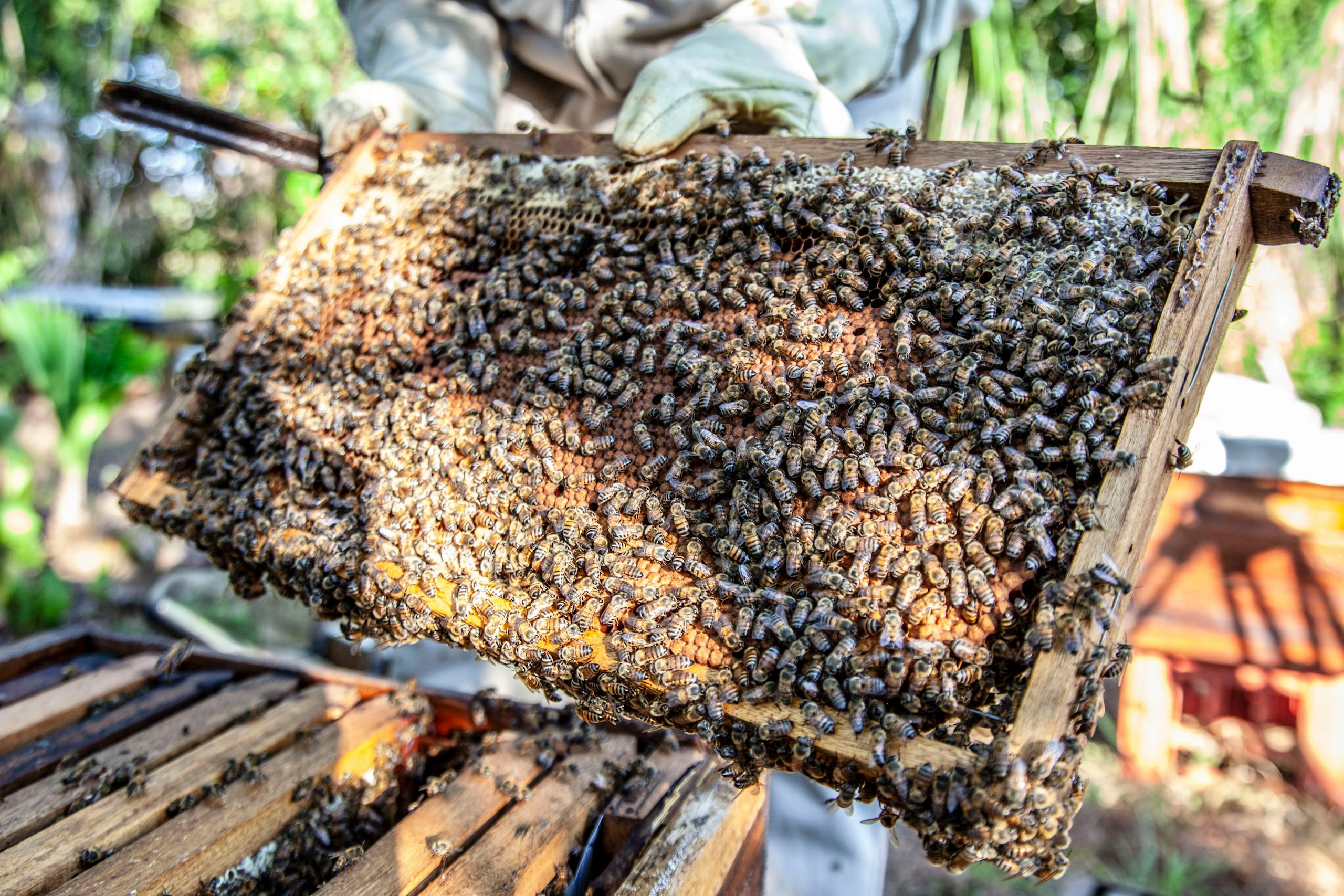
You cannot make a profit without spending some money first. Beekeeping has real costs that you must prepare for. Understanding your expenses is the only way to build a real business.
Initial Startup Costs
When you first start, you need protective suits, a smoker, hive tools, and the wooden hive boxes. You also have to buy the bees. Expect to spend between $500 and $800 to fully set up your very first hive.
Feeding the Bees
Bees make honey to eat during the cold winter. If you take their honey to sell, you must feed them sugar syrup so they do not starve. Buying large bags of sugar is a standard yearly cost for all beekeepers.
Medication and Pest Control
The biggest threat to honey bees is a tiny bug called the Varroa mite. If you do not treat your hives for these mites, your bees will likely die. Mite treatments and health supplements will cost you roughly $20 to $40 per hive every single year.
Transportation and Fuel
If you want to do pollination contracts, you have to move your bees. This means you need a strong truck, a flatbed trailer, and lots of fuel. Gas money is one of the largest expenses for commercial beekeepers. You must calculate your travel distance carefully to make sure the trip is worth the money.
For more detailed information on agricultural economics, you can always review the official reports provided by the United States Department of Agriculture (USDA). They track the national average prices for honey and pollination services every year.
Real Life Case Studies
To prove that these numbers are real, let us look at some actual case studies of beekeeping businesses.
Case Study 1: Sarah the Sideliner in Texas
Sarah lives in rural Texas. She started with 5 hives in 2021. By 2024, she had grown her apiary to 60 hives. She works a normal day job and manages her bees on the weekends. In her third year, she harvested an average of 45 pounds of honey per hive.
She sold all of her honey locally for $12 a pound. That brought in $32,400 in revenue. She also split her strongest hives in the spring and sold 20 nucs to beginners for $200 each, making an extra $4,000. After subtracting her feed, medicine, and jar costs, Sarah took home a net profit of around $25,000 for her part time work.
Case Study 2: The British Columbia Regional Survey
A recent economic survey of beekeepers in British Columbia, Canada, looked at the real profits of different farm sizes. The researchers found that operations with fewer than 100 colonies sometimes struggled to make a profit due to high winter losses and equipment upgrades.
However, operations with 100 to 299 colonies showed positive, consistent profits. The study concluded that beekeepers who diversified their business were the most successful. Those who combined honey sales, bee sales, and commercial pollination survived bad winters much better than those who only sold honey.
5 Tips to Increase Your Beekeeping Profit Margin
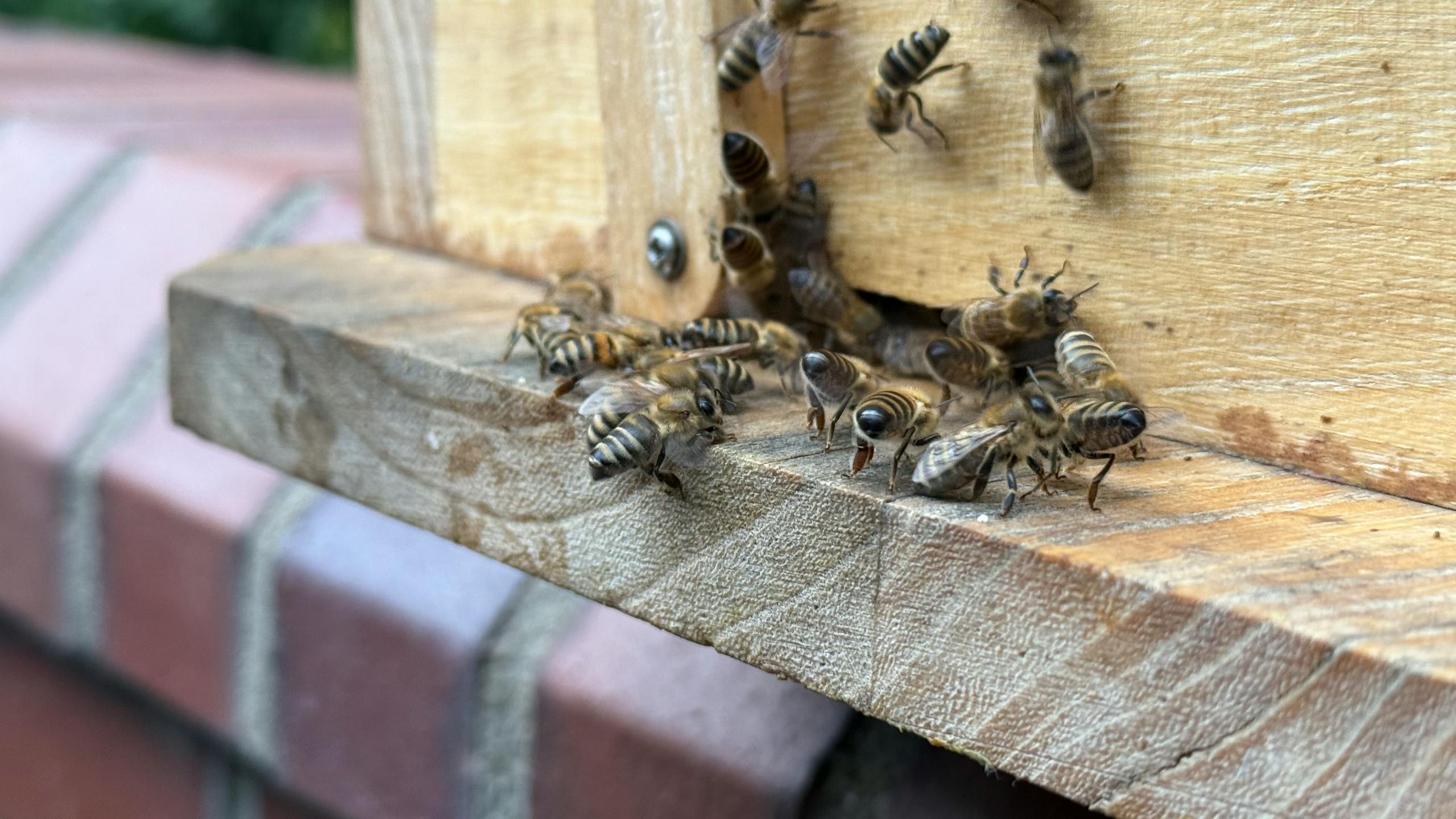
If you want to maximize your income, you need to work smart. Here are five expert tips to help you dominate your local market.
1. Never Sell to Supermarkets at Wholesale Prices
When you sell a barrel of honey to a large packer, they might only pay you $2.50 per pound. But if you put that same honey into glass jars and sell it at a local market, you get $12 a pound. Always try to sell directly to the customer.
2. Focus on the High Margin Items
Do not throw your beeswax away. Learn how to melt it down and filter it. Buy some cheap silicone molds and make beeswax candles. A single pound of wax can turn into $50 worth of beautiful candles. The profit margin on wax is often much higher than honey.
3. Keep Your Bees Healthy
Dead bees produce zero honey. Your biggest priority must be pest control and winter feeding. If you lose 40 percent of your bees over the winter, your profits for the next year will vanish. Treat your mites early and feed your bees well.
4. Brand Your Honey
Do not use cheap, boring labels. Spend a little extra money to create a beautiful, professional label for your jars. Tell your unique story on the bottle. Customers will gladly pay three or four dollars more for a jar of honey that looks premium and local.
5. Network with Local Farmers
Start visiting local orchards and berry farms. Introduce yourself. Leave them a free jar of your honey. Let them know you have healthy bees ready for pollination. Building these relationships early will help you secure highly profitable contracts as your hive numbers grow.
Conclusion
So, how much profit does beekeeping make per year? The answer is entirely up to you. It can be a simple hobby that pays for itself, or it can be a highly lucrative commercial business making over $100,000 a year.
The secret to success is treating your apiary like a real business from day one. You must track your expenses, keep your bees healthy, and diversify your income streams. Do not just rely on honey. Look into selling wax, raising new queens, and offering your hives for crop pollination.
If you are ready to put in the hard work and learn the craft, beekeeping can be one of the most rewarding and profitable agricultural businesses in the world.
Thank you for reading this guide here on Trevro. I hope this detailed breakdown gives you the confidence to start your own successful beekeeping journey. Be sure to browse the rest of our site at trevro.com.ng for more expert advice, detailed business guides, and agricultural insights.