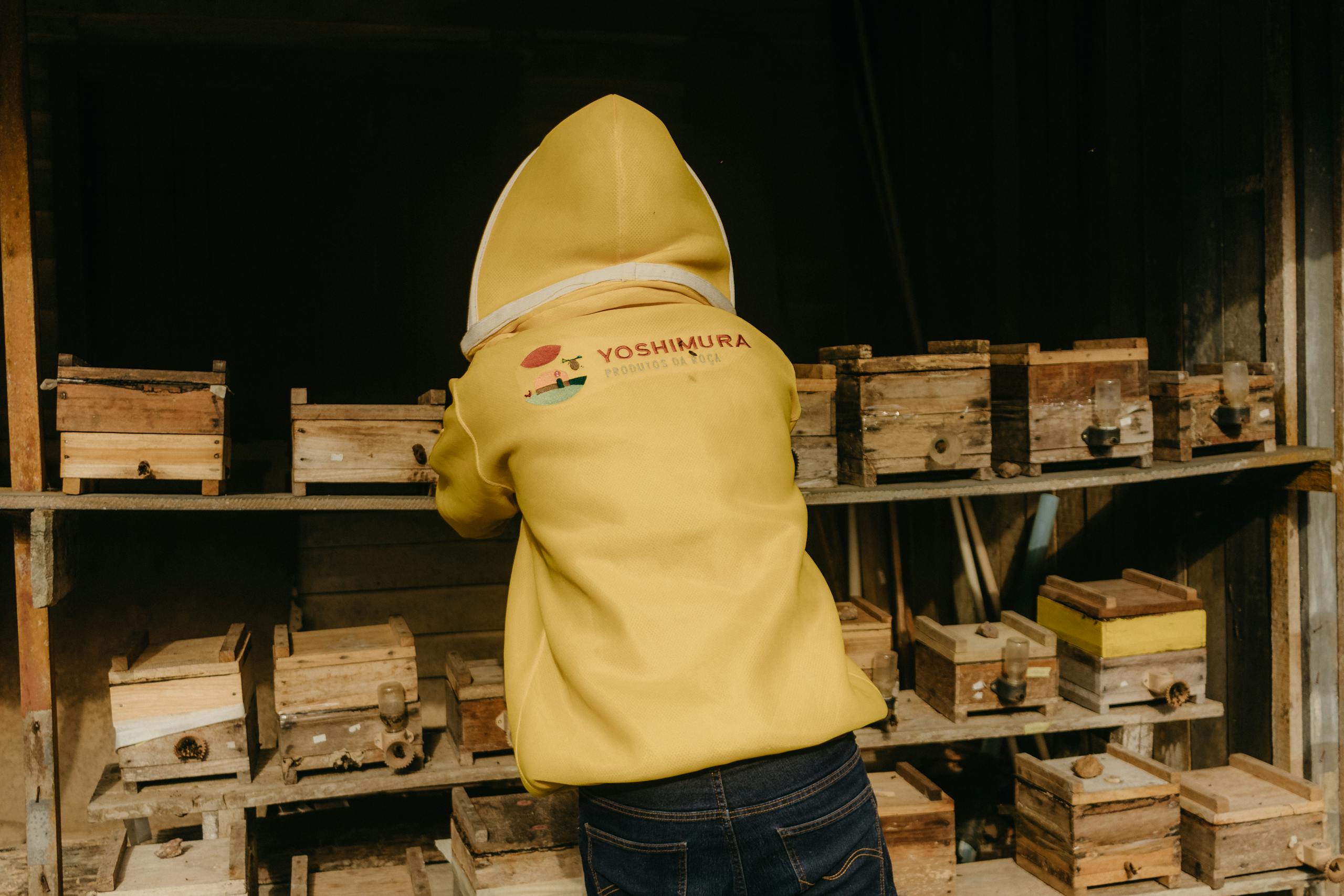
The best way to protect a beehive from extreme heat is to combine three strategies: provide afternoon shade, ensure strong ventilation, and supply clean water within 50 feet of the…

The best way to protect a beehive from extreme heat is to combine three strategies: provide afternoon shade, ensure strong ventilation, and supply clean water within 50 feet of the…
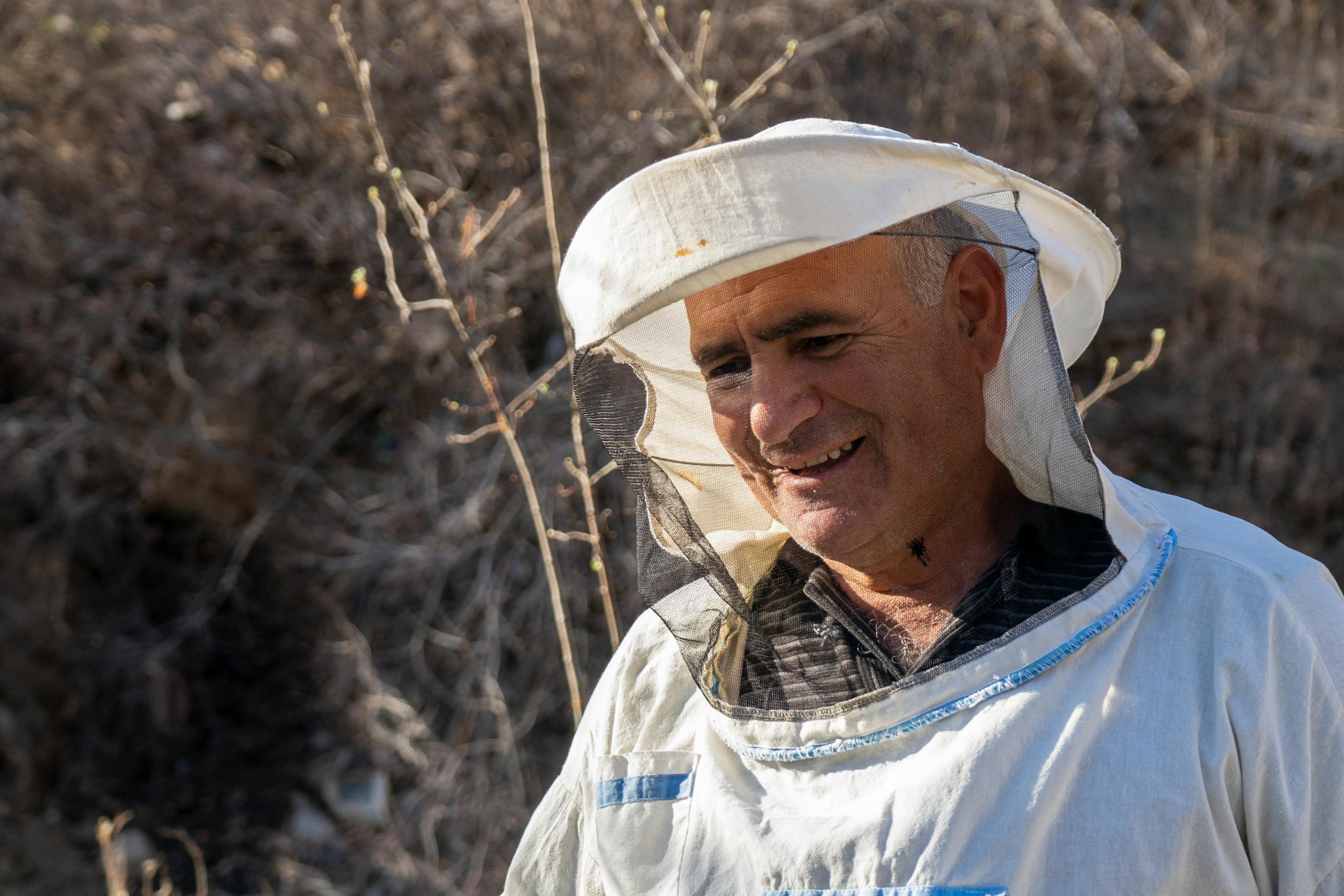
The most obvious signs of a drone laying queen include bullet shaped brood cappings that stick out of normal worker cells, a very spotty brood pattern, and a sudden drop…
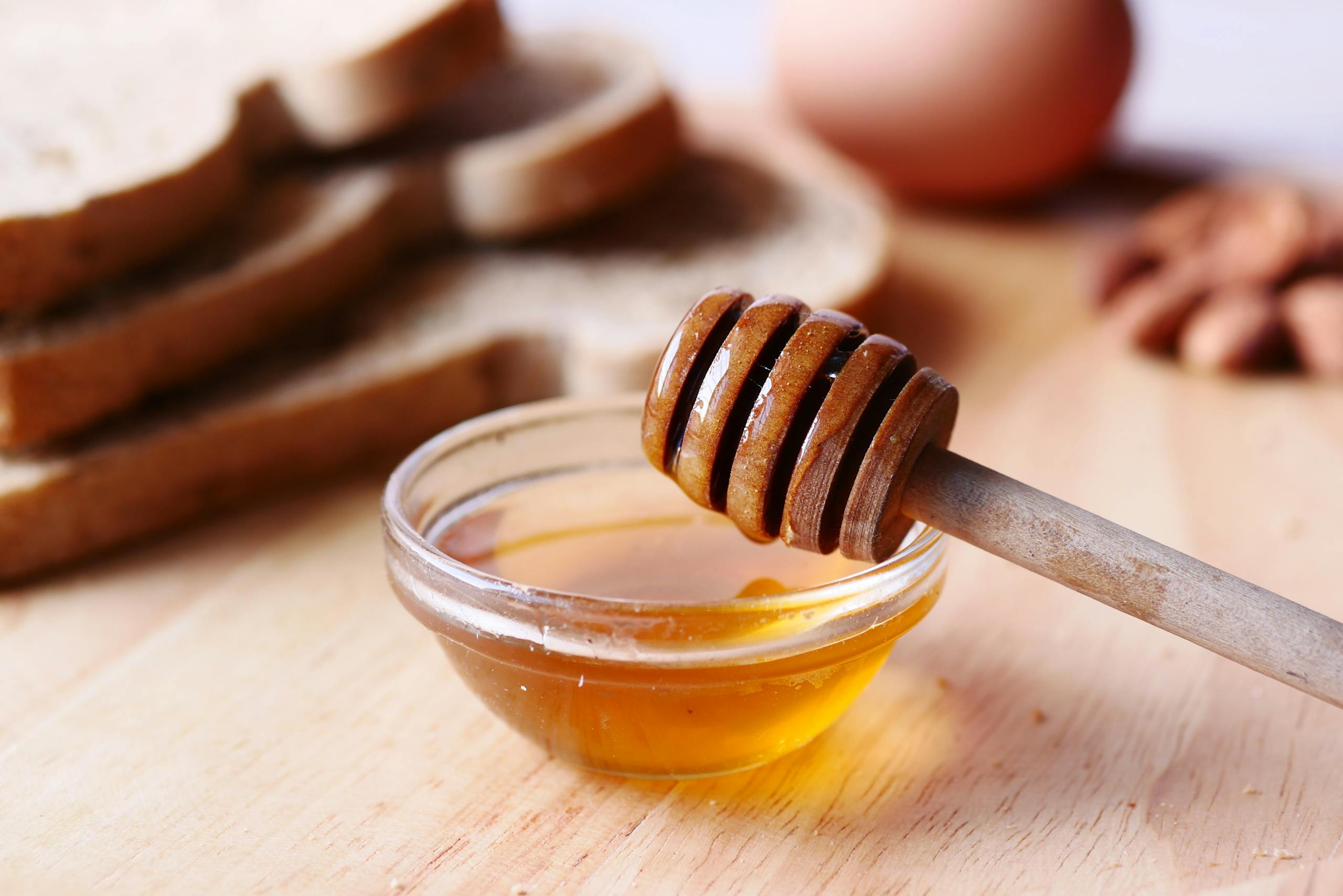
The Quick Answer: Generally, no. It is not safe to harvest honey for human consumption from a hive while it is being treated with chemical medications. You should not harvest…
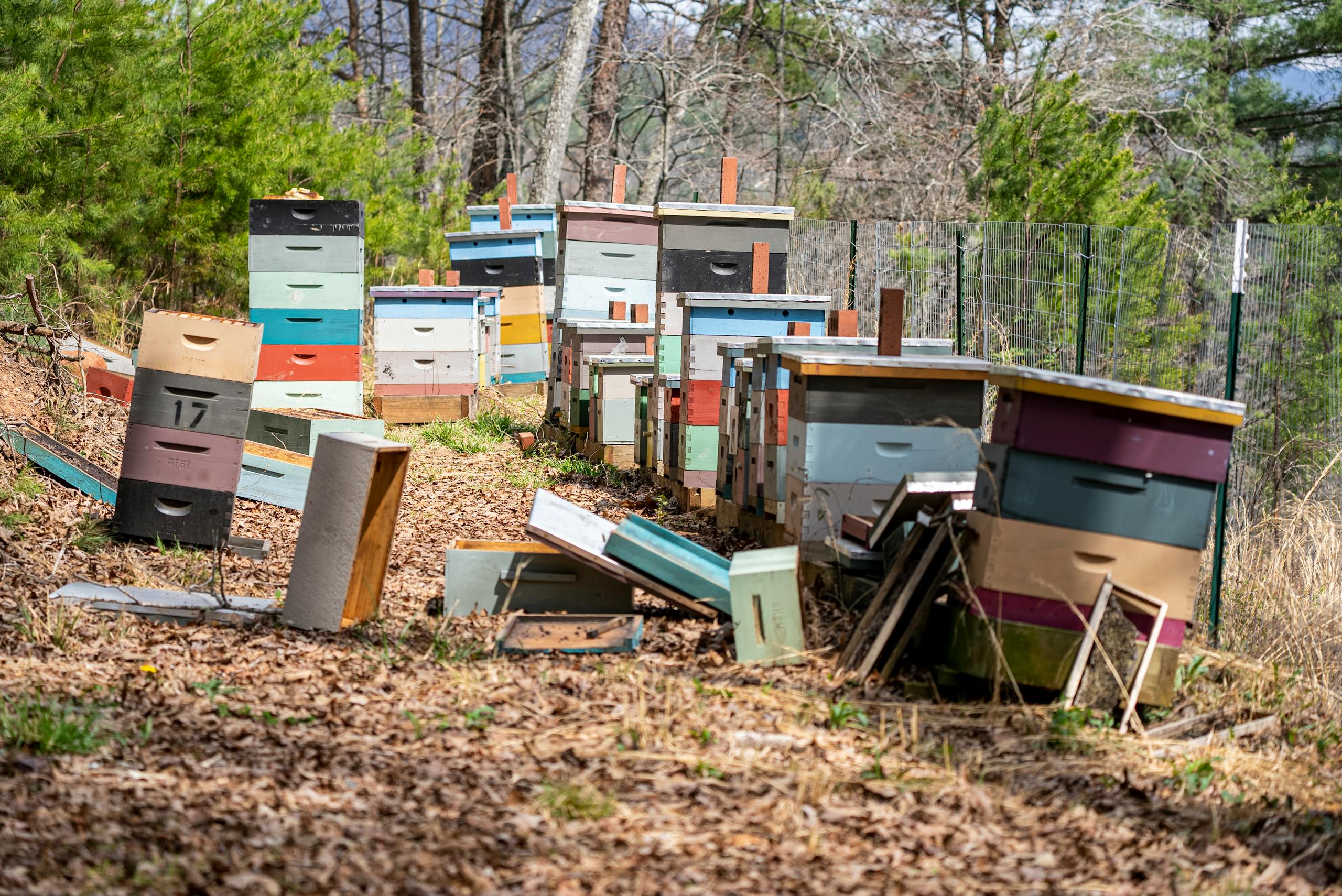
To store a nucleus colony overnight safely, close the entrance securely at dusk when all foragers have returned, place the nuc box in a cool, shaded, and well-ventilated spot with…
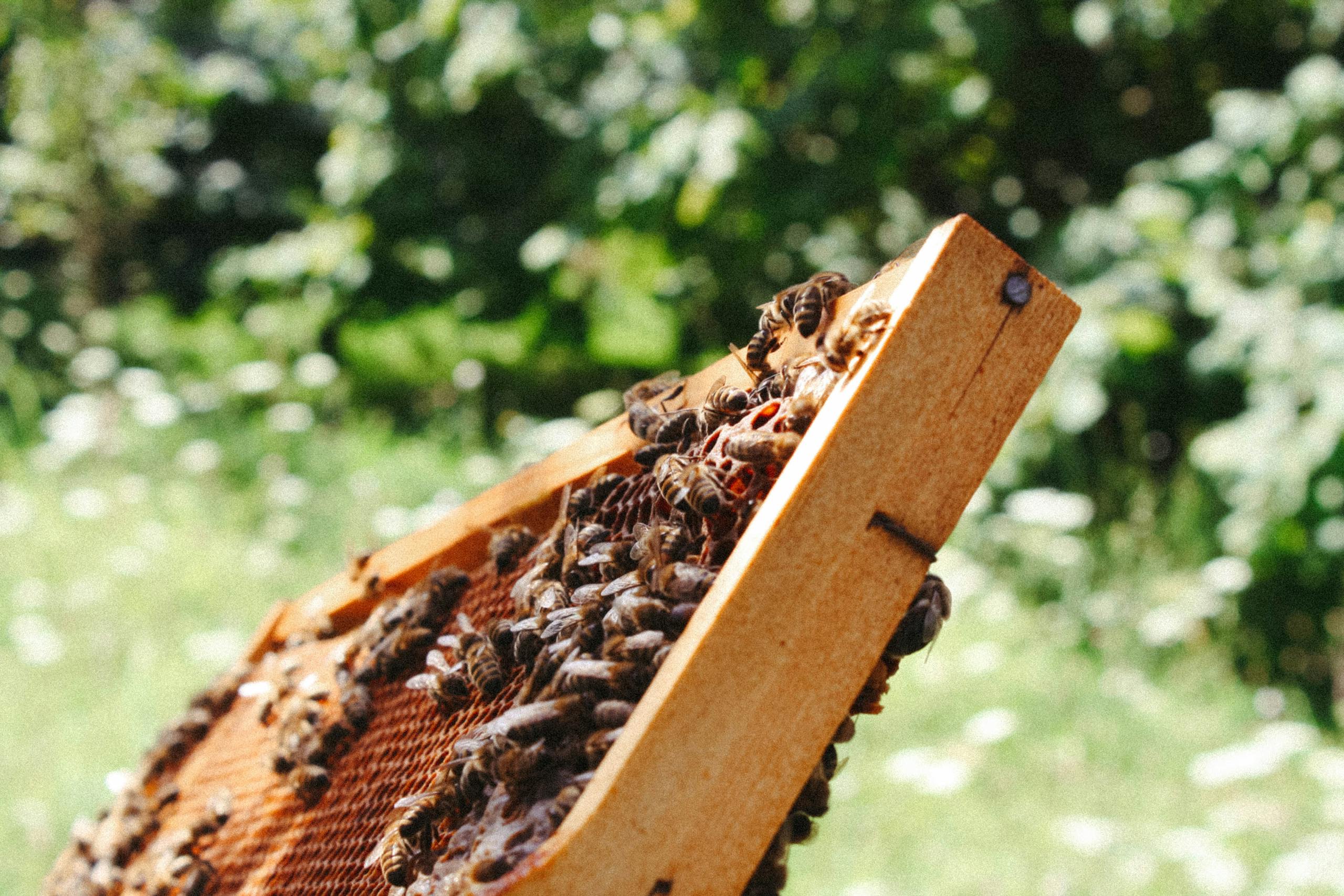
What is the best food for bees when nectar is scarce? The best food for bees when nectar is scarce is white granulated cane sugar mixed with clean water. During…
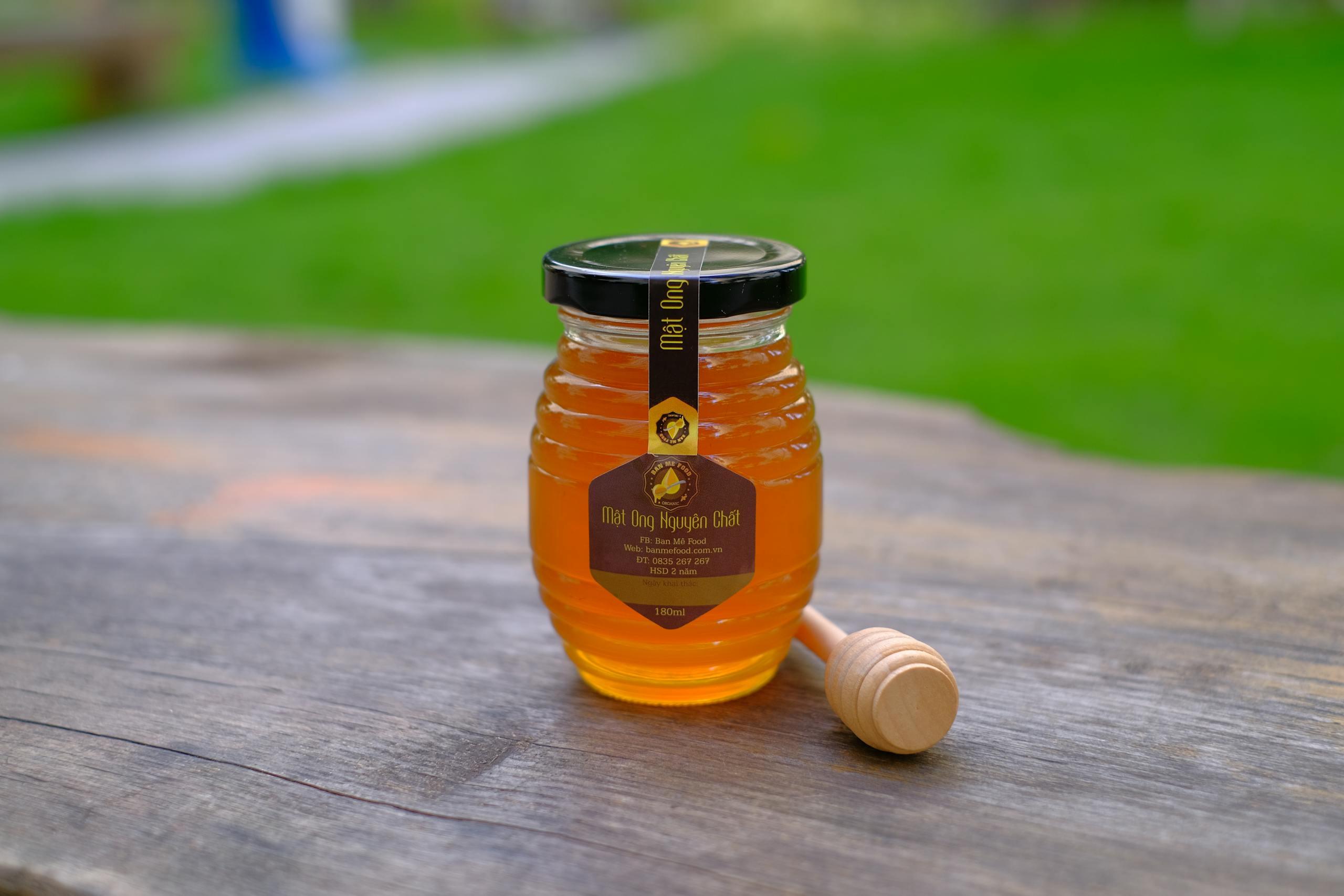
To use a honey refractometer, you must first calibrate it. Place a drop of calibration fluid or extra virgin olive oil on the main prism. Adjust the calibration screw until…
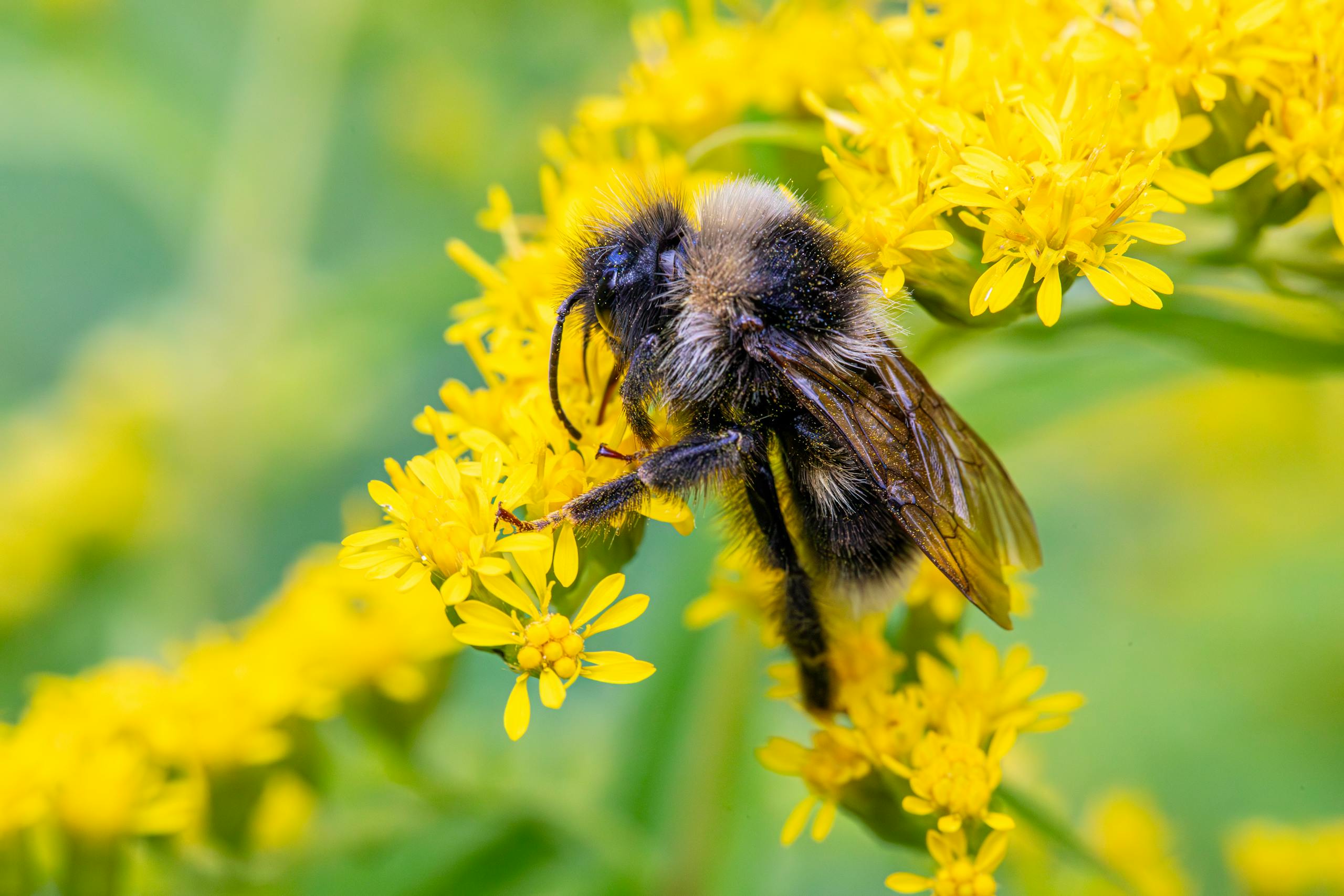
To attract bees to a new hive naturally, place 2 to 3 drops of lemongrass essential oil inside the hive box, position the hive in a shaded spot facing south…
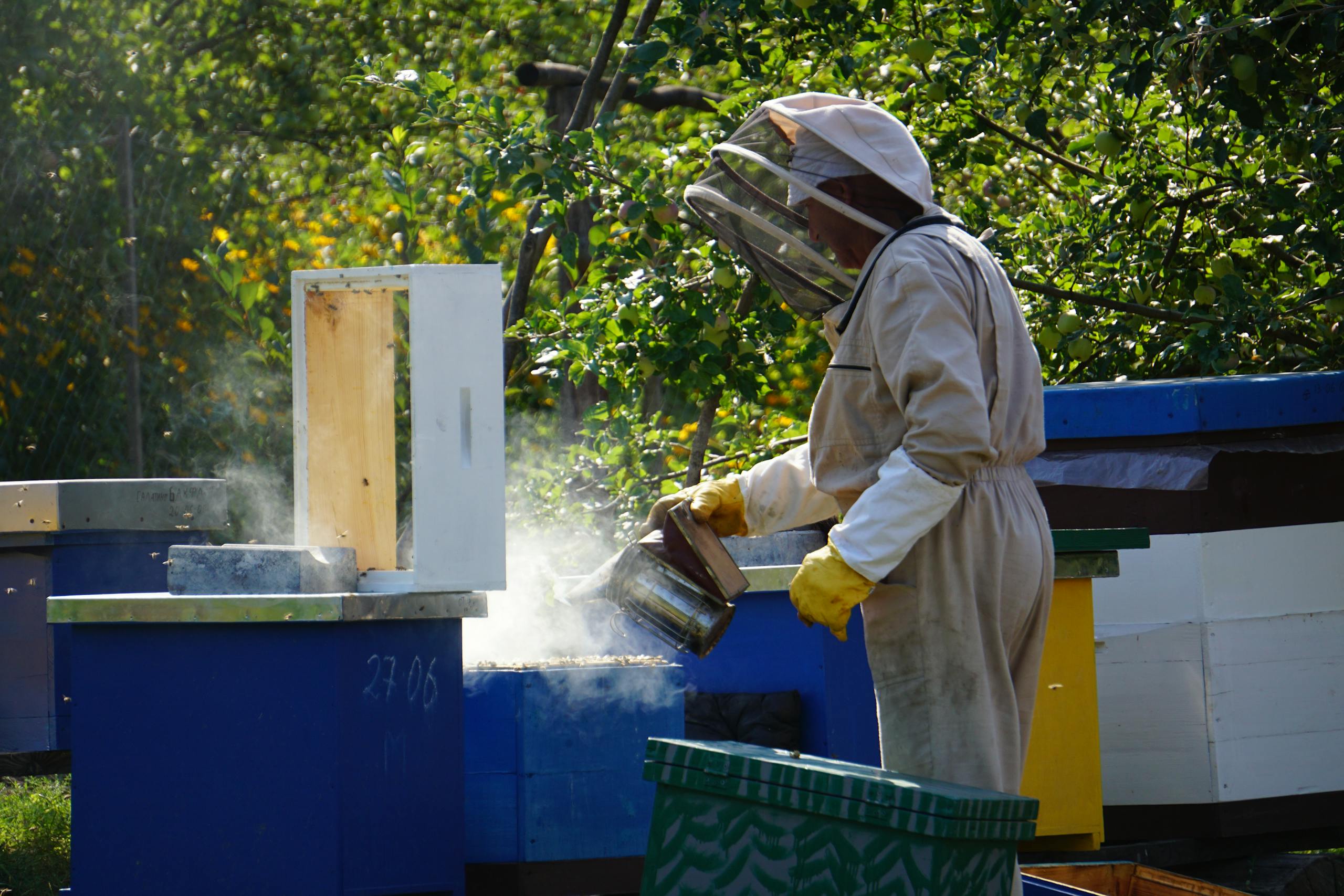
The best way to protect beehives from pests and ants is to keep your bee colonies strong, place hives on elevated stands with oil moats on the legs, and use…
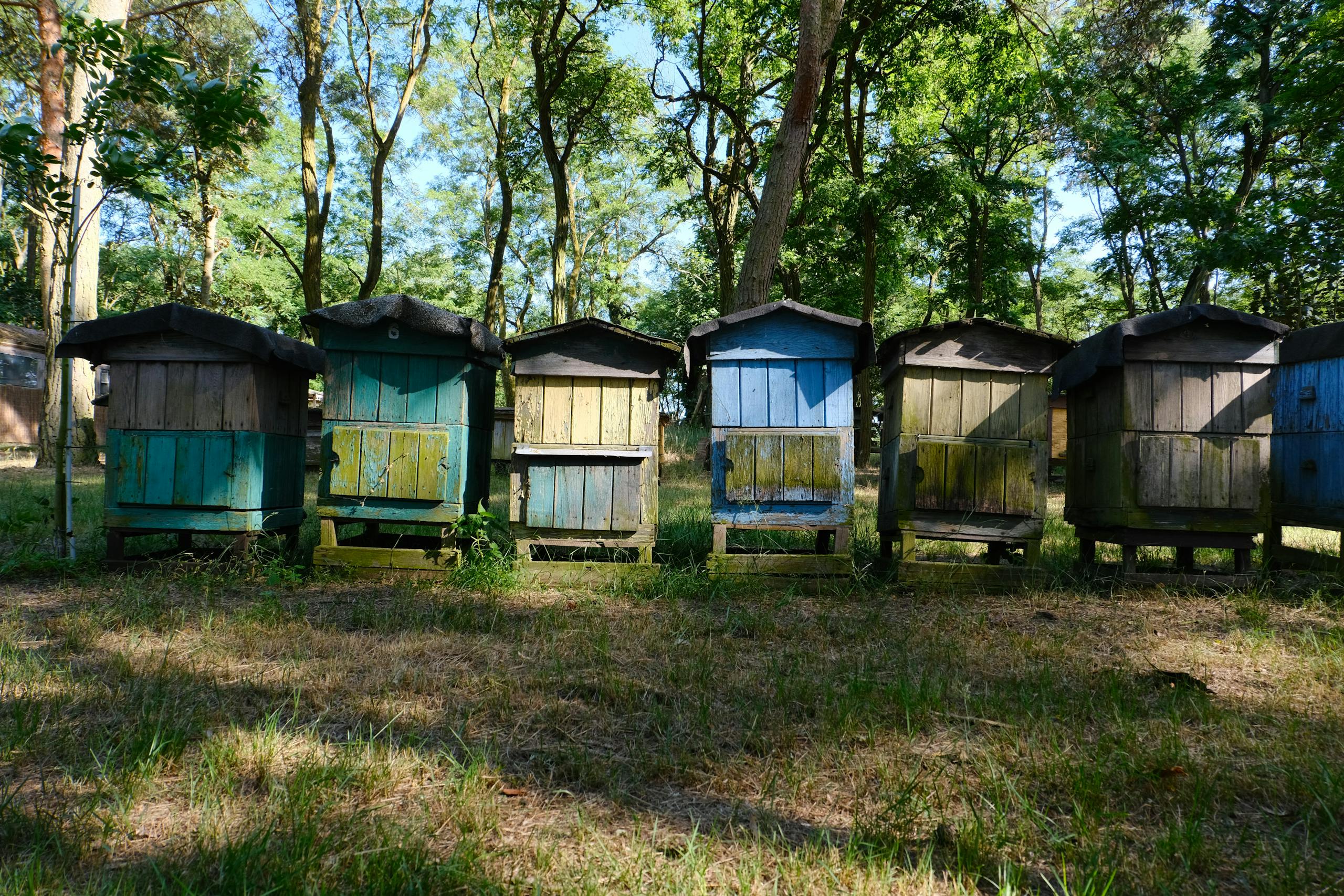
Your bees are leaving the hive because of one of two things: swarming or absconding. Swarming is natural. About half the colony leaves with the old queen to start a new home when…
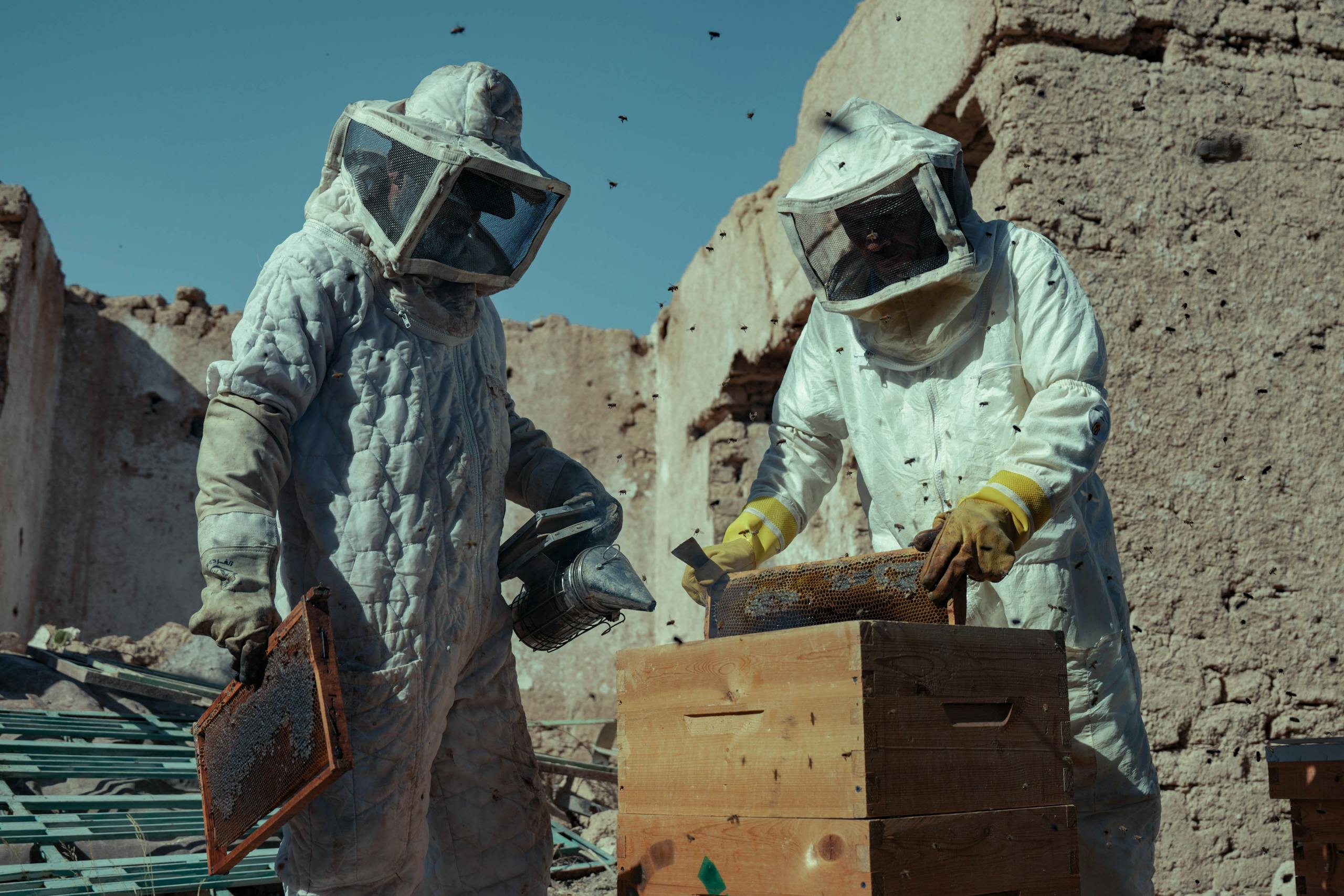
You should check your beehive every 7 to 10 days during spring and summer. In fall, drop your inspections to once every 2 to 3 weeks. In winter, inspect your hive as little as…
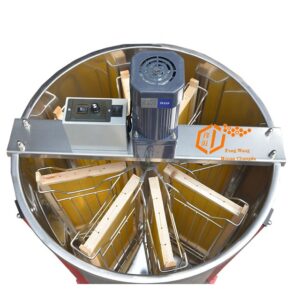 6-Frame Electric Honey Extractor | Stainless Steel Motorized Beekeeping Spinner
Original price was: ₦650,000.00.₦478,345.24Current price is: ₦478,345.24.
6-Frame Electric Honey Extractor | Stainless Steel Motorized Beekeeping Spinner
Original price was: ₦650,000.00.₦478,345.24Current price is: ₦478,345.24.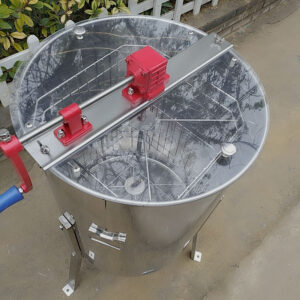 4 Frame Manual Honey Extractor | Stainless Steel Hand Crank Centrifugal Spinner
Original price was: ₦152,000.00.₦124,654.06Current price is: ₦124,654.06.
4 Frame Manual Honey Extractor | Stainless Steel Hand Crank Centrifugal Spinner
Original price was: ₦152,000.00.₦124,654.06Current price is: ₦124,654.06.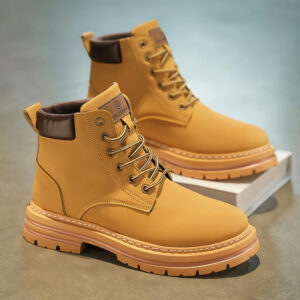 Professional Apiary Boots: Heavy-Duty Beekeeping and Hive Management Footwear
Original price was: ₦80,000.00.₦58,121.54Current price is: ₦58,121.54.
Professional Apiary Boots: Heavy-Duty Beekeeping and Hive Management Footwear
Original price was: ₦80,000.00.₦58,121.54Current price is: ₦58,121.54.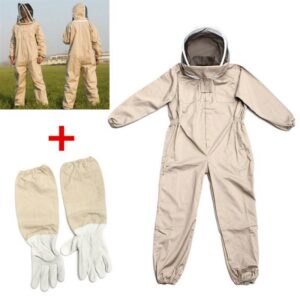 Professional Ventilated Full Body Beekeeping Suit with Protective Gloves
Original price was: ₦60,000.00.₦48,412.73Current price is: ₦48,412.73.
Professional Ventilated Full Body Beekeeping Suit with Protective Gloves
Original price was: ₦60,000.00.₦48,412.73Current price is: ₦48,412.73.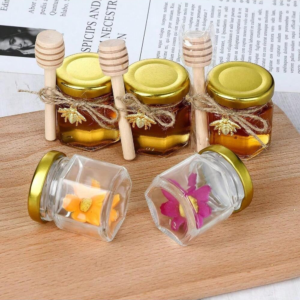 Mini Glass Honey Jar Set | 1.5 oz Hexagonal Favor Jars with Wooden Dippers
Original price was: ₦55,000.00.₦37,520.24Current price is: ₦37,520.24.
Mini Glass Honey Jar Set | 1.5 oz Hexagonal Favor Jars with Wooden Dippers
Original price was: ₦55,000.00.₦37,520.24Current price is: ₦37,520.24.