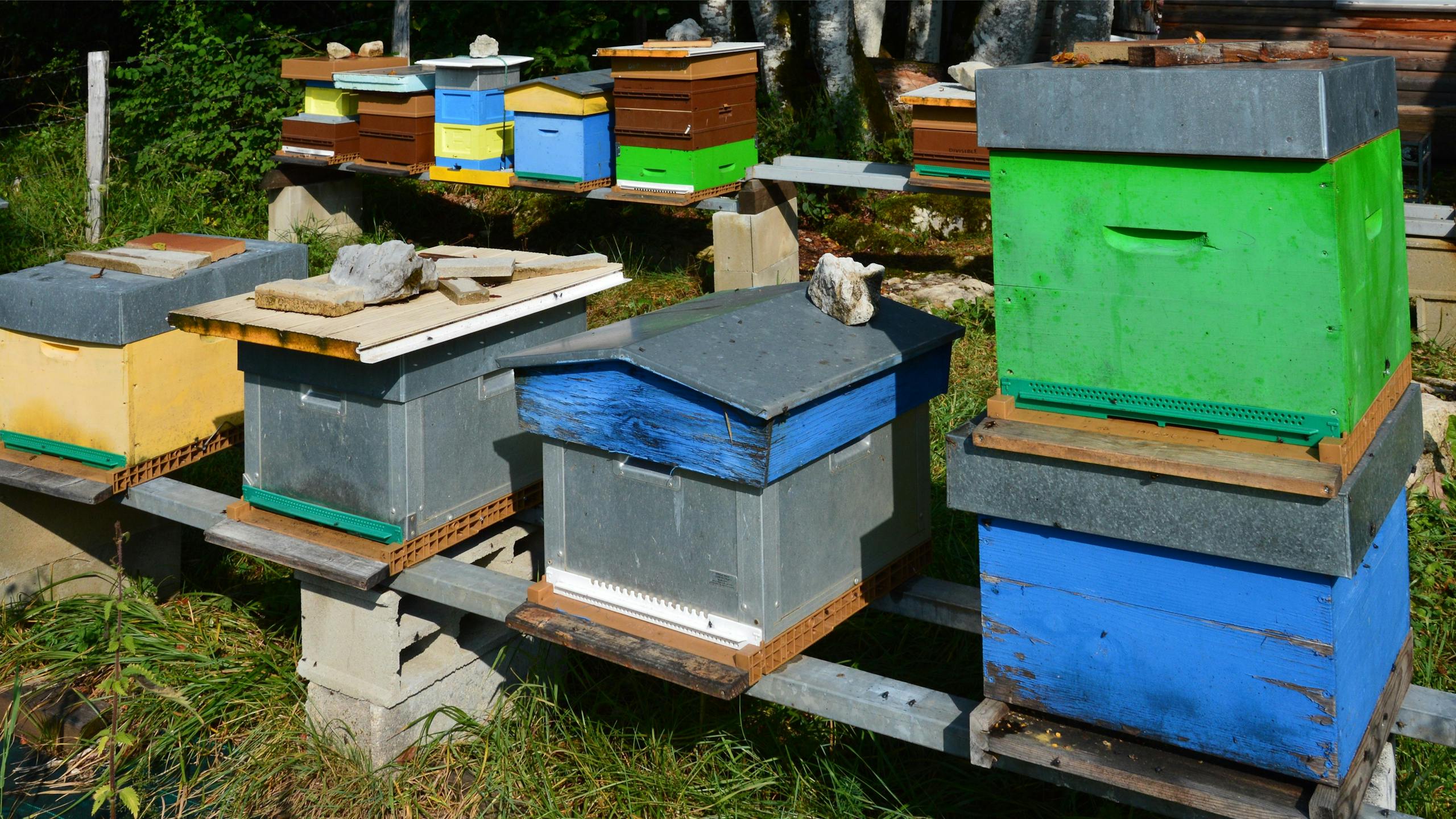
The best beehive for beginners is the 10-frame Langstroth hive. It has standard parts, works with nearly all beekeeping equipment sold in the U.S., and is supported by more instructors, mentors, and local clubs than any other hive design. If you are just starting out, this is where you should put your money and your time.
But that one-sentence answer does not tell you everything you need to know before you spend $200 to $400 on a starter kit.
This guide will walk you through the three main hive types used by hobbyists today. You will learn which one fits your goals, your body, your budget, and your climate. You will also see real data, real beekeeper stories, and honest comparisons so you can choose with confidence.
Why Your First Hive Choice Matters More Than You Think
Let me be direct with you.
Beekeeping is harder today than it was ten years ago. According to the 2024-2025 U.S. Beekeeping Survey conducted by Auburn University and the Apiary Inspectors of America, an estimated 55.6% of all managed honey bee colonies in the United States were lost between April 2024 and April 2025. That is the highest annual loss rate ever recorded since national tracking began in 2010.
Backyard beekeepers managing fewer than 50 hives lost an average of 50% of their colonies during that same period, according to Bee Culture Magazine’s report on the Project Apis m. survey.
These numbers are not shared to scare you away. They are shared so you understand something important: the hive you choose as a beginner will either help you survive these challenges or make them worse.
When you pick a hive type that has strong community support, standard parts, and easy inspection access, you give yourself a real shot at catching problems early. Varroa mites, disease, queenlessness, and starvation are manageable if you can see inside your hive clearly and act fast.
A hive that makes inspections difficult or that leaves you without a local mentor makes every one of those problems harder to solve.
The Three Main Hive Types for Beginners
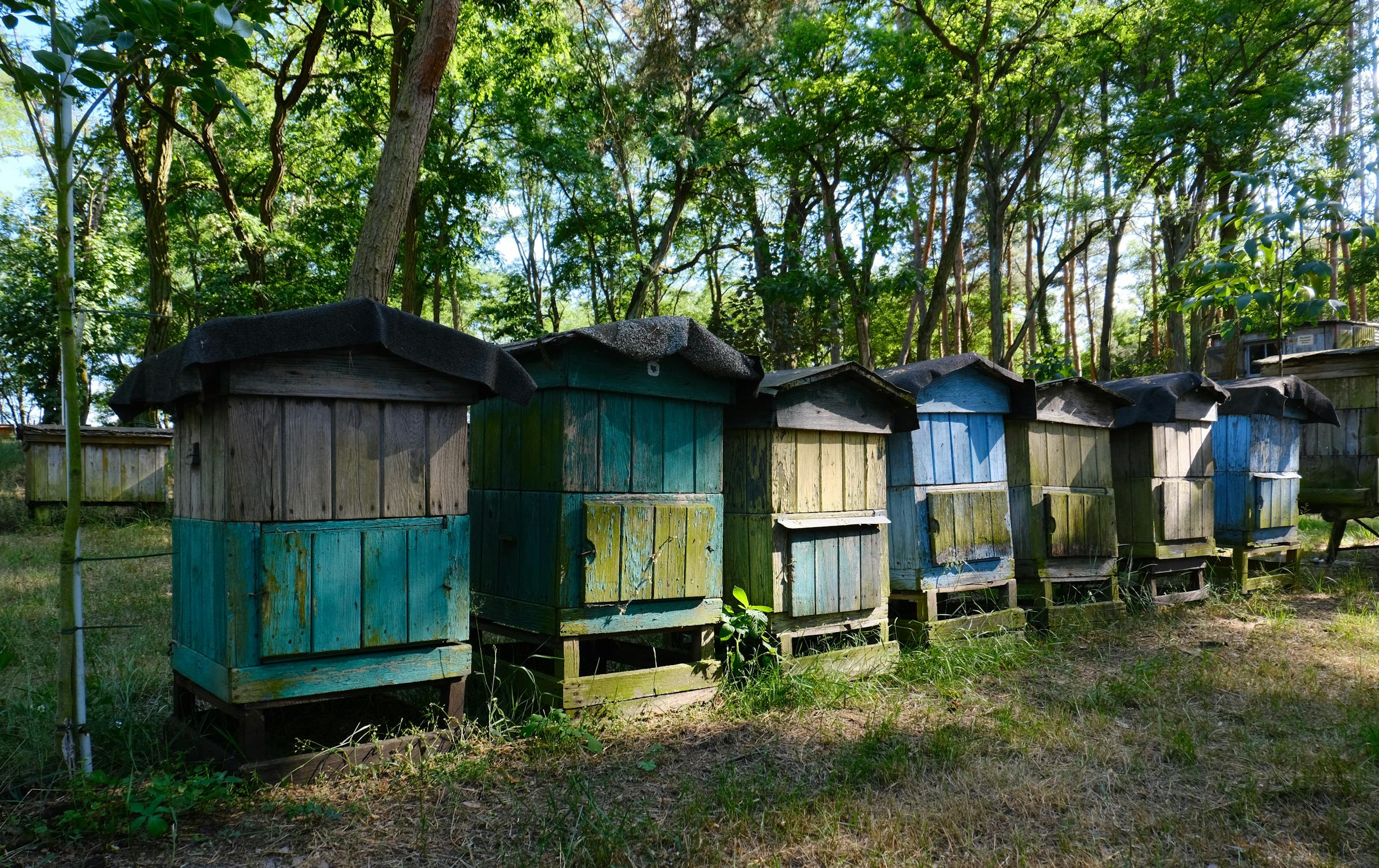
Before we get into which one wins, you need to understand what each hive is, how it works, and who it is built for.
1. The Langstroth Hive
The Langstroth hive is the most widely used beehive in the United States and most of the English-speaking world. It was designed by Reverend Lorenzo Langstroth in the 1850s, and the basic design has not changed much since.
It is a vertical hive. You start with a bottom board, add one or two deep boxes (called brood boxes) where the queen lives and lays eggs, and stack smaller boxes called supers on top when the bees need room to store honey.
Inside each box are removable frames. The bees build their honeycomb on these frames. You pull out individual frames to inspect the colony, check for disease, look for the queen, and assess honey stores.
Why beginners love it:
The Langstroth hive has been the standard for over 150 years. That means nearly every beekeeping class, YouTube tutorial, local club meeting, and mentor program is built around this hive. When you ask a question in a beekeeping forum or at your county extension office, the person answering you almost certainly uses a Langstroth.
Parts are interchangeable across most brands. A frame from Mann Lake fits in a box from Dadant. A honey super you buy on sale from one supplier will fit on the hive body you already have from another. This matters because your equipment will last decades, and you will add to it over time.
Utah State University Extension describes the Langstroth as the most widely used hive in the country, specifically citing interchangeable parts and strong support as the two biggest advantages for new beekeepers.
Key specs:
| Feature | 10-Frame Langstroth | 8-Frame Langstroth |
|---|---|---|
| Frame count (brood box) | 10 | 8 |
| Weight of full honey super | Up to 80-100 lbs | Up to 60-70 lbs |
| Best for | Maximum honey production | Lighter lifting |
| Beginner friendliness | Very high | Very high |
| Parts availability | Excellent | Excellent |
| Average starter kit cost | $230 to $390 | $200 to $350 |
The downside:
A full 10-frame deep box packed with brood and honey can weigh up to 80 pounds. If you have back problems or limited physical strength, lifting boxes in summer can be a real challenge. This is why many beekeepers now start with the 8-frame version, which is lighter but still uses all standard Langstroth equipment.
2. The Top Bar Hive
The top bar hive is a horizontal hive. It looks like a long trough or a cattle feeding trough turned upside down. Instead of stacking boxes, you have a single long box.
The bees build their comb from wooden bars that hang across the top of the box. The queen and brood live on bars near the entrance. The bees move outward and fill the rest of the bars with honey.
According to The Old Farmer’s Almanac’s beekeeping guide, the top bar hive is “the most back-friendly option for hobby beekeepers” because there is no lifting of heavy stacked boxes. You work one bar at a time, and each bar weighs only a few pounds.
Who it is good for:
- People with back injuries or physical limitations
- Beekeepers who want a more natural approach to comb building
- Hobby keepers in warm climates who are not focused on large honey harvests
- People in rural areas who enjoy DIY projects (it is easy to build your own)
The honest downsides:
The top bar hive has no standardized dimensions. That means equipment from one supplier may not fit a hive from another. There are no interchangeable parts. Finding a local mentor who uses a top bar hive can be difficult in many parts of the United States.
Comb can break during inspections, especially in hot weather when the wax softens. This is not catastrophic, but it happens often enough to be mentioned.
Honey production is typically lower than a Langstroth. Experienced beekeeper and blogger Rusty Burlew of Honey Bee Suite has kept top bar hives for years and openly admits she has never harvested honey from hers because it is so difficult to judge how much to leave for the bees.
Some U.S. states require movable-frame hives that allow state inspectors to examine frames for American Foulbrood disease. A top bar hive technically has movable comb, but the lack of rigid frames can create legal complications in certain states. Always check your local laws before buying.
3. The Warre Hive
The Warre (pronounced “war-AY”) hive was designed by a French monk named Abbe Emile Warre in the early 1900s. He wanted a hive that mimicked how bees live in nature. The goal was minimal intervention.
It is a vertical hive like the Langstroth, but the boxes are much smaller. Instead of adding new boxes to the top as the colony grows, you add them to the bottom of the hive. Bees build from the top down, just as they would in a hollow tree.
Who it might suit:
- People who want very low-maintenance beekeeping
- Beekeepers primarily interested in beeswax production rather than honey
- Gardeners who want pollinators with minimal management
The real challenges:
Adding boxes to the bottom of a Warre hive means lifting the entire top structure first. Warre boxes are smaller and lighter than Langstroth boxes, but you still lift 30 to 50 pounds of bees and honey while trying to slide a new box underneath.
Warre hives are also not legal in some U.S. states unless modified to include removable frames. Before you invest, check with your state’s department of agriculture or contact your local apiary inspector through the Apiary Inspectors of America.
Honey yields are lower than Langstroth hives. Mentorship and equipment support are limited. Most beekeeping classes do not cover Warre management.
Head-to-Head Comparison: Which Hive Wins for Beginners?
| Category | Langstroth | Top Bar | Warre |
|---|---|---|---|
| Beginner support and mentors | Excellent | Limited | Very limited |
| Equipment availability | Excellent | Poor (no standard parts) | Poor |
| Honey production | High | Medium | Low |
| Ease of inspection | High | Medium | Low |
| Physical lifting required | High (heavy boxes) | Low (one bar at a time) | Medium |
| Legal in all U.S. states | Yes | Usually yes | Not always |
| Cost to start | $230 to $390 | $150 to $300 | $200 to $500+ |
| Best climate | All climates | Warm/hot climates | All climates |
| DIY-friendly | Moderate | Yes | Moderate |
Mother Earth News published a comparison from a beekeeper who ran all three hive types side by side and noted that the Langstroth produced the most honey of the three by a wide margin.
My Personal Experience: What I Learned Starting Out
I placed my first two hives on a Saturday morning in March 2021, in a suburban backyard in Columbus, Ohio, at about 9:00 AM on a cool, overcast day.
I had done six weeks of reading before that morning. I thought I was prepared.
The first thing I noticed when I opened that Langstroth hive was how many bees were in there. Tens of thousands of them. My gloves were fine. My veil was fine. But my hands shook when I pulled out the first frame.
The thing that saved me that morning was not the price of the hive or the brand. It was the fact that I knew exactly what I was looking at. The frames were standard. I had seen them in every class photo, every YouTube tutorial, every guidebook. When I spotted uncapped brood, I recognized it. When I saw honey stores, I recognized those too.
If I had started with a top bar hive or a Warre, I would have been learning two things at once: the hive design AND bee biology. The Langstroth let me focus entirely on the bees because the equipment was already familiar.
By my second season, in 2022, I pulled just over 40 pounds of honey from one of those two hives. Not a huge harvest, but enough to prove the colony was thriving.
The second hive crashed in late summer of 2021, probably due to a queen failure I did not catch early enough. That loss cost me about $180 in a replacement package.
This is exactly why experienced beekeepers tell beginners to start with two hives. If I had only had that second failing hive and nothing to compare it to, I would never have known something was wrong until it was too late.
A Real Case Study: Sarah from Vermont
Sarah M., a 34-year-old homesteader in Montpelier, Vermont, started beekeeping in April 2019 with two hives. One was a Langstroth. One was a Warre she had bought online because she loved the idea of minimal intervention.
By October 2019, her Langstroth colony was thriving. Her Warre colony had died.
“I couldn’t see what was going on inside the Warre,” she told her local beekeeping club in a presentation she gave in January 2020. “By the time I had any clue something was wrong, it was too late. The Varroa levels must have been sky-high for weeks.”
Her Langstroth, on the other hand, let her do alcohol wash mite counts every three weeks. She treated twice that year and the colony went into winter strong.
She sold the Warre equipment in spring 2020 and replaced it with a second Langstroth.
Sarah’s story is not unusual. It reflects exactly what the data shows: early detection of Varroa mites is one of the most important things a beginner can do, and that detection depends almost entirely on being able to access and inspect your frames easily.
A Real Case Study: Marcus from Texas
Marcus T., a retired teacher from Austin, Texas, started beekeeping at age 62 in the spring of 2020. His doctor had warned him about his lower back, so he started with a top bar hive instead of a Langstroth.
“I couldn’t lift heavy boxes,” he said in a 2022 interview published in a local Texas beekeeping newsletter. “The top bar made sense for my body.”
Marcus managed his top bar hive for two full seasons without major problems. He harvested small amounts of comb honey each summer. He found that the lack of standardized parts was a nuisance but manageable because he was handy with wood.
His biggest challenge was finding people in his local beekeeping association who could advise him specifically about top bar management. Most mentors in his club used Langstroth hives.
“I had to learn more on my own,” he said. “That’s fine if you’re patient. But I’d probably tell a complete beginner to start with a Langstroth even with back issues, and just get the 8-frame version.”
The 8-Frame Langstroth: The Smart Middle Ground
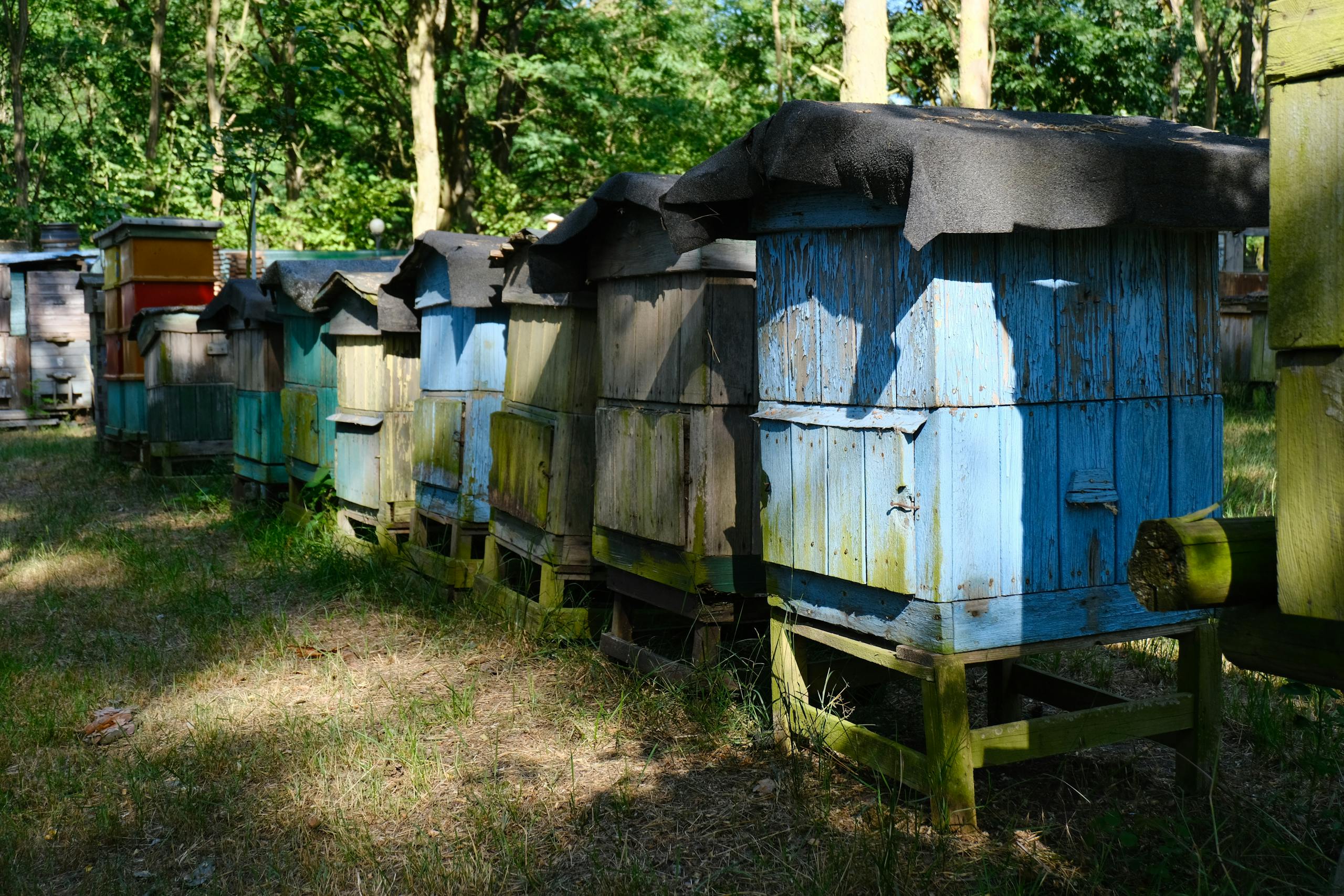
If the weight of a full 10-frame Langstroth concerns you, the 8-frame version solves that problem without giving up any of the advantages.
An 8-frame medium honey super weighs about 30 to 45 pounds when full, compared to 60 to 80 pounds for a 10-frame deep. That is a meaningful difference when you are doing summer inspections in heat and humidity.
All 8-frame Langstroth equipment is standardized and interchangeable just like 10-frame equipment. You still get the same community support, the same mentor network, and the same legal compliance in all 50 states.
Many experienced beekeepers, including the authors of Beekeeping Like a Girl, have moved toward medium 8-frame configurations specifically to reduce physical strain while keeping all the management advantages of the Langstroth system.
What to Look for in a Beginner Beehive Kit
When you buy your first hive, you are not just buying wood. You are buying into a system. Here is what to look for.
1. Unassembled vs. Assembled Kits
Most beginner kits come unassembled. This saves the supplier money on shipping and gives you a chance to familiarize yourself with the parts. Assembly is not hard, but you will need wood glue and a staple gun or brad nailer.
Some suppliers sell fully assembled kits for $50 to $100 more. If woodworking feels intimidating, the extra cost is worth it.
2. Wood Quality
Look for kits made from pine or cedar. Pine is affordable and easy to work with. Cedar is naturally rot-resistant and does not need painting, though it costs more.
Avoid hives made from thin or low-grade wood. The walls of your brood boxes should be at least 3/4 inch thick for proper insulation.
3. What Should Come in a Starter Kit
A good beginner kit should include:
| Item | Purpose |
|---|---|
| Bottom board (screened recommended) | Base of the hive; screened bottom helps with Varroa monitoring |
| Two deep brood boxes | Where the queen lives and lays eggs |
| 20 deep frames with wax foundation | Where bees build comb |
| One medium honey super | Storage space for excess honey |
| 10 medium frames with foundation | Comb support inside the super |
| Inner cover | Insulation and ventilation layer |
| Telescoping outer cover | Weatherproofing |
| Entrance reducer | Limits entrance in early spring and fall |
4. The Extras You Will Need Beyond the Hive
The hive is just one part. A complete beginner setup also requires:
| Item | Approximate Cost |
|---|---|
| Beekeeper veil or full suit | $30 to $120 |
| Leather or nitrile gloves | $15 to $40 |
| Hive tool | $8 to $20 |
| Smoker | $25 to $60 |
| Entrance feeder | $10 to $20 |
| First mite treatment (Oxalic acid is most common) | $15 to $30 |
A basic complete setup including the hive, tools, and safety gear runs between $350 and $600 before you buy your bees.
Bees themselves typically cost $150 to $200 for a 3-pound package with a mated queen, or $200 to $350 for a nucleus colony (nuc), which is a small established colony already on frames.
Trusted Beehive Brands Worth Looking At
These are well-regarded names in the U.S. beekeeping community, known for quality wood and consistent sizing:
| Brand | Known For | Approximate Kit Price |
|---|---|---|
| Mann Lake | Consistent quality, wide product range | $200 to $350 |
| Dadant & Sons | Over 150 years in business, reliable sizing | $180 to $320 |
| Brushy Mountain (now part of Mann Lake) | Beginner-friendly kits | $220 to $380 |
| Hoover’s Hives | Good value for beginners | $150 to $280 |
| Flow Hive | Honey harvest innovation, Langstroth-based | $600 to $900+ |
A note on Flow Hive: the honey harvesting mechanism is clever and it works. But it is a Langstroth-based system with a specialized honey super. You still need to manage the colony the same way you would with any other Langstroth. The bees do not know the difference. The harvest is easier, but the management is identical. It also costs significantly more than a standard kit. Most instructors recommend learning standard Langstroth management first before investing in Flow Hive technology.
The Single Most Important Decision After Choosing Your Hive
Once you have chosen your hive type and ordered your kit, the next most important decision you will make is whether to join a local beekeeping club.
This is not optional advice. It is critical.
Varroa mites are the leading cause of colony loss in the United States, as confirmed by both the 2024-2025 Auburn University/AIA Colony Loss Survey and a peer-reviewed analysis published by ScienceDirect in 2025. A local mentor who can walk you through your first alcohol wash mite count is worth more than any equipment upgrade.
The American Beekeeping Federation maintains a directory of state and local associations across the country. Most state associations also offer beginner courses in early spring, right before package bees arrive.
Varroa Mites: What Every Beginner Must Know
This section is important. Please read it fully.
Varroa destructor is a parasitic mite that feeds on honey bee pupae and adult bees. It weakens bees, shortens their lifespan, and spreads viruses like Deformed Wing Virus (DWV). According to a 2025 analysis, DWV was detected in nearly 90% of failed colonies sampled during the 2024-2025 loss season.
Varroa mites are present in virtually every managed colony in the United States. They are not a sign that you did something wrong. They are a reality of modern beekeeping.
The good news: they are manageable with regular monitoring and treatment.
How to monitor:
The alcohol wash method is the most accurate. You take a sample of about 300 bees (roughly half a cup), shake them in 70% isopropyl alcohol for 60 seconds, and count the mites that fall off. A mite count above 3 mites per 100 bees (3%) is your threshold to treat.
Treatment options for beginners:
| Treatment | Active Ingredient | Application Method | Notes |
|---|---|---|---|
| Oxalic Acid (Apivar OA, Api-Bioxal) | Oxalic acid | Vaporization or dribble | Safe for bees, no honey contamination |
| Apivar | Amitraz | Sticky strips hung in hive | Easy to use, effective |
| Mite Away Quick Strips | Formic acid | Placed on top bars | Works in capped brood too |
| HopGuard 3 | Potassium humulamate | Applied on strips | OMRI-listed (organic) |
You can find more detailed treatment guidelines from the Honey Bee Health Coalition’s Varroa management guide, which is free to download and updated regularly.
Common Beginner Mistakes (And How to Avoid Them)
Mistake 1: Starting with only one hive
If one hive fails, you lose everything and you have nothing to compare your healthy hive to. Always start with two hives. Experienced beekeepers at Vegas Bees confirm that beginners who start with two hives are twice as likely to still be beekeeping a year later.
Mistake 2: Ignoring Varroa until you see visible mites
By the time you can see mites crawling on bees with the naked eye, mite levels in your hive are already critical. Start counting mites 4 to 6 weeks after installing your package or nuc. Then count monthly.
Mistake 3: Over-inspecting in the first weeks
New beekeepers are excited and want to look inside every three days. This disturbs the colony, causes heat loss, and slows brood development. During the first three weeks after installing bees, open the hive only once at the two-week mark to confirm the queen is laying.
Mistake 4: Buying cheap protective gear
A sting to the face because your cheap veil has a gap is not a minor inconvenience. It can turn a calm inspection into a panicked mess. Buy a solid veil and good gloves before you ever open a hive.
Mistake 5: Not knowing your local regulations
Some cities, counties, and homeowner associations have restrictions on keeping bees. Check local ordinances before you spend any money. The Apiary Inspectors of America can connect you with your state apiarist for guidance.
How to Set Up Your First Hive: A Simple Step-by-Step Overview
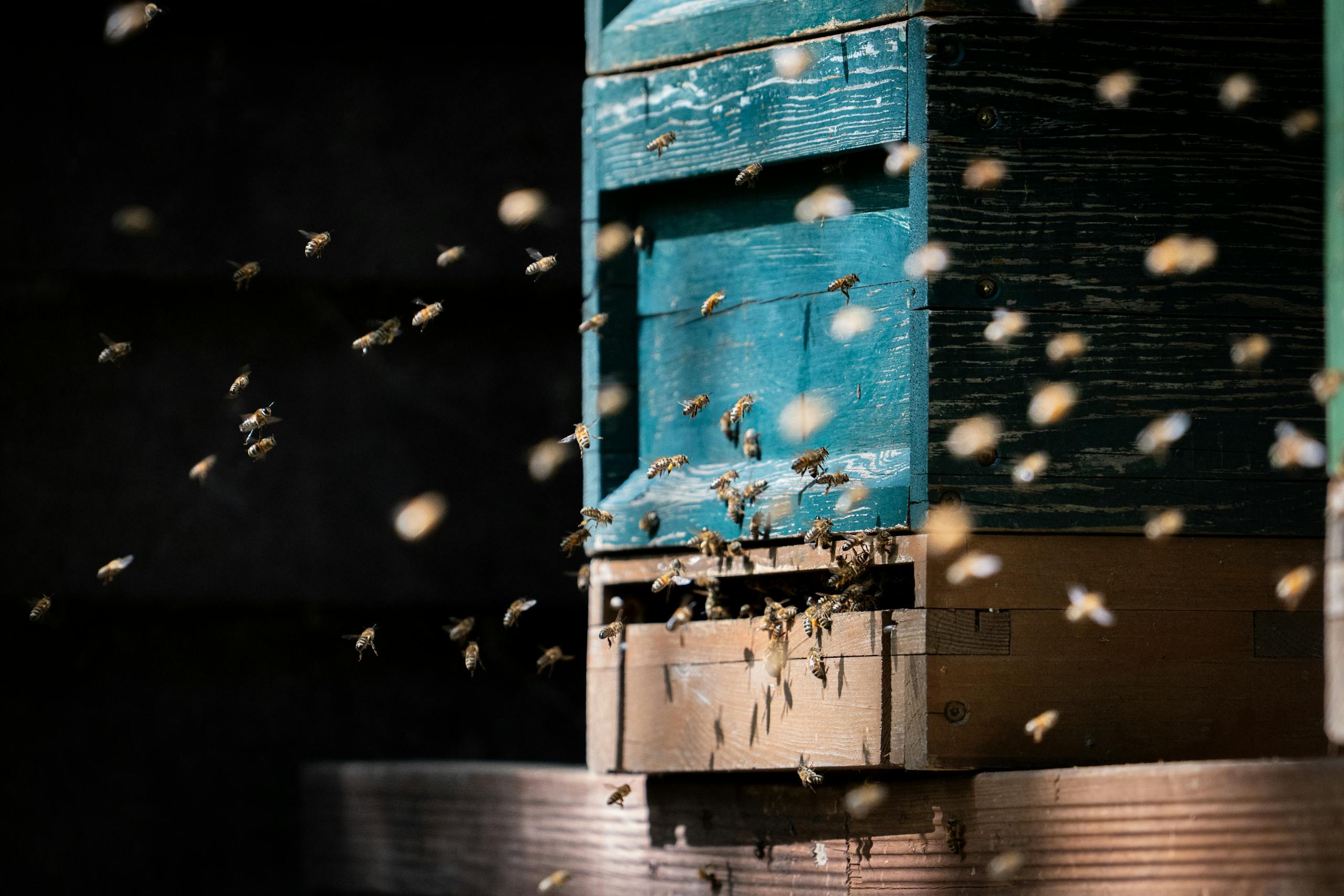
Setting up a Langstroth hive for the first time is straightforward. Here is a basic sequence to follow.
Step 1: Choose your location
Pick a spot that gets morning sun and afternoon shade. Morning sun gets bees flying early. Afternoon shade keeps the hive from overheating in summer. Face the entrance south or southeast. Place the hive on a flat surface at least 18 inches off the ground to limit moisture and predator access.
Step 2: Assemble the hive
Follow the kit instructions. Use wood glue on all joints and reinforce with nails or staples. Let it dry completely before painting.
Step 3: Paint the exterior
Use exterior latex paint on all outside surfaces. White and light colors are recommended for warm climates because they reflect heat. Do not paint the inside of the hive. Do not paint the frames.
Step 4: Install your bees
If you are installing a package: remove the queen cage, suspend it between two frames, and gently shake the bees into the hive. If you are installing a nuc: transfer each frame directly into your brood box in the same order they came from the nuc.
Step 5: Feed the new colony
New packages and nucs need a sugar syrup feeder for the first three to four weeks while they build comb and establish food stores. Use a 1:1 sugar-to-water ratio in spring.
Step 6: First inspection at two weeks
Open the hive 14 days after installation. Look for eggs and young larvae, which confirm the queen is laying. Confirm you have at least two frames of capped brood and two frames of stored pollen and nectar.
Final Verdict: Which Beehive Is Best for You?
Here is a simple decision guide:
Choose the 10-frame Langstroth if:
- You want maximum honey production
- You want the most community support and easiest access to mentors
- You have no physical restrictions on lifting
- You want to scale up to multiple hives in the future
Choose the 8-frame Langstroth if:
- Everything above applies to you, but lighter lifting is important
- You are managing hives alone without a partner to help
Choose the Top Bar Hive if:
- You have significant back or shoulder problems
- You live in a warm climate with mild winters
- You prioritize natural comb building over honey production
- You are comfortable learning more independently
Consider the Warre Hive if:
- You have confirmed it is legal in your state
- You primarily want beeswax and low-intervention management
- You already have beekeeping experience and want to try something different
For the vast majority of beginners in the United States, Canada, the UK, and Australia, the Langstroth hive remains the right starting point. Not because it is perfect, but because the system around it is unmatched. You can find help, find parts, find a mentor, and find answers when something goes wrong.
And in today’s beekeeping environment, where annual colony losses are at historic highs, having that support system around you is not a luxury. It is a necessity.
Quick Reference: Beehive Comparison Summary
| Langstroth | Top Bar | Warre | |
|---|---|---|---|
| Best for beginners? | Yes | Conditional | No |
| Honey production | High | Medium | Low |
| Physical demand | Medium-High | Low | Medium |
| Mentor/community support | Excellent | Limited | Very limited |
| Parts availability | Excellent | Poor | Poor |
| Legal in all states? | Yes | Usually | Not always |
| Estimated start cost | $350-$600 | $250-$500 | $300-$600 |
Have questions about starting your first hive? Drop them in the comments below. If you found this guide useful, share it with someone who is thinking about getting into beekeeping.