
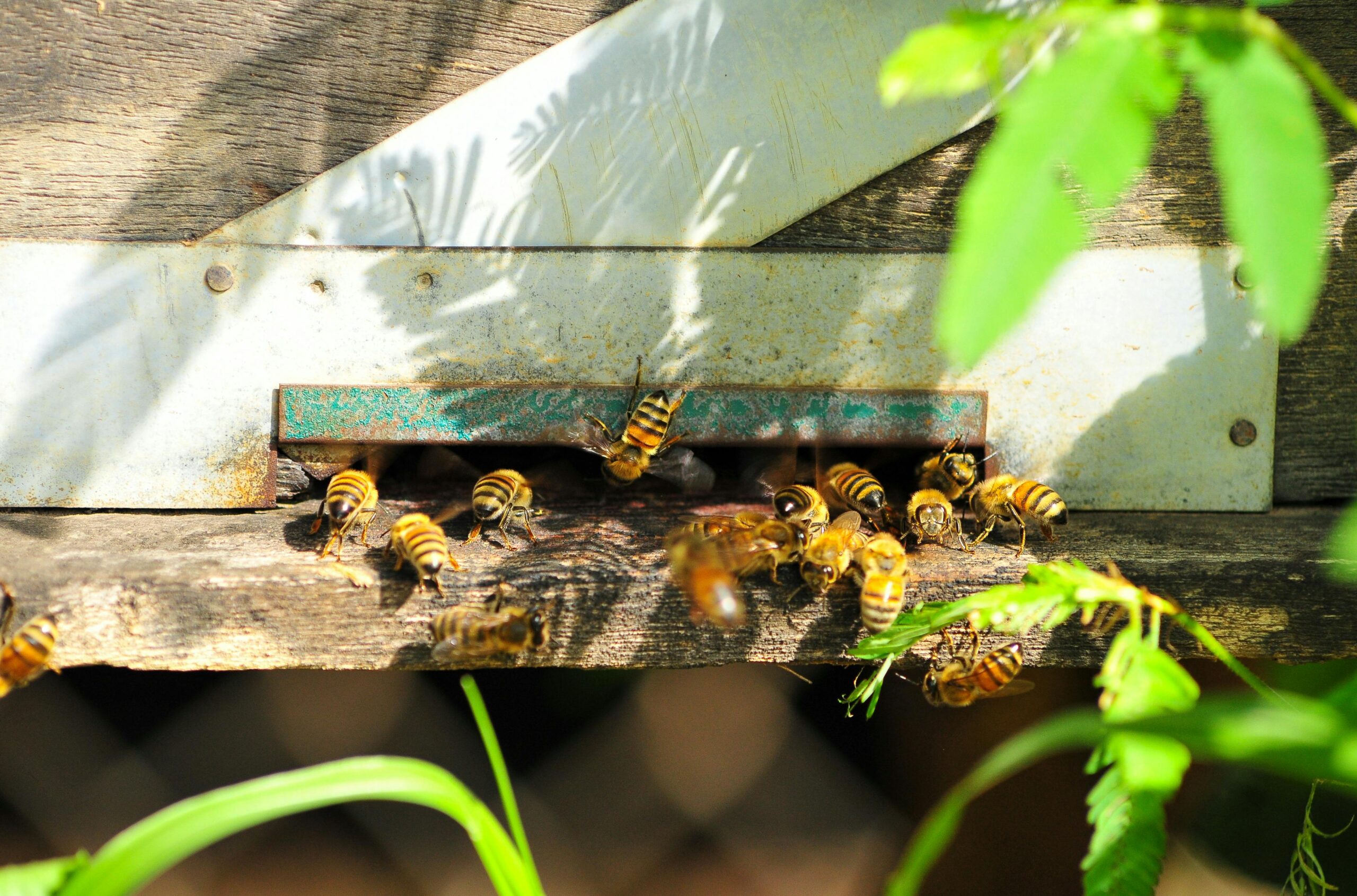
The African honey bee (Apis mellifera scutellata) and the European honey bee (Apis mellifera ligustica and related subspecies) are the same species — but they are very different in behavior, temperament, honey production, and suitability for beekeeping.
European honey bees are gentler, easier to manage, and produce more honey under commercial conditions. African honey bees are far more defensive, swarm up to 10 times more per year, survive harsh climates with little human help, and show better natural resistance to certain pests like the Varroa mite. Neither is “better” overall — each is built for a different environment and purpose.
They Are the Same Species — Just Different Subspecies
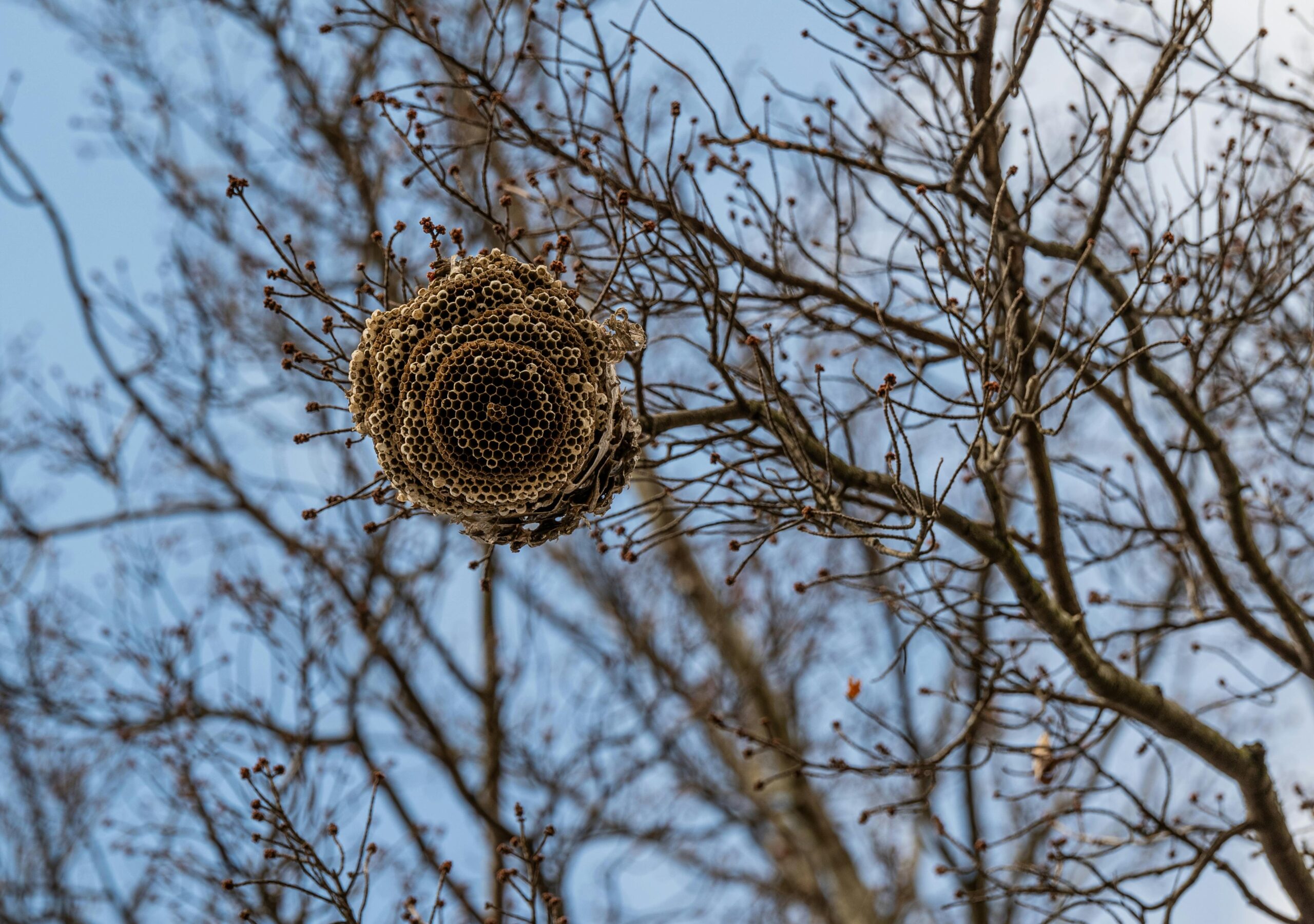
This surprises most people.
Both the African honey bee and the European honey bee belong to the exact same species: Apis mellifera.
They are not two different creatures. They are two subspecies — think of them like two closely related cousins who grew up in very different environments and developed different habits.
According to the University of Florida’s Institute of Food and Agricultural Sciences (UF/IFAS), African honey bees and European honey bees are classified as different sub-species of Apis mellifera — but they share the same fundamental biology.
Because of this, their venom is chemically identical. A sting from an African honey bee is not more toxic than one from a European honey bee. The danger from African bees comes from something else entirely — which we will get to shortly.
The African honey bee’s scientific name is Apis mellifera scutellata, and it is native to sub-Saharan Africa. The “European honey bee” is actually a group of several subspecies selectively bred in Europe over centuries. The most common ones used in commercial beekeeping today include:
- Apis mellifera ligustica — the Italian honey bee
- Apis mellifera carnica — the Carniolan honey bee
- Apis mellifera mellifera — the dark European bee
These European varieties were brought to North America by early settlers as far back as the early 1600s according to UF/IFAS records.
The History Behind Both Bees
Understanding how these two bees ended up being compared is important.
European honey bees have been managed by beekeepers for centuries. Over hundreds of years, beekeepers selectively bred them for three key traits: gentleness, good honey production, and low swarming tendency.
That selective pressure shaped the European honey bee into the calm, productive insect it is today.
The African honey bee has a different story.
In Africa, bees were not usually “kept” in the Western sense. Instead, honey hunters would raid wild colonies and take everything — honey, comb, and all. This repeated destruction pushed African bee colonies to evolve a fierce, fast, overwhelming defense response. The bees that survived were the most aggressive ones.
That is the history in their genes.
In 1956, a Brazilian geneticist named Dr. Warwick Kerr imported African honey bee queens from Tanzania to Brazil. His goal was to develop a bee that could produce more honey in tropical conditions. But in 1957, a visiting researcher accidentally allowed 26 queens to escape their containment.
Those queens mated with local European honey bees. The resulting offspring — now called Africanized honey bees — inherited the African bee’s aggressive defensive traits almost completely. They then spread across South America, Central America, and eventually into the southern United States.
Today, the first documented Africanized bee attack in the US was recorded in May 1991, when Jesus Diaz was stung while mowing a lawn in Brownsville, Texas. He survived. Two years later, in July 1993, 82-year-old Lino Lopez became the first American to die from Africanized bee stings near Harlingen, Texas, after disturbing a colony in an abandoned building.
These events reshaped how the entire world viewed African bees.
Physical Differences: What They Look Like
If you put both bees side by side, the differences are subtle.
Both species have the familiar yellow and black striped abdomen, hairy bodies, and standard honey bee build. Without lab tools, even trained beekeepers cannot reliably tell them apart by sight alone.
Here is what the science says:
European honey bees are slightly larger. An average European worker measures about 1 inch (2.5 cm) in length. The Africanized or African worker averages about 0.75 inches (1.9 cm).
To officially identify Africanized bees, entomologists use a method called FABIS — the Fast Africanized Bee Identification System. A sample of bees is collected, and the forewing length is measured under high magnification. Wing length is the primary field-identification tool.
DNA testing is the most accurate method. Without it, visual identification is unreliable.
The coloration is also similar — both have amber-brown abdomens with dark banding. African bees may appear very slightly darker in some individuals, but this is not a reliable distinguishing feature.
In short: you probably cannot tell them apart by looking at them. Behavior is the real identifier.
Behavior: The Biggest Difference Between Them
This is where the two bees are dramatically different.
The most important behavioral difference is how they defend their colony.
When a European honey bee hive is disturbed, the colony typically sends out 10 to 20 guard bees. These bees will sting if you come too close. But their defensive zone is small — usually within a few meters of the hive — and they calm down relatively quickly.
African honey bees respond to the same disturbance with hundreds of guard bees. In some cases, an entire Africanized colony of 30,000 to 100,000 bees can mobilize.
According to the University of Florida Extension publication on African honey bees (IN790):
While European races of bees may attack a nest intruder with few bees (usually no more than 10 to 20 bees), African bees may attack the same intruder with hundreds of bees.
The African bee also defends a much wider radius around its hive. European bees will typically leave you alone if you back away a few meters. African bees have been recorded pursuing threats up to a quarter of a mile (about 400 meters) from the hive.
Additionally, African bee colonies stay agitated for longer. After a European bee disturbance, bees calm down within minutes. African bee colonies can remain on high alert for 24 hours or more.
The triggers are different too. European bees require significant disturbance to initiate a mass defense response. African bees react to vibrations from lawn equipment, vehicles, and even nearby foot traffic.
This heightened defensiveness is an evolutionary survival strategy — not random aggression. These bees evolved in an environment where their colonies faced constant raids from both humans and large predators like honey badgers. Extreme defense was the only way to survive.
Swarming and Absconding: How They Move and Multiply
Swarming and absconding are two very different colony behaviors that separate these bees sharply.
Swarming is what happens when a colony gets too large. The colony produces a new queen, and the old queen leaves with roughly half the worker bees to find a new home. This is a normal reproduction event.
European honey bee colonies swarm 1 to 2 times per year. The swarms are large, containing a high number of individual bees. They look for large nesting spaces — typically cavities of 40 liters or more.
African honey bee colonies can swarm 10 or more times per year. Their swarms are smaller in terms of individual bee numbers, and they can establish themselves in much smaller cavities — sometimes as small as 5 liters.
Absconding is different. This is when the entire colony abandons the hive completely — queen included — and moves to a new location. It is a survival response to threats like pests, extreme heat, or shortage of food.
European honey bees rarely abscond. They will stay in a hive through difficult conditions and work to resolve the problem.
African honey bees abscond readily. If conditions in the hive become unfavorable, the entire colony picks up and leaves.
For commercial beekeeping, frequent swarming and easy absconding are serious management problems. You can invest weeks building up a colony, only to find it empty one morning.
For wild African environments, however, this mobility is an advantage. Bees that can quickly relocate survive longer.
Here is a direct comparison from scientific literature:
| Behavior | European Honey Bee | African Honey Bee |
|---|---|---|
| Swarms per year | 1–2 | Up to 10+ |
| Swarm size | Large | Smaller |
| Minimum cavity size needed | ~40 liters | As small as 5 liters |
| Absconding frequency | Rare | Common |
| Response to resource shortage | Stays and adjusts | Leaves entirely |
Honey Production: Which One Makes More?
Under managed commercial conditions, European honey bees produce significantly more honey.
A well-managed Langstroth hive with European bees in a good foraging region can yield between 20 kg and 45 kg (50 to 100 lbs) of honey per year. In exceptional conditions with heavy nectar flows — such as clover fields in the US Midwest — some colonies push beyond 90 kg.
African bees in their wild state in Botswana were found to have colony sizes of roughly 6,500 workers and stored small amounts of food — only a fraction of what European commercial colonies store, according to research published in Insectes Sociaux by researchers studying the Okavango River Delta.
Why the gap?
African bees invest heavily in brood production and swarming. They use about 78% of their comb space for raising young bees rather than storing honey. European commercial strains, bred over centuries for honey storage, allocate a much higher proportion of comb to food reserves.
African bees also forage over shorter distances — research from the Okavango Delta shows median foraging distances of 295 to 563 meters. European bees routinely forage 1 to 3 km from the hive.
But here is the nuance: African bees are actually active foragers and can produce strong honey yields in the right tropical setup. At Trevro, we work with beekeepers across West Africa managing Apis mellifera adansonii (a common West African subspecies). When placed in well-designed Langstroth hives with consistent forage, our beekeeper clients regularly achieve 15 to 30 kg per hive per season in Nigerian conditions.
The limiting factor is not the bee’s work ethic. It is the bee’s tendency to swarm and abscond before the surplus builds.
| Honey Yield Factor | European Honey Bee | African Honey Bee |
|---|---|---|
| Commercial annual yield | 20–45 kg+ | 10–25 kg (managed) |
| Comb space used for brood | ~50–60% | ~78% |
| Typical foraging distance | 1–3 km | 295–563 m (median) |
| Honey storage behavior | High priority | Lower priority |
| Tendency to swarm before surplus builds | Low | High |
Disease Resistance: Who Survives Better?
This is one area where African bees hold a clear advantage, and it matters a great deal for the future of global beekeeping.
The Varroa mite (Varroa destructor) is the single most destructive pest facing honey bees worldwide. It parasitizes bee larvae, weakens adult bees, and transmits deadly viruses. Most European honey bee colonies in the US and Europe will collapse within two years without human intervention against Varroa.
African honey bees are a different story.
A peer-reviewed study published in PLOS ONE (Nganso et al., 2017) compared grooming and hygienic behaviors in African savannah honey bees (Apis mellifera scutellata) in Kenya versus European-origin hybrid bees in Florida. The results showed that adult mite infestation levels were approximately three times higher in the European bees. The African bees maintained lower mite loads through two mechanisms:
- Grooming behavior: African bees actively groom each other to remove mites.
- Hygienic behavior: African bees detect and remove mite-infested brood cells at a higher rate.
Research on hybrid Californian bee populations published in Scientific Reports (2026) also confirmed that colonies with African genetic lineage consistently had lower Varroa infestation rates compared to commercial European stock — without human treatment.
Additionally, African bees’ shorter brood cycle gives Varroa mites less time to reproduce inside sealed cells.
For beekeepers in tropical climates like Nigeria, Ghana, or Brazil, this natural resistance dramatically reduces the cost and chemical burden of mite management.
European honey bees also show strong hygienic behaviors — particularly Italian bees — but they still require active mite monitoring and treatment in most commercial settings.
Nesting Habits: Where They Choose to Live
African and European bees have very different ideas about where to set up home.
European honey bees prefer large, enclosed cavities — ideally 40 liters or more in volume. They like stable, predictable locations. In managed settings, they thrive in standard Langstroth hive boxes, which provide exactly the kind of stable, spacious environment they favor.
African honey bee colonies, by contrast, will nest in almost anything.
Research published in Insectes Sociaux on colonies in Botswana found that wild African bee colonies nested in cavities of approximately 17 liters — less than half the size preferred by European bees. Colonies nested in trees and termite mounds with equal frequency. Some nests were found in ground cavities, old vehicles, water meters, and inside the walls of buildings.
This flexible nesting behavior is part of why Africanized bees in the US became an urban pest problem. They move into spaces where humans never expect bees.
In one incident I observed personally on a farm visit to Ondo State, Nigeria, in March 2024 at around 11:00 AM, we found a wild Apis mellifera adansonii colony that had established itself inside an old 20-liter kerosene drum left on the property for three months. The colony was fully functional, had drawn comb on the drum’s inner walls, and had brood at all stages. No European bee would have chosen that space.
This adaptability is biologically impressive — but it makes African bee colonies harder to predict and harder to manage.
Pollination: Who Does the Better Job?
Both species are excellent pollinators, and comparing them on this dimension reveals some interesting trade-offs.
European honey bees are the backbone of global commercial pollination. In the United States alone, managed European honey bee colonies provide an estimated $10 billion in annual pollination services according to the Smithsonian Institution. Almond orchards in California, for example, depend almost entirely on trucked-in managed European bee colonies.
African bees forage differently. Research from Botswana found that African bee colonies have a greater emphasis on pollen foraging relative to nectar foraging, compared to temperate European colonies. Pollen foragers are generally more effective pollinators per flower visit because they contact more reproductive parts of the flower.
African bees also forage more actively in hot conditions. European bees reduce foraging activity in high heat. African bees, adapted to tropical climates, maintain foraging activity in temperatures that slow European bees down.
This makes African bees potentially more effective pollinators for tropical crops — mangoes, cashews, oil palm, and cocoa — where heat is a factor.
The challenge is that African bee colonies are difficult to rent out for commercial pollination because of their defensive behavior and tendency to swarm. They are effective pollinators; they are just harder to deploy as a managed service.
Side-by-Side Comparison Table
| Characteristic | African Honey Bee (A. m. scutellata) | European Honey Bee (A. m. ligustica etc.) |
|---|---|---|
| Species | Apis mellifera | Apis mellifera |
| Body size | Slightly smaller (~0.75 in) | Slightly larger (~1 in) |
| Color | Amber/dark banding | Amber/lighter banding |
| Temperament | Highly defensive | Gentle, calm |
| Guard bee response | Hundreds of bees | 10–20 bees |
| Pursuit distance | Up to 0.25 miles (400 m) | A few meters |
| Time agitated after disturbance | Up to 24 hours | Minutes |
| Swarms per year | Up to 10+ | 1–2 |
| Absconds | Common | Rare |
| Commercial honey yield | Lower (10–25 kg managed) | Higher (20–45 kg+) |
| Foraging distance | ~300–600 m (median) | 1–3 km |
| Comb space for brood | ~78% | ~50–60% |
| Varroa resistance | Naturally higher | Lower (needs treatment) |
| Hygienic behavior | Strong natural grooming | Moderate; varies by strain |
| Best climate | Tropical and sub-tropical | Temperate |
| Ease of management | Difficult | Easy |
| Beekeeping suitability | Challenging | Highly suitable |
| Identification (naked eye) | Not reliably possible | Not reliably possible |
Safety: The Real Risk Around African Bees
Let us talk about this honestly, because the media has both over-dramatized it and under-explained it.
African bees — and their Africanized hybrid descendants — are genuinely dangerous to humans and animals. Not because their venom is more powerful, but because of the numbers they attack in.
The venom from an African bee sting is chemically identical to a European bee sting. Both deliver the same mixture of apitoxin. A single sting from either species is about equally painful.
The danger from African bees is quantity.
According to the Smithsonian Institution’s official fact sheet on Africanized honey bees, since their introduction into Brazil, they have killed approximately 1,000 humans. Victims receive on average ten times more stings than victims of European bee attacks.
The Natural History Museum in London reports that it is estimated around 1,000 stings could kill an adult human. An Africanized colony can mobilize up to 15,000 bees within 15 seconds of a disturbance.
Eight to 10 stings per pound of body weight is considered the lethal threshold according to Texas A&M University extension data. For a 160-pound adult, that is roughly 1,280 to 1,600 stings — well within the capacity of a disturbed large colony.
People most at risk include:
- Children
- The elderly
- Anyone with bee venom allergies (a single sting can trigger fatal anaphylaxis)
- Livestock and animals that cannot run away quickly
If you encounter an African bee swarm or disturbed colony:
- Run in a straight line immediately. Do not stop.
- Cover your head and face as best as you can.
- Get indoors or into a car. Close windows and doors.
- Do not jump into water — the bees will wait.
- Do not swat at the bees. Crushed bees release alarm pheromones that recruit more bees.
Which Bee Is Better for Beekeeping?
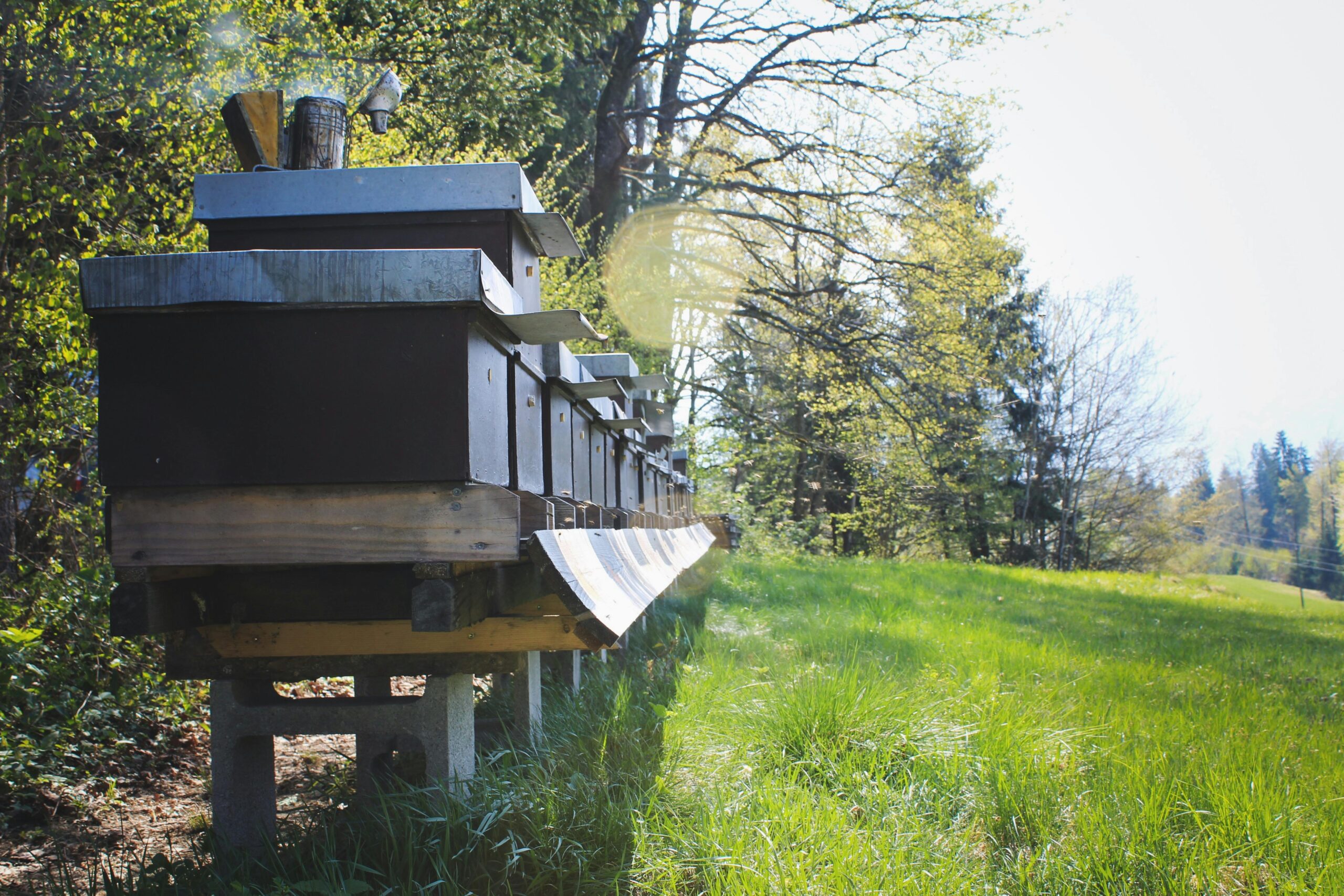
For most beekeepers — especially beginners — European honey bees are the clear choice.
They are calmer. They are easier to inspect. They build up honey stores efficiently. They swarm predictably. They respond well to standard hive management.
For beekeepers in tropical Africa and parts of South America, the reality is more nuanced.
African bees are the native species. They are adapted to local climates, local forage plants, and local pests. They need less chemical intervention for disease management. Under well-designed management systems, they can be productive.
At Trevro, we specifically work with beekeepers managing Apis mellifera adansonii and related West African subspecies. The key principles we use include:
- Protective gear at all times. A full ventilated suit is not optional. See our Professional Ventilated Full Body Beekeeping Suit for the right equipment.
- Inspection timing. Mid-morning inspections on warm, sunny, low-wind days when most foragers are out of the hive reduce colony aggression significantly.
- Smoke management. Liberal use of a quality smoker before and during every inspection is non-negotiable. Cold smoke from burlap or cotton kept at 95–120°F is ideal.
- Hive placement. Hives should face away from pedestrian areas, be elevated at least 1 meter off the ground, and have at least 10 meters of buffer zone from neighbors, livestock, and human activity.
- Queen management. Requeening aggressive colonies with gentler stock is the single most effective behavioral management tool.
For those considering switching from African to European bees in tropical climates, understand this: European bees may struggle more with Varroa mites, show reduced foraging activity in peak heat, and may need more disease management in humid tropical conditions.
The best approach for serious tropical beekeepers is often a managed selection program — choosing and breeding from the calmest, most productive African bee queens available, progressively improving your stock’s temperament while retaining its natural adaptability.
Real People, Real Experiences
Case Study 1 — Chinedu Okeke, Commercial Apiarist, Enugu, Nigeria
Chinedu manages 38 hives of Apis mellifera adansonii across two sites near the Enugu-Onitsha corridor.
In 2023, he had a devastating event. On a Tuesday afternoon in late October — around 2:30 PM during a period of dry harmattan winds — he opened two hives for routine inspection without his full suit on, relying only on his veil and gloves.
One colony had swarmed recently and contained a young, unestablished queen. The other had a strong, large population near peak honey storage.
Within 40 seconds of opening the second hive, he was overwhelmed by guard bees. He ran approximately 200 meters from the site before the pursuit stopped. He received 47 stings — concentrated on his arms, neck, and ankles. He was treated at the Enugu State Teaching Hospital and recovered within three days.
His lesson: “There is no casual inspection with African bees. You prepare fully, or you do not go in. Every time.”
Since then, Chinedu has upgraded to a full ventilated suit, uses smoke consistently, and has adopted late-morning inspection windows only. His 2025 season yielded 22 kg average per hive — his best year yet.
Case Study 2 — Sarah Jenkins, Hobbyist Beekeeper, Oregon, USA
Sarah manages three hives of Italian honey bees (Apis mellifera ligustica) in her suburban backyard in Portland, Oregon.
She has kept bees since June 2021 and describes her Italian bees as “almost like working with pets.” She inspects without gloves during calm evenings and has only been stung four times in four years — all when she accidentally pinched a bee against her hand.
Her average annual yield across three hives is about 115 lbs (52 kg) combined. She sells locally at $14 per 8 oz jar and clears over $2,000 a year from her backyard operation.
In her words: “I chose Italians specifically because I live in a neighborhood with kids and a shared fence. Defensiveness was a dealbreaker for me. The honey is real and plentiful. That is the whole point.”
Case Study 3 — Amina Bello, Agricultural Extension Worker, Kaduna, Nigeria
Amina trains smallholder farmers in Kaduna State to transition from traditional log hives to Langstroth equipment.
In her two-year training program that ran through 2023 and 2024, 47 farmers made the switch. The outcomes were striking:
- Average honey yield increased from approximately 4 kg per log hive to 18 kg per Langstroth hive per season.
- Colony loss rate due to absconding dropped from 60% to under 20%.
- Three farmers reported zero colony losses in 2024.
The key intervention: consistent protective gear, structured inspection schedules, and choosing and retaining only calm-queen colonies for propagation.
“The bee has not changed,” Amina says. “We changed how we work with the bee. That made everything different.”
What Beekeepers Need to Know Before Choosing
Before you decide which bee is right for your situation, answer these five questions honestly:
1. Where do you live?
Temperate climate with distinct cold winters? European bees are better adapted and more manageable. Tropical or sub-tropical with year-round warmth? African bees are naturally adapted and may require less intervention.
2. What is your primary goal?
Maximum commercial honey production? European bees are the proven choice. Pollination services for tropical crops? African bees may offer advantages in heat tolerance and pollen foraging intensity.
3. What is your safety context?
Do you have children, elderly family members, livestock, or neighbors close by? European bees are the responsible choice. If you are in a rural tropical environment with wide buffer zones, managed African bees are workable with proper equipment.
4. What is your budget for disease management?
European bees in most climates require active Varroa monitoring and treatment. This is a recurring cost. African bees have stronger natural defenses, which reduces this expense over time.
5. How much beekeeping experience do you have?
If you are a beginner, start with European bees. Learn hive management on calm stock before working with defensive African subspecies. Advanced management skills make African bee management achievable and even rewarding.
Final Verdict
The African honey bee and the European honey bee are not competitors. They are products of completely different evolutionary pressures, shaped for different environments and challenges.
European honey bees are the right choice for:
- Commercial beekeeping in temperate climates
- Beginner beekeepers
- Suburban and urban beekeeping
- Maximum honey yield per hive
- Pollination rental services
African honey bees are the right choice for:
- Tropical environments where they are the native species
- Beekeepers who understand and can manage defensive behavior safely
- Situations where Varroa and disease resistance are a priority
- Farmers integrating bees into existing tropical crop systems
- Regions where European bee management costs outweigh benefits
The crucial lesson from decades of research — from the UF/IFAS entomology department, the USDA Carl Hayden Bee Research Center, and the International Centre of Insect Physiology and Ecology (icipe) in Nairobi — is that these bees must be understood on their own terms.
Calling African bees “killer bees” and treating them as pure threats misses the full picture. They are resilient, hard-working, ecologically important insects that were shaped by a tough environment to survive. When properly managed by knowledgeable beekeepers with the right equipment, they produce real honey, support real pollination, and build real livelihoods.
Treating European bees as universally superior ignores their vulnerability in tropical conditions and their dependence on chemical intervention for survival in many regions.
The best beekeeper is the one who understands both bees — and chooses the right tool for the right environment.
Resources and Further Reading
- UF/IFAS: Differences Between European and African Honey Bees (IN784) — University of Florida, peer-reviewed extension publication
- UF/IFAS: African Honey Bee Fact Sheet (IN790) — University of Florida, detailed species profile
- Smithsonian Institution: Africanized Honey Bees — Verified damage and behavioral data
- Natural History Museum London: Killer Bees — Behavioral overview and historical context
- PLOS ONE: Hygienic and Grooming Behaviors in African and European Honeybees (2017) — Peer-reviewed Varroa resistance study
- FAO Pollination Guidelines — Food and Agriculture Organization on pollination’s role in food security
- Trevro Beekeeping Blog — Practical guides for beekeepers across Nigeria, the USA, and Australia
About the Author: Peter Uzodimma is the founder and chief apiarist at Trevro — a beekeeping supply and education organization serving apiaries across Nigeria, the USA, and Australia. With hands-on experience managing both African and European bee subspecies across tropical and temperate environments, Peter writes practical, research-backed guides for both beginner and commercial beekeepers. Based out of Epe, Lagos State, Nigeria.